Hebe Plant (Hebe Andersonii)
Hebe plant, scientifically known as Hebe Andersonii, is an evergreen shrub native to New Zealand. It is a part of the Plantaginaceae family and is revered.
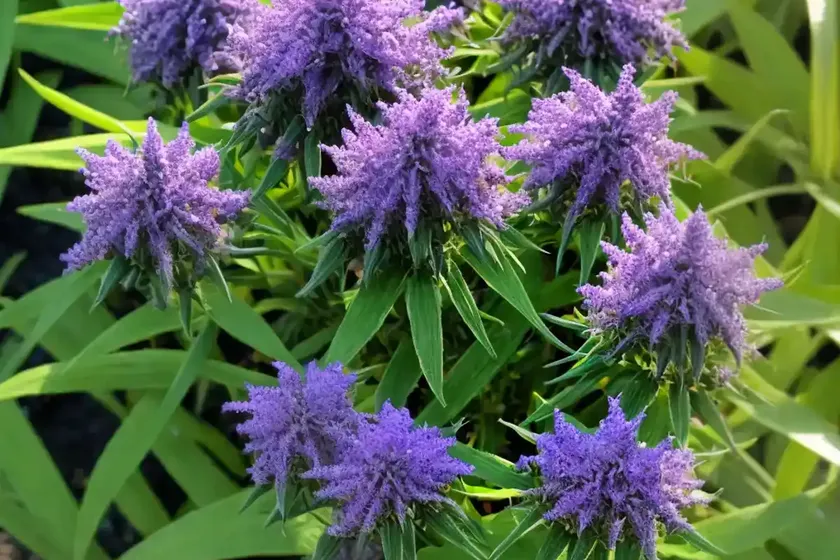
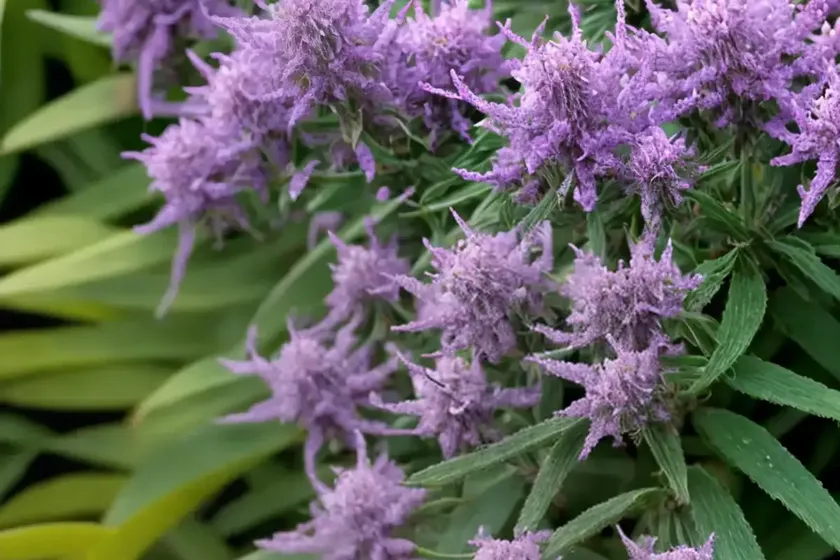
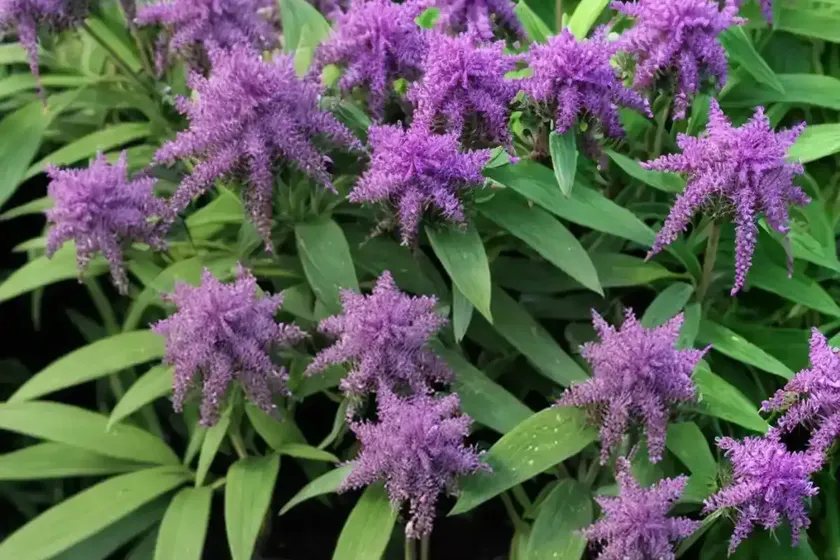
Hebe plant, scientifically known as Hebe Andersonii, is an evergreen shrub native to New Zealand. It is a part of the Plantaginaceae family and is revered for its stunning foliage and attractive flowers. This blog post will delve into the key aspects of Hebe Andersonii, including its cultural requirements, uses, care guidelines, and maintenance. This comprehensive guide aims to provide plant enthusiasts and horticulturists with valuable insights into nurturing and appreciating the Hebe plant.
Key Takeaways – Hebe Plant (Hebe Andersonii)
Hebe Andersonii, belonging to the Plantaginaceae family, is an evergreen shrub native to New Zealand. This particular plant is known for its aesthetic appeal, making it a popular choice for gardens and landscapes. Below are the key takeaways we will explore in detail:
- Culture
- Uses
- Water
- Sunlight
- Fertilizer
- Soil
- Pruning
- Propagation
- Container
- Popularity
- Common Diseases
- Disease Diagnosis
- Common Pests
- Botanist’s Tips
- Fun Facts
- Links to External Resources
Now, let’s dive into each of these aspects to unravel the mysteries and wonders of the Hebe Andersonii.
Culture
Hebe Andersonii is a versatile plant that can thrive in various cultural conditions. Understanding the culture requirements is essential for successfully cultivating this species.
Uses
The Hebe plant has several uses, including:
- Gardens: It is commonly used as an ornamental plant in gardens due to its attractive foliage and flowers.
- Landscaping: Its versatility allows it to be used for landscaping purposes, adding structure and color to outdoor spaces.
- Pollinator-Friendly: The flowers attract pollinators, making it beneficial for supporting local wildlife.
Water
Proper watering is essential for the health and vigor of Hebe Andersonii. The plant requires moderate water, and the soil should be kept consistently moist, but not waterlogged. A well-draining soil mix is crucial to prevent waterlogging, which can lead to root rot and other issues.
Sunlight
Hebe plants thrive in full sun to partial shade. Providing adequate sunlight is essential for robust growth and flowering.
Fertilizer
Fertilizing Hebe Andersonii in the spring with a balanced, slow-release fertilizer can promote healthy growth and vibrant flowering. It is important to follow the manufacturer’s recommendations for application and dosage.
Soil
Hebe Andersonii thrives in well-draining, slightly acidic to neutral soil. A mix of garden soil, peat, and perlite can provide the ideal growing medium for this plant.
Pruning
Pruning helps to maintain the desired shape of the Hebe plant and encourages new growth and flowering. It’s best to prune after the flowering period to avoid cutting off potential flower buds.
Propagation
Hebe Andersonii can be propagated through semi-hardwood cuttings. These cuttings can be taken from the current season’s growth and root easily under favorable conditions.
Container
When grown in containers, ensure that the pots have adequate drainage holes to prevent waterlogging. Container-grown Hebe plants require regular watering and may need repotting as they grow.
Popularity
The Hebe plant is popular among gardeners and landscapers due to its:
- Aesthetic appeal
- Versatility in various garden styles
- Low maintenance requirements
- Ability to attract pollinators
The popularity of Hebe Andersonii has made it a sought-after addition to gardens and landscapes around the world.
Common Diseases
Hebe plants are susceptible to certain diseases, including:
- Root Rot: This can occur in waterlogged conditions.
- Powdery Mildew: A common fungal disease that can affect the foliage.
- Leaf Spot: This can be caused by various fungal pathogens.
Understanding the signs and symptoms of these diseases can help in timely intervention and treatment, thus preserving the health of the plant.
Disease Diagnosis
Diagnosing diseases in Hebe Andersonii involves:
- Symptom Identification: Recognizing the visual cues of common diseases.
- Laboratory Testing: In severe cases, laboratory testing can determine the specific pathogen affecting the plant.
- Consulting Experts: Seeking advice from horticulturists and plant pathologists for accurate diagnosis and treatment recommendations.
Early disease diagnosis is crucial for effective management and control.
Common Pests
Pests that can affect Hebe Andersonii include:
- Aphids: These sap-sucking insects can weaken the plant if not controlled.
- Scale Insects: These pests can attach themselves to the plant and deplete its resources.
- Spider Mites: These tiny pests can cause stippling on the foliage, affecting the plant’s appearance.
Regular monitoring and prompt action can help prevent pest infestations and minimize damage to the plant.
Botanist’s Tips
As a botanist, here are some valuable tips for cultivating Hebe Andersonii:
- Observation: Regularly observe the plant for changes in growth, flowering, and signs of stress.
- Soil Testing: Periodically test the soil for pH and nutrient levels to ensure optimal growing conditions.
- Pruning Techniques: Mastering proper pruning techniques can enhance the plant’s appearance and health.
- Pest Monitoring: Keep a close eye on pest activity and deploy integrated pest management strategies.
Implementing these tips can contribute to the successful cultivation and maintenance of Hebe plants.
Fun Facts
Here are some intriguing facts about Hebe Andersonii:
- Native Habitat: It is native to New Zealand, where it thrives in its natural environment.
- Wildlife Attraction: The flowers of Hebe plants attract various pollinators, contributing to biodiversity.
- Ornamental Value: Its striking foliage and flowers make it a popular choice for ornamental gardening.
These fun facts add an extra layer of appreciation for the unique attributes of the Hebe plant.
Links to External Resources
For further information on Hebe Andersonii, consider exploring the following resources:
These resources offer valuable insights, research findings, and community forums related to plant cultivation and horticulture.
In conclusion, Hebe Andersonii is a captivating plant species that offers beauty, functionality, and ecological significance. By understanding its cultural requirements, addressing common issues, and appreciating its unique characteristics, plant enthusiasts can foster a deeper connection with this remarkable shrub. Whether as a standalone feature or a component of a diverse garden ecosystem, the Hebe plant contributes to the richness and diversity of horticultural landscapes.
Keywords: Hebe Andersonii, Hebe plant care, Hebe Andersonii varieties, Growing Hebe plants, Hebe shrub, Hebe Andersonii pruning, Hebe plant diseases, Hebe Andersonii propagation, Hebe plant facts, Hebe Andersonii landscaping, Hebe plant maintenance, Hebe Andersonii flowering, Hebe plant species, Hebe Andersonii garden, Hebe plant sunlight requirements, Hebe Andersonii pests, Hebe plant soil requirements, Hebe Andersonii watering, Hebe plant container gardening, Hebe Andersonii native habitat, Hebe plant hardiness, Hebe Andersonii growth rate, Hebe plant companions, Hebe Andersonii height, Hebe plant planting tips, Hebe Andersonii pruning techniques, Hebe plant landscape design, Hebe Andersonii seasonal care, Hebe plant climate adaptability, Hebe Andersonii wildlife attraction, Hebe plant container plants, Hebe Andersonii garden design, Hebe plant companion plants, Hebe Andersonii soil pH requirements, Hebe plant watering frequency, Hebe Andersonii plant architecture, Hebe plant pest control, Hebe Andersonii cold tolerance, Hebe plant sun exposure, Hebe Andersonii drought tolerance, Hebe plant ornamental value, Hebe Andersonii foliage color, Hebe plant pruning timing, Hebe Andersonii landscape uses, Hebe plant pollinator-friendly, Hebe Andersonii container gardening tips, Hebe plant root system, Hebe Andersonii seasonal interest, Hebe plant winter care, Hebe Andersonii flowering period.


