Petunia ‘Wave Rose’)
When it comes to adding a burst of color and vibrancy to gardens and landscapes, few plants rival the beauty and versatility of the Petunia ‘Wave Rose’..
Introduction
When it comes to adding a burst of color and vibrancy to gardens and landscapes, few plants rival the beauty and versatility of the Petunia ‘Wave Rose’. With its stunning blooms and cascading growth habit, this petunia variety has become a favorite among gardeners and landscapers worldwide. If you’re considering adding these lovely flowers to your outdoor spaces or are already a proud owner of Petunia ‘Wave Rose’, this comprehensive guide will provide you with all the information you need to cultivate and care for these enchanting plants.
What is Petunia ‘Wave Rose’?
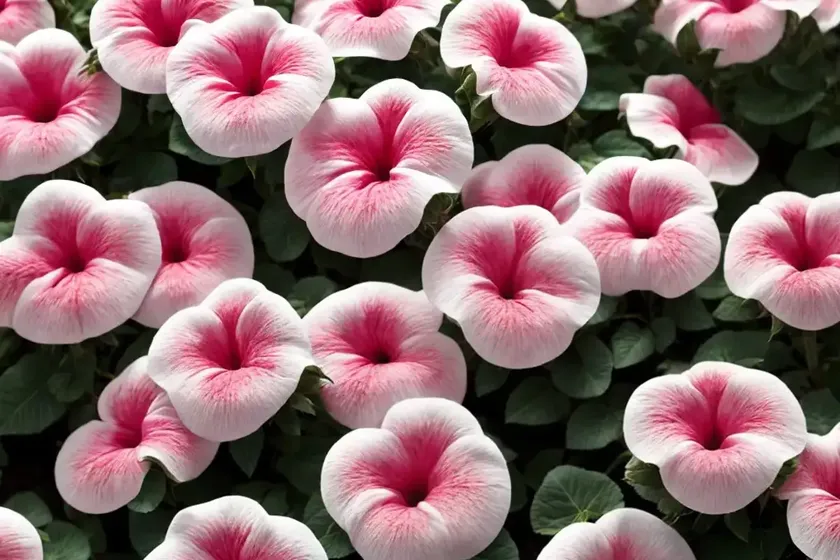
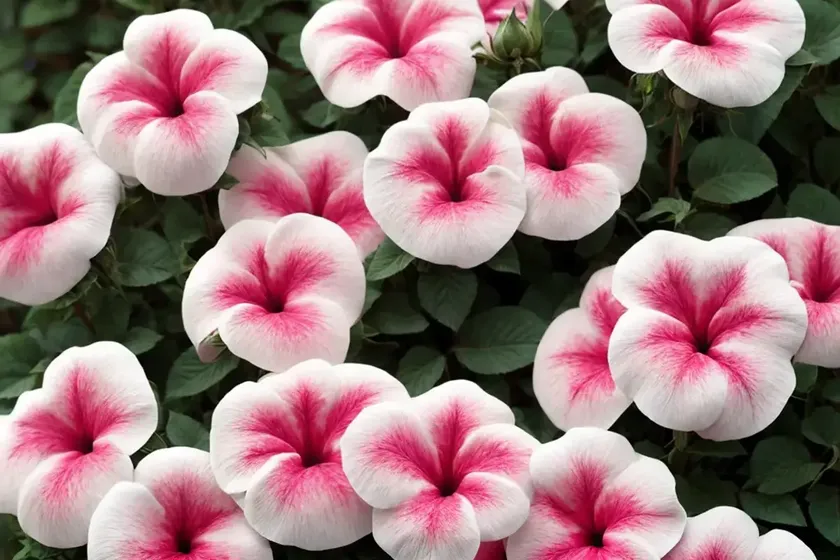
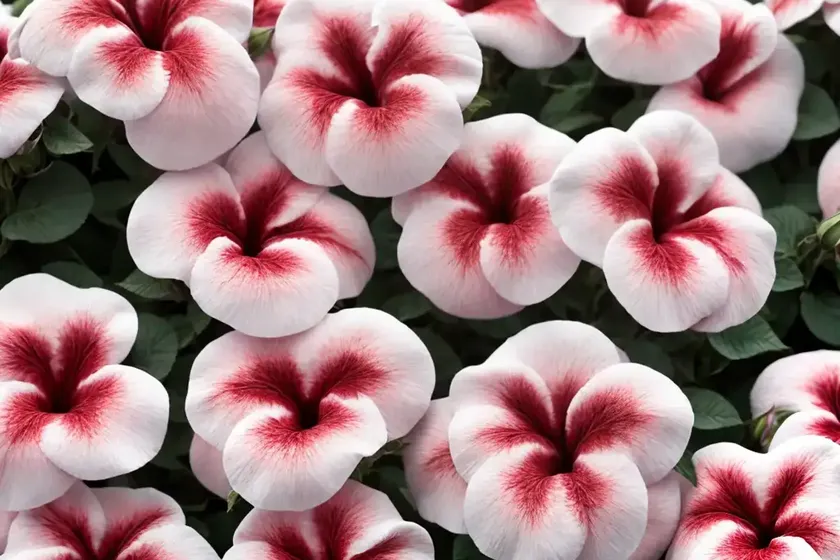
Petunia ‘Wave Rose’ is a cultivar of the popular Petunia genus, known for its prolific flowering and trailing growth habit. This variety is characterized by its delicate, rose-colored blooms that cover the plant in a stunning display of color. The ‘Wave’ series of petunias, including the ‘Wave Rose’ variety, is celebrated for its vigorous growth and ability to spread and cascade over garden edges, containers, and hanging baskets.
Key Takeaways
Before delving into the details of growing and caring for Petunia ‘Wave Rose’, let’s summarize some of the essential aspects of this plant:
- Care Level: Low maintenance
- Growth Habit: Trailing
- Blooming Season: Spring through fall
- Watering Needs: Regular watering, particularly during hot and dry periods
- Sunlight Requirements: Full sun (6-8 hours of direct sunlight per day)
- Soil Type: Well-draining, fertile soil
- Hardiness Zone: Typically grown as an annual in cooler climates
- Common Uses: Ground cover, hanging baskets, containers, garden borders
Culture
Uses
Petunia ‘Wave Rose’ is a versatile plant that lends itself to various landscaping and gardening applications. Some common uses of this stunning petunia variety include:
- Ground Cover: The trailing growth habit of ‘Wave Rose’ petunias makes them an excellent choice for creating colorful ground cover in garden beds and along pathways.
- Hanging Baskets: The cascading nature of the ‘Wave Rose’ variety makes it ideal for spilling gracefully over the edges of hanging baskets, adding a pop of color and visual interest.
- Container Gardening: Whether planted alone or combined with other complementary flowers, Petunia ‘Wave Rose’ thrives in containers, including pots, window boxes, and planters.
- Edging and Borders: Their spreading nature makes ‘Wave Rose’ petunias well-suited for defining borders and edging in garden beds and landscapes.
- Landscaping: The vibrant blooms and trailing growth make ‘Wave Rose’ petunias a popular choice for enhancing the visual appeal of garden landscapes, including parks, public gardens, and commercial spaces.
Water
Proper watering is essential for the health and vitality of Petunia ‘Wave Rose’. Here are some key points to consider regarding watering needs:
- Regular Watering: ‘Wave Rose’ petunias benefit from consistent moisture, particularly during dry periods. Regular watering is crucial to support healthy growth and continuous blooming.
- Avoid Overwatering: While adequate moisture is important, it’s equally vital to ensure that the plants are not sitting in waterlogged soil, as this can lead to root rot and other problems.
- Early Morning Watering: Watering in the early morning allows the foliage and soil to dry out during the day, reducing the risk of diseases caused by excess moisture.
Sunlight
Proper sunlight exposure is critical for the overall performance and blooming of Petunia ‘Wave Rose’. Consider the following points when determining the ideal sunlight conditions for these plants:
- Full Sun: ‘Wave Rose’ petunias thrive in full sun, which is generally defined as at least 6-8 hours of direct sunlight daily. Adequate sunlight promotes robust growth and abundant flowering.
- Partial Shade: While these petunias prefer full sun, they can tolerate some light afternoon shade, especially in regions with intense summer heat. However, prolonged lack of sunlight can result in reduced flowering and leggy growth.
- Sunlight and Flowering: Insufficient sunlight may lead to reduced blooming and overall plant vigor. If growing ‘Wave Rose’ petunias in containers, ensure that they receive adequate sunlight throughout the day.
Fertilizer
Proper fertilization is key to supporting the healthy growth and prolific blooming of Petunia ‘Wave Rose’. Consider the following guidelines when applying fertilizer to these plants:
- Balanced Fertilizer: Use a balanced, water-soluble fertilizer with an NPK ratio of 10-10-10 or similar formulation. This provides a good balance of essential nutrients for overall plant health and flowering.
- Frequency: Apply fertilizer every 2-4 weeks during the growing season, following the manufacturer’s recommendations for dilution and application rates.
- Avoid Overfeeding: While regular fertilization is important, avoid overfeeding ‘Wave Rose’ petunias, as excessive nutrients can lead to excessive foliage growth at the expense of flowers.
Soil
The choice of soil is crucial for the successful cultivation of Petunia ‘Wave Rose’. Here are key considerations when selecting and preparing the soil for these plants:
- Well-Draining Soil: ‘Wave Rose’ petunias thrive in well-draining, fertile soil that allows excess water to escape easily. Avoid heavy or compacted soils that can lead to waterlogging and root suffocation.
- Soil Amendment: Prior to planting, consider incorporating organic matter such as compost or well-rotted manure into the soil to improve its structure and fertility.
- pH Level: Aim for a slightly acidic to neutral soil pH, ideally in the range of 6.0-7.0, to support optimal nutrient uptake by the plants.
Pruning
Regular pruning helps maintain the health, shape, and blooming vigor of Petunia ‘Wave Rose’. Follow these guidelines when pruning these petunias:
- Deadheading: Remove spent flowers regularly to encourage continuous blooming and prevent the formation of seed pods. Deadheading redirects the plant’s energy into producing new blooms rather than seeds.
- Trimming Leggy Growth: If the plants become leggy or overgrown, especially in containers or hanging baskets, trim them back by about one-third to promote a more compact and bushy growth habit.
- Pruning Tools: Use clean and sharp gardening shears or scissors to make precise cuts without causing unnecessary damage to the plants.
Propagation
If you wish to propagate Petunia ‘Wave Rose’ to expand your collection or share the plants with others, here are some common methods for doing so:
- Cuttings: Propagation from stem cuttings is a popular and reliable method for multiplying ‘Wave Rose’ petunias. Take 3-4 inch cuttings from healthy, non-flowering stems, remove the lower leaves, and place the cuttings in a moist, well-draining rooting medium until they develop roots.
- Division: While not as commonly used for petunias, division can be employed to propagate ‘Wave Rose’ plants. Divide established clumps of petunias, ensuring that each division has a good portion of roots and foliage.
Container Popularity
Petunia ‘Wave Rose’ is celebrated for its suitability in container gardening due to its trailing growth and prolific flowering. Here are some reasons why these petunias are popular choices for container displays:
- Visual Impact: The cascading growth habit and abundant blooms of ‘Wave Rose’ petunias create a spectacular visual display in containers, whether used alone or in combination with other plants.
- Versatility: These petunias can thrive in various types of containers, including pots, planters, window boxes, and hanging baskets, allowing for endless creative possibilities in container gardening.
- Space Optimization: ‘Wave Rose’ petunias are excellent space-savers, making them ideal for small gardens, balconies, and patios where vertical or hanging displays are desired.
Common Diseases
While Petunia ‘Wave Rose’ is generally resilient, it can be susceptible to certain diseases. Common diseases to watch out for include:
- Powdery Mildew: This fungal disease presents as a powdery white coating on the leaves and stems, affecting overall plant health and vigor. To prevent powdery mildew, ensure good air circulation around the plants and avoid overhead watering.
- Botrytis Blight: Also known as gray mold, this disease can lead to wilting, browning, and decay of plant tissues. Proper spacing, adequate ventilation, and prompt removal of affected plant parts can help prevent botrytis blight.
- Leaf Spot: Leaf spot diseases can cause dark, circular lesions on the foliage, leading to defoliation and reduced plant vitality. To prevent leaf spot, avoid overhead watering, and ensure proper plant spacing to promote air circulation.
Disease Diagnosis
Diagnosing and addressing diseases in Petunia ‘Wave Rose’ require keen observation and prompt action. Here’s a brief guide to diagnosing common diseases in these petunias:
- Symptoms: Look for visible signs such as discolored or distorted foliage, powdery coatings, spots, or wilting. Carefully inspect the plants for abnormal growth and other indicators of disease.
- Fungal vs. Bacterial Diseases: Understand the differences between fungal and bacterial diseases, as their treatments may vary. Fungal diseases often present as powdery or moldy growth, while bacterial infections may cause leaf spots and wilting.
Common Pests
While generally robust, Petunia ‘Wave Rose’ can attract certain pests that may impact plant health and flowering. Common pests to watch out for include:
- Aphids: These small, soft-bodied insects can cluster on tender plant parts and feed on sap, leading to distorted growth and the transmission of viral diseases. Use insecticidal soap or neem oil to control aphid infestations.
- Spider Mites: These tiny arachnids can cause stippling and webbing on the foliage, resulting in reduced plant vigor. Regularly misting the plants and using horticultural oil can help manage spider mite populations.
- Whiteflies: These small, moth-like insects can cause yellowing and wilting of the foliage through their feeding activities. Use sticky traps and neem oil to reduce whitefly populations.
Botanist’s Tips
As a plant scientist, I have a deep appreciation for the botanical wonders of Petunia ‘Wave Rose’. Here are some valuable tips for growing and caring for these beautiful flowers:
- Regular Deadheading: Regularly removing spent flowers not only promotes continuous blooming but also prevents the formation of seeds, directing the plant’s energy into flower production.
- Proper Air Circulation: Good air circulation is crucial for preventing fungal diseases such as powdery mildew and botrytis blight. Ensure that the plants are not overcrowded and provide adequate spacing to allow air to flow freely.
- Consistent Maintenance: Regular maintenance tasks, including watering, fertilizing, and pruning, are essential for keeping ‘Wave Rose’ petunias healthy and vibrant throughout the growing season.
Fun Facts
Let’s explore some fascinating and lesser-known facts about Petunia ‘Wave Rose’ that add to their allure and charm:
- Versatile Colors: While the ‘Wave Rose’ variety is known for its stunning rose-colored blooms, ‘Wave’ petunias are available in a range of other captivating hues, including purple, pink, and bi-color variations.
- Pollinator Attraction: The nectar-rich flowers of ‘Wave Rose’ petunias are attractive to pollinators such as butterflies and hummingbirds, adding an ecological benefit to their visual appeal.
- Vigorous Growth: True to the ‘Wave’ series name, ‘Wave Rose’ petunias exhibit a vigorous trailing habit, spreading up to an impressive 3-4 feet across garden beds and containers.
- Long Blooming Season: When provided with optimal growing conditions, ‘Wave Rose’ petunias can bloom prolifically from spring through fall, providing an extended display of color.
Links to External Resources
For additional information on growing and caring for Petunia ‘Wave Rose’, as well as creative design ideas for incorporating these flowers into your outdoor spaces, consider exploring the following resources:
- The National Gardening Association – Petunia Care Guide
- University of Florida IFAS Extension – Petunia Production Guide
- Pennsylvania State University Extension – Container Gardening with Annual Flowers
- The Royal Horticultural Society – Petunia Planting and Growing Guide
In conclusion, Petunia ‘Wave Rose’ stands out as an enchanting and versatile plant that adds a burst of color and elegance to gardens, containers, and landscapes. With proper care and attention to its growing requirements, the ‘Wave Rose’ variety can thrive and delight with its cascading blooms and vibrant presence. Whether adorning hanging baskets, spilling over edges, or enhancing garden borders, these stunning petunias are a captivating addition to any outdoor setting. I hope this comprehensive guide has equipped you with the knowledge and inspiration to cultivate and enjoy the beauty of Petunia ‘Wave Rose’ in your own gardening endeavors.


