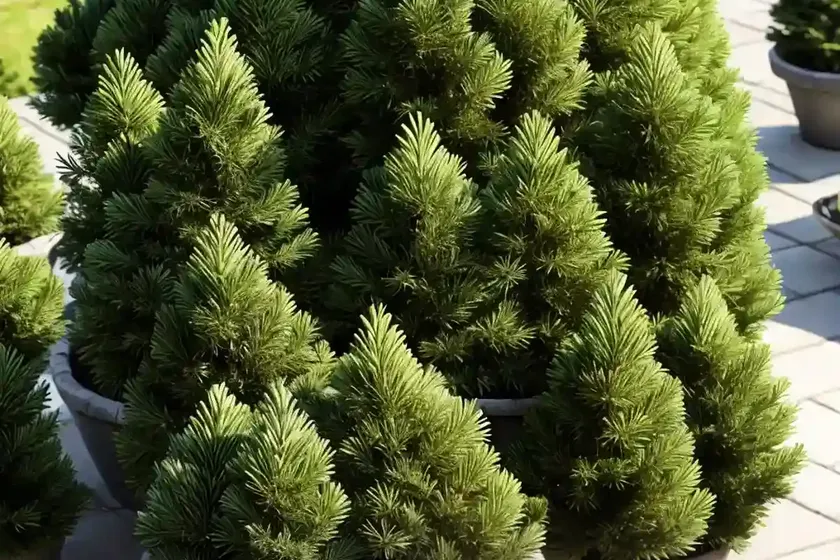
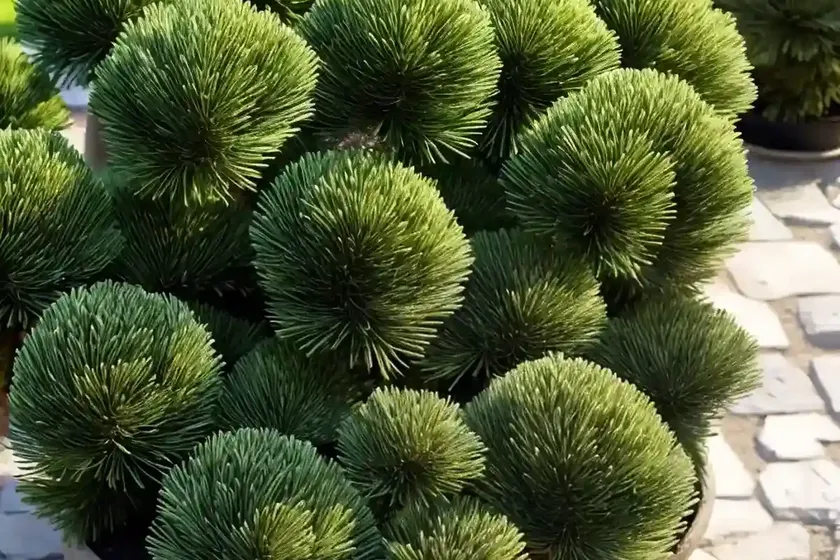
Yezo Spruce (Picea Jezoensis)

Yezo Spruce (Picea jezoensis): An In-Depth Guide

Yezo spruce (Picea jezoensis) is a captivating species known for its remarkable qualities and wide range of uses. As a plant scientist, I am excited to delve into the intricacies of this exceptional tree, exploring its cultural significance, uses, and vital characteristics. In this comprehensive guide, we will take an in-depth look at the Yezo spruce, also known as Picea jezoensis, covering its habitat, growth, care, and much more.

What is Yezo Spruce?

Yezo spruce, scientifically known as Picea jezoensis, is a species of spruce native to Japan, specifically Hokkaido and the Kuril Islands. It is also found in parts of northeastern China and eastern Russia. This slow-growing conifer is highly valued for its timber and is widely cultivated for ornamental and landscaping purposes.

Key Takeaways – Yezo Spruce (Picea jezoensis)

Before we delve deeper into the various aspects of Yezo spruce, let’s outline the key takeaways for quick reference:

  • Scientific Name: Picea jezoensis
  • Common Name: Yezo spruce
  • Habitat: Native to Japan, China, and Russia
  • Growth: Slow-growing conifer
  • Uses: Valued for timber, ornamental purposes, and landscaping

Now, let’s explore the intricate details of Yezo spruce, from its cultural significance to essential care tips for cultivation.

Culture

The cultural significance of Yezo spruce, particularly in Japan, is profound. It holds a special place in Japanese aesthetics and is often portrayed in traditional art forms such as bonsai and landscape paintings. The graceful appearance and resilient nature of the Yezo spruce make it an iconic symbol in Japanese culture, representing strength, longevity, and natural beauty.

Yezo Spruce in Japanese Culture

In Japan, the Yezo spruce has historical and cultural significance. It is revered for its elegant form and the sense of tranquility it evokes when incorporated into garden designs. The art of bonsai, which involves cultivating miniature trees, often features the Yezo spruce due to its ability to thrive in small containers while retaining its majestic appearance. The tree’s symbolism in Japanese culture extends to its presence in traditional gardens, where it contributes to the overall harmony and balance of the landscape.

Uses

The uses of Yezo spruce are diverse and encompass both practical and aesthetic applications. From timber production to ornamental landscaping, this versatile tree offers an array of benefits and contributions to various sectors.

Timber Production

One of the primary uses of Yezo spruce is in timber production. The wood of the Yezo spruce is valued for its strength, durability, and favorable working properties. It is used in construction, woodworking, and the production of paper and musical instruments. The straight grain and uniform texture of the wood make it highly sought after for a wide range of applications.

Ornamental and Landscaping Purposes

In addition to its commercial uses, Yezo spruce is prized for its ornamental qualities. In landscaping, it is often used to create focal points, provide screening, and enhance the overall aesthetic of gardens and public spaces. Its elegant form, rich green foliage, and adaptability to various soil types make it a popular choice for horticultural enthusiasts and landscape designers.

Bonsai Cultivation

The Yezo spruce is particularly well-suited for bonsai cultivation due to its graceful appearance and ability to thrive in confined spaces. As a bonsai specimen, it showcases the artistry of miniature tree cultivation and embodies the principles of harmony, balance, and natural beauty.

Water

Watering Requirements

Yezo spruce, like many coniferous trees, prefers moist, well-drained soil. When establishing a Yezo spruce in a garden or container, it is essential to monitor the moisture levels of the soil. Adequate watering, particularly during dry periods, is crucial to support the tree’s growth and health. While Yezo spruce has some tolerance for drought once established, consistent and moderate watering is recommended, especially in warmer climates.

Soil Moisture and Root Health

Optimal soil moisture is essential for maintaining the health of Yezo spruce roots. Overly wet or waterlogged conditions can lead to root rot and other detrimental issues. Conversely, prolonged drought or inadequate watering can stress the tree and compromise its vitality. Striking a balance in soil moisture levels is key to promoting healthy growth and resilience in Yezo spruce.

Sunlight

Sun Exposure

Yezo spruce thrives in partial to full sunlight. When selecting a planting site, it is important to consider the tree’s light requirements and ensure that it receives adequate sunlight throughout the day. In regions with intense or prolonged sunlight, providing some protection from the midday sun can prevent excessive stress on the tree and help maintain its vibrant foliage.

Foliage and Sunlight

The lush, evergreen foliage of the Yezo spruce benefits from ample sunlight, which supports photosynthesis and overall vigor. Proper exposure to sunlight contributes to the tree’s lush appearance, vibrant green needles, and robust growth. While the tree can tolerate some shade, optimal sunlight conditions generally result in the best overall health and appearance.

Fertilizer

Fertilization Guidelines

When it comes to fertilizing Yezo spruce, a balanced approach is key. While the tree is generally resilient and can thrive in relatively nutrient-poor soil, supplemental fertilization can support its growth and vitality, especially in urban or disturbed environments. A slow-release, balanced fertilizer applied in spring can provide essential nutrients without promoting excessive and rapid growth.

Nutrient Requirements

Yezo spruce benefits from a fertilizer with balanced N-P-K (nitrogen, phosphorus, and potassium) ratios to support overall health and foliage development. However, it is important to avoid over-fertilization, as excessive nutrients can lead to imbalanced growth, susceptibility to pests and diseases, and ecological disturbances in natural habitats.

Soil

Soil Composition

Yezo spruce thrives in well-drained, slightly acidic soil. The tree prefers soil with good moisture retention and aeration, allowing its roots to access essential nutrients without becoming waterlogged. Well-draining loam or sandy loam soils with a pH range of 5.5 to 6.5 are generally suitable for cultivating Yezo spruce.

Soil Amendments

When planting or caring for Yezo spruce, incorporating organic matter into the soil can enhance its structure and fertility. Compost, leaf mold, or aged bark can improve soil texture and moisture retention, providing an ideal environment for the tree’s root system to establish and flourish.

Pruning

Pruning Techniques

Pruning is an important aspect of Yezo spruce care, contributing to the tree’s form, structure, and overall health. Light pruning to remove dead, diseased, or damaged branches can promote air circulation and reduce the risk of pest infestations or fungal issues. Additionally, selective pruning can shape the tree and manage its size, particularly in landscaping and ornamental applications.

Timing and Frequency

Pruning should be conducted during the tree’s dormant season to minimize stress and promote efficient healing. While Yezo spruce generally requires minimal pruning, regular inspections to identify and address any pruning needs are recommended. By adopting a proactive approach to pruning, the tree’s natural form and vitality can be maintained effectively.

Propagation

Propagation Methods

Yezo spruce can be propagated through several methods, including seed propagation and vegetative propagation. Each approach offers unique advantages and considerations, allowing horticulturists and enthusiasts to cultivate new specimens and preserve the genetic diversity of the species.

Seed Propagation

Propagation from seeds allows for the genetic variation and diversity present in Yezo spruce populations to be perpetuated. Collecting seeds from mature cones, ensuring proper stratification, and providing optimal germination conditions can lead to the successful propagation of new seedlings.

Vegetative Propagation

Vegetative propagation methods such as grafting and cutting propagation enable the replication of specific traits and characteristics found in selected Yezo spruce specimens. These techniques are valuable for maintaining desirable genetic traits and producing uniform progeny with defined qualities.

Container Cultivation

Container Considerations

Cultivating Yezo spruce in containers offers flexibility and opportunities for urban and small-space gardening. Selecting a well-draining potting mix, providing adequate sunlight, and monitoring soil moisture are crucial factors in successful container cultivation. Additionally, selecting appropriate container sizes to accommodate the tree’s root system and growth potential is essential.

Growth and Care in Containers

While Yezo spruce is adaptable to container cultivation, regular attention to its watering, fertilization, and pruning requirements is necessary for optimal growth and longevity. Container-grown Yezo spruce specimens can thrive when provided with suitable growing conditions and thoughtful care.

Popularity

Horticultural and Landscape Use

Yezo spruce has gained popularity in horticulture and landscaping due to its attractive appearance, adaptability, and versatile uses. It is often selected for ornamental plantings, public gardens, and private landscapes, where it adds visual interest, texture, and year-round greenery to the surroundings.

Bonsai Enthusiasts

Bonsai enthusiasts and practitioners value Yezo spruce for its suitability as a bonsai specimen. The tree’s graceful form, compact size, and resilience make it a favored choice for creating captivating bonsai compositions that showcase the artistry of miniature tree cultivation.

Common Diseases

Needlecast Diseases

Yezo spruce is susceptible to needlecast diseases, which can affect the tree’s needles and overall vitality. Fungal pathogens such as Rhizosphaera kalkhoffii and Stigmina lautii are known to cause needlecast, resulting in needle discoloration, premature shedding, and potential defoliation if left untreated.

Prevention and Management

Practicing good cultural care, including proper watering, adequate spacing, and maintaining overall tree health, can help mitigate the impact of needlecast diseases. Additionally, timely applications of fungicidal treatments and proactive monitoring of the tree’s foliage can aid in disease prevention and management.

Disease Diagnosis

Symptoms and Identification

Diagnosing diseases in Yezo spruce involves careful observation of the tree’s foliage, branches, and overall vigor. Symptoms of needlecast diseases, such as browning or purpling of needles and visible fungal fruiting bodies, can aid in identifying the specific pathogens affecting the tree.

Professional Consultation

When faced with suspected diseases or health issues in Yezo spruce, consulting with a certified arborist, horticulturist, or plant pathologist can provide valuable insights and recommendations for accurate disease diagnosis and effective treatment strategies.

Common Pests

Aphid Infestations

Aphids are common pests that can affect Yezo spruce, particularly during periods of active growth. These small, sap-feeding insects can cause distorted growth, honeydew secretion, and sooty mold development, impacting the tree’s overall vigor and aesthetics.

Integrated Pest Management

Implementing integrated pest management (IPM) practices, such as biological controls, horticultural oils, and selective insecticidal treatments, can help manage aphid infestations while minimizing environmental impacts and preserving beneficial organisms.

Botanist’s Tips

Sustainable Planting Practices

When incorporating Yezo spruce into landscapes, embracing sustainable planting practices can enhance the tree’s long-term viability and ecological benefits. Selecting native plant companions, creating wildlife-friendly habitats, and considering the tree’s natural growth habits can support its integration into diverse ecosystems.

Genetic Diversity Preservation

Preserving the genetic diversity of Yezo spruce populations through seed collection, propagation, and conservation efforts is essential for maintaining the species’ resilience and adaptability in the face of environmental changes and ecological pressures.

Fun Facts

Here are some intriguing and lesser-known facts about Yezo spruce:

  • The Yezo spruce is a prized species for timber production, offering strong and durable wood properties.
  • In Japan, Yezo spruce is celebrated for its symbolism in traditional gardens and artistic expressions such as bonsai cultivation.
  • This slow-growing conifer can live for several centuries, showcasing its longevity and enduring qualities.
  • Yezo spruce supports diverse wildlife, providing habitats for birds, mammals, and insects in its natural range.

Links to External Resources

For further exploration and in-depth information on Yezo spruce, the following external resources are recommended:

  1. Royal Horticultural Society – Picea jezoensis
  2. USDA Forest Service – Picea jezoensis
  3. Missouri Botanical Garden – Picea jezoensis

In conclusion, Yezo spruce (Picea jezoensis) stands as a captivating and versatile species with a rich cultural heritage, practical uses, and ecological significance. From its revered status in Japanese culture to its valuable contributions in timber production and ornamental horticulture, the Yezo spruce commands admiration and respect. By understanding and appreciating the intricate details of this remarkable tree, we can cultivate a deeper connection to the natural world and contribute to its conservation and sustainable utilization. Whether as a symbol of resilience, a source of inspiration, or a beacon of biodiversity, the Yezo spruce continues to captivate and enrich the lives of people and ecosystems around the world.

As a plant scientist, it is both a privilege and a responsibility to share the wonders of Yezo spruce, and I hope this comprehensive guide serves as a source of inspiration and knowledge for fellow enthusiasts, horticulturists, and nature lovers alike. Let us continue to celebrate and safeguard the beauty and significance of the natural world, one tree at a time.