Plant Scientist’s Guide to Peony (Paeonia lactiflora ‘Waltz’)
Peonies are beloved garden plants for their charming and extravagant blooms, making them a popular choice for gardeners and florists alike. Among the many varieties, the Paeonia lactiflora ‘Waltz’ stands out with its stunning, fragrant flowers and graceful presence in the garden. In this comprehensive guide, we will delve into the essential aspects of peony care, cultivation, and uses, along with interesting insights, folklore, and tips from botanists. Whether you are a seasoned gardener or a novice enthusiast, this article will equip you with the knowledge to nurture and appreciate the beauty of the ‘Waltz’ peony.
What is a Peony?
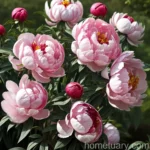
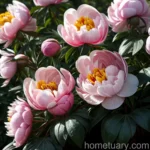
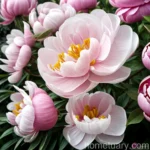
Peony, scientifically known as Paeonia lactiflora, belongs to the Paeoniaceae family and is a perennial flowering plant. The ‘Waltz’ variety is a specific cultivar renowned for its elegance and is a popular choice in gardens and floral arrangements. With its large, lush blooms and enticing fragrance, the ‘Waltz’ peony embodies grace and beauty, making it a coveted addition to any garden or floral display.
Peonies are native to Asia, Europe, and Western North America and have been cultivated for centuries for their ornamental and medicinal qualities. The plant features large, deeply lobed leaves and large, showy flowers that come in a variety of colors, including white, pink, red, and even yellow. The ‘Waltz’ peony, in particular, is cherished for its exquisite double white flowers and its ability to thrive in various climates, making it a sought-after choice for gardeners.
Key Takeaways – Peony (Paeonia lactiflora ‘Waltz’)
Before diving into the specifics of peony care and cultivation, let’s summarize the key takeaways about the ‘Waltz’ peony:
- Plant Name: Paeonia lactiflora ‘Waltz’
- Common Names: ‘Waltz’ peony, Chinese peony
- Botanical Classification: Kingdom: Plantae, Order: Saxifragales, Family: Paeoniaceae, Genus: Paeonia, Species: P. lactiflora
- Growing Zone: USDA Zones 3-8
- Bloom Season: Late spring to early summer
- Plant Type: Herbaceous perennial
- Flower Color: Double white, occasionally with hints of blush pink
- Fragrance: Sweet and alluring
- Uses: Garden ornamental, cut flower, medicinal purposes
- Special Features: Long-lived, low maintenance, deer-resistant
With these key points in mind, let’s explore the nuances of cultivating and caring for the ‘Waltz’ peony to ensure its optimal growth and blooming potential.
Culture
Cultivating the ‘Waltz’ peony involves creating an environment that mimics its natural habitat while providing the necessary care and attention for robust growth and prolific flowering. Understanding the plant’s cultural requirements is essential for its long-term health and overall appearance. Here are the vital cultural aspects to consider when nurturing your ‘Waltz’ peony:
Uses
Peonies, including the ‘Waltz’ variety, have multifaceted uses ranging from garden ornamentation to floral arrangements and even medicinal applications. Understanding the diverse uses of peonies can help enthusiasts and gardeners appreciate their versatility and significance in various contexts. Here are the primary uses of the ‘Waltz’ peony:
- Garden Ornamental: The ‘Waltz’ peony is prized for its striking appearance and enhances the aesthetic appeal of gardens and landscapes. Its large, fragrant blooms and lush foliage make it an ideal choice for borders, mixed perennial beds, or standalone focal points in the garden.
- Cut Flower: The lavish blooms of the ‘Waltz’ peony are popular in floral arrangements, adding elegance and charm to bouquets and centerpieces. Their longevity as cut flowers and captivating fragrance make them a favorite among florists and flower enthusiasts.
- Medicinal Purposes: In traditional medicine, peonies have been used for their potential medicinal properties. While scientific validation is ongoing, certain compounds in peonies are believed to possess anti-inflammatory, analgesic, and antispasmodic properties. However, it’s crucial to consult a healthcare professional before using peony-based remedies.
Understanding these diverse uses underscores the value and significance of the ‘Waltz’ peony in horticulture and beyond.
Water
Proper watering is essential for the optimal growth and blooming of the ‘Waltz’ peony. While the plant is relatively drought-tolerant once established, consistent moisture is crucial, especially during its active growth and blooming phases. Here are important watering considerations for the ‘Waltz’ peony:
- Establishment: Newly planted peonies, including the ‘Waltz’ variety, require regular watering to help them establish strong root systems. Provide sufficient moisture, keeping the soil consistently moist but not waterlogged.
- Active Growth Phase: During the plant’s active growth in spring and early summer, ensure that it receives approximately 1 inch of water per week, either through rainfall or supplemental irrigation. Water deeply to encourage deep root development.
- Bloom Period: Adequate moisture is vital during the bloom period to support the development of the large, showy flowers. Consider mulching around the base of the plant to retain soil moisture and prevent water evaporation.
Monitoring and adjusting the watering regimen based on the plant’s growth stage and environmental conditions will promote the health and vitality of the ‘Waltz’ peony.
Sunlight
Peonies, including the ‘Waltz’ variety, thrive in well-lit environments and are known for their preference for full sun. Adequate sunlight is crucial for robust growth, abundant flowering, and overall plant vigor. Consider the following sunlight guidelines for optimal peony cultivation:
- Sun Exposure: Plant the ‘Waltz’ peony in a location that receives at least 6-8 hours of direct sunlight daily. Exposure to full sun promotes sturdy stems, lush foliage, and profuse flowering.
- Site Selection: Choose a site with ample sunlight and well-drained soil for planting the ‘Waltz’ peony. Avoid locations with excessive shade, as it can result in reduced flowering and potentially weakened growth.
Providing the ‘Waltz’ peony with the appropriate sunlight exposure is crucial for its overall performance and floral display.
Fertilizer
Appropriate fertilization is integral to supporting the growth, flowering, and long-term health of the ‘Waltz’ peony. By providing essential nutrients, gardeners can help the plant thrive and produce stunning blooms year after year. Here are key considerations for fertilizing the ‘Waltz’ peony:
- Timing: Apply fertilizer in early spring as new growth emerges, using a balanced, slow-release fertilizer formulated for flowering perennials. Avoid excessive nitrogen, as it can lead to lush foliage at the expense of blooming.
- Application Rate: Follow the manufacturer’s recommendations regarding the application rate for the selected fertilizer. Typically, a light application of fertilizer around the plant’s dripline is sufficient.
- Additional Feedings: If the ‘Waltz’ peony displays signs of nutrient deficiency, such as yellowing leaves or diminished flowering, consider a supplemental feeding of balanced fertilizer in early summer.
Balanced fertilization supports the ‘Waltz’ peony’s nutritional needs, fostering strong growth and abundant flowering.
Soil
The soil composition plays a decisive role in the growth, development, and overall health of the ‘Waltz’ peony. Understanding the preferred soil conditions and making necessary amendments can contribute to the plant’s vigor and flowering performance. Consider the following soil requirements for cultivating the ‘Waltz’ peony:
- Well-Drained Soil: Peonies, including the ‘Waltz’ variety, thrive in well-drained, fertile soil that prevents waterlogging. Avoid heavy clay soils or water-retentive substrates to mitigate the risk of root rot and other moisture-related issues.
- Soil pH: Aim for a slightly acidic to neutral soil pH range of 6.5-7.5 for optimal peony growth. Conduct a soil test to assess the pH and make adjustments using organic amendments if necessary.
- Soil Preparation: Prior to planting, ensure the soil is loose, well-aerated, and enriched with organic matter such as compost or well-rotted manure. These amendments improve soil structure, fertility, and moisture retention.
By addressing the specific soil requirements, gardeners can create an ideal growing environment for the ‘Waltz’ peony, nurturing its thriving presence in the garden.
Pruning
Pruning is an essential practice for maintaining the health, shape, and flowering potential of the ‘Waltz’ peony. With proper pruning techniques, gardeners can encourage strong stem development, prevent disease, and prolong the plant’s blooming period. Consider the following pruning guidelines for the ‘Waltz’ peony:
- Spring Maintenance: In early spring, remove any dead or damaged stems and foliage from the previous growing season. Cut back the old stems to ground level using clean, sharp pruners to promote fresh growth.
- Flower Stems: Once the ‘Waltz’ peony has finished blooming, deadhead the faded flowers by snipping them off just beneath the flower head. This encourages the plant to channel its energy into vegetative growth and root development.
- Fall Cleanup: After the first frost in fall, it’s advisable to cut back the peony foliage to ground level to eliminate potential overwintering sites for pests and diseases.
Prudent pruning practices support the ‘Waltz’ peony’s overall vigor and contribute to its picturesque appearance throughout the growing season.
Propagation
The propagation of peonies, including the ‘Waltz’ variety, allows gardeners to expand their plant collection or share these exquisite flowers with fellow enthusiasts. While peony propagation can be achieved through various methods, division and seeding are the primary approaches. Here’s an overview of the key propagation methods for the ‘Waltz’ peony:
- Division: Dividing mature peony clumps every 3-4 years in early fall is a reliable method for propagating the ‘Waltz’ peony. Carefully lift the entire plant, divide the clump into sections, ensuring each division has healthy roots and viable buds, and replant the divisions at the appropriate depth.
- Seeding: Growing peonies from seeds is a longer process but can yield unique cultivars. Collect ripe peony seeds in late summer, sow them in seed trays filled with well-draining soil, and provide a cold stratification period to trigger germination.
By understanding and implementing effective propagation techniques, gardeners can propagate the captivating beauty of the ‘Waltz’ peony and share their love for these enchanting flowers.
Container Popularity
While peonies are commonly grown in garden beds, the ‘Waltz’ variety can also thrive in containers, offering flexibility in garden design and space utilization. Container gardening with peonies presents unique opportunities for showcasing these stunning flowers and creates mobile ornamental displays. Consider the following factors when growing the ‘Waltz’ peony in containers:
- Container Selection: Choose a large, sturdy container with ample drainage holes to accommodate the peony’s robust root system. Ensure the container is at least 12-18 inches deep and wide to provide sufficient space for growth.
- Potting Mix: Use a well-draining, fertile potting mix with added organic matter to promote healthy root development and moisture retention. Avoid heavy garden soil, as it can lead to drainage issues in containers.
- Watering and Maintenance: Container-grown peonies may require more frequent watering, especially during hot weather. Monitor the soil moisture and adjust the watering frequency based on environmental conditions.
- Overwintering: In colder climates, protect container-grown peonies from freezing temperatures by insulating the containers or overwintering them in a sheltered location.
Container gardening enables enthusiasts to enjoy the beauty of the ‘Waltz’ peony in various settings, from patios and balconies to urban landscapes, adding a touch of elegance and charm to confined spaces.
Common Diseases
As with many garden plants, peonies, including the ‘Waltz’ variety, are susceptible to certain diseases that can impact their overall health and blooming potential. Recognizing the common diseases and adopting preventive measures can help safeguard the plants from infection. Here are some prevalent diseases that affect peonies:
- Botrytis Blight (Gray Mold): This fungal disease can cause grayish mold to form on peony tissues, particularly in wet, humid conditions. Ensure good air circulation, avoid overhead watering, and remove and destroy infected plant parts to prevent the spread of the disease.
- Powdery Mildew: Characterized by white powdery patches on foliage, powdery mildew can affect peonies, especially in crowded or shaded conditions. Provide ample sunlight, space plants properly, and consider fungicidal treatments if the disease persists.
- Root Rot: Excessive soil moisture or poorly drained soil can lead to root rot in peonies, causing yellowing, wilting, and eventual decline. Improve soil drainage, avoid overwatering, and replant affected specimens in well-drained soil.
Vigilant monitoring, proper cultural practices, and timely intervention can mitigate the impact of these diseases and promote the resilience of the ‘Waltz’ peony.
Disease Diagnosis
Diagnosing diseases in peonies, including the ‘Waltz’ variety, requires careful observation of the plant’s symptoms and an understanding of the common disease profiles. Here are key steps for diagnosing peony diseases:
- Symptom Recognition: Observe the plant for signs of discolored or distorted foliage, abnormal growth patterns, or unusual spots or mold on the leaves and stems.
- Environmental Assessment: Evaluate the environmental conditions, including light exposure, moisture levels, and air circulation, which can influence disease development.
- Professional Consultation: If uncertain about the disease diagnosis or treatment, seek guidance from local horticultural extension services, plant clinics, or experienced gardeners for accurate identification and management recommendations.
Timely and accurate disease diagnosis is pivotal in implementing effective control measures and preserving the health and beauty of the ‘Waltz’ peony.
Common Pests
Peonies, including the ‘Waltz’ variety, can fall prey to various pests that can compromise their growth and flowering capacity. Identifying common pests and implementing targeted control strategies can help protect the plants from infestations. Here are some prevalent pests that afflict peonies:
- Nematodes: These microscopic roundworms can parasitize peony roots, causing stunted growth and poor overall vigor. Select nematode-resistant cultivars and maintain soil health to discourage nematode activity.
- Botrytis (Gray Mold) Mites: These tiny arachnids can contribute to the spread of botrytis blight in peonies. Ensure proper air circulation, remove affected plant material, and consider horticultural oil or insecticidal treatments as needed.
- Peony Borer: The larvae of the peony borer can bore into peony stems, leading to wilting and dieback. Monitor the plants for signs of infestation and prune out and destroy affected stems to mitigate the spread of the pest.
By staying vigilant and promptly addressing pest pressures, gardeners can safeguard the beauty and resilience of the ‘Waltz’ peony in the garden.
Botanist’s Tips
Drawing on the expertise of botanists, researchers, and horticultural professionals provides valuable insights into the optimal care and appreciation of the ‘Waltz’ peony. Here are some notable tips from botanists for cultivating and enjoying these exquisite flowers:
- Divide and Conquer: Regular division of peony clumps not only facilitates propagation but also rejuvenates the plants, promoting vigorous growth and abundant flowering.
- Mulching Matters: Applying a layer of organic mulch around the base of peonies helps conserve soil moisture, suppress weeds, and insulate the roots during temperature fluctuations.
- Winter Protection: In regions with severe winters, providing a layer of protective mulch or a frost cover over the peony crowns can shield them from frost heaving and temperature extremes.
- Integrated Pest Management: Employing a holistic approach to pest management, including beneficial insect habitat creation and natural predator encouragement, can help maintain ecological balance in the garden.
By incorporating these expert tips into their peony cultivation practices, enthusiasts can optimize the health and beauty of the ‘Waltz’ peony while contributing to sustainable gardening practices.
Fun Facts
Peonies, with their rich history, cultural symbolism, and captivating allure, are replete with intriguing and delightful facts. Exploring these fun facts adds depth and enchantment to the experience of growing and enjoying the ‘Waltz’ peony:
- Regal Roots: The peony has been revered in Chinese culture for over 2,000 years and was designated as the country’s national flower, symbolizing prosperity, honor, and a blooming spring.
- Mythological Origins: In Greek mythology, the peony is associated with Paeon, a healer whose medical skills earned him the envy of his teacher, Asclepius, leading him to be transformed into the beautiful peony flower by Zeus to protect him from his mentor’s wrath.
- Herbal Heritage: Traditionally, peonies have been used in herbal medicine, with various parts of the plant believed to possess medicinal properties, including relieving pain, calming spasms, and treating fevers.
- Growing Endurance: Some peony varieties, including the ‘Waltz’ peony, can live for over a century, with mature plants boasting substantial root systems and sizable, resilient crowns that contribute to their longevity.
Discovering these captivating aspects of peonies enriches the appreciation for the ‘Waltz’ variety and its historical, cultural, and botanical significance.
Links to External Resources
To further expand your knowledge and appreciation of the ‘Waltz’ peony, explore the following external resources for additional insights, cultivation tips, and visual inspiration:
- American Peony Society – https://www.americanpeonysociety.org/
- The Royal Horticultural Society – https://www.rhs.org.uk/
- Missouri Botanical Garden – http://www.missouribotanicalgarden.org/
- Peonies and More – https://www.peoniesandmore.com/
- Better Homes & Gardens – https://www.bhg.com/
These reputable sources offer a wealth of information, expert advice, and stunning visual references to deepen your understanding and passion for the ‘Waltz’ peony.
In conclusion, the ‘Waltz’ peony, with its resplendent blooms and enduring allure, holds a cherished place in gardens, floral arrangements, and horticultural traditions. By embracing the principles of peony care, cultivating the plant under optimal conditions, and drawing from the expertise of botanists