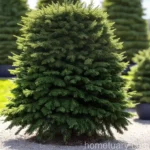
Norway Spruce (Picea abies ‘Weeping Blue’): A Comprehensive Guide
Norway spruce, scientifically known as Picea abies ‘Weeping Blue,’ is a remarkable evergreen tree that captivates with its elegant weeping branches and striking blue-green needles. This fascinating cultivar, which belongs to the Pinaceae family, has garnered significant popularity among horticulturists, landscapers, and gardening enthusiasts due to its unique aesthetic appeal and impressive growth habits.
In this in-depth guide, we will explore the various facets of the Norway spruce (Picea abies ‘Weeping Blue’), including its cultural requirements, uses, maintenance, common diseases, and much more. Whether you are considering adding this stunning tree to your landscape or are already an admirer of its beauty, this comprehensive overview will provide valuable insights into the world of Norway spruces and how to care for the distinctive ‘Weeping Blue’ variety.
What is Plant: Norway Spruce (Picea abies ‘Weeping Blue’)?
The Norway spruce (Picea abies ‘Weeping Blue’) is a striking evergreen tree that boasts an elegant weeping growth habit and alluring blue-green needles, making it a coveted ornamental plant in various landscaping settings. As a cultivar of Picea abies, it retains the species’ characteristic conical form while exhibiting unique weeping branches that cascade gracefully, lending an enchanting beauty to any garden or green space.
Key Takeaways – Norway Spruce (Picea abies ‘Weeping Blue’)
Before delving into the specific details of the Norway spruce (Picea abies ‘Weeping Blue’), here are some key takeaways that will guide our exploration of this captivating plant:
- Scientific Name: Picea abies ‘Weeping Blue’
- Family: Pinaceae
- Common Names: Norway spruce, Weeping Blue spruce
- Distinctive Characteristics: Weeping growth habit, blue-green needles
- Uses: Ornamental landscaping, garden focal point
- Cultural Requirements: Adequate water, sunlight, well-drained soil
- Maintenance: Pruning, fertilization, disease and pest control
Now, let’s delve into each aspect of the Norway spruce (Picea abies ‘Weeping Blue’) in detail.
Culture
Understanding the cultural requirements of the Norway spruce (Picea abies ‘Weeping Blue’) is essential for nurturing its health and vitality. From adequate watering to suitable soil conditions, the cultural aspects play a vital role in ensuring the optimal growth and development of this captivating tree.
Water
Water is a critical factor in the care of Norway spruces, as they require consistent and sufficient moisture to thrive. However, it’s important to strike a balance, as these trees are susceptible to root diseases in waterlogged or poorly-drained soils. As a general guideline, providing deep, thorough watering, especially during dry periods, can promote healthy root development and overall vigor.
Sunlight
Norway spruces, including the ‘Weeping Blue’ variety, thrive in locations with ample sunlight. While they can tolerate partial shade, full sun exposure is ideal for ensuring robust growth and vibrant foliage coloration. When selecting a site for planting the Norway spruce, consider a location that receives at least 6 hours of direct sunlight per day for optimal results.
Fertilizer
Fertilization plays a crucial role in supporting the growth and overall health of the Norway spruce (Picea abies ‘Weeping Blue’). Applying a balanced, slow-release fertilizer specifically formulated for evergreen trees in early spring can provide the essential nutrients to support vigorous growth and lush foliage. It is important to follow the manufacturer’s recommendations regarding application rates and timing to avoid over-fertilization, which can be detrimental to the tree’s health.
Soil
Norway spruces, including the ‘Weeping Blue’ cultivar, thrive in well-drained, slightly acidic soils with good fertility. Loamy or sandy loam soils with a pH range of 5.5 to 6.5 are generally conducive to their growth. Prior to planting, it is beneficial to amend the soil with organic matter to improve its structure and nutrient content, promoting a favorable environment for root establishment and development.
Pruning
Pruning is an integral aspect of maintaining the desired form and structure of the Norway spruce (Picea abies ‘Weeping Blue’). Proper pruning practices not only enhance the tree’s aesthetic appeal but also promote air circulation and sunlight penetration, reducing the risk of disease and pest infestations.
Pruning Techniques
When pruning the ‘Weeping Blue’ spruce, it is essential to adhere to best pruning practices to avoid causing stress or damage to the tree. To maintain its graceful weeping form, selective trimming of wayward or crossing branches can help achieve the desired visual effect while preserving the natural charm of the tree.
Pruning Frequency
Aim to conduct pruning activities during the tree’s dormant season in late winter or early spring to minimize the impact on its growth and minimize sap loss. Regular inspection of the tree’s canopy can help identify any dead, diseased, or damaged branches that warrant removal, ensuring the overall health and vigor of the Norway spruce.
Propagation
The propagation of Norway spruce (Picea abies ‘Weeping Blue’) can be achieved through various methods, including seed propagation and vegetative propagation techniques such as cuttings or grafting. Each approach offers unique advantages and considerations for successfully propagating this captivating cultivar.
Seed Propagation
While seeds can be used to propagate Norway spruce, including the ‘Weeping Blue’ variety, this method requires patience and a longer timeframe to realize mature, ornamental trees. Collecting ripe cones in the fall and extracting the seeds for subsequent sowing in a suitable germination medium can initiate the propagation process.
Vegetative Propagation
Vegetative propagation methods, such as softwood or hardwood cuttings, provide a more efficient means of cloning the desirable traits of the ‘Weeping Blue’ spruce. Grafting onto rootstock of the common Norway spruce (Picea abies) can also yield uniform, high-quality specimens that retain the distinctive weeping form and unique blue-green foliage.
Container Popularity
The ‘Weeping Blue’ spruce is well-suited for container cultivation, offering a captivating accent for patios, decks, or small urban spaces. Its graceful weeping branches and striking foliage make it an attractive addition to container gardens, providing a touch of elegance and evergreen charm.
Container Uses
In containers, the ‘Weeping Blue’ spruce serves as a versatile ornamental element, whether as a standalone focal point or as part of a mixed planting arrangement. Its compact size and weeping form lend themselves well to container cultivation, allowing for creative display options on balconies, terraces, or other confined spaces.
Common Diseases
Like many ornamental trees, the Norway spruce (Picea abies ‘Weeping Blue’) is susceptible to certain diseases that can impact its health and vitality. Being aware of these potential issues and their associated symptoms is crucial for implementing effective disease management strategies and preserving the tree’s well-being.
Disease Diagnosis
Common diseases that can affect Norway spruces, including the ‘Weeping Blue’ variety, include:
-
Needle Cast Diseases: Caused by fungal pathogens, needle cast diseases can result in the discoloration and premature shedding of needles, affecting the tree’s overall appearance and vigor. Prompt identification and appropriate fungicidal treatments can help mitigate the impact of these diseases.
-
Canker Diseases: Canker-causing fungi can lead to the development of sunken, discolored lesions on the tree’s trunk or branches, compromising their structural integrity and potentially causing dieback. Pruning affected areas and promoting overall tree vigor through cultural practices can aid in managing canker diseases.
-
Root Rot: Prolonged waterlogged conditions can create an environment conducive to root rot pathogens, leading to the decline of the tree’s health and vitality. Improving soil drainage and implementing appropriate watering practices are essential for preventing and managing root rot.
Disease Resistance
Selecting disease-resistant cultivars, such as the ‘Weeping Blue’ spruce, can provide an added layer of protection against common pathogens. Additionally, maintaining optimal cultural conditions, such as proper watering and fertilization, can bolster the tree’s overall resilience to diseases, contributing to its long-term health and vigor.
Common Pests
In addition to diseases, Norway spruces, including the ‘Weeping Blue’ cultivar, are susceptible to certain insect pests that can potentially impact their growth and aesthetic appeal. Recognizing these pests and implementing suitable pest control measures is essential for preserving the tree’s ornamental value.
Pest Identification
Notable insect pests that can affect Norway spruces include:
-
Spruce Spider Mites: These tiny arachnids can cause stippling and discoloration of the foliage, leading to a weakened appearance of the tree. Regular monitoring and targeted miticidal treatments can help manage spruce spider mite infestations effectively.
-
Adelgids: Adelgid infestations can lead to the development of cottony or woolly masses on the spruce’s branches, impacting its aesthetic appeal and overall vigor. Implementing appropriate insecticidal measures can mitigate the impact of adelgid infestations on the tree.
-
Spruce Gall Aphids: These aphids can induce the formation of abnormal growths, or galls, on spruce branches, affecting the tree’s overall appearance and vitality. Pruning and applying effective insecticidal treatments can aid in managing spruce gall aphids and minimizing their impact.
Pest Management
Implementing integrated pest management (IPM) practices that encompass cultural, biological, and chemical control methods can help effectively manage pest infestations while minimizing environmental impact. Regularly monitoring the tree for pest activity and promptly addressing any issues can contribute to its long-term health and resilience.
Botanist’s Tips
As a botanist specializing in ornamental trees and horticulture, here are some valuable tips for enthusiasts and gardeners interested in cultivating the captivating Norway spruce (Picea abies ‘Weeping Blue’):
-
Selecting the Right Site: When choosing a location for planting the ‘Weeping Blue’ spruce, consider factors such as soil drainage, sun exposure, and sufficient space to accommodate its mature size, ensuring an environment conducive to its long-term health and aesthetic appeal.
-
Pruning with Precision: Exercise caution when pruning the weeping branches of the ‘Weeping Blue’ spruce to maintain its elegant form and overall symmetry. Selective pruning and careful shaping can accentuate the tree’s natural grace while preserving its visual allure.
-
Consistent Care: Maintain consistent cultural practices, including regular watering, appropriate fertilization, and vigilant pest and disease monitoring, to support the overall vigor and resilience of the ‘Weeping Blue’ spruce, promoting its health and vitality over time.
Fun Facts
Exploring the world of the Norway spruce (Picea abies ‘Weeping Blue’) unveils intriguing insights and fun facts that highlight the unique appeal and captivating characteristics of this remarkable cultivar:
-
Ornamental Allure: The weeping growth habit and striking blue-green foliage of the ‘Weeping Blue’ spruce make it a sought-after feature in landscapes and gardens, adding a touch of elegance and enchantment to the surroundings.
-
Historical Significance: The Norway spruce (Picea abies), the species from which the ‘Weeping Blue’ cultivar hails, holds historical significance as the traditional Christmas tree in various European countries, symbolizing renewal and prosperity.
-
Diverse Landscape Applications: From formal garden settings to naturalized woodland landscapes, the ‘Weeping Blue’ spruce offers versatile applications, serving as a focal point, specimen tree, or part of mixed evergreen plantings, showcasing its adaptability and ornamental value.
Links to External Resources
For further insights and resources on the Norway spruce (Picea abies ‘Weeping Blue’) and related topics, explore the following external links:
Conclusion
The Norway spruce (Picea abies ‘Weeping Blue’) stands as a captivating exemplar of ornamental conifers, captivating with its weeping form, striking blue-green needles, and versatile applications in various landscapes and garden settings. By understanding and implementing the recommended cultural practices, pest and disease management strategies, and maintenance techniques, enthusiasts and horticulturists can unlock the full potential of this remarkable cultivar, enhancing the beauty and allure of their green spaces. From its historical significance to its ornamental appeal, the ‘Weeping Blue’ spruce continues to enchant and inspire, earning its place as a cherished addition to gardens and landscapes around the world.
By adopting a holistic approach to exploring the Norway spruce (Picea abies ‘Weeping Blue’), this comprehensive guide covers its cultural requirements, maintenance practices, common diseases and pests, propagation techniques, and insightful tips. Whether you are a gardening aficionado, landscape designer, or botany enthusiast, the rich insights presented within this guide aim to deepen your appreciation for the captivating allure of the ‘Weeping Blue’ spruce and its enduring charm in the world of ornamental trees.