All About Pomegranate (Punica granatum RED RUSSIAN)
Introduction
Pomegranate, scientifically known as Punica granatum, is a fruit-bearing deciduous shrub that belongs to the family Lythraceae. It has been cultivated since ancient times for its unique flavor, medicinal properties, and ornamental value. Among the various cultivars of pomegranate, the Red Russian variety stands out for its exceptional characteristics and uses. In this comprehensive guide, we will delve into the world of pomegranate, with a specific focus on the Red Russian variety. From cultivation and care to harvesting and culinary uses, this article will offer valuable insights for both amateur gardeners and seasoned horticulturists.
What is Pomegranate (Punica granatum RED RUSSIAN)?
Description
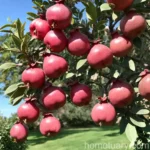
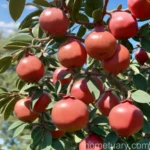
The Red Russian pomegranate (Punica granatum RED RUSSIAN) is renowned for its vibrant and delicious fruit, which often makes it a highly sought-after cultivar. The plant typically features deep red, spherical fruits, and an overall attractive appearance that adds ornamental value to gardens and landscapes. With its ability to thrive in diverse climates and soil types, the Red Russian pomegranate has garnered significant attention from both commercial growers and home gardeners.
Key Takeaways – Pomegranate (Punica granatum RED RUSSIAN)
Before delving deeper into the intricacies of cultivating and caring for the Red Russian pomegranate, let’s outline the key takeaways:
- Pomegranate Health Benefits: Pomegranates are rich in antioxidants and have been associated with various health benefits, including improved heart health and potential anticancer properties.
- Cultivation Tips: The cultivation of Punica granatum, particularly the Red Russian variety, requires attention to specific factors such as water, sunlight, soil, and fertilizer.
- Red Russian Pomegranate Variety: The Red Russian cultivar is known for its unique fruit characteristics, including flavor, color, and size, making it a standout choice for orchards and gardens.
- Pomegranate Plant Care: Proper care and maintenance are crucial for ensuring the healthy growth of pomegranate trees and the optimal development of fruits.
- Nutritional Value: Pomegranates are not only delicious but also packed with essential nutrients, making them a valuable addition to a balanced diet.
Now, let’s delve into the various aspects of cultivating and caring for the Red Russian pomegranate, covering culture, uses, water requirements, sunlight preferences, fertilizer needs, soil considerations, pruning techniques, propagation methods, container cultivation, common diseases, pest management, and insightful tips from botanists.
Culture
Cultivating pomegranates, including the Red Russian variety, requires an understanding of the specific cultural practices that promote healthy growth and fruitful harvests. From planting to ongoing maintenance, here’s a detailed look at the cultural aspects of cultivating Red Russian pomegranates.
Uses
Before delving into the technical details of cultivation, it’s important to appreciate the diverse uses of pomegranates, especially the Red Russian variety:
- Culinary Uses: Pomegranate seeds, known as arils, are a popular addition to salads, desserts, and various dishes, adding a delightful burst of flavor and texture.
- Medicinal Applications: Pomegranates have a rich history of medicinal use, with potential health benefits attributed to their high antioxidant content.
- Ornamental Value: Beyond their culinary and medicinal uses, pomegranate plants, with their vibrant fruits and attractive flowers, serve as ornamental additions to gardens and landscapes.
Water
Proper irrigation is essential for the healthy growth and fruit development of pomegranate trees. While pomegranates are known for their ability to withstand dry conditions, they still require adequate water to thrive.
Watering Requirements
- Young Trees: Newly planted pomegranate trees should be watered regularly, especially during their initial establishment phase. Provide sufficient water to keep the root zone consistently moist but not waterlogged.
- Mature Trees: Once established, pomegranate trees demonstrate a degree of drought tolerance. However, regular watering, particularly during dry spells, is essential for promoting healthy fruit development.
Sunlight
Pomegranate trees thrive in full sun and require ample sunlight to produce quality fruit. Adequate exposure to sunlight promotes robust growth and ensures optimal fruit ripening.
Sunlight Preferences
- Full Sun: Pomegranate trees should ideally receive at least 6-8 hours of direct sunlight daily. Planting them in a location with unobstructed sun exposure is paramount for maximizing fruit production and overall vigor.
Fertilizer
Proper fertilization is crucial for supplying essential nutrients to pomegranate trees, promoting vigorous growth, and enhancing fruit quality. Understanding the specific fertilizer requirements of pomegranates is key to achieving optimal results.
Fertilization Guidelines
- Nitrogen: Pomegranate trees benefit from an annual application of balanced fertilizer with a higher nitrogen content in the spring to support vegetative growth.
- Phosphorus and Potassium: Phosphorus and potassium are essential for flowering, fruit development, and overall plant health. Consider using a fertilizer with a higher phosphorus and potassium content during the growing season.
- Organic Matter: Incorporating organic matter, such as well-rotted manure or compost, into the soil around pomegranate trees can contribute to long-term soil fertility and nutrient availability.
Soil
The soil composition and quality significantly impact the growth, productivity, and overall health of pomegranate trees. Understanding the ideal soil conditions for pomegranates, including the Red Russian variety, is vital for successful cultivation.
Soil Requirements
- Well-Drained Soil: Pomegranates thrive in well-drained soil with good aeration. Avoid waterlogged or poorly drained soil, as excessive moisture can lead to root rot and other issues.
- pH Level: Pomegranates prefer slightly acidic to neutral soil, with a pH range of 5.5 to 7.2 being optimal for good nutrient uptake and overall plant health.
- Soil Amendments: Incorporating organic matter and balanced fertilizers into the soil can improve its structure, nutrient content, and overall suitability for pomegranate cultivation.
Pruning
Pruning plays a pivotal role in shaping the growth habits of pomegranate trees, promoting fruit production, and maintaining overall plant health. Proper pruning techniques are essential for ensuring the longevity and productivity of pomegranate trees, including the Red Russian variety.
Pruning Techniques
- Formative Pruning: Young pomegranate trees benefit from formative pruning to establish a well-balanced and open structure, which facilitates sunlight penetration and air circulation.
- Maintenance Pruning: Periodic maintenance pruning helps manage the size of pomegranate trees, remove dead or diseased branches, and promote the growth of new fruiting wood.
Propagation
While pomegranates can be propagated from seeds, vegetative propagation methods such as cuttings or grafting are often preferred for maintaining desirable fruit characteristics and genetic traits.
Propagation Methods
- Cuttings: Softwood or hardwood cuttings can be used to propagate pomegranates. Softwood cuttings are taken from young, actively growing shoots, while hardwood cuttings are obtained from mature, dormant wood.
- Grafting: Grafting onto suitable rootstock allows for the propagation of pomegranate cultivars, such as the Red Russian variety, while imparting desirable traits such as disease resistance and vigor.
Container Cultivation
The Red Russian pomegranate, like many pomegranate varieties, can be cultivated in containers, making it a versatile choice for urban gardens, patios, and small spaces.
Container Requirements
- Size: Choose a sufficiently large container to accommodate the growth of the pomegranate tree, providing ample space for root development and stability.
- Drainage: Ensure that the container has adequate drainage holes to prevent waterlogging, as excess moisture can be detrimental to pomegranate trees.
- Potting Mix: Use a well-draining potting mix with good nutrient retention to support the growth of pomegranates in containers.
Popularity
The Red Russian pomegranate, with its distinctive fruit characteristics and adaptability, has gained popularity among growers and consumers alike. Its unique flavor, vibrant appearance, and potential health benefits contribute to its appeal and widespread cultivation.
Common Diseases
Like all plants, pomegranates, including the Red Russian variety, are susceptible to certain diseases that can impact their growth and fruit production. Understanding common pomegranate diseases and their management is essential for maintaining healthy trees.
Disease Diagnosis
- Bacterial Blight: Characterized by water-soaked lesions on leaves, stems, and fruits, bacterial blight can cause significant damage if left unmanaged.
- Fungal Diseases: Various fungal pathogens can affect pomegranates, leading to issues such as fruit rot, leaf spots, and powdery mildew.
- Viral Diseases: While less common, viral diseases can impact pomegranates, resulting in symptoms such as mosaic patterns on leaves and stunted growth.
Common Pests
Several pests pose a threat to pomegranate trees, potentially causing damage to the foliage, fruits, and overall plant vigor. Identifying and managing common pomegranate pests is crucial for preserving the health and productivity of the trees.
Pest Management
- Aphids: These small, sap-sucking insects can infest pomegranate trees, causing curling of leaves and the secretion of honeydew, which promotes the growth of sooty mold.
- Whiteflies: Whiteflies can cause damage by feeding on the sap of pomegranate leaves, leading to yellowing, wilting, and reduced photosynthetic activity.
- Fruit Borers: Larvae of certain moths can infest pomegranate fruits, causing damage and reducing fruit quality. Monitoring and early intervention are crucial for managing fruit borers.
Botanist’s Tips
Drawing from the expertise of botanists and horticulturists, here are some valuable tips for cultivating, caring for, and maximizing the potential of Red Russian pomegranate trees:
- Pruning: Implement proper pruning practices to maintain an open canopy, remove dead wood, and encourage fruiting wood growth.
- Pollination: While pomegranates are self-pollinating, providing pollinators such as bees can enhance fruit set and yield.
- Disease Prevention: Proactively monitor for signs of diseases and pests, and implement cultural and, if necessary, chemical controls to mitigate potential issues.
Fun Facts
To round out our exploration of the Red Russian pomegranate, here are some intriguing and fun facts about this captivating fruit:
- The word “pomegranate” is derived from Latin and means “seeded apple,” reflecting the abundance of seeds in its arils.
- Pomegranates have a rich symbolic and cultural significance, representing fertility, abundance, and prosperity in various traditions.
- Pomegranate juice is not only delicious but also a popular ingredient in cocktails, marinades, and sauces, adding a sweet-tart flavor to culinary creations.
Links to External Resources
For further information on pomegranate cultivation, care, and culinary uses, explore the following external resources:
- Pomegranate Production Guide – University of California
- Growing Pomegranates in Containers – Texas A&M University
- Pomegranate: A Review of Recent Research Advances – Frontiers in Plant Science
In conclusion, the Red Russian pomegranate, a remarkable cultivar of Punica granatum, offers a wealth of opportunities for enthusiasts of horticulture, culinary arts, and natural health. By understanding and implementing the appropriate cultural practices, from water and sunlight requirements to proper pruning and pest management, growers can enjoy the beauty and bounty of this exceptional fruit. Whether grown in expansive orchards or in compact containers, the allure of the Red Russian pomegranate continues to captivate and inspire.
By harnessing the knowledge shared in this comprehensive guide, individuals can embark on a rewarding journey of cultivating and savoring the delights of Red Russian pomegranates, embracing a tradition that spans centuries and transcends boundaries.
Remember, the journey of nurturing a pomegranate tree is not just about the fruit it bears—but also about the lessons it imparts, the beauty it exudes, and the joy it brings to those who embrace its presence.