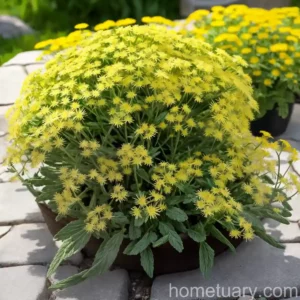
The Magnificent Black-Eyed Susan (Rudbeckia hirta): A Complete Guide
The Black-Eyed Susan, scientifically known as Rudbeckia hirta, is a stunning and resilient flowering plant that captivates with its vibrant yellow petals and dark brown centers. This native North American wildflower is cherished by gardeners and plant enthusiasts for its striking beauty, adaptability, and ecological value. In this comprehensive guide, we will delve deep into the world of Rudbeckia hirta, exploring its culture, uses, care requirements, propagation, common diseases and pests, along with expert tips and fun facts to help you cultivate and appreciate this remarkable plant.
What is the Black-Eyed Susan (Rudbeckia hirta)?
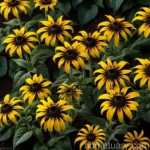
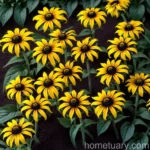
Rudbeckia hirta is a member of the Asteraceae family and is commonly referred to as the Black-Eyed Susan. This herbaceous perennial is known for its daisy-like flowers, featuring bright yellow or orange petals with a distinct dark brown or black center, giving it the appearance of a “black eye.” The plant typically reaches heights of 1 to 3 feet and blooms from early summer to fall, attracting pollinators with its nectar-rich flowers.
Black-Eyed Susan is native to North America and is found in a variety of habitats, including meadows, prairies, and along roadsides. Its resilience and adaptability have made it a popular choice for gardeners seeking low-maintenance and visually appealing plants that contribute to wildlife conservation.
Key Takeaways – Black-Eyed Susan (Rudbeckia hirta)
Before we dive into the detailed aspects of cultivating and caring for Rudbeckia hirta, let’s summarize some of the key takeaways about this incredible plant:
- Scientific Name: Rudbeckia hirta
- Common Name: Black-Eyed Susan
- Plant Type: Herbaceous perennial, often grown as an annual
- Flower Characteristics: Daisy-like yellow or orange petals with a dark brown or black center
- Cultural Importance: Attracts pollinators, low-maintenance, and adds vibrant color to gardens
- Ecological Value: Provides nectar for bees, butterflies, and other pollinators
- Native Range: North America
- Growth Habit: Upright, clump-forming, and bushy
Now that we have an overview of Rudbeckia hirta, let’s explore the essential aspects of its culture, uses, and growing requirements in more detail.
Culture
Cultivating Rudbeckia hirta successfully involves understanding its specific cultural needs, including water, sunlight, soil, and fertilizer requirements. Let’s explore these aspects in detail:
Water
Black-Eyed Susan is remarkably adaptable to different soil moisture levels, making it suitable for a wide range of garden settings. However, it thrives best in well-drained soils and prefers regular watering, especially during dry spells. A key consideration is to avoid overwatering, as Rudbeckia hirta is susceptible to root rot in waterlogged conditions.
Sunlight
This resilient plant is renowned for its ability to thrive in various light conditions. It performs best in full sun, where it can receive at least 6 to 8 hours of direct sunlight daily. However, it can also tolerate partial shade, although this may result in reduced flowering and slightly taller, leggier growth. Therefore, when selecting a planting location, prioritize areas with ample sunlight to encourage robust growth and profuse flowering.
Fertilizer
Black-Eyed Susan is not overly demanding regarding fertilization. In nutrient-rich soils, it often thrives without the need for additional fertilizers. However, if growing it in less fertile soils, a balanced, all-purpose fertilizer applied in early spring can promote healthy growth and abundant blooms. Be sure to follow the fertilizer manufacturer’s recommended application rates and guidelines to avoid overfeeding the plant.
Soil
Black-Eyed Susan exhibits remarkable adaptability to various soil types, including loamy, sandy, or clay soils. It prefers well-draining soil and benefits from organic matter amendments, such as compost, to enhance soil structure and fertility. A slightly acidic to neutral pH range of 5.5 to 7.0 is ideal for optimal growth and flowering.
Uses
Ornamental Value
Black-Eyed Susan is highly prized for its ornamental value, adding vibrant splashes of color to gardens, landscapes, and naturalistic plantings. Its cheerful, daisy-like flowers are a striking addition to borders, meadows, and pollinator gardens. Due to its tolerance of varying soil and light conditions, it is a versatile plant for both novice and experienced gardeners.
Wildlife Attraction
Beyond its aesthetic appeal, Rudbeckia hirta plays a crucial role in attracting and supporting wildlife. The nectar-rich blooms of Black-Eyed Susan serve as an essential food source for bees, butterflies, and other pollinators, contributing to the health and biodiversity of garden ecosystems. Additionally, the plant’s seeds are favored by birds, further enhancing its ecological significance.
Cut Flowers
The long-lasting blooms of Rudbeckia hirta make it a popular choice for cut flower arrangements. Its striking appearance and ability to retain color and form for an extended period elevate the visual appeal of floral displays. When used in floral arrangements, Black-Eyed Susan adds a touch of natural, rustic charm to indoor spaces and floral designs.
Maintenance
Pruning
One of the low-maintenance aspects of Rudbeckia hirta is its minimal pruning requirements. Deadheading spent flowers throughout the blooming season not only maintains a tidy appearance but also encourages continued flowering. By removing faded blooms, the plant directs its energy into producing new flowers, prolonging the overall blooming period.
Propagation
Rudbeckia hirta can be propagated through various methods, including division, seed sowing, and stem cuttings. Division of mature clumps is a common approach to create new plants, typically performed in early spring or early fall. Collecting and sowing seeds in prepared seedbeds or containers indoors in late winter can yield numerous seedlings for subsequent transplanting. Additionally, stem cuttings taken from healthy, non-flowering shoots can be rooted to produce new plants.
Container Popularity
The adaptability and striking visual appeal of Rudbeckia hirta have made it a popular choice for container gardening. Its upright growth habit and vibrant blooms offer an attractive focal point for patio containers, mixed planters, and urban landscapes. When selecting containers for Black-Eyed Susan, prioritize large, well-draining pots to accommodate the plant’s mature size and provide ample room for root development.
Common Diseases and Pests
Disease Diagnosis
Despite its overall resilience, Rudbeckia hirta is susceptible to certain diseases and pests that can affect its health and appearance. Common diseases that may afflict Black-Eyed Susan include:
- Powdery Mildew: A fungal disease that presents as a powdery, white coating on the leaves and stems.
- Septoria Leaf Spot: Characterized by small, dark spots with a lighter center that form on the foliage, often leading to leaf yellowing and defoliation.
- Root Rot: Caused by overly wet, poorly drained soil, leading to root decay and plant decline.
In the event of disease symptoms, it is essential to promptly diagnose the issue and initiate appropriate management strategies to prevent further spread and mitigate the impact on the plant’s health.
Common Pests
Several pests may target Rudbeckia hirta and impact its growth and flowering. These include:
- Aphids: Small, sap-sucking insects that congregate on tender growth, potentially leading to distorted leaves and reduced plant vigor.
- Japanese Beetles: These voracious feeders can skeletonize foliage and reduce the plant’s aesthetic appeal.
- Spider Mites: These tiny arachnids can cause stippling and yellowing of leaves, leading to reduced photosynthetic capacity.
Concerning pest management, regular monitoring, good cultural practices, such as adequate spacing and air circulation, and, if necessary, the targeted application of horticultural oils or insecticidal soaps can help mitigate pest pressures and maintain the health of Rudbeckia hirta.
Botanist’s Tips
Growing Tips
To ensure successful cultivation of Rudbeckia hirta, consider the following expert tips:
- Plant in well-drained soil: Ensure the planting site offers good drainage to prevent waterlogging, which can compromise the plant’s health.
- Provide ample sunlight: Aim to plant Black-Eyed Susan in locations that receive at least 6 to 8 hours of direct sunlight daily for optimal flowering.
- Practice regular deadheading: Remove faded flowers to encourage continuous blooming and maintain a neat appearance.
- Monitor for pests and diseases: Regularly inspect the plant for signs of pest infestations or disease symptoms, taking prompt action as needed to address these issues.
Fun Facts
- State Flower: Rudbeckia hirta holds the distinction of being the state flower of Maryland.
- Ecological Significance: The nectar-rich flowers of Black-Eyed Susan are highly attractive to valuable pollinators, contributing to the ecological balance of garden ecosystems.
- Winter Interest: Even after its flowers have faded, the seed heads of Rudbeckia hirta can provide visual interest in winter landscapes and serve as a food source for birds.
Conclusion
The remarkable beauty, low-maintenance nature, and ecological significance of Rudbeckia hirta make it a valuable addition to gardens, landscapes, and naturalistic plantings. Its resilience, adaptability, and visual appeal have captured the hearts of gardeners and wildlife enthusiasts alike, solidifying its status as a beloved North American wildflower. By understanding its culture, uses, care requirements, and ecological value, gardeners can fully appreciate the splendor of Black-Eyed Susan and contribute to the conservation of pollinators and biodiversity in their local ecosystems.
References
- University of Maryland Extension. “Black-Eyed Susan.” https://extension.umd.edu/hgic/topics/black-eyed-susan
- National Garden Bureau. “Year of the Rudbeckia.” https://ngb.org/2019/06/04/year-of-the-rudbeckia/
- University of Florida IFAS Extension. “Rudbeckia spp. Black-Eyed Susan.” https://gardeningsolutions.ifas.ufl.edu/plants/ornamentals/rudbeckia.html
- The United States National Arboretum. “Rudbeckia hirta.” https://www.usna.usda.gov/education/media/conservation-plants/rudbeckia-hirta
- Royal Horticultural Society. “Rudbeckia.” https://www.rhs.org.uk/plants/48755/i-rudbeckia-i-hirta/details