Black-Eyed Susan (Rudbeckia fulgida var. sullivantii): A Comprehensive Guide to Cultivation, Care, and Maintenance
Introduction
Black-eyed Susan (Rudbeckia fulgida var. sullivantii) is a stunning, resilient, and versatile perennial plant that belongs to the Asteraceae family. With its brightly colored daisy-like blossoms adorned with black or brown centers, it adds cheer and vibrancy to any garden or landscape. This comprehensive guide aims to delve into the intricacies of cultivating, caring for, and maintaining this captivating plant, providing insights, tips, and recommendations for enthusiasts and horticulturists.
What is Black-Eyed Susan (Rudbeckia fulgida var. sullivantii)?
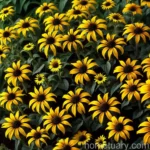
Black-eyed Susan (Rudbeckia fulgida var. sullivantii) is a herbaceous perennial native to North America. It is renowned for its abundant, golden-yellow flowers that bloom profusely from mid-summer through to fall, making it a popular choice for adding color and visual appeal to gardens, meadows, and natural landscapes. Its botanical name, Rudbeckia, pays homage to the Swedish botanist Olof Rudbeck, and “fulgida” is derived from the Latin word for “shiny,” acknowledging the plant’s radiant blossoms. The varietal name “sullivantii” commemorates botanist William Starling Sullivant, who made significant contributions to American botany in the 19th century.
Key Takeaways
Let’s summarize some key takeaways regarding black-eyed Susan (Rudbeckia fulgida var. sullivantii):
- Scientific Name: Rudbeckia fulgida var. sullivantii
- Plant Type: Herbaceous perennial
- Flower Color: Golden-yellow with dark brown or black centers
- Native Habitat: North America
- Bloom Period: Mid-summer to fall
- Family: Asteraceae
Cultivation
Soil
Black-eyed Susan thrives in well-drained, fertile soil with a slightly acidic to neutral pH. Ideally, the soil should be enriched with organic matter to ensure optimal growth and flowering. A loamy soil type is recommended, as it offers good drainage while retaining essential moisture for the plant’s root system.
Water
During the initial establishment phase, regular watering is crucial to facilitate robust root development. Once the plant is established, it exhibits good drought tolerance and generally requires minimal supplemental watering, relying on natural rainfall to meet its moisture needs.
Sunlight
For prolific flowering and overall health, black-eyed Susan demands plenty of sunlight. A minimum of 6-8 hours of direct sunlight per day is essential for vigorous growth and abundant blossoming. In regions with exceptionally hot climates, providing some afternoon shade can help prevent the plant from becoming stressed.
Uses
The black-eyed Susan (Rudbeckia fulgida var. sullivantii) boasts multiple uses and applications, such as:
- Ornamental Purposes: It is widely cultivated for its stunning and long-lasting display of golden-yellow flowers, making it a popular choice for ornamental gardens, borders, and naturalized landscapes.
- Wildlife Attraction: The nectar-rich blossoms of black-eyed Susan attract various pollinators, including bees, butterflies, and birds, contributing to the ecological diversity of the garden.
- Cut Flower Arrangements: The bright and cheerful blooms of black-eyed Susan make it an excellent addition to cut flower arrangements and floral displays, bringing a touch of natural beauty indoors.
Fertilizer
Applying a balanced, slow-release fertilizer in early spring can support the growth and blooming capacity of black-eyed Susan. It is advisable to choose a fertilizer with a higher concentration of phosphorus to promote robust flowering. However, avoid excessive fertilization, as it can lead to lush foliage at the expense of prolific blooming.
Pruning
Regular deadheading, which involves the removal of spent flowers, can prolong the blooming period of black-eyed Susan. Additionally, pruning the plant in early spring to remove any damaged or dead foliage encourages new growth and ensures a tidy and compact appearance.
Propagation
Black-eyed Susan can be propagated through several methods, including division, seeds, and stem cuttings. Here are some techniques for propagating black-eyed Susan:
- Division: Divide mature plants in early spring or fall, ensuring that each division has a healthy portion of roots and shoots.
- Seeds: Collect seeds from mature black-eyed Susan plants and sow them directly in the garden or in seed-starting trays. Ensure the seeds are covered lightly with soil and maintain consistent moisture until germination occurs.
- Stem Cuttings: Take 4-6 inch stem cuttings from healthy plants, remove the lower leaves, and place them in a well-draining potting medium. Keep the cuttings consistently moist and provide indirect light until they establish roots.
Container Popularity
Growing black-eyed Susan in containers is gaining popularity among gardeners and urban dwellers, allowing them to enjoy the beauty of this perennial even in limited garden spaces. Selecting a large container with adequate drainage holes and using a well-draining potting mix is essential for successful container cultivation.
Common Diseases
Black-eyed Susan is generally resistant to most diseases, standing out as a hardy and low-maintenance plant. However, it may occasionally encounter the following diseases:
- Powdery Mildew: This fungal disease manifests as a white, powdery coating on the foliage, typically occurring in humid conditions. Improving air circulation and avoiding overhead watering can help prevent powdery mildew.
- Leaf Spot: Leaf spot diseases often result in the development of dark spots on the foliage. To mitigate leaf spot, remove and destroy affected leaves to prevent the spread of the disease.
Disease Diagnosis
When diagnosing potential diseases affecting black-eyed Susan, it is essential to closely inspect the foliage and blooms for any signs of discoloration, lesions, or abnormal growth. Additionally, monitoring environmental conditions, such as humidity levels and watering practices, can provide valuable clues about the potential causes of disease outbreaks.
Common Pests
Although black-eyed Susan is relatively resistant to pests, it may occasionally encounter certain insect adversaries, including:
- Aphids: These small, sap-sucking insects can cluster on tender shoots and flower buds, causing distortion and stunted growth. Regularly inspect the plant for aphid infestations and use a strong jet of water or insecticidal soap to manage their populations.
- Japanese Beetles: These voracious pests can skeletonize the foliage of black-eyed Susan, compromising its aesthetic appeal. Handpick adult beetles and consider using pheromone traps to control their numbers in the garden.
Botanist’s Tips
Gardening enthusiasts and botanists alike can benefit from the following tips to ensure the successful cultivation and care of black-eyed Susan:
- Pollinator Support: By incorporating black-eyed Susan in the garden, one can attract an array of pollinators, contributing to the ecological balance and beauty of the outdoor space.
- Drought Tolerance: The innate resilience and drought tolerance of black-eyed Susan make it an excellent choice for water-wise landscapes and regions prone to dry spells.
- Companion Planting: Pairing black-eyed Susan with complementary flowering plants can elevate the visual appeal of the garden and create a harmonious and diverse planting scheme.
Fun Facts
- Black-eyed Susan is the state flower of Maryland and is widely associated with the fields, meadows, and roadsides of North America.
- The distinctive dark central cone of the flower is filled with tiny florets that serve as a source of nectar for pollinators.
- Black-eyed Susan is often used in native plant and wildflower gardens to enhance biodiversity and support local wildlife.
Links to External Resources
To further enrich your knowledge and understanding of black-eyed Susan (Rudbeckia fulgida var. sullivantii), consider exploring the following external resources:
- The National Gardening Association – Rudbeckia fulgida var. sullivantii
- Missouri Botanical Garden – Black-Eyed Susan
- University of Florida IFAS Extension – Rudbeckia fulgida var. sullivantii Culture Guide
In conclusion, black-eyed Susan (Rudbeckia fulgida var. sullivantii) stands out as a captivating and resilient perennial, adding a touch of vibrant sunshine to gardens, landscapes, and natural habitats. Its low-maintenance nature, coupled with its ornamental and ecological contributions, renders it a cherished favorite among gardeners and nature enthusiasts. By adhering to the recommended cultivation practices and understanding its unique characteristics, one can cultivate and enjoy the beauty of this iconic plant extensively.
Keywords: Black-eyed Susan care, Rudbeckia fulgida var. sullivantii, Growing black-eyed Susan, Rudbeckia fulgida var. sullivantii care tips, Black-eyed Susan varieties, How to plant Rudbeckia fulgida var. sullivantii, Black-eyed Susan flower, Rudbeckia fulgida var. sullivantii characteristics, Black-eyed Susan plant care guide, Rudbeckia fulgida var. sullivantii planting tips, Black-eyed Susan perennial, Rudbeckia fulgida var. sullivantii maintenance, Black-eyed Susan companion plants, Rudbeckia fulgida var. sullivantii diseases, Black-eyed Susan seeds, Rudbeckia fulgida var. sullivantii pests, Black-eyed Susan sun requirements, Rudbeckia fulgida var. sullivantii watering needs, Black-eyed Susan soil requirements, Rudbeckia fulgida var. sullivantii propagation methods, Black-eyed Susan pruning tips, Rudbeckia fulgida var. sullivantii blooming period, Black-eyed Susan growth habits, Rudbeckia fulgida var. sullivantii hardiness, Black-eyed Susan container gardening, Rudbeckia fulgida var. sullivantii landscape uses, Black-eyed Susan winter care, Rudbeckia fulgida var. sullivantii wildlife attraction, Black-eyed Susan natural habitats, Rudbeckia fulgida var. sullivantii garden design, Black-eyed Susan planting season, Rudbeckia fulgida var. sullivantii herbal uses, Black-eyed Susan pruning techniques, Rudbeckia fulgida var. sullivantii unique traits, Black-eyed Susan propagation methods, Rudbeckia fulgida var. sullivantii medicinal properties, Black-eyed Susan pollinator plant, Rudbeckia fulgida var. sullivantii deer resistance, Black-eyed Susan companion flowers, Rudbeckia fulgida var. sullivantii drought tolerance, Black-eyed Susan flower arrangements, Rudbeckia fulgida var. sullivantii landscaping ideas, Black-eyed Susan border plant, Rudbeckia fulgida var. sullivantii naturalizing techniques, Black-eyed Susan seedling care, Rudbeckia fulgida var. sullivantii seed germination, Black-eyed Susan spring maintenance, Rudbeckia fulgida var. sullivantii summer care, Black-eyed Susan fall pruning, Rudbeckia fulgida var. sullivantii pollinator support