The Fascinating World of Black-eyed Susan (Rudbeckia hirta ‘Irish Spring’)
The world of plants encompasses an incredible diversity of species, each with its own unique characteristics and significance. In this article, we delve into the captivating realm of the black-eyed Susan (Rudbeckia hirta ‘Irish Spring’), a native plant also known for its resilience and stunning visual appeal.
What is Black-eyed Susan?
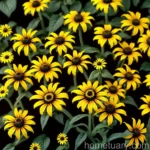
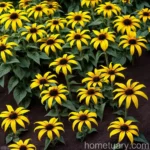
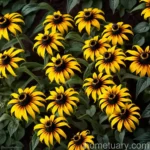
The black-eyed Susan, or Rudbeckia hirta ‘Irish Spring’, is a perennial flowering plant that belongs to the Asteraceae family. This plant species is native to North America, where it thrives in various habitats, including meadows, prairies, and along roadsides. With its vibrant yellow petals and distinctive dark center, the black-eyed Susan is a popular choice among gardeners and landscaping enthusiasts.
Key Takeaways – Black-eyed Susan (Rudbeckia hirta ‘Irish Spring’)
- Black-eyed Susan flowers are native to North America and are known for their vibrant yellow petals and dark centers, making them a stunning addition to gardens and natural landscapes.
- Rudbeckia hirta ‘Irish Spring’ is a sun-loving, drought-tolerant, and low-maintenance plant, making it an excellent choice for gardens and landscapes.
- These perennial flowers attract pollinators such as bees and butterflies, contributing to the biodiversity of the surrounding ecosystem.
Culture
The culture of black-eyed Susan encompasses its preferred environmental conditions, overall growth habits, and cultural significance. Understanding the plant’s culture is essential for ensuring its successful cultivation and maintenance.
Uses
Black-eyed Susan holds significance in various contexts, including:
- Garden Landscaping: Black-eyed Susan is commonly used in garden landscaping due to its vibrant blooms and ability to attract pollinators, adding visual appeal and ecological value to the surrounding space.
- Wildflower Meadows: In natural settings, black-eyed Susan contributes to the biodiversity of wildflower meadows, providing nectar and pollen to support numerous insect species and wildlife.
- Medicinal Purposes: Some traditional herbal remedies incorporate black-eyed Susan for its potential medicinal properties, although caution should be exercised in using any plant for medicinal purposes without appropriate expertise.
Water
Black-eyed Susan exhibits resilience in the face of drought and generally prefers well-draining soil. However, regular watering is crucial during the plant’s establishment period and during prolonged dry spells to ensure healthy growth and prolific blooming.
Sunlight
This plant thrives in full sunlight, requiring a minimum of 6-8 hours of direct sunlight per day to support optimal growth and abundant flowering. Insufficient sunlight may lead to stunted growth and reduced flowering.
Fertilizer
Black-eyed Susan tends to thrive in moderately fertile soils and generally does not require excessive fertilization. However, applying a balanced, slow-release fertilizer in early spring can support healthy growth and blooming.
Soil
The preferred soil for black-eyed Susan is well-draining and loamy, providing adequate moisture retention while preventing waterlogging. A soil pH ranging from slightly acidic to slightly alkaline (6.0-7.5) is suitable for this plant.
Pruning
Pruning black-eyed Susan involves deadheading spent flowers to encourage continuous blooming and to prevent the plant from self-seeding excessively. Additionally, pruning can help maintain a tidy appearance and promote airflow around the plant, reducing the risk of disease.
Propagation
Black-eyed Susan can be propagated through division or by collecting and sowing the seeds. Division is typically carried out in early spring or fall, while seed collection and sowing are best done in the fall to allow for natural stratification before germination.
Container Popularity
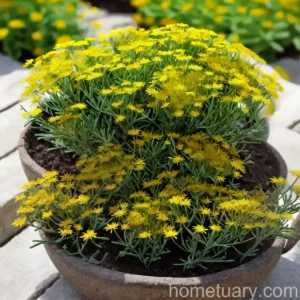
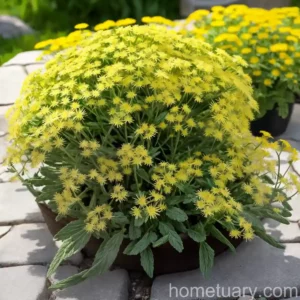
Due to its striking visual appeal and manageable growth habit, black-eyed Susan is popular for container gardening, adding a vibrant touch to patios, balconies, and small outdoor spaces. This plant’s ability to attract pollinators also makes it a valuable addition to container gardens.
Common Diseases
Like many plants, black-eyed Susan is susceptible to certain diseases, including:
- Powdery Mildew: Fungal disease that appears as a white, powdery coating on the leaves, often caused by high humidity and poor air circulation.
- Septoria Leaf Spot: Fungal infection characterized by dark spots with light centers on the plant’s leaves, potentially leading to leaf wilting and defoliation.
Disease Diagnosis
Early detection and diagnosis of diseases are vital for effective management. Regular monitoring of the plant for signs of discoloration, spotting, or unusual growth patterns can aid in timely intervention and disease control measures.
Common Pests
Black-eyed Susan may face challenges from pests such as:
- Aphids: Small, sap-sucking insects that can cause leaf distortion and the secretion of sticky honeydew, leading to secondary fungal issues.
- Japanese Beetles: These beetles can skeletonize the leaves of black-eyed Susan, causing significant damage to the plant if left unaddressed.
Botanist’s Tips
- Companion Planting: Pair black-eyed Susan with companion plants that complement its growth habits and environmental requirements, such as coneflowers, bee balm, and ornamental grasses, to create visually appealing and ecologically beneficial garden spaces.
- Mulching: Applying a layer of organic mulch around the base of black-eyed Susan can help conserve moisture, suppress weed growth, and regulate soil temperature, promoting overall plant health.
Fun Facts
- The name “black-eyed Susan” is thought to have originated from an English poem by John Gay, where a character named Susan was described as having “black eyes” – likely referencing the dark center of the flower.
- Black-eyed Susan has become a symbol of encouragement and motivation due to its vibrant, resilient nature, often used in floral arrangements and gifts with positive connotations.
Links to External Resources
Conclusion
The black-eyed Susan, with its striking yellow blooms and ecological significance, continues to capture the admiration of gardeners, nature enthusiasts, and conservationists. Whether adorning garden landscapes, contributing to wildflower meadows, or supporting local wildlife, this plant exemplifies the beauty and resilience of native species. Understanding its cultural preferences and maintenance requirements allows for the successful integration of this stunning perennial into diverse horticultural and ecological settings.
Embracing the essence of native plants and their vital role in supporting biodiversity and sustainable landscapes, the black-eyed Susan stands as a beacon of inspiration, inviting us to appreciate and nurture the natural world around us.
As we continue to explore the world of plants, each species serves as a testament to the intricate tapestry of nature, offering lessons in resilience, beauty, and coexistence in the ever-changing ecosystem of our planet.