A Comprehensive Guide to Black-Eyed Susan (Rudbeckia ‘Glitters Like Gold’)
What is Black-Eyed Susan (Rudbeckia ‘Glitters Like Gold’)?
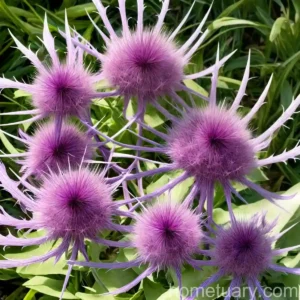
Black-eyed Susan, scientifically known as Rudbeckia ‘Glitters Like Gold’, is a beautiful perennial plant that belongs to the Asteraceae family. It is a cultivar of the classic black-eyed Susan (Rudbeckia hirta) and is renowned for its stunning golden-yellow flowers that have a distinct dark central cone. This cultivar is a popular choice among gardeners and landscapers due to its vibrant and long-lasting blooms.
Key Takeaways – Black-Eyed Susan (Rudbeckia ‘Glitters Like Gold’)
Before delving into the detailed care and cultivation of the black-eyed Susan, let’s quickly highlight the key takeaways that will be covered in this guide:
- Culture
- Uses
- Water
- Sunlight
- Fertilizer
- Soil
- Pruning
- Propagation
- Container Popularity
- Common Diseases
- Common Pests
- Botanist’s Tips
- Fun Facts
- Links to External Resources
Now, let’s explore each of these aspects in detail to understand how to effectively care for and cultivate this stunning plant.
Culture
Uses
Black-eyed Susan (Rudbeckia ‘Glitters Like Gold’) has a versatile range of uses, some of which include:
- Garden Borders: It can be used to add a pop of color to garden borders, creating a vibrant and cheerful ambiance.
- Cut Flowers: The long, sturdy stems of the black-eyed Susan make it a wonderful choice for cut flower arrangements, adding a touch of elegance to any space.
- Pollinator Gardens: The nectar-rich flowers attract pollinators like bees and butterflies, making it a valuable addition to pollinator gardens.
- Landscaping: Due to its striking appearance and low maintenance requirements, it is often used in landscaping to enhance the visual appeal of outdoor spaces.
Water
Proper watering is essential for the health and vitality of the black-eyed Susan. Here are some key considerations for watering this plant:
- Watering Frequency: Black-eyed Susan plants generally require regular watering, especially during the dry, hot summer months. However, they are relatively drought-tolerant once established, making them a resilient option for gardens.
- Soil Moisture: Ensure that the soil is well-draining to prevent waterlogging, which can lead to root rot. However, the soil should retain sufficient moisture to support healthy growth.
- Morning Watering: Watering the plants in the morning allows excess moisture to evaporate during the day, reducing the risk of fungal diseases.
Sunlight
Black-eyed Susans thrive in full sunlight, making them an ideal choice for sun-drenched garden spots. Here’s what you need to know about sunlight requirements for these plants:
- Sun Exposure: They require at least 6 to 8 hours of direct sunlight per day to bloom abundantly and maintain strong, compact growth.
- Shade Tolerance: While they prefer full sun, they can tolerate some light shade, especially in regions with intense summer heat.
Fertilizer
Applying a balanced fertilizer can help enhance the health and blooming of black-eyed Susan plants. Consider the following tips for fertilizing these vibrant perennials:
- Fertilizer Type: Use a complete, balanced fertilizer with equal N-P-K (nitrogen, phosphorus, and potassium) proportions or a slightly higher phosphorus content to promote prolific flowering.
- Application Timing: Fertilize the plants in early spring as new growth emerges, and then again in mid-summer to support continuous blooming.
- Avoid Over-fertilization: Over-fertilization can lead to excessive foliage growth at the expense of flowers. Follow the recommended dosage on the fertilizer packaging for best results.
Soil
Black-eyed Susans are adaptable when it comes to soil conditions, but they do have some preferences that can contribute to their overall health and vitality:
- Well-Draining Soil: They thrive in well-draining, loamy soil that prevents water from stagnating around the roots.
- Soil pH: They prefer slightly acidic to slightly alkaline soil with a pH range of 5.5 to 7.0. Conduct a soil test to determine the pH of the planting area and make amendments if necessary.
Pruning
Pruning these plants is essential for maintaining their shape, promoting continuous flowering, and preventing overcrowding. Follow these pruning tips to ensure the optimal development and longevity of your black-eyed Susan plants:
- Deadheading: Regularly deadhead the faded flowers to encourage the production of new blooms and prevent self-seeding, which can lead to overcrowding.
- Cutting Back: In late fall or early spring, cut back the plants to a few inches above the ground to remove old growth and promote vigorous regrowth.
Propagation
Black-eyed Susan plants can be propagated through various methods, including division and seed propagation:
- Division: Divide mature plants in early spring or early fall by digging up the root ball and separating it into sections, each containing both roots and shoots.
- Seed Propagation: Collect seeds from the flower heads in late summer and sow them in prepared seed beds or containers for germination.
Container Popularity
The vibrant and compact nature of black-eyed Susan plants make them well-suited for container gardening. Consider the following tips for growing them in containers:
- Container Selection: Choose a medium to large-sized container that provides ample space for root development and has drainage holes to prevent waterlogging.
- Well-Draining Soil: Use a high-quality potting mix that offers excellent drainage to ensure healthy growth in the container environment.
Common Diseases
While black-eyed Susan plants are relatively resistant to diseases, they can occasionally face challenges such as:
- Powdery Mildew: This fungal disease can affect the foliage, leading to a powdery white covering. To prevent it, ensure good air circulation around the plants and avoid overhead watering.
- Septoria Leaf Spot: Characterized by brown spots with gray centers on the leaves, this fungal disease can be managed through proper sanitation and targeted fungicidal treatments.
Common Pests
Black-eyed Susan plants are generally resilient against most pests, but they can still encounter some common pests which include:
- Aphids: These tiny, sap-sucking insects can be managed through the use of natural predators or by spraying the plants with a strong stream of water to dislodge them.
- Spider Mites: These pests can cause stippling and webbing on the leaves. Regularly misting the plants or using horticultural oils can help control their populations.
Botanist’s Tips
Here are some insightful tips from botanists to help you successfully cultivate and care for black-eyed Susan plants:
- Dividing Clumps: Regularly divide mature clumps of black-eyed Susans every 3 to 4 years to rejuvenate the plants and maintain their vigor.
- Companion Planting: Consider companion planting with species that share similar growing conditions and complement the vibrant blooms of black-eyed Susans, such as coneflowers (Echinacea), ornamental grasses, and coreopsis.
Fun Facts
To further enrich your understanding and appreciation of the black-eyed Susan (Rudbeckia ‘Glitters Like Gold’), here are some fascinating and fun facts about this delightful plant:
- Native American Use: Some Native American tribes historically used black-eyed Susan plants for medicinal purposes, including treating ailments such as colds and flu.
- State Flower: The black-eyed Susan holds the honor of being the state flower of Maryland, USA, adding to its cultural significance and symbolism.
- Wildlife Attraction: The nectar-rich flowers of black-eyed Susan plants attract a wide range of pollinators, including bees, butterflies, and other beneficial insects.
Given the versatility and aesthetic appeal of black-eyed Susan (Rudbeckia ‘Glitters Like Gold’), it is undoubtedly a delightful plant to incorporate into gardens, landscapes, and container arrangements. By following the guidelines and tips outlined in this comprehensive guide, you can confidently nurture and enjoy the beauty of these remarkable plants in your outdoor spaces.
The diverse information and tips provided in this guide are intended to help both novice and experienced gardeners successfully cultivate and care for black-eyed Susan (Rudbeckia ‘Glitters Like Gold’). By understanding its specific requirements and growth habits, you can create thriving displays of these radiant flowers, enhancing the allure of your garden and outdoor environments.
For further information and additional resources on growing and caring for black-eyed Susan (Rudbeckia ‘Glitters Like Gold’), consider exploring the following external links:
- North Carolina State University Extension Gardener Plant Toolbox
- Missouri Botanical Garden – Rudbeckia ‘Glitters Like Gold’
- The Royal Horticultural Society (RHS) – Rudbeckia
By referring to reputable sources and leveraging the insights gathered from experienced horticulturists and botanical institutions, you can further enrich your knowledge and practical skills in cultivating black-eyed Susan (Rudbeckia ‘Glitters Like Gold’) with confidence and success.