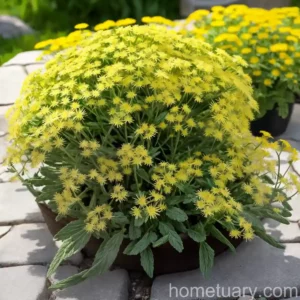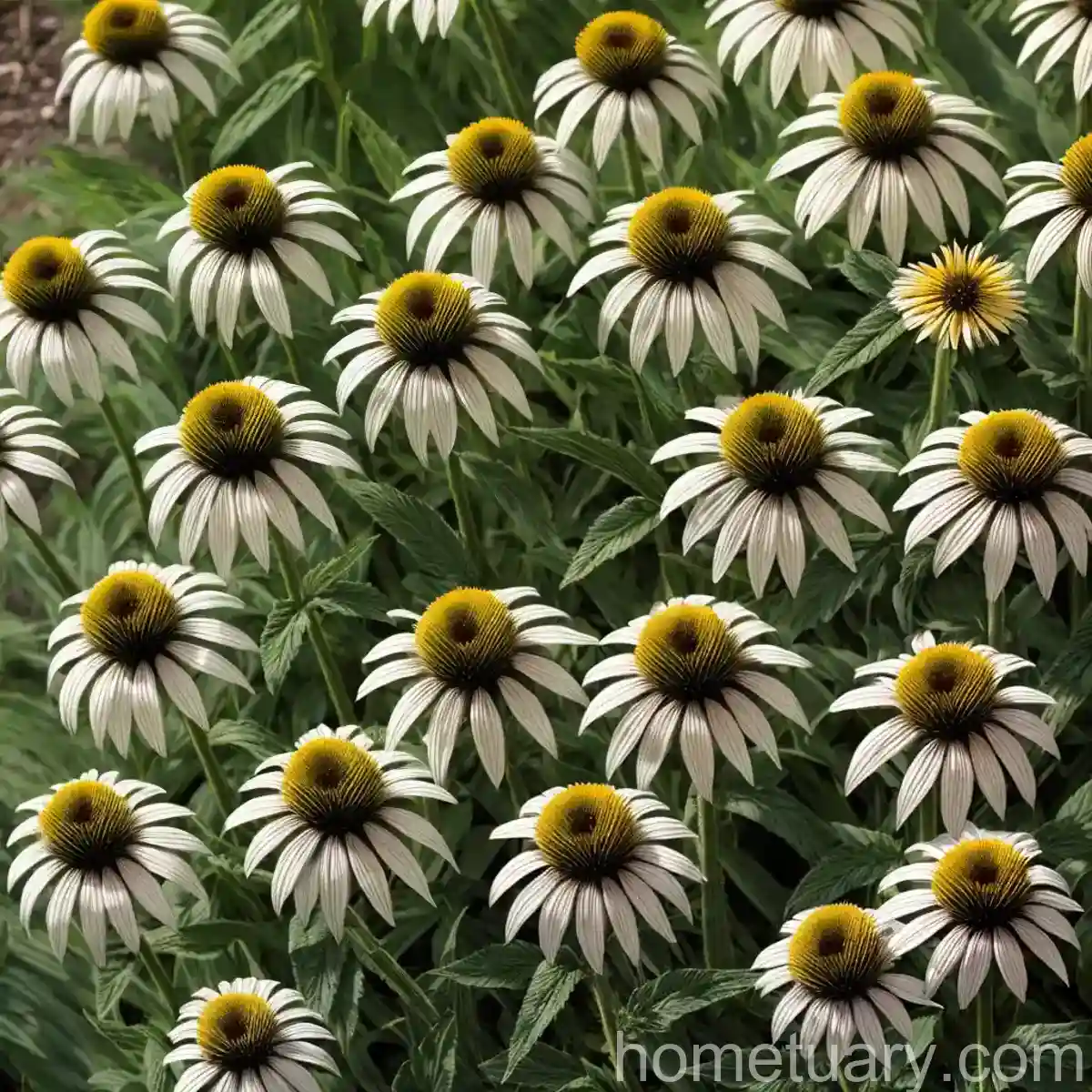
Long-Head Coneflower (Ratibida columnifera ‘Buttons and Bows’)
Long-head coneflower, scientifically known as Ratibida columnifera ‘Buttons and Bows,’ is a stunning perennial plant that belongs to the Asteraceae family. This plant is cherished for its unique, daisy-like flowers that adorn gardens with vibrant colors. In this comprehensive guide, we will explore the key attributes and requirements for cultivating and caring for the long-head coneflower. Whether you are a seasoned gardener or a novice plant enthusiast, you will find valuable insights into the culture, uses, maintenance, and much more about this beautiful flowering plant.
What is the Long-Head Coneflower (Ratibida columnifera ‘Buttons and Bows’)?
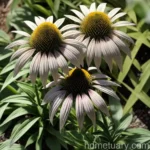
The long-head coneflower, also known as prairie coneflower or upright prairie coneflower, is a native North American wildflower that thrives in various habitats, from prairies to open woodlands. It is recognized for its distinctive long, drooping central cones surrounded by vibrant, golden-yellow or reddish-brown petals, giving it a striking appearance that enhances any garden landscape. The cultivar, Ratibida columnifera ‘Buttons and Bows,’ is a popular variety appreciated for its compact growth habit, making it suitable for both formal gardens and naturalistic plantings.
Key Takeaways – Long-Head Coneflower (Ratibida columnifera ‘Buttons and Bows’)
Before delving into the detailed aspects of the long-head coneflower, let’s summarize the essential points that will be covered in this guide. From its cultural requirements to its propagation and maintenance, this overview will serve as a reference point for all the crucial aspects of Ratibida columnifera ‘Buttons and Bows.’
Culture
- Understanding the environmental conditions preferred by long-head coneflowers.
- Identifying the suitable growing zones for this plant.
- Exploring the native habitat of Ratibida columnifera.
Uses
- Recognizing the ornamental and ecological uses of the long-head coneflower.
- Discovering its potential medicinal and wildlife-attracting properties.
- Exploring landscaping and floral arrangement possibilities.
Water
- Understanding the watering needs and preferences of Ratibida columnifera ‘Buttons and Bows.’
- Tips for effective watering practices to ensure healthy growth and flowering.
Sunlight
- Determining the sunlight requirements for optimal growth and blooming.
- Identifying suitable locations based on sunlight availability.
Fertilizer
- Exploring the fertilization needs and techniques for long-head coneflowers.
- Organizing a suitable fertilization schedule for Ratibida columnifera.
Soil
- Understanding the soil preferences and ideal soil conditions for this plant.
- Tips for soil improvement and maintenance to meet the plant’s requirements.
Pruning
- Learning the importance of pruning in maintaining the health and appearance of the long-head coneflower.
- Understanding the best practices for pruning Ratibida columnifera ‘Buttons and Bows.’
Propagation
- Exploring various propagation methods, including seed sowing and division.
- Understanding the steps involved in successful propagation of Ratibida columnifera.
Container Popularity
- Recognizing the increasing popularity of growing long-head coneflowers in containers.
- Tips for successful container gardening with Ratibida columnifera ‘Buttons and Bows.’
Common Diseases
- Identifying potential diseases that can affect the long-head coneflower.
- Understanding disease prevention and management strategies.
Disease Diagnosis
- Learning how to diagnose and address diseases affecting Ratibida columnifera ‘Buttons and Bows.’
- Recognizing the symptoms and signs of common plant diseases.
Common Pests
- Identifying the common pests that may affect long-head coneflowers.
- Exploring environmentally friendly pest management techniques.
Botanist’s Tips
- Exclusive insights and tips from botanists and plant experts on cultivating and caring for Ratibida columnifera ‘Buttons and Bows.’
Fun Facts
- Discovering intriguing and lesser-known facts about the long-head coneflower.
This guide will comprehensively cover each of these aspects, providing you with the knowledge and insights necessary to cultivate and care for long-head coneflowers successfully.
Culture
Native Habitat and Growing Zones
Long-head coneflowers, including the cultivar Ratibida columnifera ‘Buttons and Bows,’ are native to North America, where they are commonly found in prairies, open woodlands, and along roadsides. These plants prefer regions with well-draining soil and abundant sunlight. When introduced to appropriate conditions, the long-head coneflower can thrive in various USDA hardiness zones, generally ranging from zone 3 to 10, although specific cultivars may have greater or lesser adaptability in certain zones.
Environmental Conditions
The long-head coneflower thrives in full sun, displaying its best growth and flowering potential when exposed to at least six hours of direct sunlight per day. While it can tolerate some shade, particularly in hotter climates, adequate sunlight is crucial for ensuring abundant blooms and strong, healthy plants.
In terms of soil, long-head coneflowers prefer well-drained, moderately fertile soil. They are adaptable to various soil types, including sandy, loamy, or rocky soils, as long as the soil allows excess water to drain away from the plant’s root system. However, it’s essential to avoid waterlogged conditions to prevent root rot and other issues.
Ratibida columnifera ‘Buttons and Bows’ also benefits from good air circulation, which can help prevent the onset of fungal diseases and maintain overall plant health. When selecting a planting location, consider the airflow and ensure that the plants have ample space around them to promote healthy growth.
Uses
Ornamental Value
The long-head coneflower, including the distinct cultivar Ratibida columnifera ‘Buttons and Bows,’ holds significant ornamental value in gardens and landscapes. Its charming, daisy-like blooms add a touch of natural beauty, attracting pollinators and wildlife while providing a visually appealing display.
With its slender, wiry stems and colorful flowers, this plant is well-suited for mixed perennial borders, prairie-style plantings, and native or pollinator gardens. It also holds potential for use in wildflower meadows, where its cheerful blooms can create stunning naturalistic displays.
Ecological Benefits
In addition to its ornamental value, the long-head coneflower offers essential ecological contributions. The nectar-rich flowers attract a variety of pollinators, including bees, butterflies, and other beneficial insects, making it a valuable addition to gardens aimed at supporting pollinator populations.
Moreover, long-head coneflowers can provide food for birds and small mammals, as the seeds are a sought-after food source. By incorporating these plants into your landscape, you can contribute to the local ecosystem’s diversity and sustainability.
Medicinal Uses
Throughout history, various Native American tribes have utilized Ratibida columnifera and closely related species for their medicinal properties. The long-head coneflower was traditionally used to address ailments such as stomach issues, insect bites, and sore throats, indicating its potential medicinal value.
While it’s important to consult reliable sources and specialists before using any plant for medicinal purposes, the historical uses of long-head coneflowers highlight their cultural significance and potential health-related benefits.
Landscaping and Floral Arrangements
Long-head coneflowers are versatile additions to both naturalistic and formal landscaping designs. Their slender, upright growth habit and captivating blooms create dynamic visual interest, whether planted in mass groupings, mixed borders, or as stand-alone specimens. The unique coloration and form of the ‘Buttons and Bows’ cultivar make it a valuable asset for designers looking to add a touch of whimsy to their landscapes.
In floral arrangements, the long-lasting blooms of Ratibida columnifera ‘Buttons and Bows’ can be used to create striking bouquets and vase displays. The vibrant colors and distinctive form of the flowers lend themselves beautifully to both fresh and dried floral arrangements, adding a touch of natural charm to indoor spaces.
Water
Watering Needs
Understanding the water requirements of long-head coneflowers is essential for maintaining healthy and robust plants. While these plants are relatively tolerant of drought conditions once established, regular watering is crucial, particularly during the establishment phase and prolonged dry spells.
During the first growing season, it is important to provide consistent moisture to help the plants develop strong root systems. Once established, long-head coneflowers require less frequent watering, as they are adapted to survive in drier conditions. However, during periods of extreme heat or drought, supplemental watering may be necessary to support optimal growth and flowering.
Watering Techniques
When watering Ratibida columnifera ‘Buttons and Bows’ and other long-head coneflowers, the focus should be on deep, thorough waterings rather than frequent shallow waterings. Allow the soil to dry slightly between waterings to encourage the development of a robust root system that can better withstand dry conditions.
Applying water directly to the base of the plants, rather than overhead watering, can help minimize the risk of fungal diseases and ensure that the water reaches the plant’s root zone effectively. Mulching around the base of the plants can also help retain soil moisture, reducing the frequency of watering while promoting soil health.
Sunlight
Sunlight Requirements
Long-head coneflowers, including Ratibida columnifera ‘Buttons and Bows,’ thrive in full sun, making them excellent candidates for sunny garden locations. When grown in areas that receive a minimum of six to eight hours of direct sunlight per day, these plants exhibit robust growth and abundant flowering, showcasing their vibrant blooms in all their glory.
In regions with particularly hot or intense sunlight, some partial afternoon shade can benefit the plants, especially during the peak of summer. However, it’s important to strike a balance, as insufficient sunlight can lead to reduced flowering and weaker, leggy growth in long-head coneflowers.
When selecting planting locations for Ratibida columnifera ‘Buttons and Bows,’ consider the sun exposure throughout the day, identifying areas that receive consistent sunlight and ensuring that the plants are not overshadowed by nearby structures or trees.
Fertilizer
Fertilization Needs
Long-head coneflowers, including Ratibida columnifera ‘Buttons and Bows,’ can benefit from moderate fertilization to support healthy growth and prolific flowering. Applying a balanced, slow-release fertilizer in the early spring, just as new growth begins to emerge, can provide the plants with the nutrients they need to fuel their growth throughout the growing season.
It’s important to avoid over-fertilizing these plants, as excessive nutrients can promote lush foliage at the expense of flowering, potentially leading to weakened stems and an overall reduction in the plant’s aesthetic appeal. Following the recommended application rates and using a balanced fertilizer with equal parts nitrogen, phosphorus, and potassium can help maintain the plants’ optimal health and performance.
Fertilization Techniques
When applying fertilizer to long-head coneflowers, it’s beneficial to distribute the fertilizer evenly around the base of the plants, avoiding direct contact with the stems or foliage. Watering the plants gently after fertilization can help dissolve the nutrients and incorporate them into the soil, ensuring that the plants can readily access the fertilizing benefits without the risk of burn or nutrient imbalances.
To further support the plants’ nutrient uptake, consider incorporating organic matter into the soil when planting or top-dressing the soil with compost or well-aged manure. These natural amendments can contribute to soil fertility and structure, enhancing the overall health of Ratibida columnifera ‘Buttons and Bows.’
Soil
Soil Preferences
Long-head coneflowers, including the cultivar Ratibida columnifera ‘Buttons and Bows,’ thrive in well-drained soil with moderate fertility. While they are adaptable to various soil types, including sandy, loamy, and rocky soils, they perform best in soils that promote good drainage and aeration. Avoiding waterlogged or excessively compacted soil is crucial for preventing root rot and other issues that can arise from poor soil conditions.
The addition of organic matter, such as compost or aged manure, can improve the soil’s structure and fertility, providing long-head coneflowers with a supportive growing medium that encourages healthy root development and overall vigor. When planting Ratibida columnifera ‘Buttons and Bows,’ consider amending the soil with organic matter to enhance its quality and provide long-term benefits to the plants.
Pruning
Importance of Pruning
Pruning plays a vital role in maintaining the health, appearance, and longevity of long-head coneflowers. Regular pruning helps remove spent flowers, control plant height, and encourage additional blooming throughout the growing season. By removing faded blooms, also known as deadheading, the plants can redirect their energy into producing new flowers rather than setting seeds, resulting in a prolonged and more abundant blooming display.
Additionally, pruning can help manage the plant’s overall shape and size, preventing it from becoming overcrowded or excessively leggy. By selectively trimming back stems as needed, gardeners can promote a more compact, bushy growth habit and maintain an attractive appearance for Ratibida columnifera ‘Buttons and Bows.’
Pruning Techniques
When Deadheading long-head coneflowers, it’s best to remove the spent flower heads by cutting the stem just above the nearest set of healthy leaves or lateral buds. This encourages the development of additional flower buds and prevents the formation of seed heads, supporting continuous flowering and aesthetic appeal.
For overall plant maintenance and shaping, selectively pruning back long or unruly stems can help maintain the desired size and form for Ratibida columnifera ‘Buttons and Bows.’ Using clean, sharp pruning shears, remove any damaged or diseased growth, as well as any overly crowded or weak stems, to improve air circulation and overall plant health.
Propagation
Propagation Methods
Long-head coneflowers, including Ratibida columnifera ‘Buttons and Bows,’ can be propagated using several methods, including seed sowing and division. Each technique offers its own advantages and considerations, providing gardeners with options for expanding their plantings and sharing the beauty of these captivating flowers.
Seed Sowing: Long-head coneflowers readily produce seeds after flowering, which can be harvested and sown to grow new plants. To collect seeds, allow the flower heads to mature and dry on the plant, then carefully remove the seeds and store them in a cool, dry location. When sowing the seeds, either in containers or directly into the garden soil, provide them with a well-drained seed starting mix and maintain consistently moist conditions until the seeds germinate.
Division: Established clumps of Ratibida columnifera ‘Buttons and Bows’ can be divided to create new plants or rejuvenate existing ones. This process involves carefully digging up the plant and separating the root mass into smaller sections, each containing healthy stems and root systems. By replanting these divisions in suitable locations and providing adequate care, gardeners can efficiently propagate the plants and expand their long-head coneflower display.
Tips for Successful Propagation
When propagating long-head coneflowers, ensure that the selected planting locations offer suitable sunlight, soil, and moisture conditions to support the establishment and growth of new plants. Provide regular water and consider offering some protection from intense sunlight or extreme weather during the initial phase of growth to enhance the success of propagated long-head coneflowers.
Container Popularity
Growing Long-Head Coneflowers in Containers
The rising popularity of container gardening has sparked increased interest in cultivating long-head coneflowers, including the enchanting cultivar Ratibida columnifera ‘Buttons and Bows,’ in confined spaces such as patios, balconies, and small urban gardens. When properly cared for, these plants can thrive in containers, adding beauty and charm to diverse outdoor settings.
Container Selection
Selecting the right containers for long-head coneflowers is essential for providing them with adequate space and support for healthy growth. Choose containers that offer sufficient depth and width for the plants’ root systems, as well as good drainage to prevent waterlogging. Additionally, consider the material of the containers, as options such as terracotta and resin containers can help regulate soil moisture and temperature, contributing to plant well-being.
Soil and Fertilization
Fill the containers with a high-quality, well-draining potting mix, ideally formulated for perennial plants, to provide the long-head coneflowers with a supportive growing medium. Amend the potting mix with organic matter, slow-release fertilizer, or other natural amendments to enhance its fertility and nutrient content, supporting the plants’ growth and performance.
Watering and Maintenance
When growing long-head coneflowers in containers, pay close attention to watering, providing sufficient moisture while avoiding waterlogged conditions. Container plants may require more frequent watering than those planted directly in the ground, particularly during hot, dry periods. Regularly inspect the containers for the plant’s overall health, soil moisture, and signs of stress to provide timely care and maintain optimal growing conditions.
Overwintering Considerations
In regions with cold winters, consider overwintering long-head coneflowers in containers to protect them from the harsh weather. Place the containers in a sheltered location and consider using insulating materials or wrapping to shield the plants from freezing temperatures. Additionally, reducing watering and providing adequate mulch around the base of the plants can help protect the root systems and ensure their survival during the winter months.
Common Diseases
Identifying Potential Diseases
While long-head coneflowers are generally resilient and low-maintenance plants, they can be susceptible to certain diseases under unfavorable growing conditions or when exposed to stressors. Identifying common diseases and their associated symptoms is crucial for proactive management and effective treatment, ensuring the health and longevity of Ratibida columnifera ‘Buttons and Bows.’
Common Diseases
Fungal Leaf Spots
Fungal leaf spots, often caused by pathogens such as Cercospora or Septoria species, can manifest as small, circular lesions on the leaves of long-head coneflowers. These spots may appear water-soaked or discolored, leading to premature leaf drop and reduced plant vigor. Humid, warm conditions and overhead watering can favor the development of fungal leaf spots, making proper plant spacing and effective moisture management essential for prevention.
Powdery Mildew
Powdery mildew, characterized by the appearance of white, powdery patches on the plant’s foliage, can affect long-head coneflowers when exposed to prolonged periods of high humidity or poor air circulation. This fungal disease can lead to distorted growth and reduced flowering, compromising the plant’s overall appearance and health.
Root Rot
Excessive soil moisture and poor drainage can predispose long-head coneflowers to root rot, a fungal condition that affects the plant’s root system, leading to wilting, stunted growth, and eventual plant decline. Avoid overwatering and ensure proper soil drainage to mitigate the risk of root rot, promoting the plants’ resilience and longevity.
Disease Prevention and Management
To protect Ratibida columnifera ‘Buttons and Bows’ from common diseases, it’s essential to implement proactive measures that support overall plant health and minimize disease susceptibility. Consider the following strategies to prevent and effectively manage potential diseases:
-
Maintain Proper Plant Spacing: Providing adequate spacing between long-head coneflowers can promote good air circulation and reduce the risk of fungal diseases that thrive in humid, crowded conditions.
-
Avoid Overhead Watering: Water the plants at the base rather than overhead to minimize leaf moisture and decrease the potential for fungal infections. Watering early in the day can also help the foliage dry more