The Evergreen Azalea (Rhododendron ‘Renee Michelle’): A Comprehensive Care Guide
The evergreen azalea, scientifically known as Rhododendron ‘Renee Michelle’, is a beautiful flowering plant that is cherished by gardeners for its vibrant blooms and relatively low maintenance requirements. In this comprehensive care guide, we will explore every aspect of caring for the evergreen azalea, ranging from its cultural requirements to common pests and diseases. Whether you are a seasoned gardener or just beginning your journey with plants, this guide will equip you with the knowledge and techniques needed to cultivate thriving evergreen azaleas.
What is the Evergreen Azalea (Rhododendron ‘Renee Michelle’)?
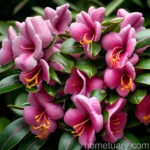
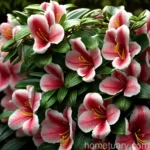
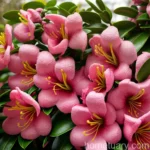
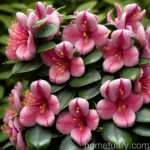
Evergreen azaleas, belonging to the genus Rhododendron, are a diverse group of flowering shrubs that are characterized by their attractive foliage and showy blossoms. ‘Renee Michelle’ is a specific variety renowned for its stunning pink flowers, making it a sought-after choice for adding a pop of color to gardens and landscapes.
These plants typically bloom in the spring, producing an abundance of trumpet-shaped flowers that can range in color from white and pink to vibrant reds and purples. With proper care, these evergreen shrubs can become a focal point in any garden, contributing to the overall aesthetic and beauty of the space.
Key Takeaways – Evergreen Azalea (Rhododendron ‘Renee Michelle’)
Before delving into the specifics of caring for the evergreen azalea, it’s essential to highlight some key takeaways that will guide our exploration of this stunning plant.
- Botanical Name: Rhododendron ‘Renee Michelle’
- Type: Evergreen shrub
- Blooms: Springtime
- Common Colors: Pink, white, red, and purple
- Characteristics: Vibrant flowers and attractive foliage
- Maintenance: Relatively low maintenance, especially when provided with suitable growing conditions
- Challenges: Vulnerable to certain pests and diseases, which can be managed with proper care and maintenance
With these key points in mind, let’s proceed to explore the essential aspects of caring for the evergreen azalea.
Culture
The culture of the evergreen azalea involves understanding its preferred growing conditions and providing an environment that allows the plant to thrive. This encompasses a range of factors, including water, sunlight, fertilizer, soil, and pruning.
Let’s break down each of these elements in detail, as they play a crucial role in determining the health and vibrancy of the evergreen azalea.
Water
Appropriate watering is fundamental to the overall health of the evergreen azalea. While these plants require consistent moisture, they are susceptible to root rot if they are overwatered. To strike the right balance, it’s important to follow these guidelines:
- Regular Watering: Evergreen azaleas benefit from regular watering, especially during dry spells or periods of inadequate rainfall. As a general rule, ensure that the soil remains moist without becoming waterlogged.
- Avoid Waterlogging: Excess water can lead to root rot, so it’s crucial to ensure adequate drainage in the planting area. Consider adding organic matter or incorporating a slightly raised bed to facilitate proper drainage.
- Mulching: Applying a layer of mulch around the base of the plant helps to retain soil moisture and regulates the temperature. However, be cautious not to over-mulch, as this can contribute to excessive moisture accumulation around the roots.
Sunlight
Proper sunlight exposure is another critical factor in the successful cultivation of evergreen azaleas. These plants thrive in partial shade, but the specific sunlight requirements can vary by region and climate. Consider the following recommendations:
- Partial Shade: Evergreen azaleas prefer dappled sunlight or partial shade, especially during the afternoon when the sun is at its strongest. Planting them under the canopy of taller trees or in locations with filtered sunlight can provide the ideal light conditions.
- Protection from Harsh Sun: In regions with intense sunlight and high temperatures, it’s essential to shield the plants from direct midday sun. This can be achieved through strategic placement or by utilizing shade cloth during peak sunlight hours.
- Morning Sun Exposure: While partial shade is ideal, some morning sunlight can benefit the plants, especially as it helps to dry any dew on the leaves, reducing the risk of fungal diseases.
Fertilizer
Fertilizing the evergreen azalea is essential for promoting healthy growth and abundant blooms. Selecting the right type of fertilizer and applying it at the appropriate times can significantly impact the plant’s overall vigor. Consider the following fertilizer guidelines:
- Acidic Fertilizer: Evergreen azaleas prefer acidic soil, so it’s important to use a fertilizer specifically formulated for acid-loving plants. Look for products tailored to rhododendrons, azaleas, or other acid-loving shrubs.
- Application Timing: Fertilize evergreen azaleas in the early spring, just before the start of the growing season. Additionally, a light application in the fall can provide nutrients to support root development during the winter months.
- Avoid Over-Fertilizing: While providing essential nutrients is crucial, over-fertilizing can lead to excessive vegetative growth at the expense of blooming. Follow the recommended application rates and avoid applying fertilizer too close to the base of the plant to prevent root burn.
Soil
Creating the right soil environment is paramount to the success of evergreen azaleas. These plants thrive in well-draining, acidic soil that is rich in organic matter. Here are the key considerations for soil preparation and maintenance:
- Acidic pH: Evergreen azaleas prefer soil with a pH between 4.5 and 6.0. Testing the soil and making necessary amendments with sulfur or peat moss can help achieve the ideal pH range for these plants.
- Organic Matter: Incorporating organic matter such as compost, leaf mold, or well-rotted pine bark into the soil improves its structure and nutrient content. This is particularly beneficial for enhancing drainage and promoting healthy root development.
- Avoid Compaction: Compact soil restricts root growth and inhibits water infiltration. Amending the soil with organic matter and refraining from excessive foot traffic around the plants helps maintain a loose, aerated growing medium.
Pruning
Pruning is an important aspect of evergreen azalea care, as it contributes to the plant’s overall shape, vigor, and blooming capacity. By practicing proper pruning techniques, gardeners can help the plants maintain a tidy appearance and encourage robust blooming. Consider the following pruning guidelines:
- Timing: The best time to prune evergreen azaleas is immediately after the spring bloom. This allows ample time for new growth to develop and set flower buds for the following year.
- Deadheading: Removing spent flowers not only improves the plant’s appearance but also directs energy towards new growth and bud development.
- Selective Pruning: Thin out crowded or crossing branches to improve air circulation and light penetration. This helps reduce the risk of disease and encourages even growth throughout the plant.
Propagation
Propagating evergreen azaleas allows gardeners to expand their collection or share these beautiful plants with others. While propagation may seem daunting, it can be achieved through various methods such as stem cuttings, layering, or grafting. Each technique offers unique benefits and challenges, and the choice of method often depends on the gardener’s preferences and experience level.
- Stem Cuttings: Taking stem cuttings from healthy, established plants and rooting them in a suitable growing medium is a popular method of propagating evergreen azaleas. This approach is relatively straightforward and can yield new plants within a reasonable timeframe.
- Layering: Air layering or simple layering are additional propagation methods that leverage the plant’s natural ability to form roots along its stems. This technique can be particularly suitable for branches that are low-hanging or in contact with the soil.
- Grafting: Grafting is a more advanced propagation method that involves joining a shoot or bud from a desired variety onto a compatible rootstock. This technique is commonly used in commercial nurseries to ensure the propagation of specific cultivars.
Container Popularity
Evergreen azaleas are also well-suited for container gardening, which allows individuals with limited garden space to enjoy their beauty. When grown in containers, these plants can thrive on patios, balconies, or even indoors under the right conditions.
- Container Selection: Choose a spacious container that accommodates the plant’s mature size and provides adequate room for root development. Ensure that the container has drainage holes to prevent waterlogging.
- Growing Medium: Select a high-quality potting mix that is formulated for acid-loving plants. These mixes typically have an acidic pH and provide the essential nutrients and moisture retention required for evergreen azaleas.
- Watering Considerations: Container-grown plants may require more frequent watering, especially during the warmer months or in locations with dry air. Regularly check the moisture level of the soil and adjust your watering schedule accordingly.
Common Diseases
While evergreen azaleas are relatively low-maintenance, they are susceptible to certain diseases that can impact their overall health and blooming potential. Understanding these common diseases and their prevention measures is crucial for maintaining the plants’ vigor.
Disease Diagnosis
- Powdery Mildew: Recognized by the presence of white powdery patches on the leaves, powdery mildew can affect evergreen azaleas, especially in humid or poorly ventilated conditions. To prevent this disease, ensure proper air circulation and avoid overhead watering.
- Leaf Spot: Leaf spot diseases manifest as dark or discolored spots on the leaves, often accompanied by yellowing or premature leaf drop. These diseases can be managed through sanitation, which involves removing and disposing of affected plant material to prevent further spread.
Common Pests
In addition to diseases, evergreen azaleas may also face challenges from common pests that can impact their growth and vitality. Vigilance and proactive pest management strategies can help mitigate these issues.
Botanist’s Tips
- Companion Planting: Pair evergreen azaleas with companion plants that share similar cultural requirements, such as acid-loving species or those that thrive in partial shade. This can create visually harmonious combinations and promote mutual growth benefits.
- Mulching Techniques: Apply mulch around the base of evergreen azaleas to conserve soil moisture, regulate temperature, and deter weed growth. Organic mulches like pine straw or shredded bark provide additional benefits by gradually decomposing and enriching the soil.
Fun Facts
As we navigate the realm of evergreen azalea care, it’s fascinating to uncover some fun and intriguing facts about these beloved plants. Here are a few tidbits that showcase the unique qualities of evergreen azaleas:
- Symbolism: In the language of flowers, azaleas symbolize diverse sentiments such as ‘take care of yourself for me’ and ‘fragile passion’. These representations add an emotive layer to the cultivation and gifting of azalea plants.
- Cultural Significance: Evergreen azaleas hold cultural significance in various parts of the world, including their symbolic role in traditional Japanese gardens and their prominence in the Southern United States, where azalea festivals celebrate the plants’ beauty.
Links to External Resources
To further enrich your understanding of evergreen azalea care, explore the following external resources for detailed insights and practical guidance:
- American Rhododendron Society: A valuable resource encompassing a wealth of information on rhododendrons and azaleas, including cultivation tips, plant varieties, and regional resources.
- Gardening Know How: A comprehensive gardening resource that offers articles, guides, and forums covering a range of plant care topics, including specific advice on evergreen azaleas.
- The Azalean: Delve into the world of azaleas and rhododendrons through this informative publication, featuring articles, journals, and resources dedicated to these captivating plants.
In conclusion, the evergreen azalea (Rhododendron ‘Renee Michelle’) epitomizes beauty, resilience, and cultural significance. By understanding and implementing the recommended care practices, you can cultivate thriving evergreen azaleas that captivate the eye and enrich the landscape with their vibrant blooms. Embrace the art of evergreen azalea care, and witness the enduring allure of these remarkable plants as they flourish under your nurturing touch.
Keywords: Rhododendron ‘Renee Michelle’ care, Evergreen azalea varieties, Growing Rhododendron ‘Renee Michelle’, Azalea plant care guide, Rhododendron ‘Renee Michelle’ characteristics, Evergreen azalea maintenance, Best soil for Rhododendron ‘Renee Michelle’, Azalea pruning tips, Rhododendron ‘Renee Michelle’ planting guide, Evergreen azalea watering needs, Azalea fertilizer requirements, Rhododendron ‘Renee Michelle’ disease prevention, Evergreen azalea propagation techniques, Azalea companion plants, Rhododendron ‘Renee Michelle’ landscape uses, Tips for growing evergreen azaleas, Pruning Rhododendron ‘Renee Michelle’, Azalea pest control methods, Rhododendron ‘Renee Michelle’ sunlight requirements, Evergreen azalea container gardening, Azalea disease identification, Rhododendron ‘Renee Michelle’ winter care, Evergreen azalea mulching techniques, Azalea pruning schedule, Rhododendron ‘Renee Michelle’ companion planting, Watering tips for evergreen azaleas, Azalea common problems, Rhododendron ‘Renee Michelle’ pruning techniques, Evergreen azalea soil pH requirements, Azalea propagation methods, Rhododendron ‘Renee Michelle’ fertilizing schedule, Evergreen azalea disease prevention, Azalea planting tips, Rhododendron ‘Renee Michelle’ sun exposure, Evergreen azalea water drainage needs, Azalea pest management, Rhododendron ‘Renee Michelle’ landscape design, Best companion plants for evergreen azaleas, Azalea soil preparation techniques, Rhododendron ‘Renee Michelle’ feeding schedule, Evergreen azalea pruning methods, Azalea common pests, Rhododendron ‘Renee Michelle’ winter protection, Evergreen azalea container care, Azalea soil requirements, Rhododendron ‘Renee Michelle’ growth habits, Evergreen azalea fertilizing tips, Azalea foliage diseases, Rhododendron ‘Renee Michelle’ spring care, Evergreen azalea transplanting methods