Black-eyed Susan (Rudbeckia Fulgida ‘City Garden’)
Welcome to the comprehensive guide on growing and caring for the black-eyed Susan (Rudbeckia fulgida ‘City Garden’). In this article, we will explore the.
Introduction
Welcome to the comprehensive guide on growing and caring for the black-eyed Susan (Rudbeckia fulgida ‘City Garden’). In this article, we will explore the key aspects of cultivating this vibrant and captivating plant, also known as the black-eyed Susan. Black-eyed Susan is a popular perennial plant valued for its stunning appearance and minimal maintenance requirements. Its botanical name, Rudbeckia fulgida ‘City Garden,’ refers to a specific cultivar known for its compact growth habit and profuse blooming.
What is black-eyed Susan (Rudbeckia fulgida ‘City Garden’)?
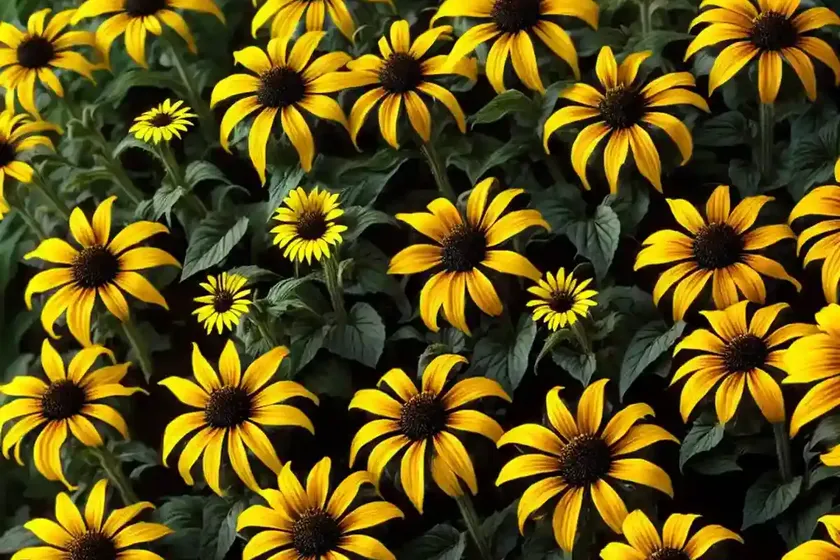
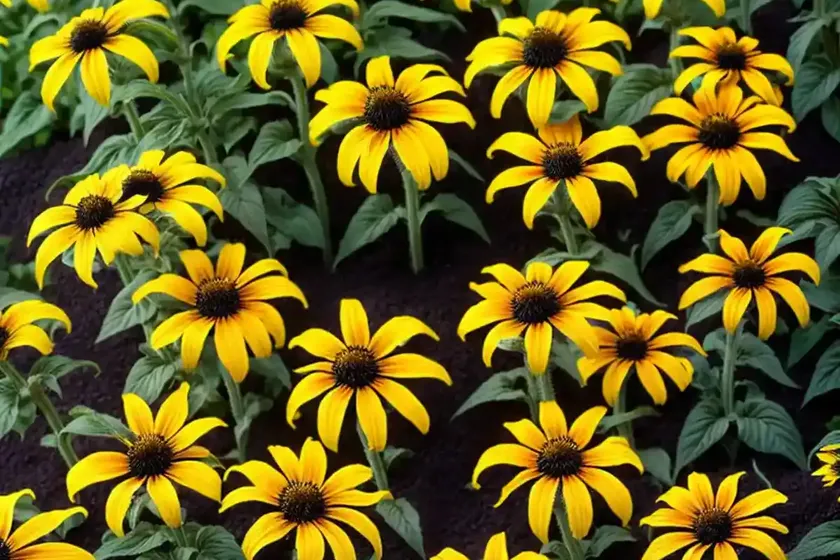
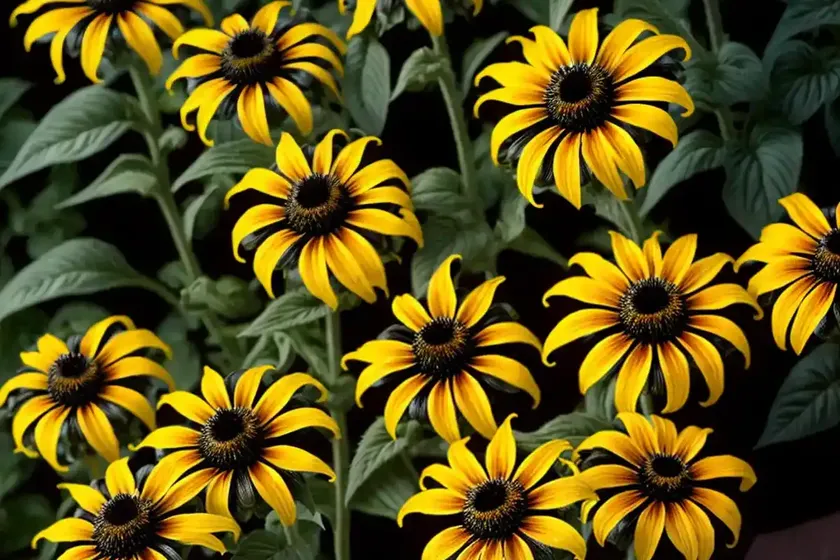
Black-eyed Susan, scientifically known as Rudbeckia fulgida ‘City Garden’, is a flowering perennial plant belonging to the Asteraceae family. This species is native to North America and is widely cultivated for its striking daisy-like flowers with prominent dark brown or black centers, surrounded by golden yellow petals. The ‘City Garden’ cultivar is particularly favored for its adaptability to urban landscapes, making it a popular choice for city gardens and container plantings.
Key Takeaways
- Common Name: Black-eyed Susan
- Botanical Name: Rudbeckia fulgida ‘City Garden’
- Plant Type: Perennial
- Flower Color: Yellow with dark brown/black centers
- Native Habitat: North America
- Cultivar: ‘City Garden’ (Compact growth habit)
Let’s delve into the specific aspects of cultivating and caring for this exceptional plant.
Culture
Uses
Black-eyed Susan (Rudbeckia fulgida ‘City Garden’) holds several uses in the gardening and landscaping realm, making it a valuable addition to any outdoor space. Some of its primary uses include:
– Ornamental Display: The vibrant and cheerful blooms of the black-eyed Susan make it a popular choice for adding color and visual interest to garden beds, borders, and containers.
– Pollinator Attraction: The nectar-rich flowers of Rudbeckia fulgida ‘City Garden’ attract and support various pollinators, including bees and butterflies, contributing to a thriving ecosystem.
– Cut Flowers: The long-lasting blooms of black-eyed Susan are ideal for creating stunning flower arrangements, adding a touch of natural beauty to indoor spaces.
Growing Conditions
Water
Black-eyed Susan plants, including the ‘City Garden’ cultivar, thrive in well-draining soil and require moderate water levels. Adequate moisture is essential, especially during the establishment phase and prolonged dry spells. However, it is crucial to avoid overwatering, as excess moisture can lead to root rot and other related issues.
Sunlight
In terms of sunlight requirements, black-eyed Susan is considered a sun-loving plant. It flourishes when planted in areas receiving full sunlight or partial shade, characterized by at least 6 hours of direct sunlight per day. Ample sunlight not only promotes prolific blooming but also ensures sturdy growth and vibrant flower coloration.
Fertilizer
When it comes to fertilization, black-eyed Susan (Rudbeckia fulgida ‘City Garden’) typically benefits from a balanced, all-purpose fertilizer applied in early spring or late winter. A slow-release fertilizer can provide a steady supply of nutrients, supporting healthy growth and abundant flowering throughout the growing season.
Soil
The ‘City Garden’ cultivar of Rudbeckia fulgida thrives in well-draining, fertile soil with a slightly acidic to neutral pH. Loamy, rich soil types are highly favorable for this plant, ensuring optimal root development and overall vitality. Additionally, incorporating organic matter into the soil can enhance its structure and nutrient content, creating an optimal growing environment for the black-eyed Susan.
Maintenance
Pruning
Pruning black-eyed Susan plants, including the ‘City Garden’ variety, is primarily focused on deadheading spent blooms to encourage continuous flowering and prevent seed formation. This simple maintenance task promotes a tidy appearance and prolongs the blooming period, ensuring an abundance of colorful flowers throughout the season.
Propagation
Propagation of Rudbeckia fulgida ‘City Garden’ can be achieved through various methods, including division, seed sowing, and stem cuttings. Each approach offers unique benefits and considerations, allowing for the expansion of your black-eyed Susan population and the introduction of new plants to your garden or landscape.
Container Popularity
The compact growth habit and ornamental appeal of the ‘City Garden’ cultivar make it well-suited for container gardening. Planted in containers or pots, black-eyed Susan can brighten up balconies, patios, and other outdoor spaces, adding a burst of sunshine and visual charm to urban and suburban settings.
Common Diseases and Pests
Disease Diagnosis
While black-eyed Susan plants are relatively resilient, they may be susceptible to certain diseases, including powdery mildew, aster yellows, and leaf spot. Regular monitoring for signs of discoloration, wilting, or abnormal growth can aid in early disease diagnosis, allowing for timely intervention and management strategies.
Common Pests
Black-eyed Susan (Rudbeckia fulgida ‘City Garden’) may face potential challenges from pests such as aphids, spider mites, and caterpillars. Implementing integrated pest management practices, including physical removal, natural predators, and targeted treatments, can help mitigate pest infestations and protect the health of the plants.
Botanist’s Tips
- Incorporate a layer of organic mulch around the base of black-eyed Susan plants to conserve moisture, suppress weed growth, and insulate the soil.
- Combine Rudbeckia fulgida ‘City Garden’ with complementary companion plants, such as ornamental grasses, coneflowers, and coreopsis, to create visually appealing and ecologically beneficial plantings.
- Consider the natural habitat and native range of black-eyed Susan when designing garden landscapes, incorporating native species and supporting local biodiversity.
Fun Facts
- The nickname “black-eyed Susan” is derived from the central disk of the flower resembling a dark eye, often associated with the brown-eyed or black-eyed Susan flower.
- In addition to its ornamental value, black-eyed Susan has a history of medicinal and cultural uses, with indigenous peoples utilizing various parts of the plant for traditional remedies and dyes.
Links to External Resources
For further information on black-eyed Susan (Rudbeckia fulgida ‘City Garden’), please explore the following external resources:
1. Rudbeckia fulgida ‘City Garden’ – Missouri Botanical Garden
2. Growing Black-Eyed Susan – University of Vermont Extension
3. Rudbeckia fulgida ‘City Garden’ – Royal Horticultural Society
4. Black-Eyed Susan Growing Guide – The Old Farmer’s Almanac
5. Rudbeckia – Clemson Cooperative Extension
Conclusion
The black-eyed Susan (Rudbeckia fulgida ‘City Garden’) stands as a testament to the beauty and resilience of native plants, enriching landscapes with its radiant blooms and ecological contributions. By understanding and implementing the key elements of care outlined in this guide, you can foster healthy and thriving black-eyed Susan plants, enhancing the vitality and allure of your outdoor spaces. Whether you are a seasoned gardener or a newcomer to horticulture, the allure of black-eyed Susan cultivars, such as ‘City Garden’, offers a rewarding and captivating addition to any garden, bringing forth a burst of color and natural charm.
Remember to embrace the versatility and adaptability of black-eyed Susan, and consider integrating this enchanting perennial into your gardening endeavors, where its vibrant presence can truly shine.
With the proper knowledge and care, black-eyed Susan will flourish, rewarding you with a perennial display of sunny blooms and contributing to the overall beauty and vibrancy of your garden and landscape.
So, let the black-eyed Susan brighten your days and your gardens, as it continues to captivate and inspire with its timeless allure.