River Birch (Betula nigra ‘Little King’ FOX VALLEY)
River birch, scientifically known as Betula nigra ‘Little King’ FOX VALLEY, is a beautiful and versatile tree that offers a multitude of benefits to landscapes and ecosystems. This deciduous tree is a member of the Betulaceae family and is prized for its distinctive peeling bark, elegant form, and adaptability to various growing conditions.
In this comprehensive guide, we will explore the key characteristics, cultural requirements, uses, maintenance practices, and common challenges associated with river birch. Whether you are a seasoned gardener, a landscaping enthusiast, or simply a nature lover, understanding the nuances of this fascinating tree can enhance your appreciation for its beauty and ecological importance.
Overview of River Birch
River birch, also known as Betula nigra ‘Little King’ FOX VALLEY, is a type of birch tree that is native to the eastern United States. It is commonly found in moist woodlands, stream banks, and floodplains, where it plays a crucial role in stabilizing soil, providing habitat for wildlife, and contributing to the overall biodiversity of the region.
Key Takeaways
River Birch (Betula nigra ‘Little King’ FOX VALLEY)
- Scientific Name: Betula nigra ‘Little King’ FOX VALLEY
- Common Names: River birch tree, Betula nigra ‘Little King’ tree, FOX VALLEY river birch
- Varieties: Betula nigra ‘Little King’ FOX VALLEY dwarf, FOX VALLEY birch tree, Betula nigra ‘Little King’ FOX VALLEY variety
- Cultivars: Betula nigra ‘Little King’ FOX VALLEY cultivar, FOX VALLEY river birch tree
- Characteristics: Peeling bark, elegant form, adaptability to various growing conditions
- Uses: Landscape ornamentation, erosion control, wildlife habitat enhancement
Cultural Requirements
To successfully cultivate river birch and harness its full potential, it is essential to understand and adhere to its specific cultural requirements. From sunlight exposure to soil composition, each aspect plays a pivotal role in shaping the tree’s growth, vigor, and overall health.
Water
River birch has a pronounced affinity for water and thrives in moist, well-drained soils. This characteristic makes it particularly well-suited for areas with high water tables, stream banks, and other locations with consistently damp conditions. In landscape settings, river birch can also be used to mitigate erosion along water bodies and stabilize soil in wetland areas.
Watering Needs:
– River birch typically requires consistent moisture, especially during its establishment phase. Adequate irrigation is crucial for promoting healthy root development and ensuring the tree’s resilience during periods of drought.
Sunlight
In terms of sunlight requirements, river birch exhibits impressive adaptability and can thrive in various light conditions. While it prefers full sun to partial shade, it can tolerate both shade and direct sunlight to a certain extent.
Sunlight Requirements:
– River birch thrives in full sun to partial shade, making it a versatile choice for a range of landscape environments. When planted in shadier locations, it may exhibit slightly less vigorous growth compared to specimens in full sun.
Soil
The adaptable nature of river birch extends to soil preferences as well. It can grow in a wide range of soil types, including clay, loam, and sandy soils, as long as the substrate is well-drained.
Soil Preferences:
– River birch performs best in moist, well-drained soils with a slightly acidic to neutral pH. It is important to avoid waterlogged or compacted soils, as these conditions can impede root respiration and lead to health issues.
Fertilizer
Fertilization needs for river birch are relatively minimal, especially if the tree is growing in a fertile soil environment. However, young trees or those planted in nutrient-poor soils may benefit from periodic applications of a balanced, slow-release fertilizer.
Fertilizer Recommendations:
– For young river birch trees, a balanced fertilizer with an N-P-K ratio of 10-10-10 or similar is recommended. Application should be carried out in early spring, before the onset of new growth.
Maintenance Practices
Pruning
Proper pruning is essential for maintaining the health, appearance, and structural integrity of river birch trees. While river birch generally has a graceful, natural form, periodic pruning may be necessary to remove dead or diseased branches, improve air circulation, and shape the tree’s silhouette.
Pruning Techniques:
– When undertaking pruning activities, it is important to use clean, sharp tools to make precise cuts. Dead, damaged, or crossing branches should be targeted, and any shaping or aesthetic pruning should be carried out with care to avoid excessive stress on the tree.
Propagation
River birch can be propagated through several methods, including seed sowing, cutting propagation, and grafting. Each technique has its own set of requirements and challenges, but when performed successfully, they can yield new plants with genetic traits that mirror those of the parent tree.
Propagation Methods:
– Seed sowing, which requires stratification and patience as river birch seeds can take time to germinate
– Cutting propagation, which involves taking stem cuttings from a mature tree and encouraging them to develop roots in a controlled environment
– Grafting, a technique that joins a river birch scion with a compatible rootstock to create a new plant with desired characteristics
Container Popularity
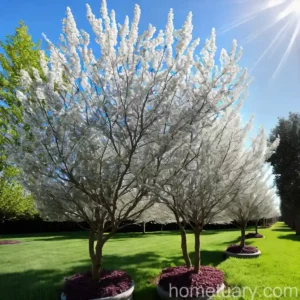
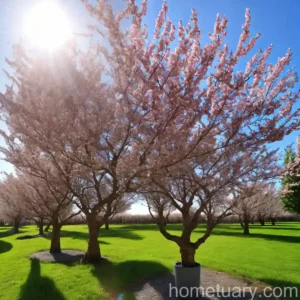
River birch’s adaptability and aesthetic appeal make it a popular choice for container planting. When grown in containers, river birch can grace patios, decks, and other outdoor spaces with its elegant foliage and distinctive bark coloration.
Container Planting Tips:
– Choose a large, sturdy container with adequate drainage holes to accommodate the tree’s root system.
– Use a high-quality, well-draining potting mix formulated for trees and shrubs to ensure proper moisture retention and aeration.
– Consider the mature size of river birch when selecting a container, as it will need ample space for root development and overall growth.
Common Diseases and Pests
River birch, like all plants, is susceptible to certain diseases and pest infestations. Understanding the common issues that may afflict this tree is essential for early detection, prompt intervention, and effective management.
Common Diseases
- Leaf Spot Diseases: River birch may be affected by fungal leaf spot diseases, including those caused by species of the Drepanopeziza and Septoria genera. Symptoms often manifest as small, dark spots on the foliage, which can coalesce and lead to premature leaf drop in severe cases.
- Canker Diseases: Canker diseases, such as nectria canker, can impact the branches and trunk of river birch, causing sunken lesions, dieback, and potential structural weakness.
- Root Rot: Prolonged periods of soil saturation can lead to root rot in river birch, especially in poorly drained or compacted soils. This can manifest as wilting, yellowing foliage, and overall decline in tree vigor.
Disease Diagnosis
When observing symptoms of disease in river birch, it is important to accurately diagnose the underlying issue in order to implement the most effective treatment strategies. This may involve consulting with a plant health specialist or submitting samples to a diagnostic laboratory for identification.
Diagnosis Methods:
– Visual inspection of symptoms, including leaf spots, cankers, and root health
– Laboratory analysis of plant tissues to identify causal pathogens or physiological disorders
– Documentation of environmental conditions and cultural practices that may be contributing to the health issues
Common Pests
- Birch Leafminer (Fenusa pusilla): The larvae of this tiny sawfly species feed within the leaves of birch trees, leading to noticeable leaf discoloration, browning, and potential defoliation.
- Bronze Birch Borer (Agrilus anxius): This wood-boring beetle species can cause significant damage to the vascular tissues of river birch, leading to dieback, canopy thinning, and overall decline in tree health.
Pest Control
Implementing integrated pest management (IPM) practices is essential for controlling pest infestations in river birch and minimizing the need for chemical interventions.
IPM Strategies:
– Encourage natural predators and beneficial organisms that can help keep pest populations in check, such as predatory insects and parasitoids.
– Regularly monitor the tree for signs of pest activity, including leaf damage, unusual holes in the bark, or adult insects present on the foliage.
– Employ cultural practices, such as proper pruning and sanitation, to reduce pest habitat and promote tree vitality.
Botanist’s Tips
To truly appreciate and effectively care for river birch, it is valuable to heed the insights and recommendations of botanists and plant enthusiasts who have studied and worked with this species extensively.
Growing Tips
- Optimal Site Selection: When choosing a location for planting river birch, prioritize areas with well-drained, slightly acidic soils and ample sunlight. Avoid compacted or waterlogged sites, as they can compromise the tree’s health.
- Adequate Moisture: Strive to maintain consistent soil moisture for river birch, especially during its establishment phase and periods of drought. Mulching around the tree can help retain moisture and regulate soil temperature.
- Pruning Prudence: While river birch typically requires minimal pruning, it is important to periodically assess the tree’s structure and remove any dead, diseased, or crossing branches to maintain its health and aesthetics.
Nurturing Aspects
- Eco-Friendly Benefits: Emphasize the ecological advantages of river birch, such as its ability to stabilize soil, enhance riparian habitats, and provide food and shelter for wildlife, when promoting its inclusion in landscaping projects.
- Rustic Aesthetics: Highlight the picturesque aesthetic features of river birch, including its distinctive peeling bark, elegant form, and vibrant fall foliage, to underscore its ornamental value in diverse landscapes.
Fun Facts
- In addition to its beauty and ecological significance, river birch has been utilized in traditional medicine by Indigenous communities for various remedies, including treatments for skin ailments and colds.
- The flexible and durable wood of river birch has been historically used for crafting canoes, baskets, and other functional items by Indigenous peoples, showcasing the tree’s versatility and utility beyond ornamental purposes.
Links to External Resources
To further enrich your knowledge of river birch and its cultivation, maintenance, and ecological roles, consider exploring the following resources:
- University of Florida IFAS Extension: Betula nigra – River Birch
- Missouri Botanical Garden: Betula nigra ‘Little King’
- North Carolina State University: River Birch
- USDA Plant Guide: River Birch
By delving into these reputable sources, you can gain valuable insights, best practices, and expert guidance on all aspects of river birch cultivation and stewardship.
In conclusion, river birch (Betula nigra ‘Little King’ FOX VALLEY) represents a splendid fusion of ornamental appeal, ecological contribution, and adaptability, making it a cherished addition to diverse landscapes. Armed with a deeper understanding of its cultural requirements, uses, maintenance practices, and potential challenges, you can confidently cultivate and appreciate the unique charm and resilience of this remarkable tree.
Remember to celebrate the beauty and biodiversity that river birch brings to our natural and cultivated spaces, and to share your knowledge and passion for this species with others who seek to connect with and safeguard the wonders of the plant kingdom.
Happy gardening and nurturing of our green companions!
Please note that information provided in this guide is for educational purposes only. Specific cultural and maintenance practices may vary based on regional climate, soil conditions, and individual tree health. Always consult with local horticultural experts and extension services for tailored advice and guidance.