The Fascinating World of Sunflowers (Helianthus divaricatus)
Let’s dive into the mesmerizing world of sunflowers, specifically the Helianthus divaricatus, and explore their characteristics, benefits, uses, and cultivation. Sunflowers are not only known for their vibrant and cheerful appearance but also for their ecological significance and diverse applications.
What is Helianthus divaricatus?
Helianthus divaricatus, commonly known as woodland sunflower or rough woodland sunflower, is a perennial flowering plant belonging to the Asteraceae family. This native North American plant is a herbaceous species that typically thrives in woodland habitats, along woodland edges, and in open areas with rich, moist soil. The name “divaricatus” refers to the plant’s characteristic branching form.
Helianthus divaricatus Characteristics
- Height: Helianthus divaricatus can reach heights of 3 to 6 feet, making it a substantial addition to garden landscapes.
- Leaves: The leaves are opposite, simple, and lance-shaped, with a coarse texture and a slightly rough surface.
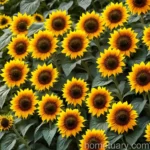
- Flowers: The plant produces bright yellow, daisy-like flowers with a prominent central disc, providing a burst of color during its flowering season.
- Habitat: It is well-adapted to woodland environments and prefers partial shade, although it can tolerate some sun.
Key Takeaways – Sunflower (Helianthus divaricatus)
Culture
- Native Range: Helianthus divaricatus is indigenous to eastern and central North America, including regions such as Ontario, New York, and Michigan.
- Habitat Preference: Woodland sunflowers thrive in rich, moist soils and are often found in open woodlands, along roadsides, and in clearings.
Uses
- Ecological Role: Helianthus divaricatus plays a crucial role in supporting biodiversity, providing nectar for pollinators, and contributing to the ecological balance of woodland ecosystems.
- Ornamental Value: Its showy flowers and attractive foliage make it a popular choice for ornamental garden plantings, particularly in naturalized and woodland-style gardens.
- Wildlife Attraction: The plant’s nectar and seeds attract a variety of pollinators, birds, and other wildlife, enhancing the ecological diversity of its habitat.
Water
- Watering: While woodland sunflowers have good tolerance for short periods of drought, regular watering is essential, particularly during dry spells, to support healthy growth and flowering.
Sunlight
- Light Requirements: Helianthus divaricatus thrives in partial shade to full sun, making it a versatile choice for shaded or semi-shaded areas in the garden or landscape.
Fertilizer
- Soil Enrichment: The plant benefits from organic matter-rich soils. Incorporating compost or well-rotted manure into the soil before planting can provide essential nutrients for robust growth.
Soil
- Soil Type: Woodland sunflowers prefer well-drained, loamy soils with ample organic content. A slightly acidic to neutral pH range (6.0-7.5) is ideal for optimal growth.
Pruning
- Maintenance: Regular deadheading of spent flowers can prolong the blooming period and promote a tidier appearance in the garden.
Propagation
- Seeds: Helianthus divaricatus can be propagated from seeds, and they can be sown directly into the garden soil in the fall or early spring.
Container Popularity
- Container Gardening: While traditionally planted in garden beds, woodland sunflowers can also thrive in large containers, providing an excellent option for patios and balconies.
Common Diseases
- Powdery Mildew: In humid conditions, sunflowers are susceptible to powdery mildew, a fungal disease that can affect their foliage.
Disease Diagnosis
- Fungal Infections: Regular inspection of the plant for signs of wilting, yellowing, or unusual spots can aid in identifying and addressing fungal infections promptly.
Common Pests
- Aphids: These small, sap-sucking insects can infest sunflowers, causing distortion of new growth and excreting honeydew, which can attract sooty mold.
Botanist’s Tips
- Companion Planting: Pairing woodland sunflowers with other shade-tolerant and woodland species can create aesthetically pleasing and ecologically beneficial plant communities.
- Mulching: Applying a layer of organic mulch around sunflowers can help retain soil moisture, suppress weed growth, and add nutrients as it decomposes.
Fun Facts
- Symbolism: Sunflowers are often associated with positivity, happiness, and longevity, and their distinctive inflorescence is known to exhibit a behavior called heliotropism, following the sun’s movement from east to west during the day.
Links to External Resources
As we delve deeper into the enchanting world of Helianthus divaricatus, let’s unravel its captivating attributes, benefits, and the art of nurturing these resilient and radiant beauties.
Sunflower (Helianthus divaricatus) Cultivation
Cultivating Helianthus divaricatus is a rewarding endeavor, offering a tapestry of benefits that extend beyond its aesthetic appeal. From supporting wildlife to contributing to the health of woodland ecosystems, woodland sunflowers are a valuable addition to both natural and cultivated landscapes.
Sunflower Benefits
- Biodiversity Support: Woodland sunflowers provide nectar for bees, butterflies, and other pollinators, contributing to the diversity and resilience of local ecosystems.
- Erosion Control: The robust root systems of Helianthus divaricatus help stabilize soil, reducing erosion in woodland areas and along stream banks.
- Natural Beauty: With its bright yellow flowers and appealing foliage, woodland sunflowers enhance the visual allure of woodland gardens and naturalized landscapes.
Sunflower Planting Guide
Timing
- Spring Planting: In regions with cold winters, seeds can be sown in early spring after the last frost date. In milder climates, fall planting can also be successful.
Soil Preparation
- Loosening Soil: Prior to planting, cultivate the soil to a depth of 6-8 inches to ensure good root penetration and drainage.
- Organic Amendments: Incorporate well-decomposed compost or aged manure to enrich the soil with essential nutrients.
Seed Planting
- Depth: Sow the seeds at a depth of ¼ to ½ inch in the prepared soil.
- Spacing: Allow for 18-24 inches between individual plants to accommodate their mature size and spreading habit.
Watering
- Initial Moisture: After planting, ensure the soil is evenly moist to support germination and early establishment.
- Subsequent Watering: Once established, regular, deep watering during dry periods promotes healthy growth and flowering.
Sunflower Growth Habits
- Vigorous Growth: Helianthus divaricatus exhibits robust growth once established, filling in the allocated space with its attractive foliage and bright blooms.
Sunflower Flowering Season
- Blooming Period: The plant typically produces its cheerful, yellow flowers from mid to late summer, adding a burst of color to the garden landscape.
Helianthus divaricatus Care
Sunflower Sun Requirements
- Partial Shade Tolerance: While tolerant of shade, providing some direct sunlight (at least 4-6 hours per day) can encourage optimal flowering and overall vigor.
Sunflower Soil Requirements
- Soil Texture: Well-drained, loamy soils are ideal for Helianthus divaricatus, ensuring good aeration and moisture retention without waterlogging.
Soil Enrichment
- Organic Matter: Regular applications of organic mulch and periodic additions of compost or organic fertilizers can fortify the soil and sustain the plant’s nutritional needs.
Sunflower Water Requirements
- Moderate Moisture: Balancing moisture levels is crucial, as overly wet or excessively dry conditions can compromise the plant’s health and vitality.
Drought Tolerance
- Adaptation: While not highly drought-tolerant, Helianthus divaricatus can withstand brief periods of dryness once established, thanks to its robust root system.
Sunflower Pruning Tips
- Deadheading: Removing spent flowers not only maintains a tidy appearance but also encourages the plant to redirect its energy into producing new blooms.
Sunflower Container Gardening
- Container Size: Opt for adequately sized containers that accommodate the plant’s mature dimensions and provide ample root space for healthy growth.
Sunflower Wildlife Attraction
- Pollinator Support: Woodland sunflowers are a beacon for various pollinators, including bees and butterflies, enhancing the ecological vibrancy of outdoor spaces.
Sunflower (Helianthus divaricatus) Uses
Sunflower Medicinal Properties
- Traditional Uses: In some indigenous cultures, parts of the sunflower plant were used for their purported medicinal properties, including treating respiratory ailments and promoting wound healing.
Sunflower Edible Seeds
- Nutritional Value: The seeds of Helianthus divaricatus are edible and can be a rich source of nutrients and healthy fats when properly processed.
Culinary Uses
- Snacking: Roasted sunflower seeds are a popular, nutritious snack, valued for their crunchy texture and potential health benefits.
Sunflower Symbolism
- Positive Associations: Sunflowers are commonly associated with traits such as happiness, positivity, and resilience, making them a favorite subject in art, literature, and cultural depictions.
Sunflower Ecological Restoration
- Habitat Enhancement: In ecological restoration projects, Helianthus divaricatus can be used to restore degraded woodland areas and support the recovery of native plant and animal species.
Helianthus divaricatus Ecosystem Benefits
- Ecological Contribution: Woodland sunflowers play a crucial role in supporting local ecosystems by providing resources for wildlife and contributing to the overall ecological balance.
Sunflower Habitat
- Woodland Environments: Helianthus divaricatus is well-adapted to woodland habitats, thriving in the dappled shade and rich, moist soils found in such settings.
Sunflower Pollinators
- Nectar Source: The plant’s abundant nectar serves as a vital food source for bees, butterflies, and other pollinators, supporting their populations and aiding in plant reproduction.
Sunflower Flower Arrangement Ideas
- Decorative Appeal: The bright and cheerful flowers of Helianthus divaricatus make stunning additions to floral arrangements and bouquets, adding a touch of natural charm to indoor spaces.
Sunflower Soil Enrichment
- Nutrient Cycling: By incorporating organic matter into the soil and enhancing its fertility, woodland sunflowers contribute to soil health and sustainable nutrient cycles.
Sunflower Natural Remedies
- Historical Practices: In traditional medicine, sunflower plant parts were utilized for various remedies and treatments due to their perceived beneficial properties.
Sunflower Sunflower Crafts
- Artistic Inspiration: The distinct appearance of Helianthus divaricatus, with its bold flowers and textured foliage, serves as an inspiration for artistic endeavors and creative crafts.
Sunflower Culinary Uses
- Seed Utilization: In addition to snacking, sunflower seeds are used in culinary creations, such as baked goods, salads, and as a garnish for various dishes.
Sunflower Worship
- Cultural Significance: Sunflowers have held symbolic and cultural significance in diverse societies, often representing concepts of adoration, vitality, and spiritual connections to nature.
Sunflower Ornamental Uses
- Garden Aesthetics: Helianthus divaricatus is a cherished ornamental plant, admired for its visual appeal and contribution to creating naturalistic garden designs.
Helianthus divaricatus Description
Woodland sunflowers, with their charming disposition and ecological significance, are a captivating addition to any landscape. From their lush foliage to their vibrant blooms, the appeal of Helianthus divaricatus extends far beyond mere aesthetics.
Sunflower Varieties
- Cultivated Forms: Various cultivated varieties of Helianthus divaricatus offer a range of flower colors, growth habits, and adaptability to different environmental conditions.
Sunflower Drought Tolerance
- Adaptation: While not inherently drought-tolerant, mature Helianthus divaricatus plants can endure brief periods of dryness, thanks to their extensive root systems.
Sunflower Pollinator Gardens
- Ecological Design: Helianthus divaricatus is an excellent addition to pollinator gardens, supporting a diverse range of beneficial insects and enhancing local ecological networks.
Sunflower Hybrid Varieties
- Varied Selection: Hybrids of Helianthus divaricatus offer an expanded array of traits, including specific flower colors, sizes, and disease resistance.
Helianthus divaricatus Native Range
- Natural Distribution: Helianthus divaricatus is native to specific regions in North America, revealing its distinct adaptations to local environmental conditions.
Sunflower Invasive Potential
- Native vs. Non-Native: As a native species, Helianthus divaricatus plays a harmonious role in local ecosystems and does not pose invasive threats in its natural range.
Sunflower Climate Tolerance
- Adaptability: Woodland sunflowers exhibit adaptability to a range of climate conditions within their native range, showcasing their resilience in diverse environments.
Helianthus divaricatus Fascinating Facts
Sunflower Life Cycle
- Life Span: Helianthus divaricatus is a long-lived perennial, exhibiting vigorous growth and dependable flowering in appropriate conditions.
Sunflower Biodiversity Support
- Ecological Value: Woodland sunflowers contribute to the biodiversity and ecological resilience of their habitats, serving as crucial components of local food webs and ecological processes.
Sunflower Nitrogen Fixation
- Soil Enrichment: Like other members of the Asteraceae family, Helianthus divaricatus has the potential to participate in nitrogen fixation, beneficially influencing soil fertility.
Sunflower Growth Habits
- Vigor: Once established, Helianthus divaricatus displays robust growth, filling in spaces with its appealing foliage and bright inflorescences.
Sunflower Flowering Season
- Seasonal Display: Woodland sunflowers delight gardeners and nature enthusiasts with their profuse flowering during the mid to late summer months.
Helianthus divaricatus Ecosystem Role
- Ecological Engagement: Woodland sunflowers actively contribute to the ecological balance and functioning of woodland habitats through their interactions with other organisms.
Helianthus divaricatus Propagation
Sunflower Seed Germination
- Germination Requirements: Helianthus divaricatus seeds require adequate moisture, light, and suitable temperatures to germinate successfully.
Sunflower Habitat Restoration
- Ecological Intervention: In ecological restoration projects, Helianthus divaricatus can be utilized to reinstate the native vegetation and ecosystems of degraded woodland areas.
Sunflower Soil Enrichment
- Nutrient Cycling: The incorporation of organic matter by Helianthus divaricatus supports soil health and fertility, contributing to sustainable nutrient cycling in its habitat.
Sunflower Hybrid Varieties
- Cultivated Selection: Cultivated hybrids of Helianthus divaricatus offer tailored traits that cater to specific horticultural and ecological needs, expanding the range of applications for the species.
Conclusion
In conclusion, the captivating qualities and multifaceted contributions of Helianthus divaricatus, also known as woodland sunflower, underscore its significance as a cherished ornamental, an ecological ally, and a source of inspiration for creative and practical ventures. From supporting local biodiversity to adding a touch of natural grandeur to diverse landscapes, the allure of woodland sunflowers continues to flourish, inviting both admiration and appreciation for the beauty and resilience of this remarkable plant.
As we celebrate the virtues of Helianthus divaricatus, may its radiant blooms and enduring presence remind us of the intrinsic connections between nature, art, and well-being, inspiring a deeper appreciation for the enchanting world of sunflowers and the ecosystems they enrich.
Explore more about the delightful world of sunflowers and the captivating attributes of Helianthus divaricatus through the following resources: