Betula nigra ‘Heritage’ (River Birch): A Plant Scientist’s Guide
In the realm of plant science, specific species and varieties of plants often hold their own unique value and characteristics. In this blog post, we will delve into the intricacies of Betula nigra ‘Heritage’ (commonly known as River Birch), exploring its cultural significance, uses, environmental benefits, maintenance, and much more.
What is Betula nigra ‘Heritage’ (River Birch)?
Betula nigra ‘Heritage’ is a deciduous tree that belongs to the Betulaceae family, commonly known as the birch family. It is native to the Eastern United States and is particularly prevalent around riverbanks and streams. This species is cherished for its slender, graceful form, and its peeling, cinnamon to salmon bark that reveals a lighter inner bark.
Key Takeaways – Betula nigra ‘Heritage’ (River Birch)
Let’s first take a look at the key takeaways for Betula nigra ‘Heritage’ – River Birch. These fundamental points will provide a concise overview of the plant before diving into more detailed aspects.
Culture
- Common Name: River Birch
- Scientific Name: Betula nigra ‘Heritage’
- Plant Type: Deciduous Tree
- Best Used For: Landscaping, Shade, Ornamental Purposes
- Native Area: Eastern United States
Uses
- Landscaping: River Birch is often used in landscaping for its graceful form and attractive, peeling bark, adding visual interest to outdoor spaces.
- Shade: Its spreading canopy makes it an excellent choice for providing shade in gardens and parks.
- Ornamental Purposes: The unique appearance, especially the distinctive bark, makes it an attractive choice for ornamental landscaping.
Water
- Water Needs: Medium to High. River Birch typically prefers moist and well-drained soil, though it also exhibits some tolerance to wet conditions.
Sunlight
- Sunlight Preferences: Full Sun to Partial Shade. River Birch thrives in full sun but can also tolerate partial shade.
Fertilizer
- Fertilization: Minimal to Moderate. River Birch doesn’t have high fertilizer requirements, though occasional feeding can be beneficial, especially for younger trees.
Soil
- Soil Type: Moist, Acidic, Well-Drained. It prefers slightly acidic to neutral soil but can adapt to a range of soil conditions.
Pruning
- Pruning Needs: Minimal. Regular maintenance to remove dead or diseased branches is generally sufficient.
Propagation
- Propagation: River Birch can be propagated through seeds and softwood cuttings, but the former is more commonly practiced.
Container Popularity
- Container Planting: River Birch is not an ideal choice for container planting due to its extensive root system and large size once mature.
Container Common Diseases
- Disease Susceptibility: River Birch may be prone to leaf spot, dieback, and rust diseases under specific environmental conditions.
Disease Diagnosis
- Diagnosis: Watch for signs such as leaf discoloration, premature leaf drop, and twig dieback. Consulting with a local plant specialist is advisable for accurate diagnosis.
Common Pests
- Pests: Bronze Birch Borer and Birch Leafminer are common pests that can infest River Birch trees.
The next sections will delve deeper into each of these aspects to provide an in-depth understanding of Betula nigra ‘Heritage’ (River Birch).
Plant Description
Appearance
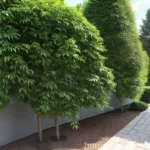
River Birch is known for its elegant appearance, with a slender, pyramidal to oval crown. The bark, in shades of cinnamon to salmon, peels to reveal lighter inner bark, adding to its visual appeal. The leaves are diamond-shaped and doubly serrated, with a green coloration that turns yellow in the fall, creating a stunning display of autumn foliage.
Growth and Size
This tree is relatively fast-growing and can reach a height of 40 to 70 feet, with a spread of 40 to 60 feet at maturity. It typically grows in a multi-trunked form, adding to its aesthetic allure.
Cultural Significance and Historical Use
In addition to its ornamental and landscaping value, River Birch holds cultural significance in certain native American tribes. The inner bark was historically used for medicinal purposes, and the wood was employed in crafting various tools and implements.
Environmental Benefits and Wildlife Attraction
Apart from its aesthetic appeal, River Birch offers several environmental benefits. Its extensive root system aids in soil stabilization, making it a valuable choice for erosion control. Additionally, the tree attracts birds that nest in its branches, contributing to local biodiversity.
Planting and Maintenance
Landscape Use
River Birch is well-suited for a range of landscape applications, including:
– Residential Landscapes: It adds an elegant touch to residential gardens and outdoor spaces.
– Commercial Landscapes: Many commercial properties utilize River Birch for its aesthetic qualities and low maintenance requirements.
– Public Parks: Its shade-providing capabilities make it a popular choice in public parks and green spaces.
Planting Tips
When planting River Birch, it’s essential to consider the following tips for the best results:
– Location: Choose a spot with well-drained soil and sufficient space for its mature size.
– Spacing: Given its wide canopy, ensure adequate spacing between trees when planting multiple River Birches.
– Watering: Provide consistent moisture, especially during the establishment phase.
Soil Requirements
River Birch thrives in moderately moist, slightly acidic to neutral soil. It is adaptable to a range of soil types, from loam to clay, as long as they are well-drained.
Sunlight Preferences
This species prefers full sun to partial shade. While it thrives in full sun conditions, it can tolerate some shade, especially in hot climates.
Water Needs
River Birch has medium to high water needs, making it well-suited for areas with consistent moisture. It shows tolerance to occasional flooding, making it an excellent choice for riparian zones.
Disease Resistance
While generally robust, River Birch can be susceptible to certain diseases, such as leaf spot and dieback, under specific environmental conditions. Regular monitoring and appropriate cultural practices can help minimize these risks.
Pruning and Maintenance
Pruning needs for River Birch are minimal, primarily focused on removing dead, damaged, or crossing branches. Regular inspections can aid in early detection of any issues, allowing for prompt corrective action.
Wildlife Attraction
This tree attracts a variety of wildlife, including birds, due to its nesting opportunities and seeds. It contributes to local ecosystems and adds to the biodiversity of the area where it is planted.
Conclusion
Betula nigra ‘Heritage’ (River Birch): A Valuable Addition to Landscapes
In conclusion, Betula nigra ‘Heritage’ (River Birch) stands out as an excellent choice for enhancing landscapes, providing shade, and contributing to the ecological balance in its native habitats. Its graceful form, striking bark, and environmental benefits make it a valuable addition to a wide range of outdoor spaces. By understanding its specific cultural, maintenance, and environmental requirements, individuals and landscapers can make the most of the unique qualities that Betula nigra ‘Heritage’ brings to gardens, parks, and urban areas.
References
- Flora of North America Association. (2010). Betula nigra. Flora of North America North of Mexico. Retrieved from http://www.efloras.org/florataxon.aspx?flora_id=1&taxon_id=233500849
- Dirr, M. A. (2009). Manual of Woody Landscape Plants: Their Identification, Ornamental Characteristics, Culture, Propagation and Uses. Stipes Publishing.
- Lady Bird Johnson Wildflower Center. (n.d.). Betula nigra. Native Plant Database. Retrieved from https://www.wildflower.org/plants/result.php?id_plant=BENI