Asclepias Curassavica (Tropical Milkweed)
Asclepias curassavica, commonly known as Tropical Milkweed, is a vibrant and ecologically significant plant species belonging to the Asclepias genus. This.
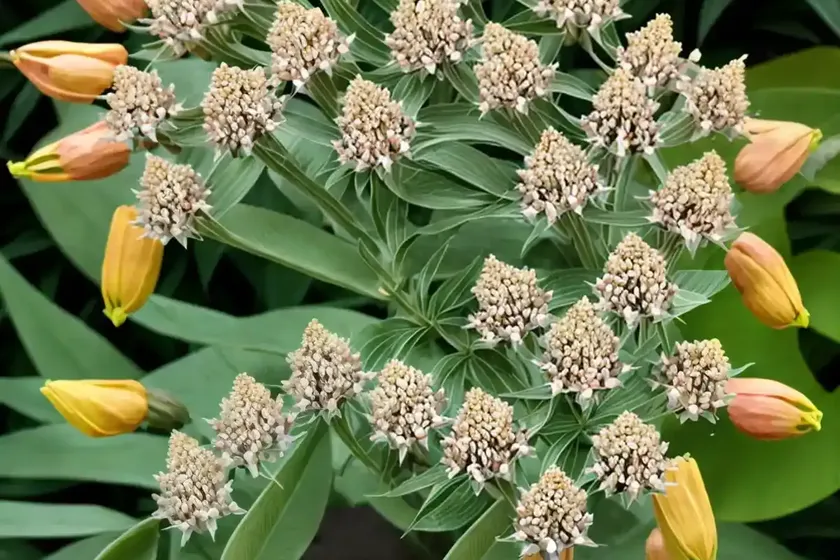
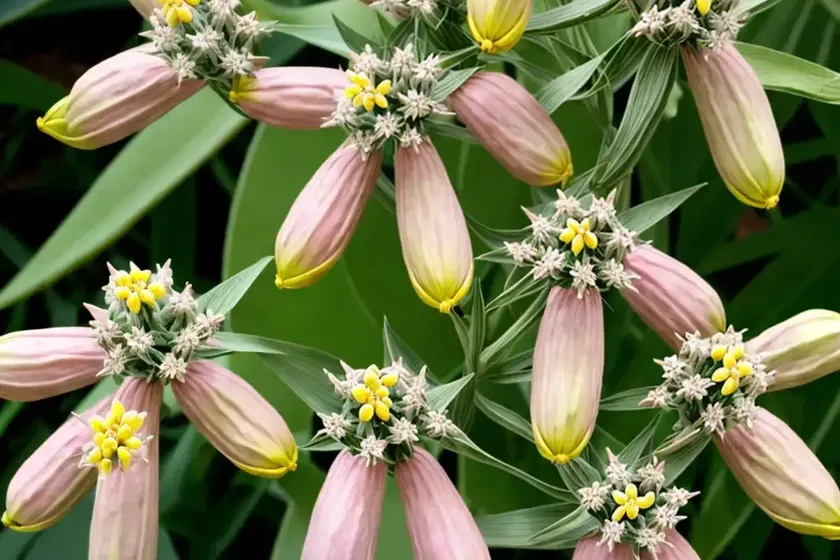
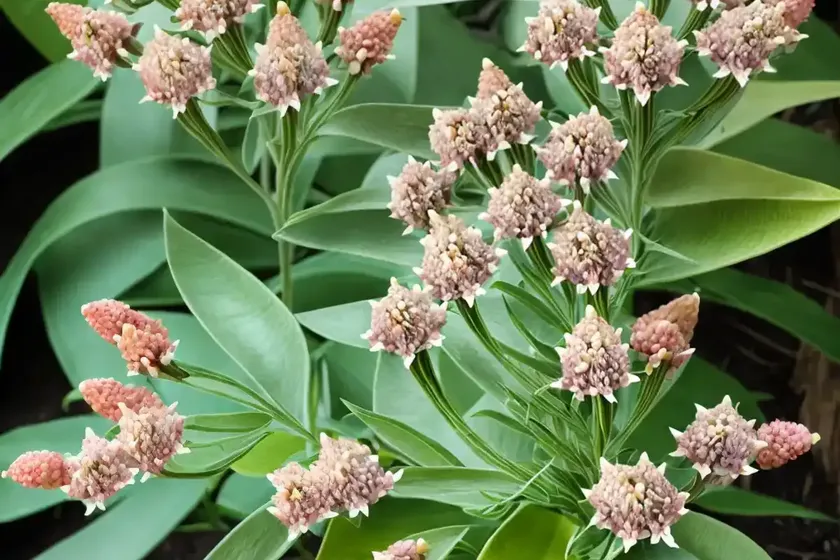
Asclepias curassavica, commonly known as Tropical Milkweed, is a vibrant and ecologically significant plant species belonging to the Asclepias genus. This plant is renowned for its role as a primary host plant for the charismatic Monarch butterfly (Danaus plexippus), making it of immense importance in butterfly conservation efforts. Additionally, its stunning red and yellow flowers make it an attractive addition to pollinator gardens and landscapes.
This comprehensive guide provides valuable insights into the culture, uses, care, and propagation of Asclepias curassavica. From discussing its significance in attracting monarch butterflies to its habitat requirements and maintenance, this article aims to serve as a go-to resource for plant enthusiasts, butterfly conservationists, and gardeners.
Key Takeaways – Asclepias curassavica (Tropical Milkweed)
Before delving into the details of Tropical Milkweed, let’s take a quick look at the key takeaways associated with this charismatic plant.
- Common Names: Tropical Milkweed, Butterfly Weed, Red Butterfly Flower
- Scientific Name: Asclepias curassavica
- Importance: Primary host plant for Monarch butterflies; attracts a diverse range of pollinators; valuable addition to butterfly gardens and urban landscapes
- Characteristics: Vibrant red and yellow flowers; contains medicinal properties; drought-tolerant
- Cultural Significance: Vital for butterfly conservation efforts and preserving the Monarch butterfly population
- Cultural Practices: Propagation through seeds and cuttings; requires well-draining soil; moderate water and sunlight needs
- Challenges: Susceptible to specific pests and diseases, which can be mitigated with proper care and maintenance
With these key takeaways in mind, let’s dive deeper into various aspects of the Tropical Milkweed, ranging from its cultural practices to its role as a pollinator plant.
What is Asclepias curassavica (Tropical Milkweed)?
Plant Description
Asclepias curassavica, a member of the Apocynaceae family, is a striking perennial herbaceous plant that is native to South America and the Caribbean. It has also naturalized in various other tropical and subtropical regions, including parts of North America, due to its ornamental and ecological value. The plant’s common names, such as Tropical Milkweed and Butterfly Weed, allude to its tropical origins and its role as a crucial resource for the survival and reproduction of Monarch butterflies.
Morphological Features
The plant’s system of stems and leaves, as well as its distinct flowers, are of particular interest. Let’s explore some of its fundamental morphological features:
- Stems: The plant features slender, upright stems that can reach heights of up to 3 feet tall, providing an attractive vertical element in gardens and landscapes.
- Leaves: The elongated, lance-shaped leaves are arranged alternately along the stems. They exude a milky white sap when broken, which is a characteristic feature of plants within the Asclepias genus.
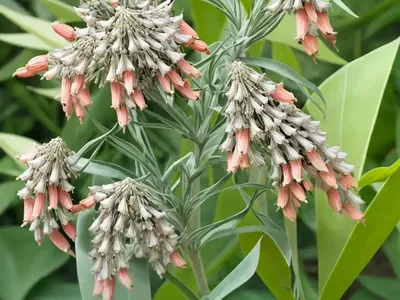
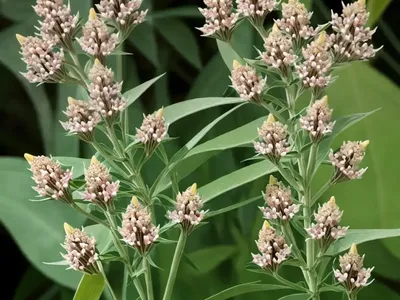
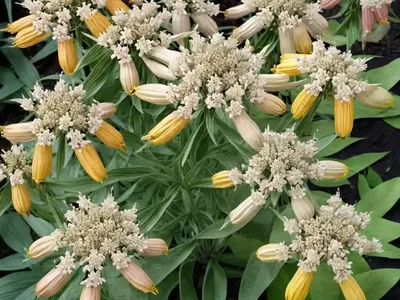
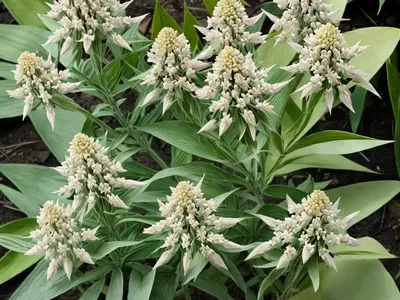
- Flowers: The vivid red, orange, and yellow flowers are borne in showy umbels, creating eye-catching displays throughout the blooming season. These intricate and nectar-rich flowers are an essential source of sustenance for various pollinators, especially Monarch butterflies and other butterfly species.
Ecological Significance
Asclepias curassavica plays a pivotal role in supporting the life cycle of Monarch butterflies. Female Monarchs lay their eggs exclusively on milkweed plants, as the subsequent caterpillars, or larvae, depend solely on milkweed as their primary food source. Consequently, the presence of Tropical Milkweed in gardens and natural habitats is critical for sustaining and nurturing Monarch populations, particularly during their migration and breeding seasons.
The plant’s ecological significance extends beyond its role as a host plant for Monarchs. Its nectar-rich flowers attract an array of pollinators, including bees, butterflies, and hummingbirds, contributing to the overall biodiversity and health of ecosystems.
Given its rich heritage, unique morphological features, and indispensable ecological value, Asclepias curassavica holds profound significance in the realm of horticulture, conservation, and ecological restoration.
Culture
Uses
Asclepias curassavica boasts a diverse range of uses, each contributing to its cultural significance and ecological worth. Here are some prominent uses of Tropical Milkweed:
- Butterfly Gardens: The plant is a staple component of butterfly gardens, where it serves as a primary host plant for Monarch butterflies. Its presence is essential for successful Monarch breeding and propagation.
- Pollinator Attraction: The vibrant flowers of Asclepias curassavica are a valuable resource for a broad spectrum of pollinators, including bees, butterflies, and other beneficial insects. Integrating this plant in gardens and landscapes can foster biodiversity and support pollinator populations.
- Erosion Control: In certain regions where it is well-suited, the deep roots of Tropical Milkweed can aid in stabilizing soil and preventing erosion, making it a practical addition to landscape restoration projects.
- Ornamental Value: Beyond its ecological benefits, the plant’s captivating flowers and foliage make it a visually appealing addition to gardens, urban landscapes, and roadside plantings.
Each of these uses underlines the multifaceted nature of Asclepias curassavica and its integral role in supporting biodiversity, ecological stability, and aesthetic appeal.
Water
Watering Needs: Asclepias curassavica displays moderate water requirements and is relatively drought-tolerant once established. However, it is crucial to ensure adequate moisture, particularly during its initial establishment and flowering periods. Here are some essential watering guidelines for Tropical Milkweed:
- Establishment Phase: Newly planted specimens benefit from regular, consistent watering to promote root development and overall vigor. Providing ample moisture during this phase enhances the plant’s ability to withstand environmental stress and establish a healthy root system.
- Blooming Season: During periods of active growth and flowering, maintaining moist, but not waterlogged, soil is essential for promoting robust flowering and sustaining nectar production for visiting pollinators.
Sunlight
Sunlight Requirements: Asclepias curassavica thrives in full to partial sun exposure, exhibiting a preference for ample sunlight during the majority of the day. Sufficient sunlight is integral to the plant’s growth, flowering capacity, and overall health. Consider these sunlight considerations for Tropical Milkweed:
- Optimal Conditions: Provide the plant with at least 6 hours of direct sunlight per day for optimal growth and flower production. In regions characterized by intense heat, partial shade during the hottest part of the day may be beneficial to prevent leaf scorch.
- Container Cultivation: For container-grown specimens, ensure placement in a location that receives abundant sunlight throughout the day. Implementing appropriate shading measures can help mitigate the risk of excessive heat stress and sunburn.
Fertilizer
Fertilization Guidelines: When it comes to fertilizing Asclepias curassavica, a mindful and balanced approach is key to promoting vigorous growth and flower development while avoiding excessive nutrient accumulation. Here’s a succinct overview of fertilization practices for Tropical Milkweed:
- Soil Amendment: Prior to planting, incorporate organic matter such as compost or well-decomposed manure into the soil to enhance its fertility and structure. This preparatory step sets the foundation for sustained plant health and vitality.
- Fertilizer Type: Utilize a balanced, slow-release fertilizer or a formulation specifically formulated for flowering perennials. This can provide essential nutrients without inducing rapid, lush growth that may compromise the plant’s resilience to pests and diseases.
- Application Timing: Administer fertilizer during the early spring as new growth emerges. Avoid over-fertilizing, as excessive nitrogen can lead to weak stems and foliage, potentially attracting pests and detracting from the plant’s overall health.
Remaining cognizant of the plant’s nutritional demands and implementing a conservative, yet tailored, fertilization regimen can contribute to the long-term success of Asclepias curassavica in various cultivation settings.
Soil
Soil Requirements: Asclepias curassavica exhibits a preference for well-draining soils with moderate fertility levels, emphasizing the significance of soil quality in its cultivation. Consider the following soil considerations when establishing and maintaining Tropical Milkweed:
- Drainage: Ensure the soil possesses excellent drainage characteristics, as excessive moisture retention can predispose the plant to root rot and other detrimental conditions. Amending heavy clay or compacted soils with organic matter can help enhance their drainage capacity.
- Fertility: Select soils that are moderately fertile, with ample organic content to support the plant’s nutritional needs. Amending the soil with compost or aged manure can enrich its fertility and structure, promoting optimal growth and vigor.
- pH Levels: Asclepias curassavica thrives in slightly acidic to neutral soil pH levels, typically within the range of 6.5 to 7.5. Conduct a soil test before planting to ascertain and optimize the soil pH, ensuring it falls within the conducive range for the plant’s development.
Adhering to these soil guidelines fosters an optimal growing environment for Tropical Milkweed, fortifying its capacity to withstand environmental stress and thrive throughout its lifecycle.
Pruning
Pruning Practices: Pruning plays a pivotal role in maintaining the health, appearance, and ecological contributions of Asclepias curassavica. By implementing strategic pruning practices, gardeners can nurture the plant’s growth, prolong its blooming period, and promote a tidy, visually appealing appearance. Here are essential pruning considerations for Tropical Milkweed:
- Deadheading: Regular deadheading, or the removal of spent flowers, encourages continuous blooming and prevents the formation of seedpods. This practice supports sustained nectar production for visiting pollinators and showcases the plant’s vibrant flowers throughout the growing season.
- Stem Trimming: Periodically trimming back tall, leggy stems can promote bushier growth and prevent the plant from becoming overly lanky. Aim to execute stem trimming in early summer to maintain the plant’s structural integrity and aesthetic appeal.
- Overwintering Pruning: In regions with frost or freezing temperatures, prune back the plant to a few inches above ground level after its foliage has died back in late fall or early winter. This prepares the plant for the dormant season and ensures a rejuvenated, vigorous regrowth in the subsequent spring.
Integration of these pruning practices into the plant’s maintenance regimen bolsters its performance, resilience, and ecological value, making it a more effective asset in gardens and natural landscapes.
Propagation
Propagation Methods: Asclepias curassavica can be propagated through various techniques, all of which aim to yield new, healthy plants for diverse cultivation endeavors. Explore the primary propagation methods utilized for Tropical Milkweed:
- Seed Propagation: Sow seeds indoors in pots or seed trays 6 to 8 weeks before the last expected frost date. Use a well-draining seed-starting mix and maintain consistent moisture until germination occurs. Transplant the seedlings outdoors once all risk of frost has passed, spacing them appropriately to allow for their mature size.
- Stem Cuttings: Harvest stem cuttings from healthy, established plants in the spring or early summer. Remove several inches of non-flowering stem and plant them in a well-draining potting mix to root. Keep the cuttings adequately moist and provide them with gentle warmth and indirect light to foster root development.
By harnessing these propagation techniques, individuals can expand their collection of Asclepias curassavica, support butterfly conservation initiatives, and integrate this charismatic plant into a wider array of landscapes and gardens.
Container Popularity
Container Cultivation: Asclepias curassavica exhibits a high level of adaptability to container cultivation, making it a sought-after choice for individuals with limited garden space or those seeking to create portable butterfly and pollinator inclusions. Embrace the following considerations when cultivating Tropical Milkweed in containers:
- Container Type: Choose spacious, well-draining containers with adequate depth to accommodate the plant’s robust root system. The container’s size should align with the plant’s mature dimensions, promoting unhindered root development.
- Soil Selection: Utilize a nutrient-rich, well-draining potting mix with sufficient organic matter to sustain the plant’s vigor and health. Consider incorporating perlite or coarse sand to enhance drainage and aeration within the container.
- Placement: Position the container in a location that receives ample sunlight, ensuring the plant’s photosynthetic requirements are adequately met. Regularly monitor the container for moisture needs and protect it from excessive heat or sudden temperature changes.
The versatility and visual appeal of container-grown Asclepias curassavica make it an exceptional addition to urban gardens, balconies, and small-scale landscapes, facilitating its integration into diverse cultivation scenarios.
Common Diseases
Disease Diagnosis
Asclepias curassavica is susceptible to specific diseases that, if left unmanaged, can detrimentally impact its health and ecological functionality. Recognizing the symptoms and causal agents of these diseases is fundamental to implementing timely and effective control measures. Here are some common diseases that affect Tropical Milkweed:
- Fungal Diseases: Various fungal pathogens, including powdery mildew and downy mildew, can afflict the foliage and stems of Asclepias curassavica, leading to the formation of powdery or fuzzy growth on the plant’s surface. These diseases thrive in conditions characterized by high humidity and insufficient airflow, necessitating proactive management strategies.
- Bacterial Infections: Bacterial diseases such as bacterial leaf spot and bacterial wilt can manifest as discolored, necrotic lesions on the leaves and stems, ultimately compromising the plant’s structural and physiological integrity. Implementing preventative measures is crucial for averting bacterial infection and curbing its spread.
- Viral Diseases: Viral infections, although less common, can induce stunted growth, leaf yellowing, and overall decline in the health of Asclepias curassavica. Avoiding the introduction of infected plant material and enacting cultural practices that promote the plant’s vigor can mitigate the risk of viral diseases.
Upon observing symptoms suggestive of disease presence, it is imperative to promptly diagnose the issue and initiate targeted management actions to circumvent extensive damage and ensure the continued health and resilience of Tropical Milkweed.
Common Pests
Pests and Their Impact
Asclepias curassavica, while resilient to certain stressors, can fall victim to various pests that jeopardize its vitality and ecological contributions. It is imperative to identify and address pest issues proactively to safeguard the plant’s health and ecological value. Here are some notable pests that may afflict Tropical Milkweed:
- Aphids (Aphidoidea): These small, soft-bodied insects are adept at colonizing the tender growth of Asclepias curassavica, where they extract sap and excrete honeydew, compromising the plant’s vigor and promoting the growth of sooty mold.
- Milkweed Bugs (Oncopeltus fasciatus): Characterized by their distinct red and black coloration, milkweed bugs feed on the seeds and developing pods of the plant, potentially reducing seed set and impacting the plant’s reproductive success.
- Mites (Tetranychus spp.): Various species of mites, including the notorious spider mites, can accumulate on the undersides of the plant’s leaves, puncturing the plant tissues and inflicting damage that results in stippling and discoloration.
Understanding the behavioral patterns and feeding preferences of these pests is pivotal to orchestrating tailored pest management strategies that mitigate pest damage while upholding the ecological balance within the garden or natural habitat.
Botanist’s Tips
Best Practices for Asclepias curassavica
Incorporating research-backed best practices into the cultivation, maintenance, and conservation of Asclepias curassavica can amplify its ecological contributions and ensure its enduring health and functionality. Here are some essential tips from botanists and horticulturists to optimize the success of Tropical Milkweed:
- Promote Monarch Conservation: Devote garden space to the cultivation of Asclepias curassavica to facilitate Monarch breeding and foraging habitat, contributing to the conservation of this iconic butterfly species.
- Integrated Pest Management (IPM): Embrace an integrated approach to pest management, prioritizing biological controls, cultural practices, and minimal intervention before resorting to chemical treatments.
- Educational Outreach: Educate community members, schools, and local organizations about the ecological value of Tropical Milkweed and the role it plays in supporting pollinators and butterfly populations.
By integrating these tips and recommendations into horticultural and conservation efforts, individuals and communities can elevate the significance and impact of Asclepias curassavica in their respective landscapes and regions.
Fun Facts
Intriguing Insights about Asclepias curassavica
Discover some captivating and lesser-known facts about Asclepias curassavica that illuminate its ecological prowess and cultural significance:
- Migratory Monarch Magnet: The nectar-rich flowers of Tropical Milkweed serve as a critical refueling point for migrating Monarch butterflies as they journey thousands of miles between their overwintering grounds and breeding sites.
- Medicinal Properties: Certain indigenous cultures have harnessed the medicinal attributes of Asclepias curassavica, employing the plant in traditional herbal remedies and potions due to its purported healing properties.
- Global Distribution: While native to the tropical regions of South America and the Caribbean, the plant has established naturalized populations in other tropical and subtropical locales, including parts of North America and Asia.
These intriguing facts underscore the multi-faceted nature of Asclepias curassavica, positioning it as a plant of historical, ecological, and cultural significance.
Links to External Resources
Concluding this comprehensive guide, here are some reputable external resources for further learning and exploration of Asclepias curassavica and its associated topics:
- Monarch Butterfly Garden: A comprehensive site offering insights into creating monarch habitats and the role of milkweed in supporting Monarch butterflies.
- The Xerces Society for Invertebrate Conservation: An organization dedicated to the protection and conservation of invertebrates, including butterflies and their host plants.
- National Wildlife Federation: A leading conservation organization providing resources on gardening for wildlife and creating pollinator-friendly landscapes.
These external resources serve as invaluable repositories of knowledge and practical guidance, catering to individuals keen on augmenting their understanding of Tropical Milkweed, butterfly conservation, and sustainable horticultural practices.
In conclusion, Asclepias curassavica, better known as Tropical Milkweed, embodies a captivating amalgamation of ecological significance, ornamental allure, and horticultural value. Its pivotal role in the life cycle of Monarch butterflies, coupled with its ecological contributions to pollinator habitats, have positioned this plant as a cornerstone in efforts to preserve biodiversity, support butterfly populations, and foster sustainable landscapes. By harnessing the knowledge and recommendations presented in this guide, individuals and communities can harness the power of Asclepias curassavica to enrich their environments, embrace responsible stewardship, and safeguard the prosperity of pollinator species and ecosystems.
Whether integrated into butterfly gardens, urban green spaces, or restoration projects, Asclepias curassavica stands as an enduring symbol of