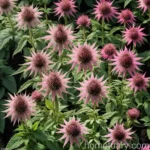
Bee Balm (Monarda ‘Mojo’): A Comprehensive Guide
As a passionate plant scientist, I am delighted to share insights into the captivating world of bee balm, specifically the Monarda ‘Mojo’ variety. This aromatic and visually stunning perennial plant leaves a lasting impression on any garden. Throughout this extensive guide, we will delve into various aspects of the bee balm: its culture, uses, care, and maintenance, along with unique insights provided by botanists. Even if you are new to gardening, the information in this guide will equip you with in-depth knowledge to enhance your green thumb.
What is Bee Balm (Monarda ‘Mojo’)?
Bee balm, scientifically referred to as Monarda, encompasses a diverse group of flowering plants that belong to the mint family, Lamiaceae. These plants are renowned for their vibrant, showy flowers that attract pollinators like bees, butterflies, and hummingbirds. Among the myriad of bee balm varieties, the Monarda ‘Mojo’ stands out with its distinct characteristics and versatility.
Key Takeaways – Bee Balm (Monarda ‘Mojo’)
Before delving into the specifics, let’s take a brief overview of the key takeaways about the Monarda ‘Mojo’:
- Plant Name: Monarda ‘Mojo’
- Botanical Name: Monarda (commonly referred to as bee balm)
- Characteristics: Aromatic foliage, prolific blooms, and attractiveness to pollinators
- Growth Habit: Herbaceous perennial
- Sunlight: Full sun to partial shade
- Soil Type: Well-draining soil
- Watering: Moderate moisture requirements
- Maintenance: Low-maintenance with occasional pruning
- Uses: Ornamental gardening, attracting pollinators, and culinary uses
As we progress, we will explore each of these aspects in detail to empower you with the knowledge necessary for nurturing thriving Monarda ‘Mojo’ plants.
Culture of Monarda ‘Mojo’
Understanding the culture of Monarda ‘Mojo’ is fundamental to ensuring the plant’s optimal growth and blooming. Let’s explore various factors that contribute to the successful cultivation of this captivating perennial.
Water
Monarda ‘Mojo’ thrives with moderate moisture levels, preferring consistently moist but well-draining soil. Avoid overwatering, as it can lead to root rot. During dry spells, regular watering is essential, especially for plants in containers or newly established specimens.
Sunlight
Typically, Monarda ‘Mojo’ flourishes in full sun, where it receives at least six hours of direct sunlight per day. However, it can also tolerate partial shade, making it a versatile option for different garden settings.
Fertilizer
When it comes to fertilizing Monarda ‘Mojo’, a balanced, all-purpose fertilizer can be applied in the early spring as new growth emerges. Avoid excessive use of high-nitrogen fertilizers, as it can promote lush foliage at the expense of flowering.
Soil
The ideal soil for Monarda ‘Mojo’ is well-draining and fertile, with a slightly acidic to neutral pH. Amending the soil with organic matter such as compost can improve its texture and nutrient content, contributing to the plant’s overall health and vigor.
Pruning and Maintenance
The maintenance requirements for Monarda ‘Mojo’ are relatively low, making it an attractive option for gardeners seeking a resilient and visually appealing plant. Here are some essential tips for pruning and maintaining Monarda ‘Mojo’:
- Deadheading: Regular deadheading of spent blooms can promote continuous flowering and prevent the plant from expending energy on seed production.
- Pruning: In late spring or early summer, pruning Monarda ‘Mojo’ by cutting back the stems by one-third can enhance its overall appearance and encourage new growth.
Propagation
Propagating Monarda ‘Mojo’ can be achieved through several methods, including division, cuttings, and seed propagation. Each technique offers unique advantages and challenges, allowing gardeners to choose the most suitable approach based on their preferences and resources.
- Division: Dividing mature Monarda ‘Mojo’ plants every few years can rejuvenate them and create additional specimens for expanding the garden or sharing with fellow gardening enthusiasts.
- Cuttings: Taking stem cuttings and rooting them in a well-prepared growing medium can yield new Monarda ‘Mojo’ plants, ensuring genetic uniformity with the parent plant.
- Seeds: Harvesting and sowing Monarda ‘Mojo’ seeds can be a rewarding experience, providing an opportunity to observe the complete lifecycle of this enchanting perennial from germination to blooming.
Container Popularity
Monarda ‘Mojo’ displays remarkable adaptability to container gardening, making it a versatile choice for gardeners with limited space or those aiming to create portable floral displays. When cultivating Monarda ‘Mojo’ in containers, it is crucial to ensure sufficient drainage, appropriate soil, and adequate sunlight to support its growth and blooming.
Uses of Bee Balm (Monarda ‘Mojo’)
Beyond its ornamental value, bee balm, particularly the Monarda ‘Mojo’, serves various practical and aesthetic purposes. Let’s explore the diverse applications of this captivating plant, ranging from attracting pollinators to culinary and medicinal uses.
Attracting Pollinators
One of the most renowned characteristics of Monarda ‘Mojo’ is its remarkable ability to attract pollinators, including bees, butterflies, and hummingbirds. These essential garden visitors contribute to the pollination of various plants, fostering biodiversity and ecological balance.
Culinary Uses
The aromatic leaves of Monarda ‘Mojo’ possess a distinct, citrusy flavor, making them a delightful addition to culinary creations. From beverages to savory dishes and desserts, bee balm lends a unique zest that elevates the overall dining experience.
Medicinal Benefits
Throughout history, certain Monarda species have been valued for their medicinal properties, particularly in Native American traditional medicine. While Monarda ‘Mojo’ shares some of these characteristics, it is essential to consult reliable sources and professionals before utilizing it for medicinal purposes.
Ornamental Gardening
In gardens and landscapes, Monarda ‘Mojo’ is a cherished addition, imbuing outdoor spaces with vibrant colors, captivating fragrance, and dynamic movement as pollinators visit its blossoms. Its versatility within mixed borders, herb gardens, and naturalistic plantings renders it a valuable asset for horticultural enthusiasts.
Common Diseases and Pests
Despite its resilience, Monarda ‘Mojo’ may encounter certain diseases and pests that can affect its vitality and appearance. By understanding these potential challenges, gardeners can take proactive measures to prevent and manage them effectively.
Disease Diagnosis
Several fungal diseases, such as powdery mildew and leaf spot, can affect Monarda ‘Mojo’ under certain environmental conditions. Timely identification and intervention through cultural practices and, if necessary, targeted treatments can mitigate the impact of these diseases.
Common Pests
In addition to diseases, Monarda ‘Mojo’ can attract various pests, including spider mites and aphids. Regular inspection, early detection, and the implementation of integrated pest management approaches can help maintain the plant’s health and robustness.
Botanist’s Tips for Growing Monarda ‘Mojo’
To provide diverse perspectives and insights into cultivating Monarda ‘Mojo’, we sought advice from experienced botanists and horticultural experts who offered valuable tips and recommendations. Here are some of the key insights shared by botanists:
- Ensuring Air Circulation: Adequate air circulation around Monarda ‘Mojo’ can reduce the risk of certain diseases, such as powdery mildew, which thrives in humid and stagnant conditions.
- Companion Planting: Pairing Monarda ‘Mojo’ with compatible companion plants, such as lavender, salvia, and echinacea, can create visually appealing combinations while providing mutual benefits to the plants.
Fun Facts about Monarda ‘Mojo’
To enrich our understanding and appreciation of Monarda ‘Mojo’, let’s explore some intriguing and lesser-known facts about this captivating plant:
- The aromatic leaves of Monarda ‘Mojo’ can be used to create natural dye, yielding vibrant hues for various artistic and textile applications.
- Due to its ecological value in attracting pollinators, Monarda ‘Mojo’ is often incorporated into wildlife gardening designs to enhance biodiversity and support local ecosystems.
Links to External Resources
For further exploration and in-depth information about Monarda ‘Mojo’ and bee balm in general, I recommend referring to reputable external resources, including the following:
- The Royal Horticultural Society (RHS) – A comprehensive source of horticultural information and guidance, featuring valuable insights into Monarda ‘Mojo’ and related species.
- Missouri Botanical Garden – A renowned botanical institution providing extensive botanical knowledge, including detailed plant profiles and cultivation guidelines.
By immersing ourselves in the enchanting world of Monarda ‘Mojo’, we have gained a profound appreciation for its ornamental, ecological, and practical significance. Whether enhancing garden landscapes, attracting pollinators, or imparting delightful flavors to culinary creations, this captivating perennial continues to captivate and inspire gardeners and nature enthusiasts worldwide. As we embrace the rich tapestry of nature’s offerings, Monarda ‘Mojo’ stands as a splendid testament to the enduring allure of plants and their profound impact on our lives.