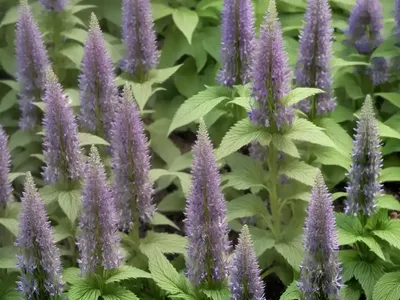
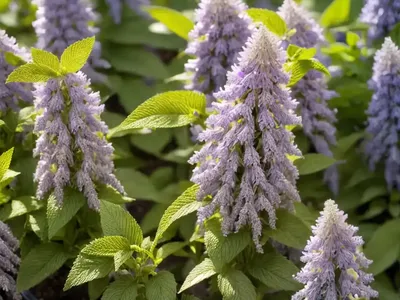
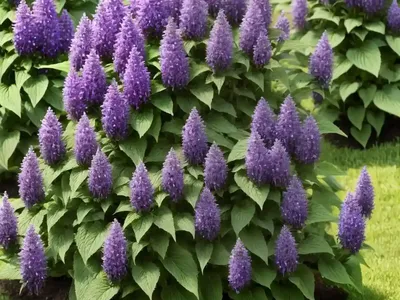
Giant Hyssop (Agastache ‘Firebird’)
Giant hyssop, scientifically known as Agastache ‘Firebird,’ is a stunning, vibrant plant that is a valuable addition to any garden. Its fiery red blooms.
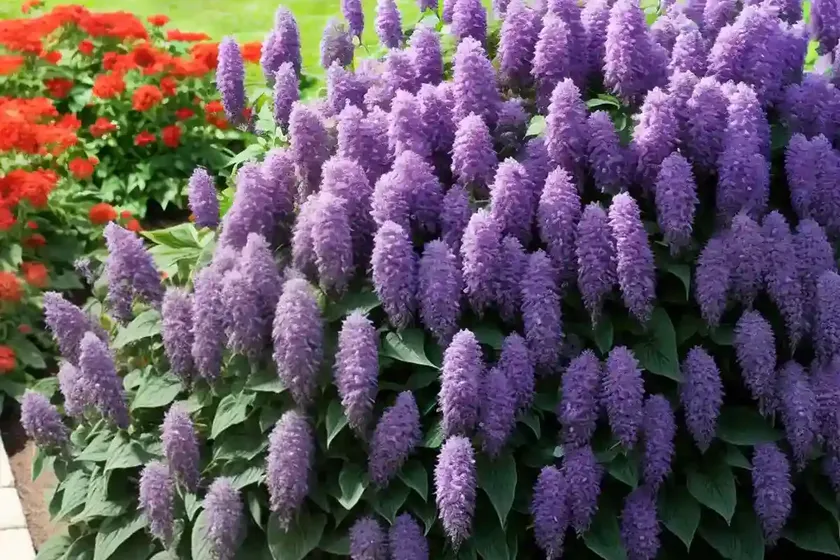
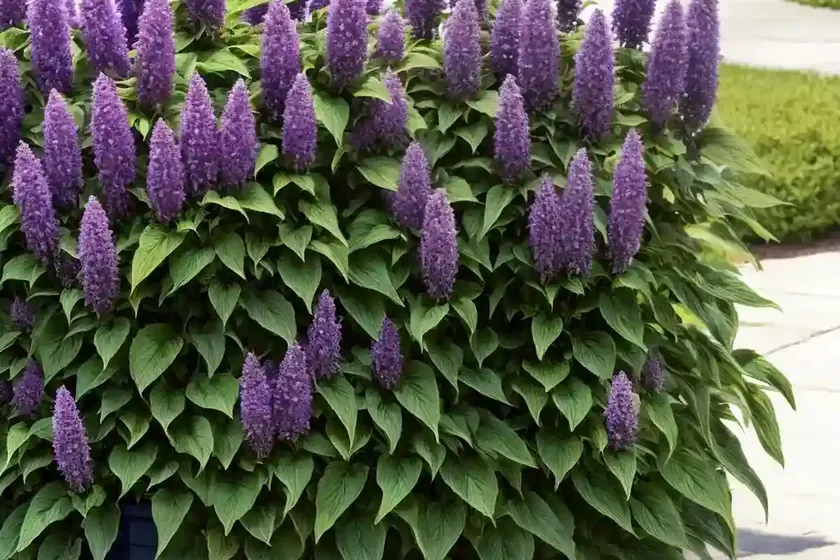
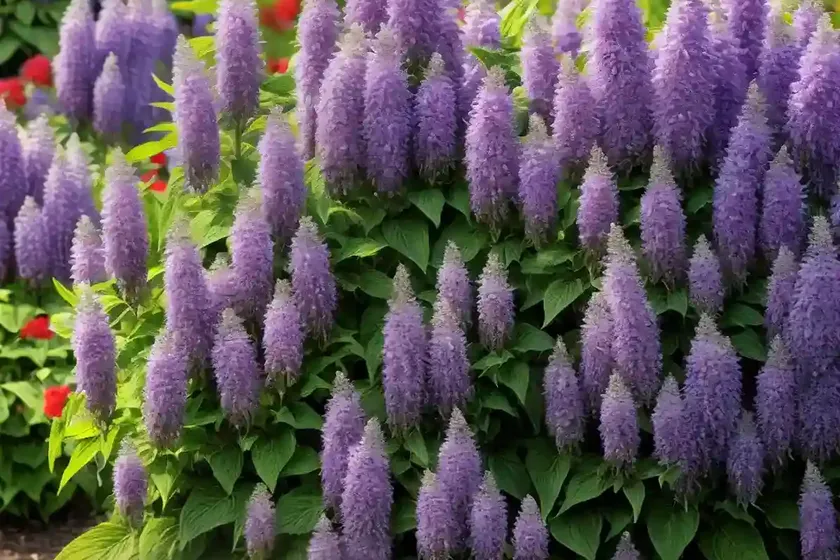
Giant hyssop, scientifically known as Agastache ‘Firebird,’ is a stunning, vibrant plant that is a valuable addition to any garden. Its fiery red blooms and aromatic foliage make it both visually appealing and useful for attracting pollinators. In this comprehensive guide, we will delve into the various aspects of this remarkable plant, including its culture, uses, care requirements, and much more.
What is Plant: Giant Hyssop (Agastache ‘Firebird’)?
Giant hyssop, or Agastache ‘Firebird’, is a cultivar of the Agastache plant variety. It belongs to the mint family, Lamiaceae, and is renowned for its striking appearance and versatility in different garden settings. This particular cultivar is prized for its vibrant scarlet-red flowers and aromatic foliage, making it a popular choice for gardeners looking to add color and fragrance to their outdoor spaces.
Key Takeaways – Giant Hyssop (Agastache ‘Firebird’)
Before delving into the specifics of giant hyssop cultivation, let’s highlight the key takeaways regarding this captivating plant:
- Common Name: Giant hyssop (Agastache ‘Firebird’)
- Scientific Name: Agastache ‘Firebird’
- Family: Lamiaceae
- Cultivar Type: Perennial
- Flower Color: Scarlet-red
- Foliage: Aromatic
- Uses: Ornamental, Pollinator-attractant, Culinary
- Main Features: Vibrant blooms, Fragrant foliage
- Growth Habit: Upright, Bushy
- Hardiness Zone: 5 – 10
Now, let’s explore the various aspects of giant hyssop, from its cultural requirements to its common uses.
Culture
Understanding the cultural requirements of giant hyssop (Agastache ‘Firebird’) is crucial for ensuring its optimal growth and overall well-being. This section will delve into the plant’s water and sunlight needs, preferred soil characteristics, fertilization requirements, and pruning methods.
Uses
Giant hyssop (Agastache ‘Firebird’) serves multiple purposes in garden landscapes and beyond. Not only is it a visually appealing ornamental plant, but it also attracts beneficial pollinators and can be utilized for culinary and medicinal applications.
Water
Proper watering is essential for the health and vitality of giant hyssop. While this plant is known for its drought tolerance, it still requires regular watering, especially during periods of prolonged dryness. It’s essential to strike a balance to prevent overwatering, which can lead to root rot, and underwatering, which can cause stress and reduced blooming.
- Watering Tips:
- Water deeply once a week, ensuring the soil is moist but not waterlogged.
- Allow the soil to dry slightly between waterings to prevent waterlogged conditions.
Sunlight
Giant hyssop thrives in full sunlight, exhibiting the best growth and blooming potential when provided with ample light. However, it can also tolerate partial shade, making it a versatile addition to various garden settings.
- Sunlight Requirements:
- Plant in a location that receives at least 6-8 hours of direct sunlight daily.
- In hotter climates, partial shade during the hottest part of the day can be beneficial.
Fertilizer
Fertilizing giant hyssop can enhance its overall vigour and blooming capacity. A balanced, slow-release fertilizer can provide the necessary nutrients for healthy growth and vibrant blooms.
- Fertilizing Tips:
- Apply a balanced, slow-release fertilizer in early spring before new growth emerges.
- Refrain from over-fertilizing, as excessive nutrients can lead to leggy growth and reduced flowering.
Soil
The right soil conditions are pivotal for the successful cultivation of giant hyssop. Well-draining soil with a slightly acidic to neutral pH is preferred, ensuring that the plant’s roots have access to adequate oxygen and water.
- Soil Requirements:
- Choose a well-draining, loamy soil with a pH range of 6.5 to 7.0 for optimal growth.
- Amending the soil with organic matter can improve its structure and fertility.
Pruning
Regular pruning is beneficial for maintaining the compact, bushy growth habit of giant hyssop, as well as encouraging continuous blooming. Pruning also helps in removing spent flowers and shaping the plant for a tidy appearance.
- Pruning Tips:
- Deadhead spent blooms to promote additional flowering.
- Prune back the plant by one-third in late spring to encourage compact growth and additional branching.
Propagation
Giant hyssop can be propagated through various methods, including seeds, stem cuttings, and division. Each technique has its unique advantages and is employed based on the gardener’s preferences and the available resources.
Container Popularity
Due to its manageable size and attractive appearance, giant hyssop is well-suited for container gardening. It adds a vertical dimension and vibrant color to container arrangements, making it a popular choice among gardeners with limited space or those looking to create stunning patio displays.
Container Common Diseases
While giant hyssop is relatively resistant to diseases, it can still be susceptible to certain issues when grown in containers. The following are some common diseases and potential preventive measures when cultivating giant hyssop in containers:
Disease Diagnosis
- Root Rot: Overwatering or poorly-draining soil can lead to root rot, characterized by wilting, yellowing leaves, and overall decline. Ensure proper drainage and avoid waterlogged conditions to prevent root rot.
Common Pests
Giant hyssop is generally resistant to most pests, but like any plant, it can occasionally encounter pest-related issues. Identifying and addressing these pest problems promptly is crucial for maintaining the plant’s health and vitality.
Botanist’s Tips
Botanist’s tips provide crucial insights and expert recommendations for cultivating and caring for giant hyssop effectively. These tips are derived from extensive knowledge and experience with the plant, offering valuable guidance for gardeners seeking to optimize their growing practices.
Fun Facts
In addition to its ornamental and ecological value, giant hyssop boasts several interesting and lesser-known facts that shed light on its unique features and historical significance.
Links to External Resources
To broaden your understanding of giant hyssop and explore additional insights into its cultivation and uses, the following external resources are recommended:
- Royal Horticultural Society (RHS) – Agastache ‘Firebird’
- Missouri Botanical Garden – Agastache ‘Firebird’
- North Carolina State University – Agastache Cultivars
In conclusion, giant hyssop (Agastache ‘Firebird’) stands out as a captivating and versatile plant that offers a myriad of benefits to gardeners and ecosystems alike. Its stunning blooms, aromatic foliage, and multiple uses make it a valuable addition to gardens, containers, and landscapes. By considering its cultural requirements, uses, and adopting the botanist’s tips, gardeners can effectively cultivate and appreciate the beauty of this remarkable plant.