Wild Bergamot (Monarda Fistulosa): A Comprehensive Guide
Introduction to Wild Bergamot
Wild bergamot, scientifically known as Monarda fistulosa, is a versatile and resilient herbaceous perennial belonging to the mint family (Lamiaceae). This North American native plant is renowned for its exceptional ornamental and medicinal properties, making it a popular choice for both gardeners and herbalists. The distinctive aroma of its foliage and the striking appearance of its flowers make wild bergamot a valuable addition to any landscape. In this comprehensive guide, we will explore the various aspects of wild bergamot, from its cultural requirements to its uses and propagation techniques. Whether you are a novice gardener or an experienced horticulturist, this guide will equip you with the knowledge to cultivate and appreciate the beauty of Monarda fistulosa.
Key Takeaways – Wild Bergamot (Monarda Fistulosa)
Before delving into the specifics of wild bergamot cultivation and care, let’s highlight some key takeaways about this remarkable plant:
- Uses: Wild bergamot has both ornamental and medicinal uses, making it a valuable addition to gardens and natural medicine practices.
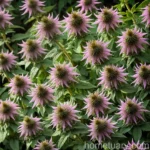
- Characteristics: Monarda fistulosa is known for its attractive, tubular flowers in shades of pink, lavender, and purple, and its aromatic foliage.
- Growing Conditions: This plant thrives in well-drained soil and prefers full sun to partial shade. It is relatively drought-tolerant once established.
- Propagation: Wild bergamot can be propagated through seed sowing, division, or stem cuttings, providing multiple options for expanding your plant collection.
- Pest and Disease Resistance: While it may encounter issues with powdery mildew, wild bergamot is generally resistant to pests and diseases.
With these key points in mind, let’s explore the detailed aspects of growing and caring for wild bergamot, also known as Monarda fistulosa.
Culture
Cultivating wild bergamot successfully requires an understanding of its cultural preferences, including its water, sunlight, fertilizer, soil, and pruning requirements. By providing the ideal conditions, you can encourage robust growth and vibrant blooms in this resilient perennial.
Water
Wild bergamot is well-adapted to various moisture conditions, exhibiting tolerance to both drought and occasional periods of wet soil. However, maintaining moderate soil moisture is essential, especially during the plant’s active growth phases, to ensure optimal health and flowering. When establishing wild bergamot, thorough watering is necessary to encourage root establishment. Once established, this perennial can withstand periods of reduced water availability. Supplemental watering may be needed during prolonged dry spells, particularly in regions with intense summer heat or infrequent rainfall.
Sunlight
In its natural habitat and garden settings, wild bergamot thrives in locations with ample sunlight. Providing at least six hours of direct sunlight per day is optimal for promoting robust growth and profuse blooming. While Monarda fistulosa exhibits a preference for full sun, it can also tolerate partial shade, especially in regions with intense afternoon sunlight or high temperatures. When cultivating wild bergamot in areas with limited sunlight, choose sites with morning sun exposure and protection from harsh afternoon rays to ensure the plant’s vigor and flowering performance.
Fertilizer
Being a relatively low-maintenance plant, wild bergamot does not demand frequent or heavy fertilization. In nutrient-deficient soils, incorporating a balanced, slow-release fertilizer during the spring months can support the plant’s growth and blooming. It is advisable to conduct a soil test to assess the existing nutrient levels and pH before applying any fertilizers. If necessary, opt for organic fertilizers to promote soil health and encourage the activity of beneficial microorganisms. Over-fertilization should be avoided, as excessive nitrogen can lead to lush foliage at the expense of diminished flowering in wild bergamot.
Soil
Wild bergamot thrives in well-drained soils with a loamy or sandy texture, providing adequate aeration and preventing waterlogging around the plant’s roots. While it can adapt to various soil types, including clay and rocky substrates, ensuring good drainage is crucial for preventing root rot and maintaining the plant’s vitality. A soil pH ranging from slightly acidic to neutral (pH 6.0-7.0) is preferred by Monarda fistulosa. If the soil is excessively acidic, amending it with organic matter or dolomitic lime can help establish favorable growing conditions for the plant.
Pruning
Pruning plays a pivotal role in maintaining the aesthetic appeal and vigor of wild bergamot. Regular deadheading of spent flowers not only prolongs the blooming period but also prevents self-seeding, thus controlling the spread of the plant. At the end of the flowering season, cutting back the stems to ground level can promote new growth and rejuvenate the plant. Pruning also helps in managing the plant’s size and preventing overcrowding, ensuring good air circulation and reducing the risk of disease development.
Propagation
Expanding your wild bergamot collection or sharing this plant with fellow gardening enthusiasts can be achieved through several propagation methods, including seed sowing, division, and stem cuttings. Each approach offers unique advantages and is suitable for different purposes, allowing you to propagate Monarda fistulosa effectively.
Seed Sowing
Wild bergamot produces tiny, aromatic seeds that can be harvested from mature flower heads. Sowing the seeds in late winter or early spring indoors provides a head start for the germination and establishment of seedlings. To promote successful germination, slightly press the seeds into the growing medium and maintain consistent moisture levels. Once the danger of frost has passed, the seedlings can be transplanted into the garden or larger containers, where they will flourish and develop into mature plants. As wild bergamot readily self-seeds, it is essential to monitor and manage potential volunteer seedlings to prevent excessive proliferation and maintain desired plant populations.
Division
Established clumps of wild bergamot can be divided every few years to rejuvenate the plants and create new starts for additional garden beds or sharing with others. Dividing the plant in early spring or fall allows the divided sections to re-establish and flourish in their new locations. When dividing wild bergamot, ensure that each division consists of healthy rhizomes or crown sections, and promptly replant the divisions in suitable growing sites. Proper watering and care after division are crucial for promoting successful establishment and growth of the divided plants.
Stem Cuttings
Taking stem cuttings from healthy, non-flowering shoots provides another effective means of propagating wild bergamot. Selecting sturdy, non-woody stems and removing the lower leaves before planting the cuttings in a moist growing medium encourages the development of new roots. By maintaining high humidity and consistent moisture levels, the cuttings will initiate root growth and establish themselves as independent plants. This propagation method is particularly useful for generating multiple clones of selected wild bergamot cultivars and expanding the plant population for landscape or herbal use.
Container Popularity
The versatility and ornamental appeal of wild bergamot make it a favored choice for container gardening. Cultivating this herbaceous perennial in containers not only allows gardeners to appreciate its beauty up close but also provides the flexibility to create attractive displays on patios, balconies, and other outdoor spaces. When selecting containers for wild bergamot, opt for spacious, well-draining pots that accommodate the plant’s robust root system and support its growth. Additionally, ensuring adequate water drainage and using a high-quality potting mix contribute to the successful cultivation of wild bergamot in containers.
Container Care
Caring for wild bergamot in containers entails providing appropriate sunlight, water, and maintenance to ensure the plant’s health and vibrancy. Whether grown in individual pots or incorporated into mixed container gardens, following container-specific care guidelines is essential for supporting the growth and blooming of Monarda fistulosa.
Water
Container-grown wild bergamot requires regular watering to maintain optimal soil moisture levels, as the limited soil volume in pots can lead to faster drying. When watering, ensure thorough saturation while allowing excess water to drain from the container. During hot and dry periods, monitor the moisture levels closely and adjust watering frequency to prevent dehydration. Applying a layer of mulch on the soil surface aids in conserving moisture and moderating soil temperature, benefitting the plant’s overall performance in containers.
Sunlight
Similar to its requirements in garden beds, wild bergamot in containers thrives in locations with ample sunlight. Position the containers in areas that receive at least six hours of direct sunlight daily to promote healthy growth and prolific flowering. In regions with scorching afternoon heat, providing partial shade during the hottest part of the day can protect the plant from excessive stress and sunburn. Regularly rotating the containers helps ensure uniform exposure to sunlight and prevents the development of uneven growth patterns.
Fertilizer
Container-grown wild bergamot may benefit from periodic fertilization to supply essential nutrients for sustained growth and blooming. Using a balanced, water-soluble fertilizer formulated for flowering perennials or herbs can support the plant’s nutrient requirements. Limiting the application of fertilizer to the recommended dosage and frequency helps prevent the buildup of salts in the soil and minimizes the risk of fertilizer burn. Prior to fertilizing, moisten the soil to facilitate nutrient uptake and avoid stressing the plant’s roots.
Soil
Selecting high-quality, well-draining potting mix is crucial for the successful cultivation of wild bergamot in containers. A loose, fertile growing medium that retains moisture without becoming waterlogged supports the plant’s root development and sustains its overall health. Periodically inspecting the soil texture and structure helps identify any compaction or depletion of nutrients, prompting necessary amendments or top-dressing with fresh potting mix. Maintaining balanced soil conditions contributes to the longevity and vigor of Monarda fistulosa in container settings.
Pruning
Regular pruning and deadheading are essential tasks for maintaining the appearance and vitality of wild bergamot in containers. Removing spent flowers and controlling the plant’s size through selective pruning fosters continuous blooming and prevents overcrowding within the limited confines of the container. At the end of the flowering season, rejuvenating the plant by trimming back the stems encourages fresh growth and prepares the plant for subsequent blooming cycles. Vigilant pruning helps manage the development of the plant and enhances its overall performance in container gardens.
Common Diseases
While wild bergamot is generally resistant to many pest and disease issues, it may occasionally encounter challenges that affect its health and vigor. Understanding the common diseases and their diagnosis methods is essential for promptly addressing any issues that may arise and maintaining the plant’s well-being.
Disease Diagnosis
Identifying and diagnosing potential diseases in wild bergamot involves monitoring the plant’s foliage, stems, and overall growth for signs of abnormality. Common symptoms of diseases in Monarda fistulosa include leaf discoloration, powdery coatings, wilting, and deformities. It is crucial to promptly investigate any unusual changes and determine the underlying causes, which may include fungal infections, bacterial diseases, or environmental stress factors. Seeking professional guidance or utilizing reliable resources specific to plant diseases aids in accurate diagnosis and targeted treatment of any identified issues.
Common Pests
Wild bergamot’s aromatic foliage and robust nature often deter many common pests, making it relatively resistant to pest infestations. However, occasional encounters with various insects may occur, requiring vigilant monitoring and appropriate pest management measures to protect the plant’s health.
Pest Control
Preventing and addressing pest issues in wild bergamot involves employing integrated pest management strategies and promoting a balanced ecosystem in the garden. Regularly inspecting the plant for signs of pests, such as aphids, spider mites, and caterpillars, enables early intervention and reduces the impact of infestations. Utilizing natural predators, such as ladybugs and lacewings, and practicing organic pest control methods helps maintain a healthy plant population while minimizing the use of chemical treatments. When necessary, targeted applications of natural insecticidal soaps or horticultural oils can effectively manage pest populations without compromising the beneficial insects and wildlife in the garden.
Botanist’s Tips
As a plant scientist deeply familiar with the remarkable characteristics of wild bergamot, I would like to share some expert tips for cultivating and appreciating Monarda fistulosa to the fullest:
- Companion Planting: Pair wild bergamot with other pollinator-friendly plants, such as Echinacea, Lavandula, and Agastache, to create vibrant and wildlife-attracting garden displays.
- Disease Prevention: Promote good air circulation around wild bergamot by proper spacing and selective pruning to minimize the risk of powdery mildew and other fungal diseases.
- Medicinal Uses: Explore the diverse medicinal properties of wild bergamot, such as its potential for making herbal teas, infusions, and topical remedies, harnessing its aromatic and beneficial compounds.
- Pollinator Conservation: Cultivate wild bergamot to support local pollinator populations, including butterflies, bees, and hummingbirds, and contribute to the preservation of biodiversity and ecosystem health.
Fun Facts
Uncovering the intriguing and captivating aspects of wild bergamot adds an element of fascination to the experience of growing and observing this exceptional plant:
- The fragrant leaves of wild bergamot have been traditionally used by Native American tribes for their aromatic qualities and medicinal applications, reflecting the plant’s rich cultural significance.
- Wild bergamot’s tubular flowers serve as vital nectar sources for numerous pollinators, contributing to the biodiversity and ecological balance in its native habitats.
- The aromatic oils extracted from wild bergamot have been historically valued for their use in various traditional medicines, culinary recipes, and aromatic products, showcasing the plant’s versatile uses.
Links to External Resources
For further exploration of wild bergamot, including its uses, cultivation, and ecological importance, consider the following reputable resources:
- University of Missouri Extension – Growing Monarda
- North Carolina State University – Monarda Culture and Use
- The Herb Society of America – Monarda Profile
- Rutgers University – Wild Bergamot Fact Sheet
- Royal Horticultural Society – Monarda Cultivation Guide
Conclusion
In conclusion, wild bergamot, or Monarda fistulosa, stands out as a captivating and resourceful plant that enriches gardens, landscapes, and natural habitats with its alluring beauty and ecological contributions. By understanding its preferences and harnessing its ornamental and medicinal potential, gardeners and enthusiasts can cultivate and cherish this remarkable perennial, fostering biodiversity, promoting pollinator health, and exploring its diverse uses. Whether you are seeking to enhance your garden’s visual appeal, contribute to wildlife habitat conservation, or delve into herbal medicine practices, wild bergamot offers a wealth of opportunities and rewards, inviting you to embark on an enriching journey through its fascinating world.
Keywords: wild bergamot uses, Monarda fistulosa benefits, wild bergamot care tips, Monarda fistulosa characteristics, wild bergamot planting guide, Monarda fistulosa medicinal properties, wild bergamot varieties, Monarda fistulosa habitat, wild bergamot gardening tips, Monarda fistulosa growing conditions, wild bergamot health benefits, Monarda fistulosa herbal uses, wild bergamot maintenance, Monarda fistulosa natural habitat, wild bergamot propagation methods, Monarda fistulosa culinary uses, wild bergamot pest control, Monarda fistulosa flowering season, wild bergamot pruning techniques, Monarda fistulosa sun requirements, wild bergamot soil preferences, Monarda fistulosa wildlife attracting abilities, wild bergamot water needs, Monarda fistulosa drought tolerance, wild bergamot companion plants, Monarda fistulosa pollinator-friendly qualities, wild bergamot container gardening, Monarda fistulosa herbal tea recipes, wild bergamot native range, Monarda fistulosa aromatic properties, wild bergamot natural remedies, Monarda fistulosa traditional uses, wild bergamot soil amendments, Monarda fistulosa growth habits, wild bergamot flower colors, Monarda fistulosa landscape design, wild bergamot seeds and propagation, Monarda fistulosa leaves and foliage, wild bergamot companion herbs, Monarda fistulosa permaculture applications, wild bergamot woodland gardening, Monarda fistulosa essential oil production, wild bergamot culinary recipes, Monarda fistulosa shade tolerance, wild bergamot pollinator garden, Monarda fistulosa seasonal care, wild bergamot natural insect repellent, Monarda fistulosa wildlife habitat restoration, wild bergamot herbal remedies, Monarda fistulosa landscape considerations