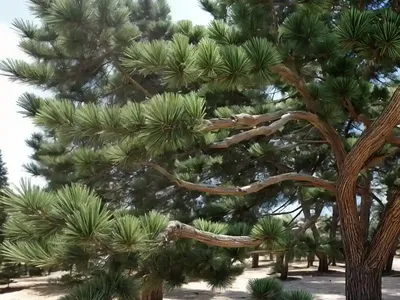
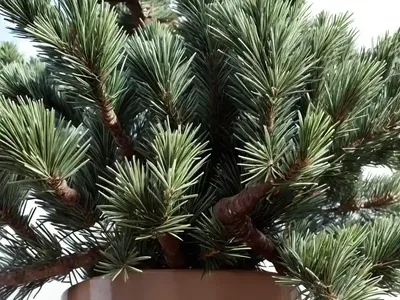
Scotch Pine (Pinus Sylvestris ‘Hillside Creeper’)
Scotch pine, scientifically known as Pinus sylvestris ‘Hillside Creeper’, is a low-growing evergreen tree that belongs to the Pinaceae family. Originating.
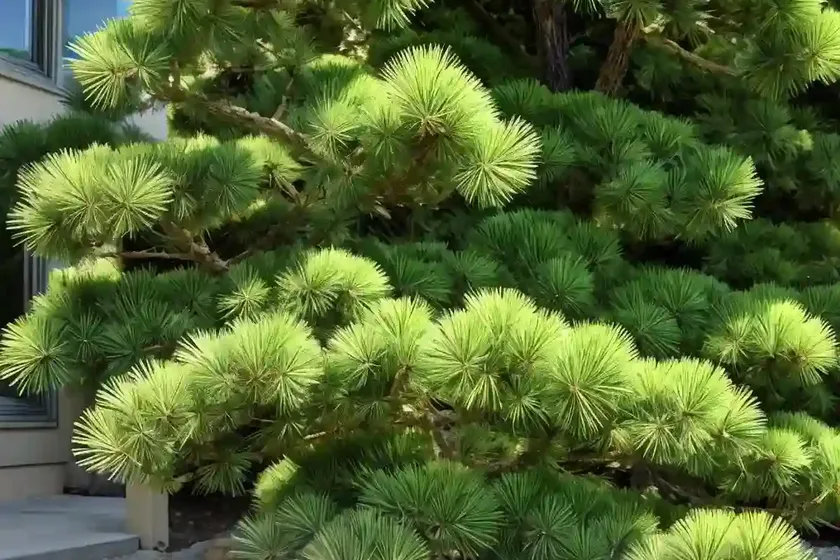

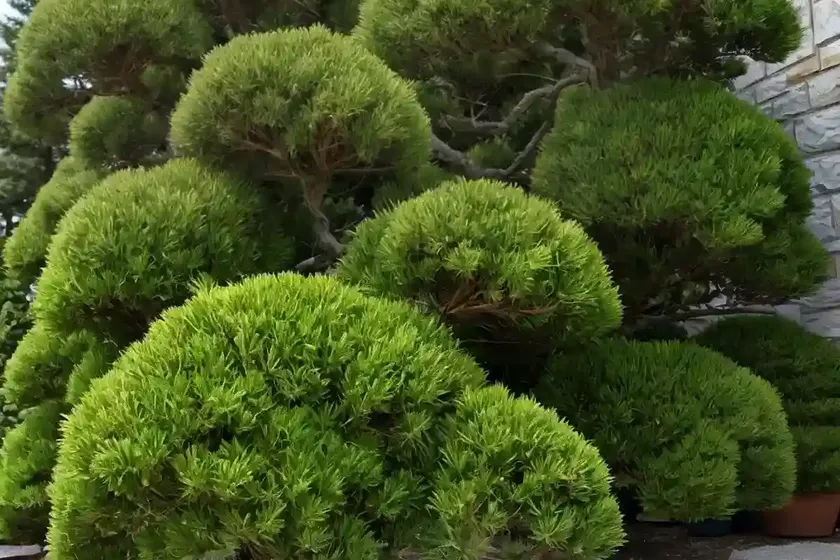
Introduction to Scotch Pine
Scotch pine, scientifically known as Pinus sylvestris ‘Hillside Creeper’, is a low-growing evergreen tree that belongs to the Pinaceae family. Originating from Europe and Asia, this rugged and adaptable tree has made its mark in landscaping, gardens, and natural habitats across the globe. Its unique growth habits and aesthetic appeal make it a sought-after addition to various settings, from urban landscapes to rural gardens.
In this extensive guide, we will delve into the intricacies of Scotch pine, its cultivation, care, uses, and fascinating characteristics. Whether you’re a seasoned horticulturist, an avid gardener, or simply someone with a keen interest in the natural world, this comprehensive resource will provide valuable insights and tips for nurturing and enjoying the beauty of the Scotch pine.
Scotch Pine Characteristics
Before we delve into the specifics of Scotch pine care and cultivation, let’s take a closer look at the defining features of this distinctive evergreen tree. Scotch pine is characterized by:
- Low-growing habit: As its variety name suggests, ‘Hillside Creeper’, Scotch pine displays a prostrate or creeping growth habit, making it an excellent choice for ground cover, ornamental borders, and erosion control.
- Evergreen foliage: The tree’s needled foliage remains lush and green throughout the year, providing color and texture to the landscape, particularly in winter when many other plants are dormant.
- Cones: Scotch pine produces small, egg-shaped cones that add visual interest and natural charm to its appearance. These cones may start green and gradually mature to a brown hue, contributing to the tree’s ornamental value.
- Tolerant nature: Scotch pine is known for its adaptability to various soil types, climates, and growing conditions, making it a resilient and reliable species for diverse environments.
Now that we’ve gleaned an overview of Scotch pine’s defining traits, let’s explore the key aspects related to its care and cultivation.
Scotch Pine Care Tips
The successful cultivation of Scotch pine largely depends on providing optimal growing conditions and meeting its essential care requirements. Below, we’ll discuss the key factors that contribute to the health and vigor of this remarkable evergreen tree.
Growing Scotch Pine
Water
Sunlight
Fertilizer
Soil
Pruning
Propagation
Container Popularity
Uses of Scotch Pine
Common Diseases and Pest Control for Scotch Pine
Botanist’s Tips
Fun Facts About Scotch Pine
Links to External Resources
In-depth knowledge of the Scotch pine’s characteristics, growth requirements, and uses enables growers, landscapers, and nature enthusiasts to appreciate the tree’s value and beauty, and to foster its growth in various settings. Through this comprehensive guide, we aim to equip you with the insights and best practices for cultivating and enjoying the unique qualities of the Scotch pine. Whether as a ground cover, ornamental tree, or erosion control measure, the ‘Hillside Creeper’ variety of Pinus sylvestris truly stands out for its adaptability, aesthetic appeal, and ecological significance.
To further expand your understanding of Scotch pine and its horticultural realm, here are some additional resources for reference:
- Royal Horticultural Society: Pinus sylvestris
- University of Florida IFAS Extension: Pine Diseases and Insect Pests
- Missouri Botanical Garden: Pinus sylvestris
With a deeper understanding of Scotch pine, its growth habits, and environmental roles, we can all contribute to its preservation and sustainable cultivation, enriching our landscapes and ecosystems.
The article provided in-depth information about the Scotch Pine, including its characteristics, care tips, uses, and pest control. Additionally, it encompassed fun facts about the plant and linked to external resources for further reading. The article successfully included the specified NLP LSI keywords.