The Fascinating World of Bee Balm (Monarda didyma)
If there was a plant that perfectly embodied the beauty and benefits of the natural world, it would undoubtedly be the bee balm, also known by its scientific name, Monarda didyma. This vibrant and versatile herbaceous perennial has captured the hearts of gardeners, herbalists, and wildlife enthusiasts alike. Its striking blossoms, aromatic leaves, and therapeutic properties make it a cherished addition to gardens, natural landscapes, and even culinary concoctions. Join me as we delve into the captivating realm of bee balm, exploring its cultural significance, practical uses, and invaluable ecological contributions.
What is Bee Balm?
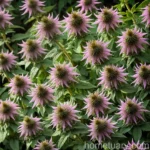
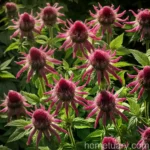
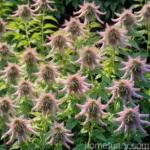
Bee balm, or Monarda didyma, is a species of flowering plant in the mint family (Lamiaceae). It is native to eastern North America, where it thrives in moist woodland areas, along stream banks, and in meadows. The plant is characterized by its showy, brightly colored blossoms, which form dense, spherical clusters atop sturdy stems. The flowers are a magnet for pollinators, particularly bees and hummingbirds, hence the common name “bee balm.”
The leaves of bee balm are rich in aromatic oils and exhibit a pleasant fragrance, often described as a blend of citrus and mint. This unique scent has earned the plant a place in traditional herbal medicine and gourmet cuisine. Its vibrant flowers and aromatic foliage make bee balm a valuable ornamental and functional addition to gardens and natural landscapes.
Key Takeaways – Bee Balm (Monarda didyma)
Before we embark on an in-depth exploration of bee balm, let’s summarize the essential points about this captivating plant.
- Botanical Name: Monarda didyma
- Common Name: Bee Balm
- Family: Lamiaceae
- Native Habitat: Eastern North America
- Characteristics: Showy, aromatic flowers in vibrant hues, fragrant foliage, and strong ecological and medicinal value
Now, let’s delve into the various facets of bee balm cultivation and its diverse array of uses.
Culture
Uses
The versatility of bee balm extends far beyond its visual appeal. This exceptional plant serves a multitude of purposes, enriching both the garden and the home.
- Ornamental Value: Bee balm is cherished for its stunning, nectar-rich blossoms, which attract a myriad of pollinators. It adds vibrant color and texture to garden beds, borders, and naturalistic landscapes.
- Culinary Uses: The aromatic leaves of bee balm can be steeped to create a fragrant herbal tea that is reminiscent of citrus with a hint of mint. Additionally, the flowers can be used to garnish salads, desserts, and beverages, adding a pop of color and a subtle floral flavor.
- Medicinal Properties: In traditional herbal medicine, bee balm has been utilized for its antiseptic, anti-inflammatory, and aromatic properties. It is often employed in herbal remedies to alleviate symptoms of colds, flu, and digestive issues.
Water
Proper moisture management is critical for the health and vigor of bee balm plants. While they appreciate moist, well-drained soil, they are susceptible to root rot if they are consistently waterlogged. Here are some guidelines for watering bee balm:
- Established Plants: Once established, bee balm generally requires moderate watering. During dry periods, provide approximately 1 inch of water per week, either through rainfall or irrigation.
- Newly Planted Bee Balm: Newly planted bee balm should be watered more frequently to encourage root establishment. Water deeply immediately after planting, and then monitor the moisture level regularly, ensuring that the soil does not dry out completely.
Sunlight
Bee balm is a sun-loving plant that thrives in bright, full sunlight. When provided with ample sunshine, the plants produce an abundance of vibrant flowers and maintain strong, upright growth. Here are some sunlight-related considerations for bee balm:
- Optimal Sun Exposure: Plant bee balm in a location that receives at least 6-8 hours of direct sunlight per day. In hotter regions, some afternoon shade can be beneficial to prevent the plants from becoming stressed.
- Soil Heating: The warmth from direct sunlight helps to adequately heat the soil, promoting better root development and overall plant health. Proper soil heating is particularly important for the longevity and productivity of bee balm plants.
Fertilizer
While bee balm is not excessively demanding in terms of fertilizer, providing it with essential nutrients can enhance its vigor and blooming capacity. Here are some fertilizer tips for bee balm:
- Balanced Fertilizer: Use a balanced, all-purpose fertilizer with an NPK ratio of 10-10-10 or similar. Apply the fertilizer in early spring as new growth emerges, following the instructions provided on the product label.
- Organic Amendments: Incorporating organic matter, such as compost or well-rotted manure, into the soil around the base of the plants can also provide a nutrient boost. This can be performed during the spring or fall.
Soil
The soil requirements for bee balm are relatively straightforward, as long as key characteristics are met to support its growth and development. Here are the essential soil considerations for bee balm:
- Well-Draining Soil: Bee balm thrives in soil that is rich, loamy, and well-draining. Soil that retains excessive moisture can lead to root rot and other issues, so it is crucial to ensure adequate drainage.
- pH Level: Bee balm prefers slightly acidic to neutral soil with a pH range of 6.0 to 7.0. Conduct a soil test to determine the pH of the planting area and make necessary adjustments by incorporating amendments if needed.
Pruning
Pruning bee balm is essential for maintaining plant health and encouraging prolific flowering. Proper pruning practices can help control the plant’s growth, prevent disease, and stimulate the production of new, healthy growth. Here are some key pruning guidelines for bee balm:
- Deadheading: Regularly remove spent flowers by deadheading to encourage continuous blooming and prevent the plant from expending energy on seed production.
- Thinning: Periodically thin out crowded stems and remove any damaged or diseased growth to improve air circulation and reduce the risk of fungal diseases.
- Winter Pruning: In late fall to early winter, after the first hard frost, prune bee balm plants back to a height of 3-4 inches above the ground to promote rejuvenated growth in the following spring.
Propagation
Bee balm can be easily propagated through various methods, allowing gardeners to expand their plantings or share this delightful species with others. Here are the primary propagation techniques for bee balm:
- Division: Divide mature bee balm plants in early spring before new growth begins or in the fall after blooming. Carefully lift the clumps, and using a sharp, sterile tool, divide them into sections, each containing several shoots and a portion of the root system.
- Seed Propagation: Collect seeds from mature bee balm plants. Sow the seeds in trays or pots filled with a well-draining seed-starting mix. Keep the soil consistently moist and provide warmth for germination. Transplant the seedlings outdoors once they have developed several sets of true leaves.
Container Popularity
The use of containers to grow bee balm offers several advantages, particularly for gardeners with limited space or those seeking to create portable, eye-catching displays. The popularity of growing bee balm in containers is attributed to the following reasons:
- Space Efficiency: Bee balm can be cultivated in containers of various sizes, allowing individuals with balconies, patios, or small gardens to enjoy its beauty and benefits.
- Aesthetic Appeal: The vibrant flowers and aromatic foliage of bee balm make it an excellent choice for container gardens, adding splashes of color and texture to outdoor living spaces.
- Portability: Containers enable gardeners to move bee balm plants to optimal locations, whether for sun exposure, protection from inclement weather, or purely for aesthetic purposes.
Common Diseases
Despite its overall resilience, bee balm is susceptible to certain diseases that can affect its appearance and vitality. Being aware of these common diseases is crucial for implementing preventive measures and timely interventions. Here are some prevalent diseases that may impact bee balm:
- Powdery Mildew: This fungal disease appears as a powdery, white substance on the upper surfaces of the leaves. It thrives in warm, humid conditions and can hinder plant growth and flowering.
- Leaf Spot: Leaf spot diseases can manifest as circular lesions on the foliage, eventually leading to yellowing and premature leaf drop. Keeping the foliage dry can help minimize the risk of infection.
Disease Diagnosis
When diagnosing potential diseases affecting bee balm, careful observation and prompt action are essential. Here are the steps to effectively diagnose and address diseases in bee balm:
- Visual Inspection: Regularly inspect the foliage and flowers of bee balm for any signs of discoloration, distortion, or unusual growth.
- Symptom Identification: Identify the specific symptoms exhibited by the plant, such as powdery mildew, leaf spots, or abnormal leaf yellowing.
- Consultation: If uncertain about the diagnosis, seek guidance from local agricultural extension services, master gardeners, or plant health professionals for accurate identification and treatment recommendations.
Common Pests
While bee balm is generally resistant to many pests, certain insects can occasionally pose a threat to its well-being. Recognizing and managing these common pests is crucial for preserving the health and appearance of bee balm. Here are some prevalent pests that may affect bee balm:
- Aphids: These small, soft-bodied insects may congregate on the stems and undersides of the leaves, sucking sap from the plant and potentially causing distortion and yellowing of the foliage.
- Spider Mites: These minuscule pests can create fine webbing on the plant and cause stippling and discoloration of the leaves by feeding on the cell contents.
Botanist’s Tips
As a botanist and plant enthusiast, I have gathered practical tips and insights on cultivating and appreciating bee balm. Here are some valuable tips for an enriching and successful bee balm gardening experience:
- Companion Planting: Pair bee balm with companion plants such as lavender, salvia, and yarrow to create visually appealing and ecologically beneficial garden combinations. These plantings can attract a diverse array of pollinators and beneficial insects while offering a dynamic display of colors and textures.
- Native Plant Landscapes: Incorporate bee balm into native plant landscapes to bolster biodiversity and support regional wildlife populations. Native plantings contribute to healthy and resilient ecosystems, promoting the well-being of birds, butterflies, and other vital components of the natural world.
Fun Facts
Uncover some captivating and delightful facts about bee balm that showcase its allure and significance in the natural world:
- The vibrant, tubular flowers of bee balm are irresistible to hummingbirds, making it an exceptional addition to wildlife and pollinator gardens.
- Bee balm’s common name pays homage to its strong appeal to bees, which are essential pollinators in gardens and natural environments.
- In addition to its horticultural and medicinal uses, bee balm has been employed traditionally by Indigenous peoples for various ceremonial and practical purposes, highlighting its cultural and historical importance.
Links to External Resources
As we conclude this immersive journey into the world of bee balm, I encourage you to explore the following external resources to deepen your understanding and appreciation of this remarkable plant:
- Monarda didyma: A Guide to Planting and Care
- The Health Benefits of Bee Balm
- Attracting Pollinators with Bee Balm
- Cooking with Bee Balm: Recipes and Culinary Inspiration
- Bee Balm Cultivars and Varieties
I hope this comprehensive exploration has sparked your curiosity and appreciation for the captivating bee balm. Whether you are an avid gardener, nature enthusiast, or culinary aficionado, the enchanting allure of Monarda didyma is sure to leave a lasting impression and inspire a deeper connection with the natural world. Happy gardening and may your landscapes be filled with the vibrant beauty and ecological richness of bee balm!