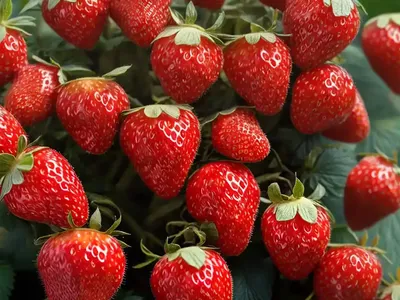
Strawberry Mignonette (Fragaria Vesca ‘Mignonette’)
Strawberry Mignonette, scientifically known as Fragaria vesca ‘Mignonette’, is a delightful and productive addition to any garden. This charming and.
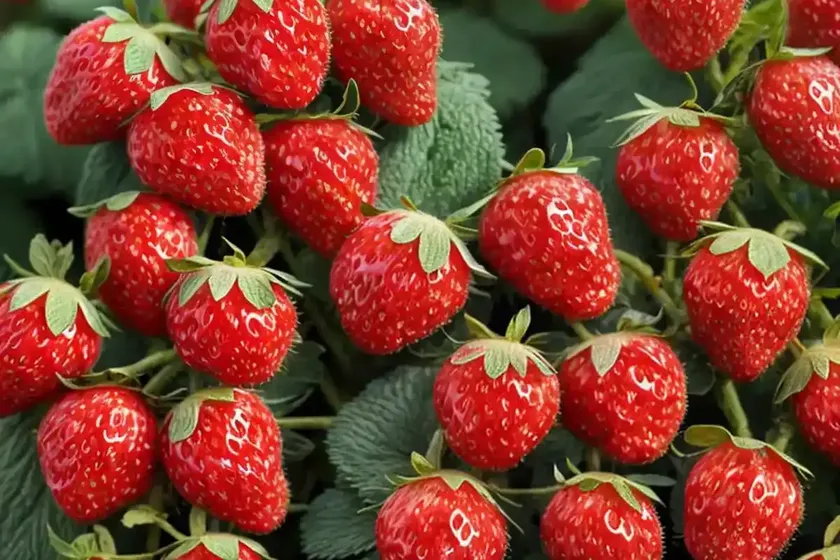
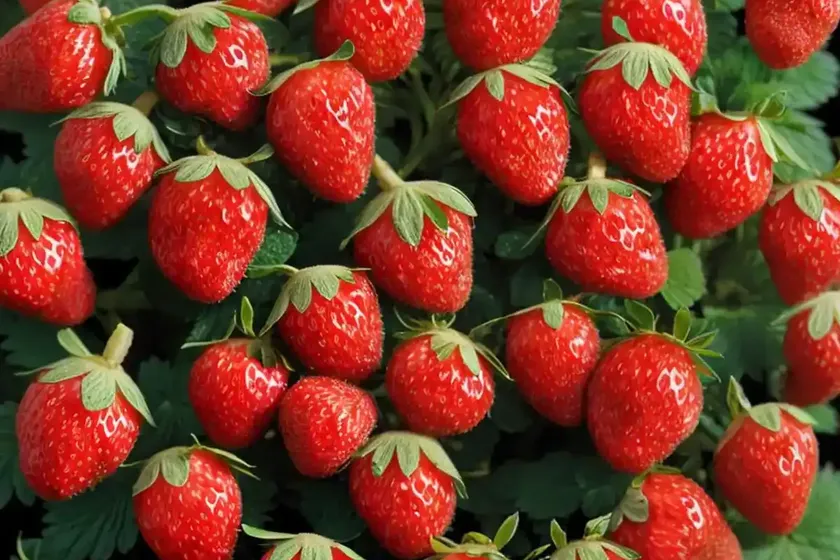
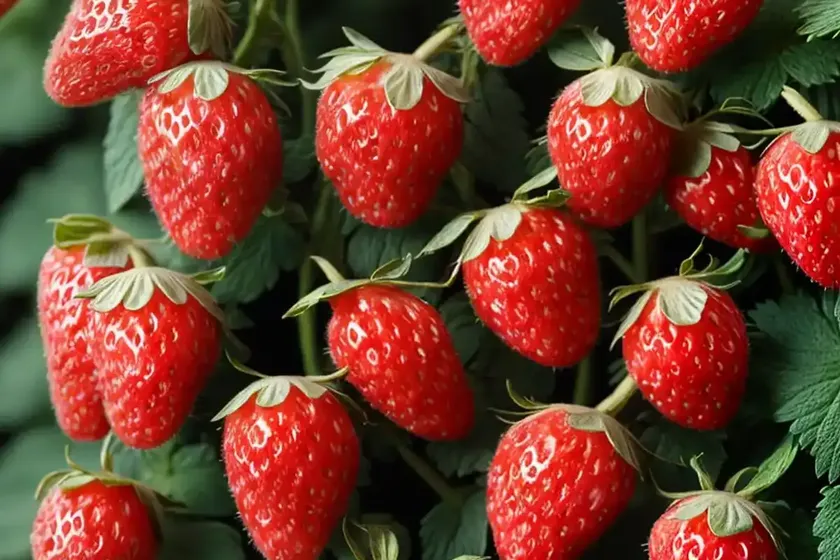
Strawberry Mignonette, scientifically known as Fragaria vesca ‘Mignonette’, is a delightful and productive addition to any garden. This charming and flavorsome berry plant is a subspecies of the woodland strawberry, native to Europe, Asia, and North America. The Mignonette variety of Fragaria vesca is coveted for its delicate sweetness and rich aroma. In this comprehensive guide, we will delve into the intricacies of cultivating and caring for the Strawberry Mignonette plant, its uses, characteristics, disease management, and much more. Whether you are an experienced gardener or a novice plant enthusiast, the Fragaria vesca ‘Mignonette’ is an excellent choice for a rewarding and flavorsome addition to your garden.
What is Plant: Strawberry Mignonette (Fragaria vesca ‘Mignonette’)?
Strawberry Mignonette, a sub-variety of Fragaria vesca, is a perennial herbaceous plant under the Rosaceae family. It is a diminutive strawberry plant that produces small, intensely sweet, and aromatic fruits, making it a cherished variety amongst strawberry aficionados. The Fragaria vesca ‘Mignonette’ typically reaches a height of 6-8 inches, with white flowers and bright red, flavorful berries.
This plant is known for its adaptability, thriving in a diversity of conditions and is particularly well-suited to containers and hanging baskets, thus making it an excellent choice for balcony or small-space gardening. The Fragaria vesca ‘Mignonette’ adapts quite well to different soil types, although it prefers well-drained, fertile loamy soils for optimal growth.
Key Takeaways – Strawberry Mignonette (Fragaria vesca ‘Mignonette’)
The Fragaria vesca ‘Mignonette’ is an enchanting addition to any garden, with the following key traits and benefits:
- Delivers intensely sweet and aromatic strawberries
- Adaptable to various growing conditions and soil types
- Ideally suited to container and hanging basket cultivation
- A versatile and low-maintenance plant species
- Offers a bountiful harvest of small, delectable fruits
With this overview in mind, let’s embark on a detailed journey exploring the culture, uses, care, disease management, and cultivation peculiarities of the Strawberry Mignonette plant.
Culture
The cultural requirements of the Fragaria vesca ‘Mignonette’ pertain to the communal practices and environmental conditions necessary for its optimal growth and fruit production. By comprehending the culture of this plant, gardeners can curate an environment that is conducive to its development, resulting in exquisite berries and healthy foliage.
Uses
The uses of the Fragaria vesca ‘Mignonette’ are diverse, extending from culinary delights to ornamental value. Some of the primary uses include:
- Culinary Delights: The berries of Fragaria vesca ‘Mignonette’ are prized for their intense sweetness and rich flavor, making them a delectable choice for fresh consumption, jams, jellies, and desserts.
- Ornamental Value: The Fragaria vesca ‘Mignonette’ serves as a visually appealing addition to diverse garden settings, providing delicate white flowers and vibrant red berries. Its adaptability to containers and hanging baskets makes it an ideal option for balconies, patios, and small gardens.
- Medicinal Properties: Beyond its culinary significance, the Fragaria vesca ‘Mignonette’ is recognized for its reported medicinal properties, which include anti-inflammatory and astringent attributes.
Water
Adequate water supply is crucial for the healthy growth and fruit production of the Fragaria vesca ‘Mignonette’. While it is essential to maintain consistent moisture, overwatering should be avoided to prevent root rot and other moisture-related maladies. When watering the plants, it is advisable to direct the water to the base of the plant to minimize foliage dampness and reduce the risk of fungal infections.
Sunlight
Strawberry Mignonette thrives best in full sun, requiring approximately 6-8 hours of direct sunlight each day for robust growth and optimal fruit production. Insufficient sunlight may result in diminished fruit yields, lower sugar content in the berries, and predispose the plant to disease susceptibility.
Fertilizer
Appropriate fertilization is essential to ensure the vigorous growth and fruiting of the Fragaria vesca ‘Mignonette’. During the growing season, a balanced and organic fertilizer with an NPK ratio of 10-10-10 or similar can be applied every 4-6 weeks. It is crucial to follow the manufacturer’s instructions and refrain from over-fertilizing, which may lead to excessive foliage growth at the expense of fruit production.
Soil
The Fragaria vesca ‘Mignonette’ thrives in well-drained, fertile loamy soils with a slightly acidic to neutral pH (around 5.5-7.0). The soil should be rich in organic matter, such as compost or well-rotted manure, to provide essential nutrients and support the development of healthy roots and fruit-bearing stems.
Pruning
Pruning plays a pivotal role in maintaining the vigor and productivity of the Fragaria vesca ‘Mignonette’. Regular removal of old, diseased, or damaged foliage, as well as the runners or offshoots, helps channel the plant’s energy towards fruit production and encourages air circulation, reducing the risk of diseases. Pruning is typically carried out in late winter or early spring before new growth emerges.
Propagation
The Fragaria vesca ‘Mignonette’ can be propagated through several methods, including:
- Runners: The Fragaria vesca ‘Mignonette’ naturally produces runners, which are slender stems that develop roots and form new plantlets. These plantlets can be severed from the mother plant and transplanted to new areas for expansion or to share with other gardening enthusiasts.
- Division: The plant can also be divided during the dormant season, with the crowns and roots separated and utilized for developing new plantings. This method allows for the propagation of established plants and the regeneration of younger, more vigorous specimens.
Container Popularity
The Fragaria vesca ‘Mignonette’ is highly esteemed for its adaptability to container cultivation, making it a favored choice for balcony, patio, and urban gardens. The compact size of the plant, along with its proclivity for producing bountiful fruits in confined spaces, renders it a popular choice amongst gardeners with limited gardening areas.
Common Diseases
The Fragaria vesca ‘Mignonette’ is susceptible to various diseases, ranging from fungal infections to bacterial afflictions. By becoming familiar with the common diseases that affect this plant, gardeners can take proactive measures to mitigate the risk of infection and sustain the health of their strawberry crop.