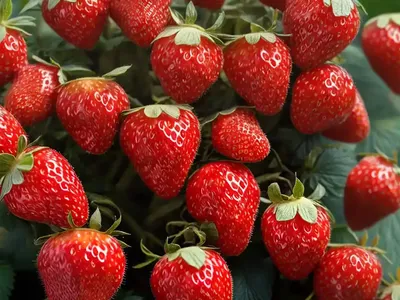
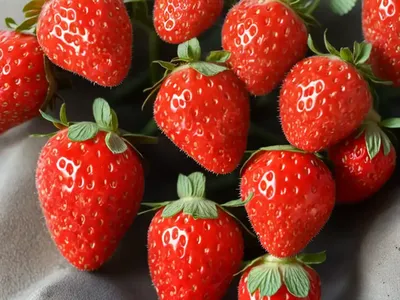
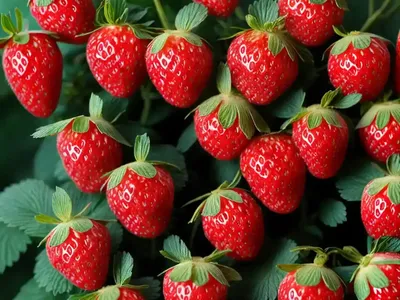
Garden Strawberry (Fragaria X Ananassa)
Garden strawberries, scientifically known as Fragaria x ananassa, have been a popular and beloved fruit for generations. Whether enjoyed freshly picked, in.
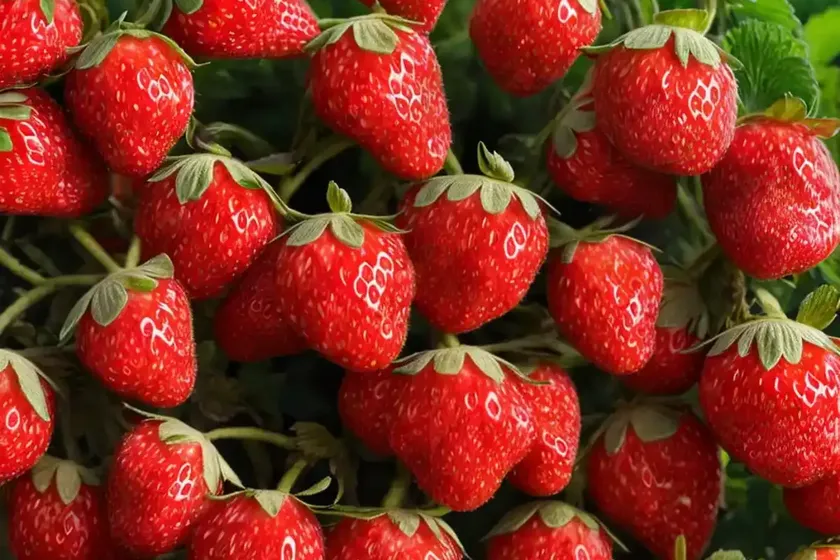
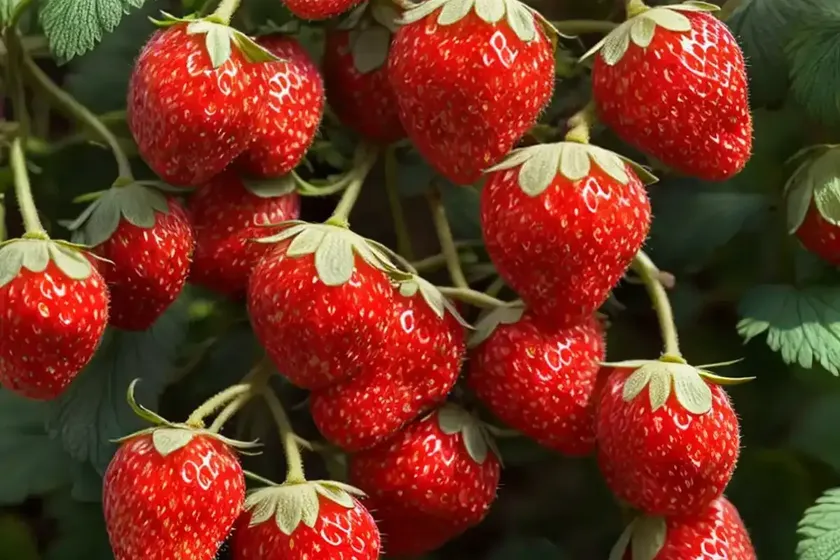
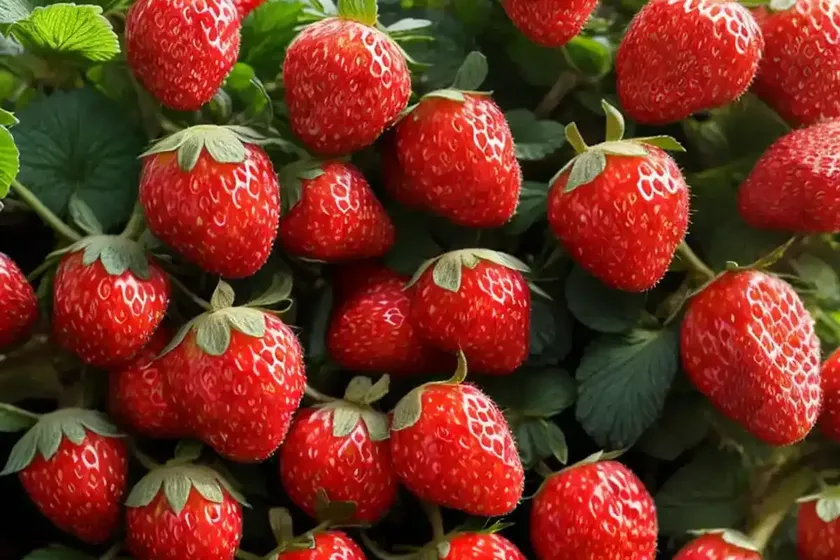
Garden strawberries, scientifically known as Fragaria x ananassa, have been a popular and beloved fruit for generations. Whether enjoyed freshly picked, in jams and preserves, or as a key ingredient in desserts, strawberries have a special place in our hearts and gardens. In this comprehensive guide, we will delve into the intricacies of growing and caring for garden strawberries, including their culture, uses, water and sunlight requirements, fertilization, soil preferences, pruning, propagation methods, and much more. Additionally, we’ll explore common diseases and pests that afflict these plants and provide tips for fostering a healthy and thriving strawberry patch.
What is Garden Strawberry (Fragaria x ananassa)?
Garden strawberries, or Fragaria x ananassa, are a hybrid species that originated from the crossbreeding of two wild strawberry species, Fragaria chiloensis and Fragaria virginiana. This hybridization gave rise to the luscious and vibrant berries that are now widely cultivated and enjoyed worldwide. The garden strawberry is a perennial plant with characteristic white flowers and bright red, heart-shaped fruits. These fruits are not only delectable but are also rich in vitamin C, antioxidants, and other beneficial nutrients.
Cultivation of Fragaria x ananassa
Key Takeaways – Garden Strawberry (Fragaria x ananassa)
Garden strawberries, being a hybrid of two wild species, require specific care and attention to thrive and bear bountiful fruit. Here are the key takeaways for cultivating Fragaria x ananassa:
-
Water: Adequate and consistent moisture levels are essential for healthy strawberry plants.
-
Sunlight: Garden strawberries thrive in full sun, requiring at least 6-8 hours of direct sunlight daily.
-
Fertilizer: Proper fertilization is crucial for promoting robust growth and abundant fruiting.
-
Soil: Well-draining, fertile soil with a slightly acidic pH is optimal for Fragaria x ananassa.
-
Pruning: Regular pruning helps manage plant growth and enhances fruit production.
-
Propagation: Strawberries can be propagated from runners, divisions, or seeds, depending on the desired method.
-
Container: Fragaria x ananassa can be grown in containers, making them suitable for small gardens and urban spaces.
Culture
Cultivating garden strawberries involves a mix of art and science, as the plants have specific needs and preferences. Let’s explore the essential cultural aspects of Fragaria x ananassa:
Uses
Strawberries have numerous uses beyond being a sweet and refreshing snack. They are widely used in cooking, baking, and juicing, and can be made into jams, preserves, and desserts. Additionally, strawberries are a popular addition to salads, smoothies, and a variety of beverages.
Water
Providing adequate water is crucial for the health and productivity of garden strawberries. Consistent moisture levels are essential, especially during the flowering and fruiting stages. However, excessive moisture can lead to disease and root rot, so it’s important to strike a balance.
Sunlight
Garden strawberries require ample sunlight to thrive and produce sweet, juicy fruits. Select a location for planting or siting your containers where the plants can receive full sun, ideally 6-8 hours of direct sunlight daily.
Fertilizer
Proper fertilization is essential for promoting vigorous growth and ensuring a plentiful harvest of succulent berries. A balanced fertilizer with slightly higher phosphorus content can encourage robust flowering and fruit development.
Soil
The right soil conditions are paramount for the successful cultivation of Fragaria x ananassa. Well-draining, loamy soil with a pH range of 5.5 to 6.5 is ideal for strawberries. Amending the soil with organic matter can improve its texture and fertility, providing an optimal environment for strawberry plants to thrive.
Pruning
Pruning is an important cultural practice for managing the growth of strawberry plants and maximizing fruit production. Regular removal of runners and old leaves, as well as thinning of the canopy, can promote better air circulation and light penetration, reducing the risk of disease and improving fruit quality.
Propagation
Garden strawberries can be propagated through various methods, including division, runners, and seeds. Each method has its own advantages and is suitable for different situations. For example, propagating from runners is a common practice for expanding strawberry beds, while starting from seeds may be preferred for obtaining new varieties.
Container
Strawberries are well-suited for container gardening, making them an excellent choice for those with limited space or unsuitable soil conditions. Choosing the right container size, providing adequate drainage, and using quality potting mix are crucial for success when growing Fragaria x ananassa in containers.
Popularity
Strawberries are undeniably popular and sought after for their delicious taste and versatility in the kitchen. Whether eaten fresh, in desserts, or as a key ingredient in preserves and jams, strawberries hold a special place in the hearts of many and are a staple in home gardens and commercial farms alike.
Common Diseases and Pests
Common Diseases
Like all plants, garden strawberries are susceptible to a range of diseases that can adversely affect their growth and fruiting. Understanding the common diseases and their symptoms is crucial for timely intervention and effective management. Here are some prevalent diseases that afflict Fragaria x ananassa:
Disease Diagnosis
-
Powdery Mildew: This fungal disease presents as a white powdery growth on the leaves, eventually causing them to wither and die. It can be particularly problematic in humid conditions.
-
Gray Mold (Botrytis): Gray mold typically appears as brown or gray fuzzy patches on the fruit, often accompanied by a musty odor. This disease thrives in cool, wet conditions.
-
Anthracnose: Anthracnose causes dark, sunken lesions on the fruit and can lead to significant yield loss if not managed effectively.
-
Verticillium Wilt: This soilborne fungus can cause wilting and dieback of strawberry plants, often leading to stunted growth and reduced fruit production.
-
Leaf Spot Diseases: Various fungal and bacterial pathogens can cause leaf spot diseases, resulting in unsightly blemishes on the foliage and potential defoliation.
Understanding the conditions that favor the development of these diseases and implementing preventive measures can significantly reduce their impact on strawberry plants.
Common Pests
In addition to diseases, garden strawberries can also fall prey to various pests that can damage the plants and diminish fruit quality. Vigilance and early detection are vital for effective pest management. Some common pests that can affect Fragaria x ananassa include:
-
Aphids: These small, sap-sucking insects can distort new growth and transmit viruses, leading to stunted and deformed plants.
-
Spider Mites: Infestations of spider mites can cause stippling and discoloration of leaves, compromising the plant’s ability to photosynthesize.
-
Slugs and Snails: These mollusks can feed on ripe strawberries and young plantlets, leaving behind characteristic holes and slime trails.
-
Strawberry Root Weevils: The larvae of these weevils feed on the roots, leading to weakened plants and poor fruiting.
-
Fruit Flies: Fruit flies can inflict damage to ripening strawberries, causing them to rot and become inedible.
Implementing integrated pest management strategies, such as promoting beneficial insects and using physical barriers, can help control these pests without relying heavily on chemical treatments.
Botanist’s Tips
Fun Facts
Before we delve into the practical aspects of growing Fragaria x ananassa, let’s explore some fascinating and fun facts about garden strawberries:
- The garden strawberry, Fragaria x ananassa, is not a true berry botanically, as it develops from a receptacle rather than the ovary of the flower.
- On average, a single strawberry has about 200 seeds on its exterior.
- Strawberries belong to the rose family, Rosaceae, along with other beloved fruits such as apples, pears, and cherries.
- The ancient Romans and Greeks considered strawberries to have medicinal properties and used them to treat various ailments.
Links to External Resources
For further information and resources on Fragaria x ananassa, garden strawberry cultivation, and related topics, consider exploring the following links:
- Strawberry Plants – Growing Strawberries Successfully
- Fragaria x ananassa Cultivation Guide
- Strawberry Pests – Identification and Management
- Container Gardening for Strawberries
- Companion Planting with Strawberries
Conclusion
In conclusion, the garden strawberry (Fragaria x ananassa) is a beloved and versatile fruit that holds a cherished place in our gardens and kitchens. With the right care and attention to their cultural requirements, including water, sunlight, soil, and fertilization, garden strawberries can thrive and produce an abundance of delicious, vitamin-rich fruits. Understanding and managing common diseases and pests is also crucial for maintaining the health and vigor of strawberry plants. By leveraging the botanist’s tips and resources provided, you can embark on a rewarding journey of cultivating and enjoying homegrown Fragaria x ananassa, whether in traditional garden beds or containers. Embrace the joy of growing your own garden strawberries and savor the sweet fruits of your labor.
Remember to continue exploring the world of horticulture and botanical knowledge, and let the beauty and joy of gardening inspire and enrich your life.
Happy gardening!
Note: This blog post is meant to provide general guidance and information on Fragaria x ananassa and should not replace specific advice from a qualified plant scientist or horticulturist. Always consult local experts and resources for tailored recommendations and best practices.