Azalea (Rhododendron ‘QbackB’ SOLAR FLARE): A Comprehensive Guide
Introduction
Azaleas are renowned for their striking flowers and are a popular choice for gardens, landscapes, and containers. Among the many varieties available, the Rhododendron ‘QbackB’ SOLAR FLARE stands out for its vibrant blooms and adaptability. In this comprehensive guide, we will delve into the various aspects of caring for the azalea (Rhododendron ‘QbackB’ SOLAR FLARE), providing valuable insights for both novice and experienced gardeners.
What is Azalea (Rhododendron ‘QbackB’ SOLAR FLARE)?
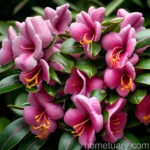
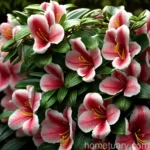
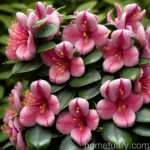
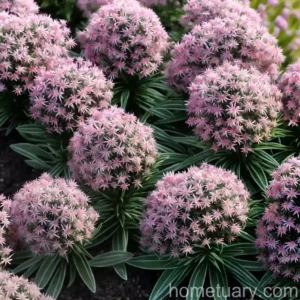
Azalea (Rhododendron ‘QbackB’ SOLAR FLARE) is a charming evergreen shrub that belongs to the genus Rhododendron. It features lush, dark green foliage and breathtaking clusters of vivid, flame-colored flowers, making it a focal point in any garden or landscape. The ‘QbackB’ SOLAR FLARE variety is particularly renowned for its vigorous growth and captivating floral display.
Key Takeaways – Azalea (Rhododendron ‘QbackB’ SOLAR FLARE)
Before diving into the specifics of caring for the Azalea (Rhododendron ‘QbackB’ SOLAR FLARE), let’s explore some key takeaways about this captivating plant:
- Botanical Name: Rhododendron ‘QbackB’ SOLAR FLARE
- Common Name: Azalea
- Flower Color: Vivid orange-red
- Foliage: Evergreen, dark green
- Growth Habit: Compact, mounding
- Blooming Season: Spring
- Hardiness Zone: 6-9
- Mature Height: 3-5 feet
- Mature Spread: 3-5 feet
- Soil Acidity Preference: Acidic (pH 4.5-6.0)
- Sunlight Requirements: Partial shade to full sun
Now that we have a brief overview of the Azalea (Rhododendron ‘QbackB’ SOLAR FLARE), let’s explore the essential aspects of its care and cultivation in detail.
Culture
Cultivating Azaleas involves providing the optimal growing conditions to ensure healthy growth and vibrant blooms. Here are some essential cultural considerations for this spectacular plant:
Uses
Azaleas are incredibly versatile plants and find various applications in landscaping, container gardening, and as ornamental shrubs. They are commonly used for:
- Garden Borders: Azaleas create eye-catching borders and can be planted in clusters or hedges to enhance the visual appeal of the garden.
- Landscape Focal Points: Their vibrant blooms make them ideal for creating focal points in the landscape design, drawing attention to specific areas.
- Container Gardening: Compact varieties of Azaleas are perfect for container gardening, adding a splash of color to patios, decks, and balconies.
Water
Proper watering is crucial for the health and vitality of Azaleas. Here are some watering tips for maintaining optimal soil moisture for these plants:
- Frequency: Azaleas prefer consistently moist but not waterlogged soil. They should be watered whenever the top inch of soil feels dry to the touch.
- Avoid Overhead Watering: To prevent fungal diseases, it’s best to water Azaleas at the base, avoiding wetting the foliage excessively.
- Mulching: Apply a 2-3 inch layer of organic mulch around the base of the plant to retain soil moisture and regulate temperature.
Sunlight
Understanding the sunlight requirements of Azaleas is crucial for their overall health and blooming potential. Here’s a guide to providing the right amount of sunlight for these plants:
- Partial Shade to Full Sun: Azaleas thrive in partial shade, receiving about 4-6 hours of direct sunlight. However, they can also tolerate full sun, especially in cooler climates, provided they receive adequate moisture.
- Morning Sun and Afternoon Shade: In regions with hot summers, Azaleas benefit from morning sun exposure and afternoon shade to protect them from intense heat.
Fertilizer
Proper fertilization is essential for promoting vigorous growth and abundant blooming in Azaleas. Here are some key considerations for fertilizing these captivating plants:
- Acidic Fertilizer: Azaleas require a fertilizer specifically formulated for acid-loving plants. Look for formulations designed for Azaleas, Camellias, and Rhododendrons.
- Timing: Apply fertilizer in early spring before the new growth starts and again in late spring after the flowers have finished blooming.
Soil
The soil composition and acidity play a significant role in the overall health and performance of Azaleas. Understanding the soil requirements is crucial for successful cultivation. Here are the essential considerations for soil:
- Acidic Soil: Azaleas thrive in acidic soil with a pH range of 4.5-6.0. It’s essential to perform a soil test and amend the soil with organic matter or sulfur to lower its pH if necessary.
- Well-Draining Soil: Ensure that the soil is well-draining to prevent waterlogging, which can lead to root rot and other moisture-related issues.
Pruning
Pruning plays a vital role in shaping Azaleas, promoting branching, and enhancing flowering. Here are some key pruning tips for maintaining healthy and well-formed plants:
- Timing: Prune Azaleas immediately after the blooming period to encourage new growth and flower bud development for the following year.
- Deadheading: Remove spent flowers to promote continuous blooming and prevent seed formation, which can divert the plant’s energy from flower production.
Propagation
The propagation of Azaleas allows gardeners to expand their collection and share these beautiful plants with others. Here are some popular methods of propagating Azaleas:
- Stem Cuttings: Take 4-6 inch cuttings from healthy, non-flowering shoots in early summer. Dip the cut ends in rooting hormone and plant them in a well-draining potting mix. Keep the cuttings consistently moist until they root.
- Layering: Encourage root formation on a lower branch by bending it to the ground and covering a section with soil. Once roots develop, the new plant can be separated from the parent.
Container Popularity
Azaleas are a popular choice for container gardening due to their compact size, vibrant blooms, and adaptability to container environments. Here are some tips for growing Azaleas in containers:
- Choosing the Right Container: Select a container that provides adequate drainage and room for the plant to grow. Use a potting mix specifically formulated for acid-loving plants.
- Watering: Container-grown Azaleas may require more frequent watering, especially during hot weather. Check the moisture levels regularly and water when the top inch of soil feels dry.
Common Diseases and Pests
Despite their beauty, Azaleas are susceptible to certain diseases and pests that can affect their health and appearance. Understanding these common issues is crucial for implementing effective management strategies.
Common Diseases
Some of the common diseases that can affect Azaleas include:
- Powdery Mildew: This fungal disease appears as a white, powdery growth on the leaves, often causing them to become distorted and discolored.
- Leaf Spot: Leaf spot diseases manifest as dark or discolored spots on the leaves, often leading to premature leaf drop.
- Root Rot: Overly wet soil can lead to root rot, causing the plant to wilt and decline.
Disease Diagnosis
Diagnosing and addressing diseases in Azaleas requires careful observation and prompt intervention. Here are some steps for diagnosing and addressing common diseases:
- Visual Inspection: Inspect the foliage, stems, and overall appearance of the plant for any signs of abnormal growth, discoloration, or lesions.
- Consulting with Experts: If you suspect a disease issue, it’s advisable to seek guidance from local garden centers, extension services, or plant health professionals for accurate diagnosis and treatment recommendations.
Common Pests
Azaleas can be targeted by various pests, including:
- Azalea Lace Bug: These small insects feed on the undersides of leaves, causing stippling and discoloration. Severe infestations can lead to leaf drop and decline.
- Spider Mites: These tiny pests can cause webbing on the foliage and stippling, leading to reduced plant vigor.
- Scale Insects: Scales appear as small, raised bumps on the stems and leaves, often causing yellowing and weakening of the plant.
Botanist’s Tips
To ensure the successful cultivation of Azaleas, it’s important to consider some expert tips from botanists and horticulturists. Here are some valuable suggestions for growing and caring for Azalea (Rhododendron ‘QbackB’ SOLAR FLARE):
- Mulch Regularly: Applying a layer of organic mulch around the base of the plant helps retain soil moisture, regulate temperature, and suppress weeds.
- Monitor Soil pH: Regularly test the soil pH and make adjustments as needed to maintain the acidic conditions required by Azaleas.
- Protect from Winter Winds: In colder climates, protect Azaleas from harsh winter winds, which can cause dehydration and damage to the foliage.
Fun Facts
Now let’s delve into some fascinating and lesser-known facts about Azaleas:
- The Azalea is the state wildflower of Georgia, USA, where it is celebrated for its stunning displays in the spring.
- Azaleas are a part of the Rhododendron genus and are often referred to as “deciduous” or “evergreen” depending on their foliage characteristics.
- In some cultures, Azaleas are symbolic of love, femininity, and the arrival of spring, making them popular choices for wedding bouquets and floral arrangements.
Links to External Resources
Plant Name: Azalea (Rhododendron ‘QbackB’ SOLAR FLARE)
Conclusion
In conclusion, the Azalea (Rhododendron ‘QbackB’ SOLAR FLARE) is a captivating plant that can enrich any garden with its vibrant blooms and elegant foliage. By understanding the essential aspects of care and cultivation, including water, sunlight, soil, and pest management, gardeners can ensure the long-term health and beauty of these remarkable shrubs. Whether grown in the garden, landscape, or containers, Azaleas are sure to leave a lasting impression with their stunning floral displays and timeless allure.
With the insights provided in this comprehensive guide, enthusiasts can embark on a rewarding journey of nurturing and appreciating the exceptional beauty of the Azalea (Rhododendron ‘QbackB’ SOLAR FLARE) in their outdoor spaces.
Remember to celebrate the arrival of spring with the enchanting presence of Azaleas, creating a tapestry of vibrant colors and timeless elegance in the garden.
Happy Gardening!
References:
American Rhododendron Society. (n.d.). https://www.rhododendron.org/
Azalea Kalmia Nursery. (n.d.). https://www.kalmiagardens.com/
University of Florida IFAS Extension. (n.d.). https://gardeningsolutions.ifas.ufl.edu/plants/ornamentals/azaleas.html