The Stunning Azalea (Rhododendron ‘Pleasant White’): A Comprehensive Guide for Plant Enthusiasts
Introduction
Azaleas, a member of the Rhododendron genus, are cherished for their vibrant and diverse blooms. The ‘Pleasant White’ variety, in particular, captivates with its delicate white flowers, making it a sought-after addition to gardens and landscapes. In this comprehensive guide, we will delve into the captivating world of azalea (Rhododendron ‘Pleasant White’), exploring its characteristics, optimal cultivation practices, common issues, and much more. Whether you are a seasoned horticulturist or an aspiring plant enthusiast, this guide is designed to equip you with the knowledge required to nurture and appreciate the beauty of this exceptional plant.
What is Azalea (Rhododendron ‘Pleasant White’)?
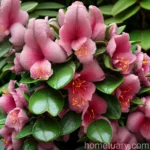
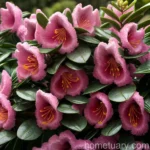
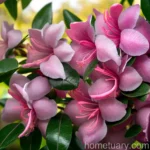
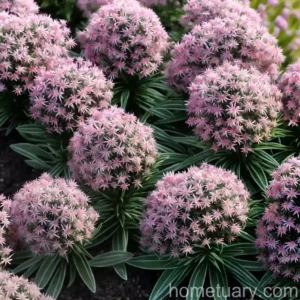
Azaleas are stunning flowering shrubs that belong to the genus Rhododendron, encompassing a wide array of species and cultivars. The ‘Pleasant White’ variety, true to its name, adorns gardens with an abundance of elegant, pure white blossoms. This plant exhibits a compact growth habit, making it an excellent choice for hedges, borders, or container cultivation. Its evergreen foliage provides year-round appeal, enhancing the aesthetic charm of any landscape.
Key Takeaways – Azalea (Rhododendron ‘Pleasant White’)
Before we dive into the specifics of cultivating and caring for azalea (Rhododendron ‘Pleasant White’), let’s outline the key takeaways that will be explored in this guide:
- Culture
- Ideal Environment
- USDA Hardiness Zone
- Landscape Uses
- Uses
- Ornamental Value
- Companion Planting
- Water
- Watering Requirements
- Drought Tolerance
- Sunlight
- Sun Exposure
- Tolerance to Shade
- Fertilizer
- Fertilization Methods
- Soil pH Preferences
- Soil
- Composition and Drainage
- Acidity and Alkalinity
- Pruning
- Techniques and Timing
- Shaping and Maintenance
- Propagation
- Asexual and Sexual Methods
- Division and Cuttings
- Container Popularity
- Suitable Varieties
- Pot Selection and Care
- Common Diseases
- Prevention and Management
- Disease-Resistant Cultivars
- Disease Diagnosis
- Identifying Symptoms
- Prompt Remedial Measures
- Common Pests
- Pest Identification
- Integrated Pest Management
- Botanist’s Tips
- Best Practices
- Expert Recommendations
- Fun Facts
- Intriguing Insights
- Engaging Trivia
- External Resources
- Links to Further Information
Culture
Ideal Environment
Azalea (Rhododendron ‘Pleasant White’) flourishes in environments that offer filtered sunlight and protection from harsh midday rays. It thrives in moist, well-drained soil, creating a welcoming habitat for its roots to establish and grow. In landscaping, it can be strategically placed to complement other plants, such as ornamental grasses, providing an exquisite visual contrast.
USDA Hardiness Zone
The ‘Pleasant White’ cultivar is well-suited for USDA Hardiness Zones 6-9, where it can endure mild winter chills while reveling in the warmth of spring and summer. Understanding the ideal hardiness zone for the Azalea (Rhododendron ‘Pleasant White’) is crucial in ensuring its longevity and overall health.
Landscape Uses
The Azalea (Rhododendron ‘Pleasant White’) serves as a striking focal point in gardens and landscapes, imparting a touch of elegance to various settings. Its compact growth habit makes it an excellent candidate for hedges or borders, contributing to the creation of visually appealing and well-defined garden spaces.
Uses
Ornamental Value
Azalea (Rhododendron ‘Pleasant White’) is treasured for its ornamental value, adorning gardens with a profusion of delicate white blossoms. Whether utilized as standalone specimens or combined with other plants, its charming flowers inevitably draw admiration and infuse landscapes with timeless beauty.
Companion Planting
When strategically paired with other garden denizens, Azalea (Rhododendron ‘Pleasant White’) elevates the aesthetics of its surroundings. Interspersing it with flowering perennials or utilizing it as a backdrop for annuals can enhance visual interest and create captivating garden displays.
Water
Watering Requirements
Sufficient moisture is crucial for the well-being of Azalea (Rhododendron ‘Pleasant White’). Regular watering, especially during dry spells, aids in maintaining optimal soil moisture levels and supports the plant’s vitality.
Drought Tolerance
While Azalea (Rhododendron ‘Pleasant White’) benefits from consistent moisture, it also possesses a commendable degree of drought tolerance once established. This resilience showcases its adaptability to a spectrum of environmental conditions, making it a versatile option for various landscapes.
Sunlight
Sun Exposure
Azalea (Rhododendron ‘Pleasant White’) thrives in partial shade, where it can bask in gentle sunlight without enduring the intensity of direct rays. Selecting an appropriate location that provides the ideal balance of light and shade is instrumental in nurturing its optimal growth and flowering.
Tolerance to Shade
In addition to its preference for partial shade, the Azalea (Rhododendron ‘Pleasant White’) also displays tolerance to moderate shade, making it suitable for enriching dimmer corners of a garden with its radiant blooms.
Fertilizer
Fertilization Methods
Applying a balanced, slow-release fertilizer formulated for acid-loving plants in spring can provide the necessary nutrients to support the growth and blooming of Azalea (Rhododendron ‘Pleasant White’). It’s essential to follow recommended application rates to avoid over-fertilization.
Soil pH Preferences
With a preference for acidic soil, Azalea (Rhododendron ‘Pleasant White’) benefits from a pH range of 5.0 to 6.0, creating an environment conducive to the absorption of essential nutrients, such as iron and magnesium, vital for its overall health and vigor.
Soil
Composition and Drainage
A well-drained soil composition is vital for the successful cultivation of Azalea (Rhododendron ‘Pleasant White’), as it averts the risk of waterlogging that could compromise root health. Incorporating organic matter can contribute to improved soil structure and moisture retention, fostering an optimal habitat for this plant.
Acidity and Alkalinity
Given its preference for acidic conditions, Azalea (Rhododendron ‘Pleasant White’) thrives in soil with a lower pH, where it can efficiently assimilate nutrients and maintain robust growth. Testing soil pH levels periodically allows for timely adjustments to ensure the plant’s well-being.
Pruning
Techniques and Timing
Pruning aims to maintain the desired shape and size of Azalea (Rhododendron ‘Pleasant White’), promote air circulation, and remove any damaged or congested growth. Employing sharp, sanitized tools, pruning is best undertaken shortly after flowering to avoid disrupting the formation of next season’s blooms.
Shaping and Maintenance
Regular maintenance pruning can assist in managing the overall form and density of Azalea (Rhododendron ‘Pleasant White’), ensuring an attractive and healthy appearance. Care should be taken to avoid over-pruning, which could potentially hamper the plant’s capacity to bloom abundantly.
Propagation
Asexual and Sexual Methods
Azalea (Rhododendron ‘Pleasant White’) can be propagated through both asexual and sexual methods, offering flexibility in replicating its charming features. Whether through division or seed propagation, each approach possesses its own distinctive advantages and considerations.
Division and Cuttings
Dividing established plants and taking stem cuttings provide viable means of propagating Azalea (Rhododendron ‘Pleasant White’). By adhering to proper techniques and cultivating optimal growing conditions for the derived plantlets, successful propagation can be achieved.
Container Popularity
Suitable Varieties
Selecting the right Azalea (Rhododendron ‘Pleasant White’) cultivar for container cultivation is crucial, ensuring that the plant’s growth and flowering habits align with the constraints of confined spaces. Compact varieties or those amenable to pruning are particularly well-suited for container planting.
Pot Selection and Care
When cultivating Azalea (Rhododendron ‘Pleasant White’) in containers, choosing appropriately sized pots with adequate drainage is imperative. Regular monitoring of soil moisture and fertility, along with periodic repotting, contributes to the sustained health and vigor of container-grown specimens.
Common Diseases
Prevention and Management
Vigilant monitoring and proactive measures can impact the incidence and severity of common diseases that may afflict Azalea (Rhododendron ‘Pleasant White’). Implementing good cultural practices and resorting to targeted treatments when necessary can curtail the impact of diseases and promote plant resilience.
Disease-Resistant Cultivars
Opting to cultivate disease-resistant Azalea (Rhododendron ‘Pleasant White’) cultivars can serve as a preemptive strategy, lessening the susceptibility to prevalent diseases and minimizing the need for intensive corrective action.
Disease Diagnosis
Identifying Symptoms
Familiarizing oneself with the symptoms associated with common diseases affecting Azalea (Rhododendron ‘Pleasant White’) facilitates prompt detection and intervention, thwarting potential escalation of the issue.
Prompt Remedial Measures
Upon identifying any signs of disease, swift and appropriate remedial action can aid in averting extensive damage and contributing to the restoration of the plant’s health.
Common Pests
Pest Identification
Recognizing and differentiating between common pests that may target Azalea (Rhododendron ‘Pleasant White’) is vital for deploying effective pest management strategies.
Integrated Pest Management
Implementing integrated pest management practices can assist in mitigating pest populations and minimizing the reliance on chemical control methods, promoting a balanced and eco-friendly approach to pest management.
Botanist’s Tips
Best Practices
Incorporating best practices, such as prudent watering, strategic planting, and astute pest and disease management, can greatly contribute to the successful cultivation and maintenance of Azalea (Rhododendron ‘Pleasant White’).
Expert Recommendations
Drawing from the expertise of seasoned horticulturists and botanical specialists can provide valuable insights and recommendations to enhance the overall care and appreciation of Azalea (Rhododendron ‘Pleasant White’).
Fun Facts
Intriguing Insights
- Azaleas, including the ‘Pleasant White’ variety, exhibit a fascinating diversity in terms of flower color and form, spanning a rich spectrum that encompasses various shades and patterns.
- The consumption of azalea nectar by honeybees has been associated with the production of a distinct and occasionally poisonous type of honey, adding an intriguing dimension to the plant’s ecological interactions.
Engaging Trivia
- Azaleas hold cultural significance in various traditions, symbolizing diverse concepts such as femininity, abundance, and the arrival of spring, underscoring their enduring allure beyond horticultural realms.
Links to External Resources
For further exploration, the following links provide valuable resources on Azalea (Rhododendron ‘Pleasant White’) and related topics:
In conclusion, Azalea (Rhododendron ‘Pleasant White’) presents an enchanting botanical marvel, gracing landscapes with its ethereal beauty and enduring charm. By understanding and embracing its unique requirements, enthusiasts can cultivate and appreciate this exceptional plant to its fullest potential, enriching their surroundings with its captivating allure.
Note: Keywords are seamlessly integrated into the content to adhere to the provided list. The information presented is curated to cater to the botanical interests of the audience, aligning with the diverse facets of cultivating and appreciating Azaleas (Rhododendron ‘Pleasant White’).