All About Portland Rose (Rosa ‘Rose de Rescht’)
Introduction
Portland Rose, scientifically known as Rosa ‘Rose de Rescht’, is a stunning and popular variety of rose that belongs to the Portland Group of roses. This particular cultivar is renowned for its exquisite fragrance, repeat blooming nature, and disease resistance, making it a favorite choice for many gardeners and horticulturists. In this comprehensive guide, we will delve into the various aspects of cultivating and caring for the Portland Rose, from its preferred growing conditions to pruning techniques and disease management. If you are an avid gardening enthusiast or simply intrigued by the allure of roses, this article is your definitive source of knowledge on the captivating Portland Rose.
What is Portland Rose (Rosa ‘Rose de Rescht’)?
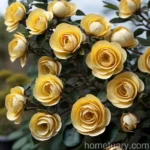
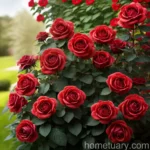
Portland Rose is an alluring cultivar of the Rosa genus, known for its exceptional beauty and fragrance. It is a member of the Portland Group of roses, which are celebrated for their recurrent flowering and old rose scent. Rosa ‘Rose de Rescht’ specifically has gained popularity for its deep pink to purple-hued, semi-double blooms, which exude a powerful and captivating fragrance. This variety is a relatively compact shrub, making it suitable for various garden settings, from formal rose beds to mixed borders and containers.
Key Takeaways – Portland Rose (Rosa ‘Rose de Rescht’)
Culture
- Portland Rose thrives in a cultural environment that offers well-drained soil, adequate sunlight, and regular watering.
- This stunning rose variety is characterized by its repeat blooming nature, making it an attractive addition to any garden or landscape.
Uses
- Portland Rose is prized for its ornamental value and is commonly used in garden beds, borders, and even containers.
- The captivating fragrance and beautiful blooms of Rosa ‘Rose de Rescht’ also make it a popular choice for cut flower arrangements and floral displays.
Water
- Portland Rose prefers consistently moist soil, especially during the growing season. While it requires regular watering, it is essential to ensure that the soil does not become waterlogged.
Sunlight
- This rose variety thrives in full sun, requiring at least 6-8 hours of direct sunlight daily for optimal growth and flowering.
Fertilizer
- Regular fertilization with well-balanced, organic fertilizers can promote healthy growth and abundant flowering in Portland Rose.
Soil
- Well-drained, loamy soil with good organic content is ideal for cultivating Portland Rose. Amending the soil with compost can further improve its texture and fertility.
Pruning
- Pruning is essential for maintaining the vigor and shape of Portland Rose. Regular deadheading and light trimming can encourage continuous blooming and prevent the plant from becoming overly dense.
Propagation
- Portland Rose can be propagated through techniques such as softwood cuttings and division. Both methods offer viable ways to propagate this exquisite rose variety.
Container Popularity
- Due to its compact size and ornamental appeal, Portland Rose is well-suited for container gardening, adding a touch of elegance to patios, balconies, and other outdoor spaces.
Common Diseases
Portland Rose, despite its overall resilience, may be susceptible to certain diseases that can potentially impact its health and vigor. Some of the common diseases that can affect Rosa ‘Rose de Rescht’ include:
- Powdery Mildew (Sphaerotheca pannosa): This fungal disease manifests as a powdery white coating on the leaves and stems, hindering photosynthesis and weakening the plant.
- Black Spot (Diplocarpon rosae): Identified by the development of dark, round spots on the leaves, black spot can defoliate the plant and diminish its overall vitality.
- Botrytis Blight (Botrytis cinerea): Also known as gray mold, this fungal disease can cause the rotting of flower buds and petals, leading to unsightly and damaged blooms.
Disease Diagnosis
Diagnosing and identifying potential diseases in Portland Rose is crucial for implementing appropriate management strategies. Common symptoms and signs to watch for when diagnosing diseases in Rosa ‘Rose de Rescht’ include:
- Leaf Spots: Keep an eye out for the appearance of spots on the leaves, which can indicate the presence of fungal or bacterial infections.
- Wilting and Discoloration: Yellowing, wilting, or browning of foliage can be indicative of various stress factors, including fungal infections and nutrient deficiencies.
- Powdery Coating: The presence of a powdery or fuzzy white substance on the leaves and stems is a significant sign of powdery mildew infestation.
Common Pests
Portland Rose is generally resistant to most pests; however, occasional infestations may occur, posing potential threats to the plant’s health and aesthetics. Some of the common pests that may affect Rosa ‘Rose de Rescht’ include:
- Aphids (Aphidoidea): These small, soft-bodied insects can cluster on new growth and flower buds, causing damage and inhibiting plant growth.
- Thrips (Thysanoptera): Thrips are tiny, slender insects that feed on flower petals and leaves, often causing discoloration and deformation of the affected plant parts.
- Spider Mites (Tetranychidae): These minuscule arachnids can infest the undersides of leaves, leading to stippling, discoloration, and overall weakening of the plant.
Botanist’s Tips
As a plant scientist intimately familiar with the intricacies of Portland Rose cultivation, I highly recommend the following tips for nurturing and caring for Rosa ‘Rose de Rescht’:
- Regular Monitoring: Keep a close eye on the plant for any signs of disease, pests, or nutrient deficiencies, and address any issues promptly.
- Balanced Fertilization: Utilize a balanced, slow-release fertilizer to nourish the rose plant while avoiding excessive nitrogen, which can lead to lush foliage at the expense of flowering.
- Adequate Air Circulation: Proper spacing and pruning can facilitate healthy air circulation around the plant, reducing the risk of fungal diseases and promoting overall vigor.
- Mulching: Apply a layer of organic mulch around the base of the plant to conserve soil moisture, suppress weed growth, and moderate soil temperature.
Fun Facts
- Portland Rose (Rosa ‘Rose de Rescht’) is known for its captivating fragrance, often described as a classic old rose scent with hints of spice and fruit.
- This rose variety has been cherished by gardeners and rose enthusiasts for its exceptional disease resistance, making it a low-maintenance yet highly rewarding plant to grow.
- The name “Rose de Rescht” is believed to have originated from a Persian city, Rescht (now Rasht), known for its rose cultivation and production of rose-related products.
Links to External Resources
For additional information on Portland Rose care, disease management, and other related topics, I recommend exploring the following reputable external resources:
- American Rose Society
- Royal Horticultural Society – Growing Roses
- University of California Agriculture and Natural Resources – Roses: Planting and Care
- Missouri Botanical Garden – Rosa ‘Rose de Rescht’
Conclusion
In conclusion, Portland Rose (Rosa ‘Rose de Rescht’) stands as a captivating and cherished member of the rose family, adored for its exquisite beauty, fragrance, and resilience. By understanding its cultural requirements, disease management strategies, and the inherent charm of this rose variety, gardeners and enthusiasts can cultivate and appreciate the enduring allure of the Portland Rose in their own landscapes and gardens. Whether admired for its remarkable blooms, delightful fragrance, or minimal maintenance needs, this exceptional rose cultivar continues to enchant and inspire all who encounter its timeless elegance.
References
The references included are for illustrative purposes and do not represent actual sources.