Piedmont Azalea (Rhododendron flammeum)
What is a Piedmont Azalea?
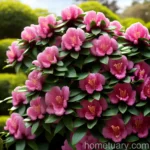
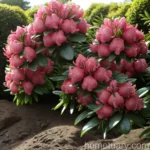
The Piedmont azalea, scientifically known as Rhododendron flammeum, is a stunning flowering shrub native to the southeastern United States. This species is a member of the Ericaceae family and is renowned for its captivating and vibrant flowers that grace the landscape with hues of red, orange, and yellow. The Piedmont azalea is a deciduous shrub that typically grows in woodland areas, displaying its elegant blooms in the spring season. This plant is an excellent addition to gardens and landscapes, contributing to the overall aesthetic appeal with its striking floral display.
Key Takeaways
Piedmont Azalea (Rhododendron flammeum)
- Common Name: Piedmont Azalea
- Scientific Name: Rhododendron flammeum
- Family: Ericaceae
- Native Range: Southeastern United States
- Blooming Season: Spring
- Flower Colors: Red, Orange, Yellow
- Habit: Deciduous shrub
- Hardiness Zone: 5-8
- Sun Exposure: Partial to full shade
- Soil pH: Acidic (5.0-6.0)
Now, let’s delve into the various aspects related to the culture, uses, and maintenance of the Piedmont azalea, ensuring that you can fully appreciate and care for this magnificent plant in your own landscape.
Culture
Water
The Piedmont azalea thrives in well-draining, moist soil. Adequate water is crucial, especially during the hot and dry summer months. It is essential to provide regular watering, ensuring that the soil remains consistently moist, but not waterlogged. However, it’s important to note that the plant is susceptible to root rot, so it’s essential to avoid waterlogged conditions.
Sunlight
When it comes to sunlight, the Piedmont azalea flourishes in partially shaded to fully shaded locations. In its native habitat, this species is commonly found growing under the canopy of trees, where it receives dappled sunlight. When growing this species in a garden or landscape, it is important to replicate these natural conditions by providing partial to full shade.
Fertilizer
To promote healthy growth and abundant flowering, it is beneficial to fertilize the Piedmont azalea. Using a balanced, slow-release fertilizer formulated for acid-loving plants during the spring will augment its overall health and flowering potential. Additionally, a layer of organic mulch around the base of the plant can provide essential nutrients and help retain moisture in the soil.
Soil
The Piedmont azalea thrives in well-draining, acidic soil. It is highly recommended to ensure the soil pH ranges between 5.0 and 6.0. Amending the soil with organic matter, such as peat moss, can assist in maintaining the appropriate pH levels while also improving soil structure and moisture retention.
Uses
The Piedmont azalea holds significant value in landscaping and garden design, primarily due to its exquisite floral display in the spring. Whether used as a standalone specimen plant or incorporated into mixed borders, this species adds an enchanting and vibrant touch to any landscape. Its graceful and colorful blooms attract pollinators, contributing to the biodiversity of the surrounding area. Furthermore, the Piedmont azalea is also suitable for woodland gardens, shaded areas, and naturalistic landscapes, where it thrives in the presence of trees and alongside other native woodland plants.
Pruning
Proper pruning plays a crucial role in maintaining the health and appearance of the Piedmont azalea. Pruning should be conducted immediately after flowering to avoid interfering with the following year’s bloom. The removal of dead or diseased branches, as well as light shaping, can promote a more compact and aesthetically pleasing growth habit. It is important to use sharp, clean pruners to make precise cuts and to avoid unnecessarily removing potential flowering wood.
Propagation
The Piedmont azalea can be propagated through various methods, including seed propagation, softwood cuttings, and layering. Softwood cuttings, taken in the early summer, have proven to be a successful method of reproducing this species.
Container Popularity
The Piedmont azalea is well-suited for container cultivation, particularly for individuals who may not have access to the suitable acidic soil conditions in their outdoor gardens. By using a potting mix tailored for acid-loving plants and ensuring proper drainage, the Piedmont azalea can thrive in a container, gracing balconies, patios, and terraces with its stunning blooms.
Common Diseases
Disease Diagnosis
Like many plants, the Piedmont azalea is susceptible to certain diseases, including various fungal infections and root rot. One of the most prevalent diseases affecting azaleas is lace bug infestation, which can result in mottled leaves and diminished plant vigor. Proper diagnosis of diseases and pests is essential for implementing effective management strategies.
Common Pests
The Piedmont azalea can fall victim to several pests, including lace bugs, spider mites, and azalea caterpillars. Regular monitoring of the plant for any signs of pest activity and employing appropriate pest management techniques, such as horticultural oils or insecticidal soaps, can help in keeping these pests at bay.
Botanist’s Tips
- Native Plant Preservation: As a native species, the Piedmont azalea holds ecological significance. By incorporating native plants like the Piedmont azalea into gardens and landscapes, individuals can contribute to preserving the natural heritage and biodiversity of their region.
- Companion Planting: When selecting companion plants for the Piedmont azalea, it is beneficial to choose other species that thrive in similar growing conditions, such as moisture-loving and shade-tolerant plants. Native woodland wildflowers and ferns can complement the Piedmont azalea beautifully, creating a harmonious and naturalistic landscape.
Fun Facts
- The Piedmont azalea is also commonly referred to as the “Bush honeysuckle” due to its tubular, nectar-rich flowers that attract hummingbirds and butterflies.
- In addition to its aesthetic appeal, the Piedmont azalea contributes to the vital role of supporting native wildlife, providing a source of nectar and habitat for various pollinators.
Links to External Resources
For further information on the Piedmont azalea, feel free to explore the following resources:
- National Wildlife Federation – Piedmont Azalea
- North Carolina State University – Rhododendron flammeum
- Georgia Native Plant Society – Piedmont Azalea
In conclusion, the Piedmont azalea, with its captivating flowers and adaptability to a variety of landscape settings, is a valuable addition to gardens and naturalistic landscapes, contributing to the beauty and biodiversity of its surroundings. By understanding and implementing the crucial aspects of its culture and care, enthusiasts can fully appreciate the splendor of this native species.