The Beauty of Azalea (Rhododendron ‘Fanny’)
Azaleas, members of the Rhododendron genus, are flowering shrubs celebrated for their vibrant and abundant blossoms, making them a popular choice for gardens and landscapes. Among the diverse array of azalea varieties, the ‘Fanny’ cultivar stands out for its exceptional beauty and resilience, making it a favorite among gardeners and landscaping enthusiasts. In this comprehensive guide, we will delve into the world of azalea (Rhododendron ‘Fanny’), exploring its characteristics, cultivation, uses, and maintenance tips. Whether you are a seasoned horticulturist or an aspiring plant enthusiast, join me on this journey to uncover the beauty and allure of the ‘Fanny’ azalea.
What is Azalea (Rhododendron ‘Fanny’)?
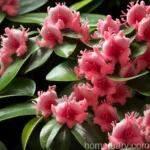
The azalea (Rhododendron ‘Fanny’) is a cultivar of the azalea plant, renowned for its striking flowers that adorn gardens with vibrant hues. This variety belongs to the Rhododendron genus, which encompasses a diverse range of woody plants, including both evergreen and deciduous species. The ‘Fanny’ cultivar is cherished for its compact growth habit, making it an excellent choice for containers, borders, and woodland gardens.
Key Takeaways – Azalea (Rhododendron ‘Fanny’)
Before delving into the intricate details of cultivating and caring for the ‘Fanny’ azalea, here are the key takeaways that we will explore in this guide:
- Culture of Azalea (Rhododendron ‘Fanny’)
- Uses of Azalea (Rhododendron ‘Fanny’)
- Water Requirements for Azalea (Rhododendron ‘Fanny’)
- Sunlight Preferences of Azalea (Rhododendron ‘Fanny’)
- Fertilization Tips for Azalea (Rhododendron ‘Fanny’)
- Soil Requirements for Azalea (Rhododendron ‘Fanny’)
- Pruning Techniques for Azalea (Rhododendron ‘Fanny’)
- Propagation Methods for Azalea (Rhododendron ‘Fanny’)
- Container Gardening with Azalea (Rhododendron ‘Fanny’)
- Popularity of Azalea (Rhododendron ‘Fanny’)
- Common Diseases of Azalea (Rhododendron ‘Fanny’)
- Pest Control for Azalea (Rhododendron ‘Fanny’)
- Botanist’s Tips for Azalea (Rhododendron ‘Fanny’)
- Fun Facts about Azalea (Rhododendron ‘Fanny’)
Now, let’s embark on a fascinating journey to unravel the world of the ‘Fanny’ azalea, from its cultural preferences to its unique uses and maintenance guidelines.
Culture of Azalea (Rhododendron ‘Fanny’)
The culture of azalea (Rhododendron ‘Fanny’) involves understanding its specific requirements for optimal growth and development. From soil conditions to pruning techniques, a comprehensive knowledge of the plant’s culture is essential for nurturing healthy and vibrant ‘Fanny’ azaleas.
Water
Proper watering is crucial for the health and vigor of azalea (Rhododendron ‘Fanny’) plants. Both overwatering and underwatering can have detrimental effects on the plant, affecting its overall growth and flowering capacity. Understanding the water needs of the ‘Fanny’ azalea is essential for maintaining its well-being.
Watering Guidelines for Azalea (Rhododendron ‘Fanny’):
- Azaleas generally prefer moist, well-drained soil. It is important to keep the soil consistently moist, especially during dry periods, without allowing it to become waterlogged.
- Adequate moisture is especially critical during the blooming period and the establishment phase after planting. Mulching can help retain soil moisture and reduce the frequency of watering.
- Avoid watering the foliage, as wet leaves can make the plant more susceptible to diseases. Water at the base of the plant to deliver moisture directly to the roots.
Sunlight
Understanding the sunlight preferences of azalea (Rhododendron ‘Fanny’) is pivotal for optimizing its growth and flowering potential. The ‘Fanny’ cultivar, like many azaleas, thrives in partial shade to dappled sunlight, making it a splendid choice for gardens with filtered light conditions.
Sunlight Preferences for Azalea (Rhododendron ‘Fanny’):
- Azaleas generally prefer locations with partial shade to full shade. In their natural habitats, they are often found beneath the canopy of trees, where they receive dappled sunlight.
- Excessive exposure to direct sunlight can lead to sunburn on the foliage and cause the plant to wilt. Therefore, it is essential to provide the ‘Fanny’ azalea with adequate shade, especially during the hottest part of the day.
- While some varieties of azaleas can tolerate more sunlight, the ‘Fanny’ cultivar typically thrives in shaded environments, making it an excellent choice for woodland gardens and areas with filtered light.
Fertilizer
Proper fertilization is key to promoting healthy growth and abundant blooms in azalea (Rhododendron ‘Fanny’). However, understanding the specific fertilization requirements of the ‘Fanny’ cultivar is essential to avoid overfertilizing, which can result in adverse effects on the plant.
Fertilization Tips for Azalea (Rhododendron ‘Fanny’):
- Use a balanced, slow-release fertilizer formulated for acid-loving plants to nourish azaleas, such as those with an N-P-K ratio of 10-8-6 or similar.
- Apply the fertilizer in early spring before new growth begins, following the manufacturer’s recommended application rates. Avoid fertilizing azaleas during the late summer or fall, as this can stimulate new growth that may be susceptible to cold damage.
- Consider incorporating organic matter, such as compost or well-rotted manure, into the soil when planting or transplanting azalea (Rhododendron ‘Fanny’) to enhance soil fertility and structure.
Soil Requirements for Azalea (Rhododendron ‘Fanny’)
The soil requirements of azalea (Rhododendron ‘Fanny’) play a pivotal role in its overall health and vitality. Understanding the optimal soil conditions for the ‘Fanny’ cultivar is essential for promoting robust growth and abundant flowering.
Optimal Soil Conditions for Azalea (Rhododendron ‘Fanny’):
- Azaleas, including the ‘Fanny’ cultivar, thrive in well-drained, acidic soils with a pH range of 5.0 to 6.0. The presence of organic matter in the soil is beneficial, as it helps retain moisture and provides essential nutrients to the plant.
- If the native soil is not conducive to azalea growth, consider amending it with organic matter, such as peat moss, pine bark, or compost, to improve drainage and create a more acidic environment.
- Mulching with organic materials, such as pine bark mulch or leaf mold, can further enhance soil acidity and moisture retention, benefiting the ‘Fanny’ azalea.
Pruning Techniques for Azalea (Rhododendron ‘Fanny’)
Pruning is an essential aspect of azalea (Rhododendron ‘Fanny’) maintenance, contributing to the plant’s overall health, shape, and flowering performance. Understanding the proper pruning techniques for the ‘Fanny’ cultivar is crucial for enhancing its aesthetic appeal and promoting prolific blooms.
Pruning Guidelines for Azalea (Rhododendron ‘Fanny’):
- Prune the ‘Fanny’ azalea immediately after flowering to shape the plant and remove any dead or damaged branches. Avoid heavy pruning during late summer or fall, as this can diminish the following year’s flowering potential.
- Use sharp, clean pruning shears to make precise cuts, ensuring that the natural form of the ‘Fanny’ azalea is maintained while removing unwanted growth.
- Consider thinning out crowded branches to improve air circulation and light penetration, promoting overall plant health. However, avoid overpruning, as this can lead to reduced flowering and weaken the plant.
Propagation Methods for Azalea (Rhododendron ‘Fanny’)
Propagating azalea (Rhododendron ‘Fanny’) allows enthusiasts to multiply their prized plants and share their beauty with others. Understanding the various propagation methods for the ‘Fanny’ cultivar is essential for expanding its presence in gardens and landscapes.
Propagation Techniques for Azalea (Rhododendron ‘Fanny’):
- Propagate the ‘Fanny’ azalea through methods such as stem cuttings, layering, or grafting. Stem cuttings are a popular and relatively straightforward method of propagation, making it possible to create new plants with identical characteristics to the parent plant.
- Select healthy, non-flowering shoots for propagation, and carefully prepare the cuttings before planting them in a well-draining, sterile rooting medium. Provide the cuttings with the appropriate moisture and light conditions to encourage root development.
- Layering involves encouraging a branch to root while still attached to the parent plant, and grafting involves joining a ‘Fanny’ azalea cutting onto a compatible rootstock. Both methods require careful attention and skill, but they can yield successful results when executed properly.
Container Gardening with Azalea (Rhododendron ‘Fanny’)
The ‘Fanny’ azalea’s compact growth habit and ornamental beauty make it an excellent choice for container gardening. Whether gracing patios, balconies, or outdoor living spaces, container-grown ‘Fanny’ azaleas offer versatile options for showcasing their vibrant blooms.
Tips for Container Gardening with Azalea (Rhododendron ‘Fanny’):
- Select a container that provides adequate drainage holes and accommodates the ‘Fanny’ azalea’s root system. Plant the azalea in a well-draining, acidic potting mix to mimic its natural soil preferences.
- Place the container in a location with filtered light or partial shade, as excessive sun exposure can lead to heat stress and moisture loss for the azalea. Consider complementing the ‘Fanny’ azalea with other shade-loving plants to create visually appealing container arrangements.
- Regularly monitor the soil moisture and water the azalea as needed, ensuring that the container does not become waterlogged. Fertilize the plant according to the recommended guidelines for potted azaleas to support healthy growth and abundant flowering.
Popularity of Azalea (Rhododendron ‘Fanny’)
The ‘Fanny’ cultivar has gained popularity among gardeners and landscapers for its captivating blossoms and adaptable nature. Its unique attributes and exceptional beauty contribute to its widespread appeal in diverse gardening and landscaping contexts.
Reasons for the Popularity of Azalea (Rhododendron ‘Fanny’):
- The ‘Fanny’ azalea’s compact growth habit makes it suitable for small gardens, containers, and border plantings, offering versatility in various landscape settings.
- Its vibrant and abundant blooms in shades of pink, red, or salmon add a burst of color to gardens, attracting admirers and contributing to the plant’s widespread acclaim.
- The ‘Fanny’ cultivar’s resilience to diverse climatic conditions and its adaptability to shaded environments make it an attractive option for landscaping projects, earning it favor among gardening enthusiasts.
Common Diseases of Azalea (Rhododendron ‘Fanny’)
Like any plant, azalea (Rhododendron ‘Fanny’) is susceptible to certain diseases that can affect its health and appearance. Recognizing and addressing common diseases is crucial for maintaining the vitality of the ‘Fanny’ cultivar in gardens and landscapes.
Common Diseases Affecting Azalea (Rhododendron ‘Fanny’):
| Disease | Symptoms | Management |
|---|---|---|
| Powdery Mildew | White powdery patches on leaves | Improve air circulation; fungicidal treatments |
| Leaf Spot | Dark spots on leaves, yellowing, premature defoliation | Prune affected foliage; apply fungicides |
| Phytophthora Root Rot | Wilting, yellowing, and eventual collapse of the plant | Improve soil drainage; avoid overwatering |
| Lace Bug Infestation | Yellow stippling on leaves, reduced plant vigor | Insecticidal treatments; encourage beneficial insects |
Preventing diseases through proper cultural practices, such as providing adequate air circulation and maintaining optimal watering practices, is essential for minimizing the risk of disease development in the ‘Fanny’ azalea.
Pest Control for Azalea (Rhododendron ‘Fanny’)
Pests can pose challenges to the health and aesthetics of azalea (Rhododendron ‘Fanny’), necessitating vigilant pest management practices to mitigate potential damage. Identifying common pests and implementing effective control measures is vital for preserving the ‘Fanny’ azalea’s beauty and vigor.
Common Pests Affecting Azalea (Rhododendron ‘Fanny’):
| Pest | Symptoms | Management |
|---|---|---|
| Azalea Caterpillars | Skeletonized foliage, webbing, and caterpillar presence | Mechanical removal; Bacillus thuringiensis applications |
| Spider Mites | Fine webbing, stippled leaves, reduced plant vigor | Miticidal treatments; improving humidity levels |
| Azalea Lace Bug | Yellow stippling on leaves, nymphs and adults on foliage | Insecticidal soaps or oils; encouraging natural predators |
| Azalea Bark Scale | White or gray scale insects on stems and branches | Horticultural oil applications; pruning infested areas |
By carefully monitoring the ‘Fanny’ azalea for signs of pest infestations and promptly addressing any issues through targeted control methods, gardeners can safeguard the plant from potential pest-related damage.
Botanist’s Tips for Azalea (Rhododendron ‘Fanny’)
Drawing upon botanists’ insights and expertise can provide invaluable guidance for cultivating and caring for azalea (Rhododendron ‘Fanny’). These expert tips offer practical wisdom and recommendations for maximizing the ‘Fanny’ azalea’s potential in various gardening and landscaping endeavors.
Botanist’s Tips for Cultivating Azalea (Rhododendron ‘Fanny’):
-
Prune with Precision: When pruning the ‘Fanny’ azalea, aim for selective, conservative cuts to maintain its natural form and promote healthy growth. Precision pruning can enhance the plant’s aesthetic appeal and flowering performance.
-
Monitor Soil Moisture: Regularly assess the soil moisture levels for the ‘Fanny’ azalea, ensuring that it remains consistently moist without becoming waterlogged. Adequate moisture is essential for supporting the plant’s vitality and flowering capacity.
-
Consider Container Options: Explore distinctive containers and pots for showcasing the ‘Fanny’ azalea, taking into account factors such as drainage, size, and aesthetic compatibility to create captivating container displays.
-
Introduce Companion Plants: Select shade-tolerant, complementary plants to accompany the ‘Fanny’ azalea, creating harmonious garden arrangements and enriching the overall aesthetic appeal of the landscape.
-
Embrace Organic Practices: Incorporate organic gardening principles, such as using natural mulches and compost, to nurture the ‘Fanny’ azalea and promote sustainable, environmentally conscious cultivation practices.
Fun Facts about Azalea (Rhododendron ‘Fanny’)
As we immerse ourselves in the world of azalea (Rhododendron ‘Fanny’), let’s uncover some intriguing and delightful fun facts about this captivating cultivar, enriching our appreciation for its unique qualities and allure.
Fascinating Azalea (Rhododendron ‘Fanny’) Trivia:
- The ‘Fanny’ azalea belongs to the Knap Hill Exbury hybrid group, renowned for its vividly colored blooms and exceptional hardiness.
- This cultivar’s flowers can range from delicate pink shades to vibrant coral tones, creating a kaleidoscope of hues that captivate the eye and elevate garden landscapes.
- The ‘Fanny’ azalea’s compact growth habit makes it an ideal choice for smaller garden spaces and containers, offering a delightful botanical accent with its abundant flowering.
Whether you are an avid fan of azaleas or a newcomer to the world of horticulture, these fun and informative tidbits about the ‘Fanny’ azalea are sure to enhance your admiration for this remarkable botanical gem.
Links to External Resources
For further exploration of azalea (Rhododendron ‘Fanny’) and its captivating attributes, the following resources offer valuable insights, visual inspiration, and expert guidance:
- American Rhododendron Society
- Azalea Society of America
- Royal Horticultural Society – Azaleas and Rhododendrons
These reputable organizations and websites provide a wealth of knowledge and resources for enthusiasts seeking to deepen their understanding of azaleas and incorporate the ‘Fanny’ cultivar into their garden and landscape endeavors.
In conclusion, the ‘Fanny’ azalea (Rhododendron ‘Fanny’) stands as a captivating testament to the enduring appeal of azaleas in horticulture. Its vibrant blooms, adaptable nature, and ornamental charm make it a cherished addition to gardens, enriching outdoor spaces with its radiant floral display. As we appreciate the beauty and resilience of the ‘Fanny’ azalea, let us continue to cultivate and celebrate the remarkable diversity of these beloved flowering shrubs, perpetuating their legacy in the world of gardening and landscape design.