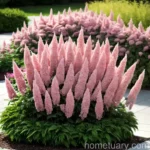
Astilbe ‘Rock and Roll’ (Arendsii Hybrid) – A Plant Scientist’s Guide
Introduction
Plants are not just beautiful to look at; they are also fascinating subjects of scientific study. As a plant scientist, I find immense joy in delving deep into the world of plants, understanding their characteristics, behaviors, and requirements. In this blog post, we will explore the intricacies of one such plant, the Astilbe ‘Rock and Roll’ (Arendsii Hybrid). From its culture and uses to its growth requirements and common diseases, we will dissect this plant from a scientific perspective, providing insight that is both practical and comprehensive.
What is Astilbe ‘Rock and Roll’ (Arendsii Hybrid)?
The Astilbe ‘Rock and Roll’ (Arendsii Hybrid) is a delightful perennial plant that belongs to the Saxifragaceae family. Known for its stunning plumes of colorful flowers, it is a popular choice for shaded gardens and landscapes. This cultivar is a result of the careful hybridization of different Astilbe species, resulting in a plant that exhibits unique characteristics and qualities.
Key Takeaways
Let’s begin our exploration of Astilbe ‘Rock and Roll’ (Arendsii Hybrid) by understanding some key takeaways about this plant.
Culture
- Scientific Name: Astilbe ‘Rock and Roll’ (Arendsii Hybrid)
- Family: Saxifragaceae
- Type: Perennial
- Hardiness: USDA zones 4-9
- Mature Height: 18-24 inches
- Mature Spread: 18-24 inches
- Bloom Time: Late spring to early summer
Uses
- Landscape Borders: The attractive foliage and vibrant blooms make it an excellent choice for defining garden borders.
- Shade Gardens: Thrives in shaded areas, adding color and texture to otherwise dull spots in the garden.
Water
- Watering Needs: Regular watering, keeping the soil consistently moist, but not waterlogged.
- Drought Tolerance: Moderate drought tolerance once established, but performs best in consistently moist soil.
Sunlight
- Sun Exposure: Partial to full shade.
- Sunlight Requirements: Requires at least 4-6 hours of dappled sunlight or filtered shade.
Fertilizer
- Fertilization: Applying a balanced, slow-release fertilizer in spring can promote healthy growth and flowering.
Soil
- Soil Type: Moist, well-draining soil rich in organic matter.
- pH: Slightly acidic to neutral soil (pH 5.5-7.0).
Pruning
- Pruning: Remove faded flower stalks to encourage reblooming and to maintain plant aesthetics.
- Fall Cleanup: Cut back the foliage in late fall or early spring.
Propagation
- Propagation: Division of mature clumps in early spring or late summer.
- Seed Propagation: Possible but not commonly practiced due to the time it takes to produce flowering plants.
Container Popularity
- Container Gardening: Well-suited for containers, especially in shady patios and urban gardens.
- Pot Size: Choose a container with sufficient depth to accommodate the plant’s roots.
Common Diseases
- Disease Resistance: Resistant to most diseases when provided with suitable growing conditions.
- Powdery Mildew: Can be a concern in humid conditions, especially when air circulation is poor.
Disease Diagnosis
- Symptoms: White powdery spots on the leaves, distortion of new growth.
- Preventive Measures: Proper spacing, adequate ventilation, and avoiding overhead watering can help prevent powdery mildew.
Common Pests
- Pests: Generally not prone to serious pest infestations.
- Troubleshooting: Keep an eye out for slugs and snails, particularly in damp conditions.
Botanist’s Tips
- Companion Plants: Pair with other shade-loving plants such as hostas, ferns, and heucheras for an enchanting woodland garden.
- Mulching: Applying a layer of organic mulch can help maintain soil moisture and suppress weed growth.
Fun Facts
- The name “Astilbe” is derived from the Greek words “a” (without) and “stilbe” (brightness), referring to the fact that the plant does not produce a noticeable fragrance or essential oils.
- The vibrant plumes of Astilbe flowers are actually made up of tiny, densely packed florets, creating a stunning display of color.
Links to External Resources
Here are some valuable resources for further exploration of Astilbe ‘Rock and Roll’ (Arendsii Hybrid):
- The Royal Horticultural Society – Astilbe ‘Rock and Roll’
- Missouri Botanical Garden – Astilbe x arendsii ‘Rock and Roll’
- Fine Gardening – Astilbe ‘Rock and Roll’
With the groundwork laid out, let’s delve deeper into the fascinating world of Astilbe ‘Rock and Roll’ (Arendsii Hybrid), exploring its care, characteristics, growth habits, and much more.
Astilbe ‘Rock and Roll’ (Arendsii Hybrid) Care
Water Needs
Ensuring adequate and consistent moisture is crucial for the health and vitality of Astilbe ‘Rock and Roll’. Here are some essential points to consider when it comes to watering this beautiful perennial:
- Regular Watering: Astilbe thrives in moist soil and should be watered regularly, especially during dry spells.
- Avoid Waterlogging: While the plant loves moisture, waterlogging can be detrimental, so ensure proper drainage to prevent water accumulation around the roots.
- Mulching: Applying a layer of organic mulch around the plant can help retain soil moisture, reduce evaporation, and suppress weed growth.
- Drought Tolerance: While Astilbe prefers consistently moist soil, it does display some level of tolerance to brief periods of drought once it has established a strong root system. However, extended drought can lead to decreased vigor and flowering.
Sunlight Requirements
The ideal sunlight conditions for Astilbe ‘Rock and Roll’ involve providing it with the right balance of light and shade. Here’s what you need to know about meeting its sunlight requirements:
- Partial to Full Shade: Astilbe is renowned for its preference for shady conditions, making it an excellent choice for gardens and landscapes with limited direct sunlight.
- Filtered Sunlight: While it performs well in partial shade, providing about 4-6 hours of dappled sunlight is recommended for prolific flowering and healthy growth.
- Protect from Harsh Afternoon Sun: In regions with intense afternoon sunlight, it is essential to shield the plant from direct sun exposure, as this can scorch the delicate foliage and impair its overall health.
Fertilizer Application
Astilbe ‘Rock and Roll’ can benefit from appropriate fertilization, particularly during its active growth phase. Here’s a guide to effectively fertilizing this perennial:
- Choosing the Right Fertilizer: Opt for a balanced, slow-release fertilizer designed for flowering perennials.
- Application Time: Apply the fertilizer in early spring as new growth begins to emerge. Avoid over-fertilization, as this can lead to excessive foliage growth at the expense of flower production.
- Top Dressing Method: After the first wave of flowering, consider top-dressing the soil around the plant with a thin layer of compost to provide additional nutrients and support future growth.
Soil Requirements
The soil composition and pH level play a crucial role in the overall health and performance of Astilbe ‘Rock and Roll’. Consider the following factors when preparing the soil for this plant:
- Moist, Well-Draining Soil: Astilbe thrives in soil that maintains consistent moisture without becoming waterlogged. Improving soil drainage is essential, especially in areas with heavy or clayey soil.
- Organic Matter: Incorporating organic matter such as well-rotted compost or leaf mold into the soil can enhance its moisture retention capacity and provide essential nutrients to the plant.
- pH Range: Aim for a slightly acidic to neutral soil pH in the range of 5.5-7.0 for optimal growth and nutrient uptake.
Pruning Guidelines
Pruning is an essential aspect of caring for Astilbe ‘Rock and Roll’, contributing to its overall appearance and promoting healthy growth. Here are the key points to keep in mind when it comes to pruning this perennial:
- Deadheading: Removing faded flower stalks not only improves the plant’s aesthetics but also encourages the production of new buds, leading to extended flowering periods.
- Fall Cleanup: In late fall or early spring, prune back the old foliage to ground level to allow fresh growth to emerge unimpeded.
- Dividing Clumps: Over time, Astilbe clumps may become overcrowded, leading to reduced flowering and vigor. Dividing the clumps every 3-4 years in early spring or late summer can rejuvenate the plants and promote better flowering.
Propagation Techniques
If you’re interested in multiplying your Astilbe ‘Rock and Roll’ collection or sharing it with fellow gardening enthusiasts, propagation through division is a viable option. Here’s a rundown of the propagation process for this perennial:
- Division: As the plant matures, its clumps can be carefully divided using a sharp, clean knife or spade. Each division should have several healthy, well-developed shoots along with a portion of the root system.
- Ideal Timing: Early spring, just as new growth begins to emerge, or late summer, after the plant has finished flowering, are the best times for dividing Astilbe.
- Planting Divisions: Once divided, the individual sections can be replanted in suitable locations, ensuring that they receive adequate moisture and protection from direct sun during the establishment period.
Container Gardening
Astilbe ‘Rock and Roll’ is well-suited for container gardening, offering an opportunity to adorn shaded balconies, patios, and other urban spaces with its captivating blooms. Here’s how to cultivate this plant in containers:
- Pot Selection: Choose a container with sufficient depth to accommodate the plant’s root system and provide room for adequate moisture retention.
- Potting Mix: Use a high-quality, well-draining potting mix rich in organic matter to ensure the plant’s nutritional needs are met and water is retained effectively.
- Watering Considerations: Container-grown Astilbe may require more frequent watering, especially during periods of hot weather, to prevent the soil from drying out excessively.
Popularity in Container Gardening
The innate beauty and adaptability of Astilbe ‘Rock and Roll’ make it a prized addition to container gardens. Its suitability for shaded and partially shaded areas, coupled with its low maintenance requirements, have contributed to its popularity in container gardening setups.
Common Diseases and Preventive Measures
While Astilbe ‘Rock and Roll’ is generally resistant to most diseases when provided with suitable growing conditions, certain issues may arise, requiring vigilance and timely intervention. Let’s explore some common diseases and their preventive measures:
- Powdery Mildew: This fungal disease can affect Astilbe in humid and poorly ventilated conditions, manifesting as white powdery spots on the leaves and new growth.
- Preventive Strategies: Adequate spacing between plants, ensuring good air circulation, and avoiding overhead watering can help minimize the risk of powdery mildew.
- Treatment: If powdery mildew does occur, prompt treatment with appropriate fungicides can help halt its spread and protect the plant from further damage.
Common Pests and Management
Astilbe ‘Rock and Roll’ is relatively resistant to serious pest infestations, but it is not immune to the occasional visit from pests. Here are a few pests to watch out for and how to manage them effectively:
- Slugs and Snails: These moisture-loving pests can pose a threat to Astilbe, particularly in damp conditions and shaded areas.
- Control Measures: Implement slug and snail control strategies such as using copper barriers, beer traps, diatomaceous earth, or organic slug pellets to protect the plants from damage.
Botanist’s Tips for Growing Astilbe ‘Rock and Roll’
As a seasoned botanist, I’d like to share some valuable tips to help you nurture and showcase the best of Astilbe ‘Rock and Roll’ in your garden:
- Companion Planting: Pair Astilbe with other shade-loving perennials such as hostas, ferns, heucheras, and brunnera for a visually captivating woodland garden display.
- Mulching Techniques: Apply a generous layer of organic mulch, such as shredded bark or compost, around the base of the plant to maintain optimal soil moisture and temperature, while also suppressing weed growth.
- Pruning Insights: Regular deadheading and removal of spent flower stalks can maintain the plant’s vigor and encourage continuous flowering, enhancing its ornamental appeal in the garden landscape.
Fun Facts about Astilbe ‘Rock and Roll’
Discover some fascinating tidbits about this captivating perennial that add to its allure and charm:
- The Astilbe genus derives its name from the Greek words “a” (without) and “stilbe” (brightness), alluding to the absence of conspicuous fragrance or essential oils in the plant.
- The splendid plumes of Astilbe flowers are comprised of densely packed tiny florets, creating a mesmerizing and vibrant display of colors and textures in shaded gardens and landscapes.
Conclusion
As we conclude our comprehensive journey into the world of Astilbe ‘Rock and Roll’ (Arendsii Hybrid), I hope you have gleaned invaluable insights into the care, growth, and characteristics of this captivating perennial. From understanding its water and sunlight needs to exploring propagation techniques and disease management, we have delved into the depth of scientific knowledge surrounding this plant, enriching your understanding and appreciation for its beauty and resilience. As a plant scientist, it is my pleasure to unravel the mysteries and wonders of the botanical world, offering practical guidance and a deeper connection to the natural marvels that surround us.
The Astilbe ‘Rock and Roll’ (Arendsii Hybrid) stands as a testament to the splendor of shaded garden spaces, embodying grace, elegance, and a remarkable resilience that inspires admiration and fascination. With the right care and attention to its unique requirements, this delightful perennial can flourish, bringing an enchanting touch of color and charm to any garden or landscape it graces.
Remember, the world of plants is an ever-unfurling tapestry of beauty and wonder, inviting us to explore, learn, and cultivate a deeper reverence for the diverse and remarkable botanical treasures that enrich our lives.
Should you feel the urge to seek further guidance or indulge in the boundless world of plants, feel free to peruse the external resources provided, allowing your curiosity to bloom and flourish like the captivating Astilbe ‘Rock and Roll’ itself.
Thank you for accompanying me on this fascinating botanical journey. Until we meet again, may your gardens prosper, and your love for plants continue to blossom.
Warm regards,
[Your Name]
Plant Scientist
References:
https://www.rhs.org.uk/Plants/176373/i-Astilbe-i-Rock-and-Roll-(PBR)-(Arendsii-Group)/Details
http://www.missouribotanicalgarden.org/PlantFinder/PlantFinderDetails.aspx?taxonid=257244&isprofile=0&
https://www.finegardening.com/plant/astilbe-rock-and-roll-arendsii-hybrid