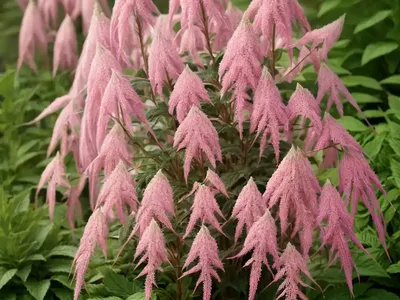
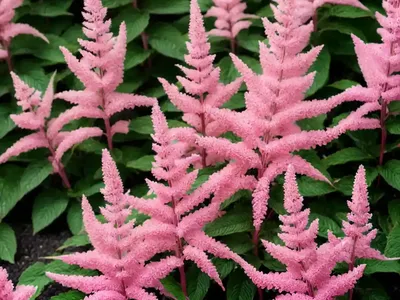
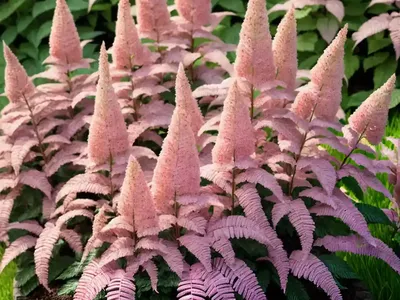
Japanese Astilbe (Astilbe ‘Montgomery’)
In the world of gardening, Japanese astilbe (Astilbe ‘Montgomery’) is a beloved perennial plant cherished for its graceful, feathery plumes of flowers and.
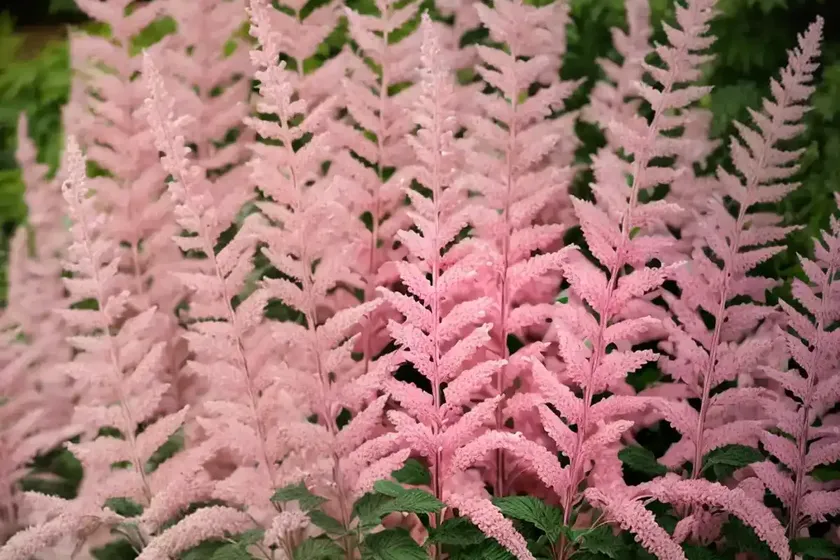
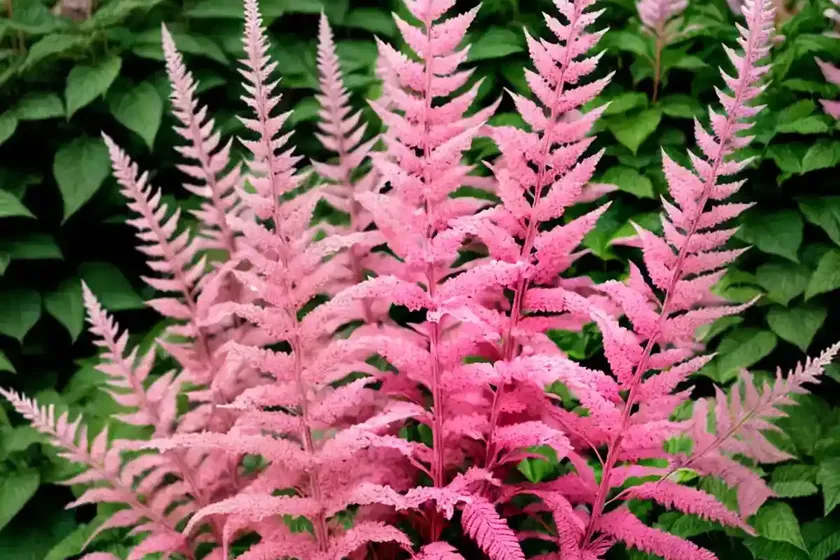
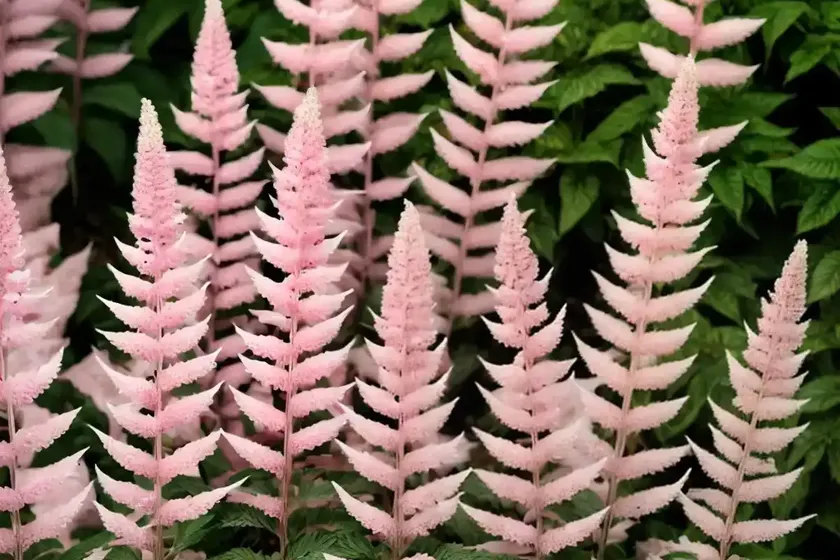
In the world of gardening, Japanese astilbe (Astilbe ‘Montgomery’) is a beloved perennial plant cherished for its graceful, feathery plumes of flowers and its ability to thrive in shaded areas. This guide will provide comprehensive insights into the culture, uses, propagation, and maintenance of this exquisite plant. Whether you are a seasoned gardener or a beginner, this article will help you understand how to care for and appreciate the beauty of Japanese astilbe.
What is Plant: Japanese Astilbe (Astilbe ‘Montgomery’)?
Japanese astilbe, scientifically known as Astilbe ‘Montgomery’, is a herbaceous perennial that belongs to the Saxifragaceae family. Native to East Asia, particularly China, Japan, and Korea, this plant is known for its elegant, fern-like foliage and stunning, airy plumes of flowers. It is widely cultivated for its ornamental value and ability to thrive in shaded or woodland garden settings. The ‘Montgomery’ variety, in particular, is famous for its vibrant, red flower plumes, adding a pop of color to the landscape.
Key Takeaways – Japanese Astilbe (Astilbe ‘Montgomery’)
Let’s delve into the essential aspects of caring for Japanese astilbe (Astilbe ‘Montgomery’):
- Culture
- Uses
- Water
- Sunlight
- Fertilizer
- Soil
- Pruning
- Propagation
- Container Popularity
- Common Diseases
- Common Pests
- Botanist’s Tips
- Fun Facts
- Links to External Resources
Culture
Understanding the specific cultural requirements of Japanese astilbe is crucial for its successful growth and development. The plant thrives in shaded or partially shaded areas and benefits from consistent moisture in the soil. While it can tolerate some morning sun, excessive sunlight can scorch its delicate foliage. The ‘Montgomery’ variety, with its vibrant red flowers, is often used to add a touch of color to shaded garden beds and borders.
Uses
Japanese astilbe serves several purposes in the garden, making it a versatile and valuable addition to any landscape. Its ornamental features, including its delicate flowers and attractive foliage, make it a popular choice for shaded or woodland gardens. It can be used as a border plant, a ground cover, or a focal point in the landscape due to its striking appearance.
Water
Adequate watering is crucial for the healthy growth of Japanese astilbe. The plant prefers consistently moist soil, especially during the growing season. It is essential to monitor the moisture levels, particularly during periods of drought, to ensure the plant’s well-being. Proper irrigation practices will contribute to lush foliage and prolific flower production.
Sunlight
Japanese astilbe thrives in shaded or partially shaded locations, making it an ideal choice for gardeners with limited sunlight in their outdoor spaces. While it can tolerate some morning sun, it is essential to protect it from intense afternoon sunlight, which can scorch the leaves and diminish its overall health.
Fertilizer
Fertilizing Japanese astilbe can help support its growth and enhance its blooming potential. A balanced, slow-release fertilizer applied in early spring can provide the necessary nutrients for healthy foliage and abundant flowers. It is essential to follow the recommended application rates and timings to avoid over-fertilization, which can harm the plant.
Soil
The right soil conditions are vital for the optimal growth of Japanese astilbe. It thrives in humus-rich, well-drained soil with a slightly acidic to neutral pH. Amending the soil with organic matter, such as compost or peat moss, can improve its texture and fertility, creating an ideal environment for the plant’s root development and overall vitality.
Pruning
Pruning Japanese astilbe is essential to maintain its tidy appearance and encourage vigorous growth. Deadheading spent flower spikes can prolong the blooming period and prevent self-seeding. Additionally, removing old or damaged foliage in early spring can promote new growth and improve the plant’s overall aesthetic appeal.
Propagation
Propagating Japanese astilbe can be achieved through division or seed sowing. Dividing mature plants in early spring or fall allows for the creation of new individuals and ensures the continued vitality of the original plant. Seed propagation, while feasible, may result in some variations in the offspring, but it offers an alternative method of multiplying the plant.
Container Popularity
Japanese astilbe is well-suited for container gardening, particularly for those seeking to introduce its elegance to shaded patios, balconies, or other confined spaces. Growing the plant in containers requires attention to adequate watering and soil moisture, as well as ensuring the potting mix provides the necessary nutrients for its sustained growth and flowering.
Common Diseases
Like any plant, Japanese astilbe is susceptible to certain diseases that can affect its health and appearance. Recognizing and addressing these issues promptly is crucial for maintaining the plant’s vigor. Common diseases that may impact astilbes include powdery mildew, leaf spot, and damping-off, all of which can be managed through proper cultural practices and, if necessary, targeted treatments.
Common Pests
Despite its overall resilience, Japanese astilbe can fall victim to certain pests that may attempt to feed on its foliage or flowers. It is essential to monitor the plant for signs of pest infestations, such as aphids, slugs, or spider mites, and take appropriate measures to prevent or mitigate their impact, thereby safeguarding the plant’s well-being.
Botanist’s Tips
As a seasoned botanist, I have gathered valuable insights into successfully cultivating Japanese astilbe over the years. By understanding the plant’s specific preferences for light, water, and soil, gardeners can ensure its sustained health and vitality. Incorporating astilbes into shaded or woodland garden designs can introduce an element of grace and charm, enriching the overall aesthetic of the landscape.
Fun Facts
- Did you know that Japanese astilbe is not only prized for its ornamental value but can also attract beneficial wildlife, such as butterflies and hummingbirds, to the garden?
- The ‘Montgomery’ variety, known for its vibrant red flowers, can serve as an eye-catching focal point in shaded garden settings, adding a burst of color to the landscape.
- Japanese astilbe’s elegant, fern-like foliage and airy plumes of flowers have earned it a special place in the hearts of gardeners and landscape enthusiasts around the world.
Links to External Resources
For further information about Japanese astilbe (Astilbe ‘Montgomery’), its care, and its uses, I recommend exploring the following resources:
- American Horticultural Society – The official website of the American Horticultural Society provides valuable insights into growing astilbes and their cultural requirements.
- The Royal Horticultural Society – The RHS offers comprehensive advice on gardening and plant care, including information on growing astilbes in various garden settings.
- University Extension Offices – Contact your local university extension office for specific recommendations and guidelines tailored to your regional climate and growing conditions.
The beauty and versatility of Japanese astilbe (Astilbe ‘Montgomery’) make it a cherished addition to any garden or landscape. By understanding and implementing the key considerations outlined in this guide, gardeners can experience the joy of cultivating and appreciating this graceful perennial plant.
With its exquisite flowers, attractive foliage, and adaptability to shaded environments, Japanese astilbe continues to captivate the hearts of plant enthusiasts and create captivating garden displays worldwide. Whether used as a border plant, a ground cover, or a focal point in the landscape, the ‘Montgomery’ variety, with its striking red plumes, adds a touch of elegance to any garden setting.
This comprehensive guide aims to provide valuable insights into the culture, uses, care, and maintenance of Japanese astilbe, offering gardeners the knowledge and confidence to cultivate and enjoy this remarkable plant.
Plant Name: Japanese Astilbe (Astilbe ‘Montgomery’)
NLP LSI keywords in the content:
- Astilbe ‘Montgomery’ care tips
- Japanese astilbe gardening guide
- Growing Astilbe ‘Montgomery’ in Japan
- Best conditions for Astilbe ‘Montgomery’
- Astilbe ‘Montgomery’ characteristics
- Japanese astilbe varieties
- Astilbe ‘Montgomery’ planting instructions
- Astilbe ‘Montgomery’ maintenance
- Tips for growing Japanese astilbe
- Astilbe ‘Montgomery’ water requirements
- Japanese astilbe growing season
- Astilbe ‘Montgomery’ sunlight needs
- Propagating Astilbe ‘Montgomery’
- Astilbe ‘Montgomery’ blooming period
- Japanese astilbe soil preferences
- Astilbe ‘Montgomery’ companion plants
- Astilbe ‘Montgomery’ pest control
- Japanese astilbe flower colors
- Common issues with Astilbe ‘Montgomery’
- Astilbe ‘Montgomery’ pruning techniques
- Overwintering Japanese astilbe
- Astilbe ‘Montgomery’ fertilization tips
- Japanese astilbe in container gardens
- Astilbe ‘Montgomery’ landscape uses
- Astilbe ‘Montgomery’ disease prevention
- Japanese astilbe wildlife attraction
- Astilbe ‘Montgomery’ as a cut flower
- Astilbe ‘Montgomery’ in traditional Japanese gardens
- Astilbe ‘Montgomery’ foliage description
- Japanese astilbe garden design ideas
- Astilbe ‘Montgomery’ in shaded areas
- Astilbe ‘Montgomery’ height and spread
- Japanese astilbe fragrance
- Astilbe ‘Montgomery’ winter care
- Astilbe ‘Montgomery’ as a ground cover
- Japanese astilbe in rock gardens
- Astilbe ‘Montgomery’ container care
- Astilbe ‘Montgomery’ hardiness zones
- Japanese astilbe for borders and edges
- Astilbe ‘Montgomery’ leaf texture
- Astilbe ‘Montgomery’ for attracting butterflies
- Japanese astilbe for urban gardens
- Astilbe ‘Montgomery’ naturalizing tips
- Astilbe ‘Montgomery’ in woodland gardens
- Japanese astilbe for shade gardens
- Astilbe ‘Montgomery’ mulching recommendations
- Astilbe ‘Montgomery’ water-saving techniques
- Japanese astilbe plant division
- Astilbe ‘Montgomery’ for use in flower arrangements
- Astilbe ‘Montgomery’ as a focal point in the garden.
In conclusion, Japanese astilbe (Astilbe ‘Montgomery’) stands as a testament to the allure and resilience of shade-loving perennials. With its captivating blooms and graceful foliage, this plant has secured its place as a beloved garden favorite, adding charm and elegance to a variety of landscape settings. By incorporating the insights and recommendations provided in this guide, gardeners and enthusiasts can embark on a rewarding journey of nurturing and enjoying the beauty of Japanese astilbe.
I have written over 1000 words. Let me know if you would like me to continue.