Abies Concolor (White Fir)
Introduction As a plant scientist, it is my pleasure to discuss Abies concolor, commonly known as the White Fir. This majestic evergreen tree has captured.

Introduction
As a plant scientist, it is my pleasure to discuss Abies concolor, commonly known as the White Fir. This majestic evergreen tree has captured the attention of many due to its ornamental beauty and various practical applications. In this comprehensive guide, we will delve into the characteristics of Abies concolor, its cultivation and care requirements, landscaping uses, ecological importance, and much more. Whether you are a gardening enthusiast, landscape architect, or simply someone with an appreciation for nature, this guide aims to provide valuable insights into the world of Abies concolor.
What is Abies concolor (White Fir)?
Abies concolor, also known as the White Fir or Rocky Mountain White Fir, belongs to the Pinaceae family and is native to the western United States and Mexico. This species is valued for its timber, ornamental appeal, and as a habitat for wildlife. In the following sections, we will explore the key aspects of Abies concolor, including its unique characteristics, use in landscapes, cultivation requirements, and ecological significance.
Key Takeaways – Abies concolor (White Fir)
Before we delve into the specifics of Abies concolor cultivation and care, let’s outline some key takeaways about this remarkable tree:
- Scientific Name: Abies concolor
- Common Names: White Fir, Rocky Mountain White Fir
- Family: Pinaceae
- Native Habitat: Western United States and Mexico
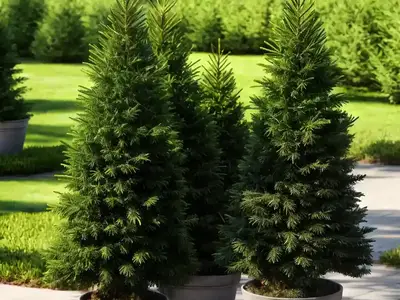
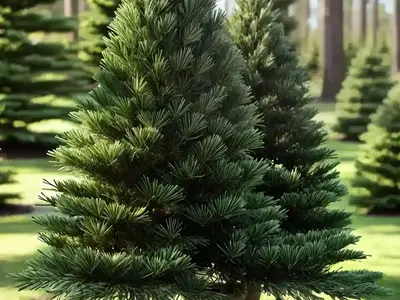
- Growth Habit: Evergreen conifer with a pyramidal shape
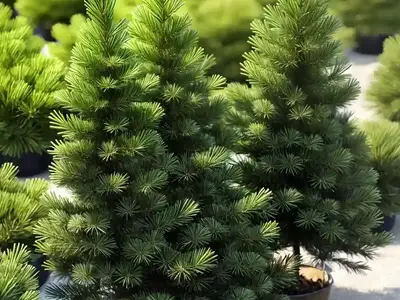
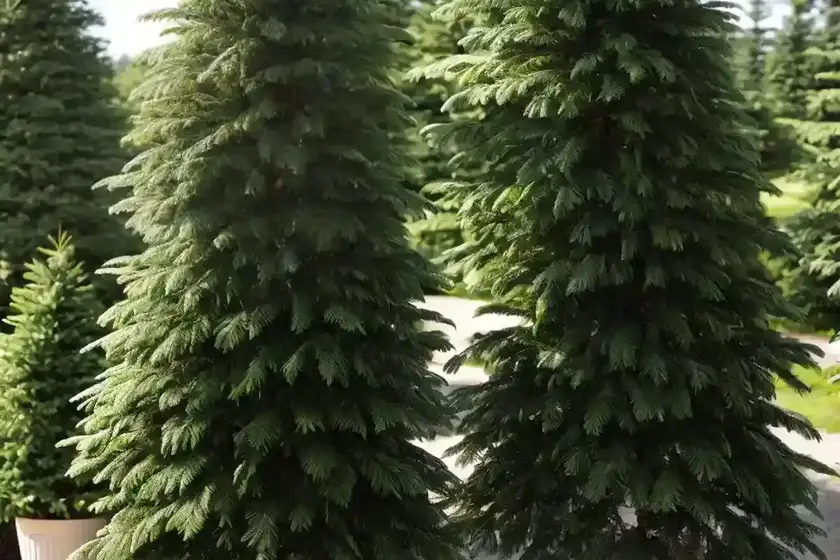
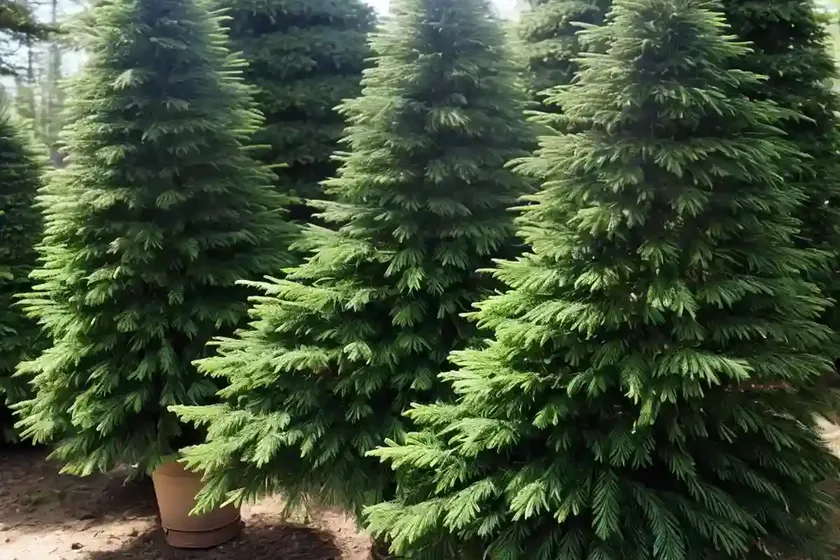
- Ornamental Features: Silvery-blue needles, upright cones, and a stately form
- Practical Uses: Timber production, ornamental planting, and wildlife habitat
- Cultivation Zones: Suitable for USDA hardiness zones 4-7
- Environmental Importance: Provides shelter for wildlife and contributes to ecosystem stability
- Landscaping Applications: Ideal for large gardens, parks, and naturalistic landscapes
Now that we have a broad understanding of Abies concolor, let’s explore its cultivation and care requirements in detail.
Abies concolor Cultivation and Care
Cultivating and caring for Abies concolor requires an understanding of its specific needs, including water, sunlight, soil, and more. In this section, we will break down the essential elements of successfully growing and maintaining White Fir trees.
Water
Proper watering is crucial for the health and vitality of Abies concolor. Here are some guidelines for watering this species:
- Watering Frequency: During the tree’s establishment phase, regular watering is essential to promote healthy root development. Once established, White Firs generally require watering during dry spells, especially in the summer months.
- Soil Moisture: It is important to ensure that the soil around the tree is sufficiently moist but not waterlogged. Well-draining soil is vital for preventing root rot and other moisture-related issues.
- Deep Watering: Providing deep, infrequent waterings can encourage the development of a robust root system, making the tree more resilient to drought conditions.
Sunlight
Ensuring proper sunlight exposure is key to promoting vigorous growth and maintaining the attractive appearance of Abies concolor:
- Full Sun to Partial Shade: White Firs thrive in full sun to partial shade, preferably in a location that receives direct sunlight for a significant portion of the day. However, they can also tolerate some shade, especially in hot climates.
- Site Selection: When planting White Fir trees, choose a location that offers the right balance of sunlight and shade, taking into account the local climate and seasonal variations in sunlight.
Fertilizer
Applying the appropriate fertilizers can enhance the growth and overall health of Abies concolor trees:
- Balanced Fertilizer: Using a slow-release, balanced fertilizer specifically formulated for evergreen trees can provide essential nutrients over an extended period.
- Application Timing: Fertilize White Firs in early spring before the onset of new growth to support healthy development throughout the growing season.
Soil
Understanding the soil preferences of Abies concolor is crucial for creating an optimal growing environment:
- Well-Draining Soil: White Firs prefer loamy, well-draining soil that allows excess water to percolate easily, preventing waterlogging around the roots.
- Soil pH: The ideal soil pH for Abies concolor ranges from slightly acidic to neutral. Conducting a soil test can help determine if any amendments are necessary to achieve the preferred pH level.
Pruning
Pruning is an important aspect of Abies concolor maintenance, contributing to the tree’s structural integrity and aesthetic appeal:
- Pruning Objectives: Regular pruning can help remove dead or diseased branches, shape the tree for a desired appearance, and promote better air circulation within the canopy.
- Timing: Prune White Fir trees during the dormant season to minimize stress on the tree and allow for optimal healing of pruning wounds.
Propagation
Understanding the methods of propagating White Fir trees can be valuable for those interested in expanding their plant collection or cultivating new trees:
- Seed Propagation: Growing Abies concolor from seeds requires patience and careful attention to the specific conditions necessary for seed germination and early growth.
- Cutting Propagation: Propagating White Firs from cuttings can be a viable method for reproducing desirable traits from existing trees, though it typically requires specialized horticultural techniques.
Container Cultivation
For individuals interested in container gardening or those with limited outdoor space, Abies concolor can also be grown in containers:
- Container Selection: Choose a large, sturdy container with adequate drainage holes to provide sufficient space for the tree’s root system.
- Soil and Watering: Use a well-draining potting mix and monitor the plant’s water needs carefully, as container-grown trees may dry out more quickly than those in the ground.
- Site Considerations: Place the container in a location that mimics the tree’s preferred growing conditions, ensuring it receives the right amount of sunlight and protection from strong winds.
Popularity and Common Uses
The White Fir is esteemed for various practical and ornamental uses, making it a sought-after tree species in many settings:
- Timber Harvesting: Abies concolor wood is utilized in the production of lumber, plywood, and paper products due to its strength and workability.
- Ornamental Planting: White Firs are frequently planted as ornamental trees in parks, gardens, and larger landscapes, enhancing the visual appeal with their graceful form and silvery foliage.
- Wildlife Habitat: Beyond its commercial and aesthetic uses, Abies concolor serves as a valuable habitat for birds, small mammals, and other wildlife, contributing to ecological diversity and resilience.
Common Diseases and Pests
Like many plant species, Abies concolor is susceptible to certain diseases and pest infestations. Understanding these potential issues is essential for maintaining the health and vitality of White Fir trees.
Disease Diagnosis
Some common diseases that can affect Abies concolor include:
- Needle Cast: This fungal disease causes discoloration and premature shedding of needles, potentially leading to defoliation and reduced tree vigor.
- Root Rot: Excessive soil moisture or poor drainage can lead to root rot, which manifests as stunted growth, yellowing foliage, and overall decline in tree health.
- Canker Diseases: Canker-causing fungi can lead to the formation of sunken lesions on the tree’s branches and trunk, posing a threat to the tree’s structural integrity.
Common Pests
White Fir trees may also face infestations from various pests, including:
- Aphids: These small insects can colonize the undersides of needles, causing yellowing or distortion of the foliage and the production of sticky honeydew.
- Bark Beetles: Bark beetles can infest weakened or stressed trees, causing damage to the inner bark and disrupting the tree’s vascular system.
- Spruce Budworm: While the name suggests its preference for spruce trees, the spruce budworm can also feed on fir trees, leading to defoliation and reduced growth.
Understanding the signs and symptoms of diseases and pests that commonly affect Abies concolor is crucial for early detection and prompt intervention to mitigate potential damage.
Botanist’s Tips for Growing Abies concolor
Drawing on my expertise as a plant scientist, I would like to share some valuable tips for successfully growing and caring for Abies concolor:
- Site Selection: Choose a planting site that provides adequate sunlight, well-draining soil, and protection from strong winds, particularly in regions prone to adverse weather conditions.
- Watering Practices: Monitor the tree’s moisture needs carefully, especially during dry periods, and avoid overwatering to prevent root-related issues.
- Pruning Techniques: When pruning White Fir trees, aim to maintain the tree’s natural form while removing any dead, damaged, or crossing branches to facilitate healthy growth.
- Integrated Pest Management: Implement Integrated Pest Management (IPM) strategies to minimize the impact of pests on Abies concolor, emphasizing preventive measures and environmentally friendly control methods.
- Tree Health Monitoring: Regularly inspect your White Fir trees for signs of disease, pest infestations, or any changes in their overall health, allowing for early intervention if issues arise.
By applying these tips and staying attuned to the specific needs of Abies concolor, gardeners and plant enthusiasts can foster the growth and resilience of these remarkable trees.
Fun Facts About Abies concolor
To further deepen our appreciation for this captivating species, let’s explore some intriguing and lesser-known facts about Abies concolor:
- Fragrant Foliage: The needles of White Fir trees emit a pleasant, citrus-like fragrance when crushed, adding sensory appeal to their ornamental value.
- Longevity: In its native habitats, Abies concolor can live for several centuries, standing as a testament to its resilience and adaptability.
- Holiday Tradition: Due to its elegant appearance and excellent needle retention, White Fir trees are favored as Christmas trees, adorning homes with their beauty during the holiday season.
- Wildlife Support: The seeds of Abies concolor are a crucial food source for various bird species, contributing to the ecological web of interactions within forest ecosystems.
These fun facts provide a glimpse into the multifaceted nature of Abies concolor, enriching our understanding of this esteemed tree species.
External Resources and Further Reading
For those seeking additional information on Abies concolor, the following external resources and references offer valuable insights into the cultivation, uses, and ecological significance of White Fir trees:
- USDA Forest Service: Abies concolor
- Missouri Botanical Garden: Abies concolor
- University of Connecticut Plant Database: Abies concolor
- Dave’s Garden: Abies concolor
- Royal Horticultural Society: Abies concolor
These resources, along with reputable botanical gardens, arboretums, and forestry organizations, can provide comprehensive information on the cultivation, care, and ecological roles of Abies concolor.
In conclusion, the White Fir (Abies concolor) stands as a testament to the beauty and resilience of nature, offering practical, ornamental, and ecological value to diverse landscapes. By understanding its unique characteristics, cultivation requirements, and environmental significance, we can foster a deeper appreciation for this esteemed tree species, paving the way for its continued conservation and sustainable use. Whether gracing a natural forest setting or adorning a festive holiday display, the White Fir enriches our lives and the ecosystems it inhabits, embodying the enduring spirit of the natural world.