False Goat’s Beard (Astilbe)
As a passionate plant scientist, I am thrilled to delve into the fascinating world of False Goat’s Beard, scientifically known as Astilbe. These elegant.
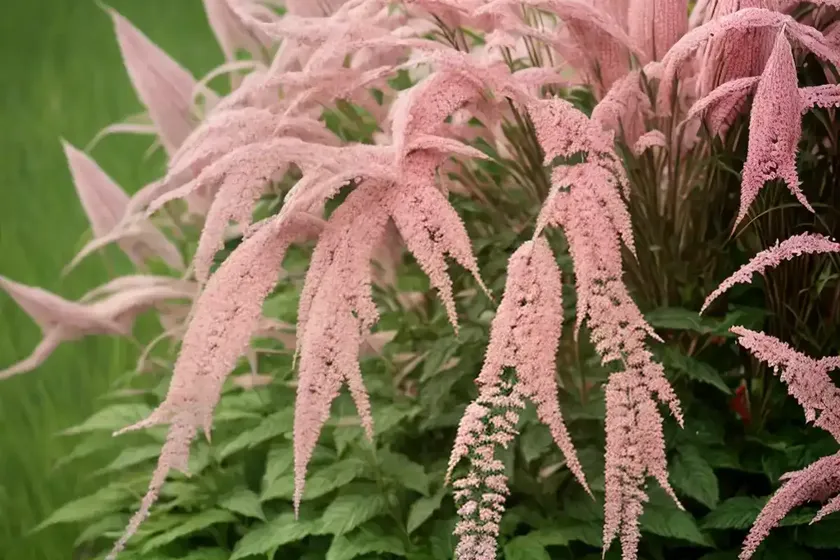
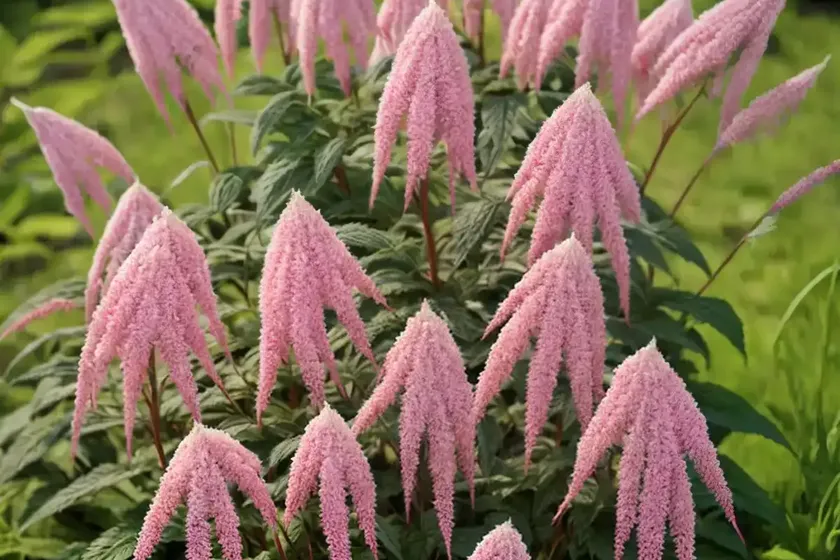
As a passionate plant scientist, I am thrilled to delve into the fascinating world of False Goat’s Beard, scientifically known as Astilbe. These elegant and versatile plants have captured the attention of gardeners, landscapers, and flower enthusiasts around the world. In this comprehensive guide, we will explore the various aspects of cultivating and caring for Astilbe, including its cultural preferences, uses, water and sunlight requirements, soil and fertilizer needs, pruning techniques, propagation methods, common diseases, pests, and much more.
What is False Goat’s Beard (Astilbe)?
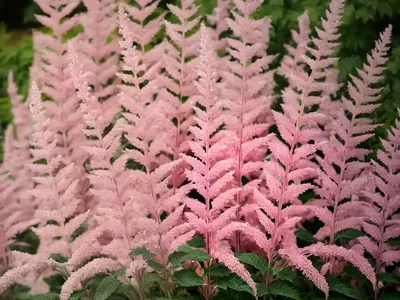
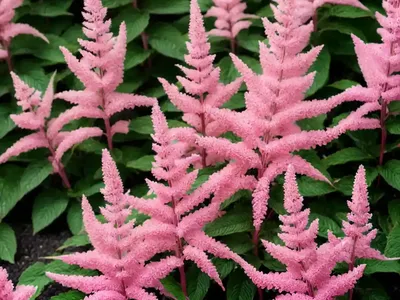
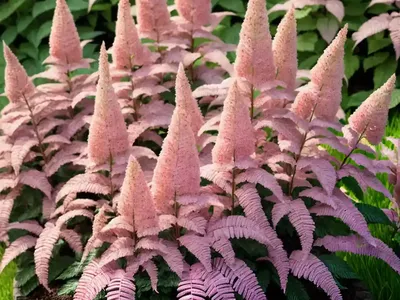
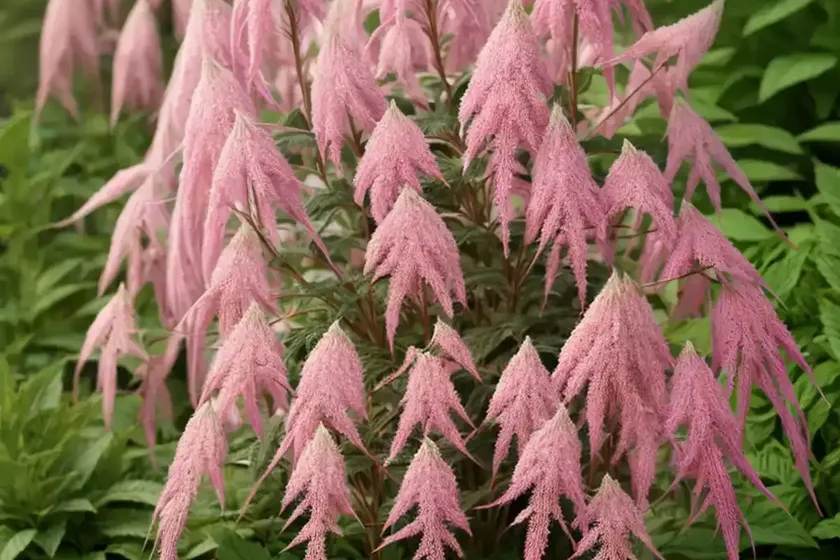
False Goat’s Beard, or Astilbe, belongs to the Saxifragaceae family and encompasses around 18 species, primarily native to Asia and North America. These herbaceous perennial plants are admired for their feathery, plume-like flowers that add a touch of elegance and charm to gardens, borders, and shady landscapes. Astilbe’s lush, fern-like foliage and vibrant blooms have made it a beloved choice for both novice and seasoned gardeners.
Key Takeaways – False Goat’s Beard (Astilbe)
Before we journey through the detailed guide to growing and caring for Astilbe, let’s set the stage with some key takeaways that will guide our exploration. Understanding these essential points will provide the foundational knowledge needed to cultivate these exquisite plants successfully.
Culture
- Astilbe thrives in partial to full shade, making it an excellent choice for shady gardens and landscapes.
- These plants require moist, well-drained soil to support their growth and development.
- While they are tolerant of cooler climates, providing adequate moisture is crucial, especially during the dry summer months.
Uses
- Astilbe is commonly utilized as a border plant, ground cover, or for creating stunning floral arrangements.
- Their remarkable ability to thrive in shady areas makes them an essential component of shade gardens and woodland landscapes.
Water
- Consistent and adequate moisture is essential for the optimal growth of Astilbe plants.
- Regular watering, especially during periods of drought, will ensure the health and vitality of these elegant perennials.
Sunlight
- While Astilbe prefers shaded environments, a few varieties can tolerate partial sunlight. Understanding your specific species’ sunlight tolerance is crucial for successful cultivation.
Fertilizer
- The application of slow-release fertilizers in early spring can provide the necessary nutrients for Astilbes to thrive.
- Using organic mulch can enhance the soil quality while also serving as a natural source of nutrients for the plants.
Soil
- Astilbes require well-drained, moist, and rich soil with a slightly acidic to neutral pH.
- Incorporating organic matter, such as compost, into the soil can enhance its structure and fertility.
Pruning
- Regular deadheading of spent blooms and removing damaged or withered foliage can maintain the plant’s aesthetic appeal and encourage continuous blooming.
Propagation
- Astilbes can be propagated through division, ensuring the preservation and expansion of these stunning plants.
Container Popularity
- Due to their compact size and striking ornamental value, Astilbes are increasingly popular choices for container gardening.
Container Common Diseases
- Astilbes are susceptible to certain diseases, including powdery mildew and leaf spot, which can impact their vigor and visual appeal. Proper care and maintenance are vital for disease prevention.
Disease Diagnosis
- Stay vigilant for signs of common diseases such as powdery mildew and promptly address any symptoms to prevent their spread.
Common Pests
- Astilbes are relatively resistant to pests, but occasional infestations of mites, aphids, and snails may occur and should be managed promptly.
Botanist’s Tips
- Understanding the specific cultural and environmental preferences of your Astilbe species is crucial for maximizing its growth and blooming potential.
- Regular monitoring and proactive care are essential for ensuring the long-term health and vitality of these elegant perennials.
Fun Facts
- Astilbes are commonly referred to as “false goat’s beard” due to their feathery plumes resembling the appearance of the true goat’s beard plant (Aruncus dioicus).
- The name “Astilbe” is derived from the Greek words “a” and “stilbe,” signifying “without” and “brightness,” alluding to the low light conditions in which these plants thrive.
Astilbe Plant Care
Successfully cultivating Astilbe and nurturing its graceful beauty involves understanding its specific care requirements. From planting to ongoing maintenance, each aspect of Astilbe care is vital for the plant’s long-term health and vigor.
Growing Astilbe Flowers
Astilbes are best planted in early spring or fall, providing them with ample time to establish their root systems before the onset of harsh weather conditions. Understanding the particular species’ height, spread, and blooming period is crucial for proper placement and arrangement within the garden or landscape.
False Goat’s Beard Varieties
With a diverse array of Astilbe varieties available, each boasting unique colors, sizes, and growth habits, plant enthusiasts can select the perfect cultivars to complement their garden’s aesthetic and meet their specific cultivation requirements.
Astilbe Cultivation Tips
Properly cultivating Astilbe involves meticulous attention to its soil, moisture, and environmental preferences. Moreover, selecting suitable companion plants can enhance its ornamental value and overall appeal within the landscape.
Astilbe Flower Gardening
Incorporating Astilbe into flower garden designs can introduce an element of elegance and grace, especially within shaded or woodland settings. Skillfully integrating these captivating perennials into garden layouts can elevate their visual splendor.
Astilbe Plant Characteristics
Understanding the distinct characteristics of the selected Astilbe varieties, including their foliage texture, flower color, and bloom time, is fundamental for creating visually stunning and cohesive garden designs.
False Goat’s Beard Perennial
As perennial plants, Astilbes offer the allure of returning year after year, gracing the landscape with their striking blooms and luxurious foliage. With proper care, these plants can become enduring fixtures within gardens and landscapes.
Astilbe Plant Species
The expansive range of Astilbe species affords plant enthusiasts the opportunity to select plants with varied growth habits, sizes, and visual attributes, catering to a diverse array of gardening and landscaping preferences.
Astilbe Plant Propagation
Propagating Astilbe allows plant enthusiasts to multiply their cherished specimens and expand the presence of these captivating perennials within their gardens and landscapes. Understanding the various propagation methods is key to successful reproduction.
False Goat’s Beard Maintenance
Regular maintenance practices, such as deadheading spent blooms, removing damaged foliage, and dividing overcrowded clumps, are essential for preserving the health and aesthetic appeal of Astilbes.
Astilbe Flower Garden Design
Utilizing Astilbes as key components within garden designs can yield captivating and visually dynamic landscapes. Thoughtful incorporation of these perennials can introduce stunning focal points and cohesive aesthetic appeal.
Astilbe Plant Diseases
Astilbes are susceptible to certain diseases, including powdery mildew and leaf spot, which can compromise their health and visual charm. Implementing preventive measures and early detection are crucial for disease management.
False Goat’s Beard Soil Requirements
Understanding the specific soil preferences of Astilbes, including soil structure, pH, and fertility, is vital for creating an optimal growing environment that promotes their vigorous growth and blooming.
Astilbe Flower Arrangements
Harnessing the beauty of Astilbe blooms in floral arrangements allows plant enthusiasts to enjoy their elegance both within and outside the garden. Their delicate plumes lend an enchanting touch to floral compositions.
Astilbe Plant Watering
Maintaining adequate soil moisture is critical for Astilbe health and vigor. Regular and consistent watering, particularly during dry periods, can sustain the plant’s growth and blooming potential.
False Goat’s Beard Landscape Design
Incorporating Astilbes into landscape designs can introduce an element of refinement and charm, particularly within shady or woodland settings. Thoughtful placement and arrangement can yield visually captivating results.
Astilbe Plant Pruning
Regular pruning practices, including deadheading spent blooms and removing damaged or withered foliage, are vital for maintaining the plant’s aesthetic appeal and promoting continuous blooming.
Astilbe Flower Colors
Embracing the diverse array of colors showcased by Astilbe blooms enables plant enthusiasts to create striking and visually dynamic garden compositions. Understanding the palette of available colors enhances the potential for captivating designs.
False Goat’s Beard Shade Tolerance
Astilbe’s remarkable tolerance for shade makes it an excellent choice for gardens and landscapes with limited sunlight. Leveraging its shaded environment preferences can yield visually appealing and thriving plant displays.
Astilbe Plant Companions
Selecting suitable companion plants that complement Astilbes’ ornamental value and environmental preferences is crucial for achieving visually cohesive and aesthetically pleasing garden and landscape designs.
Astilbe Flowerbed Ideas
Incorporating Astilbes into flowerbed designs enables plant enthusiasts to introduce a touch of elegance and color, particularly in shaded or semi-shaded settings. Thoughtful arrangement and placement heighten the visual impact of the garden layout.
False Goat’s Beard Sun Exposure
While Astilbes prefer shaded environments, certain varieties can tolerate partial sunlight. Understanding their specific sunlight tolerance is crucial for successful cultivation and ensuring optimal growth and blooming potential.
Astilbe Plant Pests
While relatively resistant to pests, occasional infestations of mites, aphids, and snails may occur. Prompt intervention and effective pest management practices are vital for preserving the plant’s health and aesthetic appeal.
Astilbe Flower Borders
Utilizing Astilbes to create stunning flower borders introduces an element of elegance and refinement to garden designs. Their vibrant blooms and lush foliage can elevate the visual allure of the garden landscape.
False Goat’s Beard Mulching
Applying organic mulch around Astilbes not only enhances soil moisture retention and suppresses weed growth but also provides a natural source of nutrients for the plants, supporting their growth and overall health.
Astilbe Plant Fertilization
The application of slow-release fertilizers in early spring can provide the necessary nutrients to support the robust growth and blooming of Astilbes. Understanding appropriate fertilization practices is essential for promoting their health and vitality.
Astilbe Flower Season
Embracing the bloom season of Astilbes allows plant enthusiasts to anticipate and enjoy their exquisite displays of color and texture. Understanding the bloom period of specific varieties is essential for planning and arranging garden compositions.
False Goat’s Beard Plant Height
The varying heights exhibited by different Astilbe varieties enable plant enthusiasts to create visually dynamic and engaging garden designs. Embracing the plant’s height diversities enhances the potential for captivating and cohesive landscapes.
Astilbe Plant Division
Regular division of overcrowded clumps is vital for maintaining the health, vigor, and aesthetic appeal of Astilbes. Understanding the appropriate timing and techniques for division practices is essential for successful reproduction.
Astilbe Flower Growth Rate
Appreciating the growth rate of Astilbes enables plant enthusiasts to anticipate and plan for their development within garden and landscape designs. Understanding their growth habits facilitates the creation of visually harmonious and balanced compositions.
False Goat’s Beard Water Requirements
Astilbes’ affinity for consistent and adequate moisture necessitates regular and thorough watering, particularly during dry periods. Upholding appropriate watering practices is essential for fostering their vigorous growth and blooming.
Astilbe Plant Landscaping
Utilizing Astilbes within landscaping designs introduces an element of charm and refinement to outdoor environments. Thoughtful placement and arrangement within the landscape can yield captivating and visually dynamic results.
Astilbe Flower Containers
With their compact size and striking ornamental value, Astilbes are increasingly popular choices for container gardening. Harnessing their elegance in container displays accentuates the beauty of outdoor living spaces.
False Goat’s Beard Winter Care
Implementing appropriate winter care practices, including adequate mulching and protection from harsh weather, is vital for ensuring the survival and health of Astilbes during the colder months.
Astilbe Plant Companion Plants
Selecting suitable companion plants that complement Astilbes’ ornamental value and environmental preferences is crucial for creating visually cohesive and aesthetically pleasing garden and landscape designs.
Astilbe Flower Planting Tips
Enrich your gardening experience by leveraging planting tips that optimize the growth and blooming potential of Astilbes. Understanding the intricacies of the planting process enhances the vibrancy and longevity of these captivating perennials.
False Goat’s Beard Flower Spikes
The distinctive flower spikes of Astilbes contribute to their visual allure and overall ornamental value. Embracing the variation in flower spike forms and colors elevates the potential for captivating garden compositions.
Astilbe Plant Shade Gardens
Astilbes’ affinity for shaded environments renders them invaluable components of shade gardens, adding elegance and vibrant color to these naturally subdued settings. Thoughtful placement within shade gardens can heighten their visual appeal.
Astilbe Flower Scent
While their primary allure lies in their visual splendor, certain Astilbe varieties also exhibit delightful scents, enriching outdoor environments with an additional sensory dimension.
False Goat’s Beard Deer Resistance
The deer-resistant nature of certain Astilbe varieties can be advantageous for gardeners seeking to protect their plants from browsing wildlife and preserve their health and ornamental value.
Astilbe Plant Bordering
Utilizing Astilbes for bordering applications introduces an element of refinement and charm to garden designs. Their vibrant blooms and lush foliage can elevate the visual allure of the garden landscape.
Astilbe Flower Bed Maintenance
Regular maintenance practices, including deadheading spent blooms and removing damaged or withered foliage, are essential for preserving the health and visual appeal of Astilbes within flower beds.
False Goat’s Beard Container Gardening
Embracing the ornamental value and compact size of Astilbes enables plant enthusiasts to elevate the beauty of outdoor living spaces through stunning container displays. Leveraging these captivating perennials in containers extends their visual impact beyond traditional garden settings.
Astilbe Plant Soil pH
Understanding the suitable soil pH range for Astilbes is crucial for creating an optimal growing environment that promotes their health, vigor, and blooming potential. Accommodating their soil preferences is essential for successful cultivation.
Astilbe Flower Cuttings
Propagating Astilbes through cuttings grants plant enthusiasts the ability to multiply their cherished specimens and introduce these captivating perennials into new areas of their gardens and landscapes.
False Goat’s Beard Ground Cover
Certain low-growing Astilbe varieties can serve as enchanting ground covers, introducing elegant beauty and vibrant color to garden and landscape settings. Understanding their unique growth habits is crucial for successful ground cover applications.
Astilbe Plant Ornamental Value
Harnessing the ornamental value of Astilbes enables plant enthusiasts to create visually compelling and aesthetically captivating garden compositions. Thoughtful incorporation of these captivating perennials elevates the overall allure of the garden landscape.
Astilbe Flower Shade Gardens
Astilbes’ preference for shade renders them essential components of shade gardens, enriching these subdued settings with their vibrant blooms and distinctive foliage. Skillful placement within shade gardens heightens their visual appeal.
False Goat’s Beard Blooming Time
Anticipating and appreciating the blooming time of Astilbes allows plant enthusiasts to plan and arrange garden compositions that showcase their vibrant and captivating displays of color and texture.
Astilbe Plant Landscaping Ideas
Embracing creative landscaping ideas that feature Astilbes enables plant enthusiasts to elevate their outdoor environments with visuals of charm, elegance, and refinement. Engaging in imaginative landscaping concepts enhances the overall appeal of garden and landscape designs.
Conclusion
In conclusion, False Goat’s Beard, or Astilbe, stands as a staple within gardens, landscapes, and floral compositions, captivating plant enthusiasts with its elegant blooms, lush foliage, and exceptional adaptability to shaded environments. By expounding upon various aspects of Astilbe cultivation, including its cultural preferences, uses, water and sunlight requirements, soil and fertilizer needs, pruning techniques, propagation methods, common diseases, pests, and more, we have embarked on a captivating journey through the world of Astilbes.
As we bring this comprehensive guide to a close, I encourage fellow plant enthusiasts to embark on their own Astilbe cultivation journeys, savoring the beauty and versatility of these remarkable plants. May this knowledge inspire and empower your endeavors to cultivate and nurture Astilbes, imparting charm and elegance to your gardens and landscapes.
Thank you for joining me on this enriching exploration of False Goat’s Beard (Astilbe). Here’s to the enduring allure of these captivating perennials!
Disclaimer: This article serves as a comprehensive guide for informational purposes only. Specific care and cultivation practices may vary based on regional climatic conditions, soil types, and Astilbe varieties. Understanding and accommodating the individual needs of your specific plants are essential for their optimal growth and well-being.
References
- Missouri Botanical Garden. “Astilbe.” Missouri Botanical Garden – Plant Finder. https://www.missouribotanicalgarden.org/PlantFinder/PlantFinderDetails.aspx?taxonid=282498&isprofile=0&
- The American Phytopathological Society. “Powdery Mildew.” The Plant Health Instructor, APS. https://www.apsnet.org/edcenter/disandpath/fungalasco/powdery/Pages/default.aspx
- University of California Statewide Integrated Pest Management Program. “Snails and Slugs.” UC IPM. http://ipm.ucanr.edu/PMG/PESTNOTES/pn7427.html
- Runkle, Emily Sue. “Growing Perennials in Containers.” Michigan State University Extension. https://www.canr.msu.edu/news/growing_perennials_in_containers
- Ohio State University Extension. “Growing Perennials.” Ohio State University Extension. https://bygl.osu.edu/node/1067