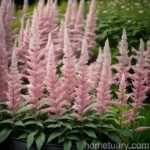
Astilbe ‘Fanal’ (Arendsii Hybrid): A Comprehensive Guide for Plant Enthusiasts
Plants have an undeniable allure, adding vibrancy, beauty, and life to any indoor or outdoor space. Among the diverse array of plant species, Astilbe ‘Fanal’ (Arendsii Hybrid) stands out for its stunning foliage and vibrant blooms. In this comprehensive guide, we will delve deep into the characteristics, care requirements, uses, and cultivation tips for this remarkable plant.
What is Astilbe ‘Fanal’ (Arendsii Hybrid)?
Astilbe, commonly known as false spirea, is a genus of perennial flowering plants native to East Asia and North America. The ‘Fanal’ variety is a hybrid of the Astilbe arendsii species, renowned for its striking red flowers and finely-cut, bronze-tinged foliage. This elegant plant is a favorite among gardeners and landscapers for its graceful appearance and adaptability to various growing conditions.
Key Takeaways – Astilbe ‘Fanal’ (Arendsii Hybrid)
Before we dive into the intricate details of the Astilbe ‘Fanal’ (Arendsii Hybrid), let’s take a moment to capture the key takeaways that will guide us through the fascinating world of this captivating plant.
- Characteristics: Astilbe ‘Fanal’ is characterized by its vibrant red flowers, ornamental foliage, and graceful flower spikes.
- Growing Tips: It thrives in partial to full shade and moist, well-draining soil.
- Cultural Uses: It is commonly used in shade gardens, woodland landscapes, and mixed borders.
- Maintenance: Astilbe ‘Fanal’ requires minimal maintenance and is a reliable perennial plant.
Now, let’s explore each of these aspects in greater detail to gain a comprehensive understanding of the Astilbe ‘Fanal’ (Arendsii Hybrid) and how to care for it.
Culture
Cultivating Astilbe ‘Fanal’ is a rewarding experience, as it offers not only visual appeal but also ease of maintenance. Understanding its cultural requirements is essential for ensuring its optimal growth and development.
Water
Proper watering is crucial for the health and vigor of Astilbe ‘Fanal’. This plant thrives in consistently moist soil, especially during the active growing season. It is important to avoid waterlogged conditions while ensuring that the soil does not dry out completely. Providing a regular, deep watering schedule, particularly during hot and dry periods, will contribute to the plant’s overall well-being.
Sunlight
Astilbe ‘Fanal’ is well-suited to shade or partial shade conditions, making it an excellent choice for gardens or landscapes with limited direct sunlight. When grown in full sun, especially in warmer climates, it is essential to ensure that the soil remains consistently moist to prevent stress on the plant. In regions with intense heat, providing filtered sunlight or afternoon shade can help protect the plant from excessive sun exposure.
Fertilizer
Applying a balanced, slow-release fertilizer in early spring can enhance the growth and blooming of Astilbe ‘Fanal’. Look for a fertilizer with a formulation such as 10-10-10 or 12-12-12, which provides a balanced ratio of essential nutrients. Avoid over-fertilization, as excessive nutrients can lead to lush foliage at the expense of abundant flowering.
Soil
Well-draining, humus-rich soil is ideal for Astilbe ‘Fanal’. It thrives in slightly acidic to neutral soil with a pH range of 5.5 to 7.5. Amending the soil with organic matter, such as compost or peat moss, can improve its texture and fertility, creating an optimal growing environment for the plant. Periodically replenishing the organic content of the soil will support the long-term health of Astilbe ‘Fanal’.
Pruning
Pruning plays a key role in maintaining the vitality and aesthetic appeal of Astilbe ‘Fanal’. Proper pruning practices can help promote vigorous growth, prevent overcrowding, and rejuvenate the plant over time. Here are some essential guidelines for pruning:
- Deadheading: Removing spent flower spikes after the blooming period can encourage additional flowering and prevent the plant from expending energy on seed production.
- Trimming: Trimming back any damaged, discolored, or excessively overgrown foliage can enhance the overall appearance of the plant and promote new growth.
- Division: Periodically dividing mature clumps of Astilbe ‘Fanal’ can rejuvenate the plant, prevent overcrowding, and enhance its overall vigor.
Propagation
Astilbe ‘Fanal’ can be propagated through division, seed sowing, or root cuttings. Division is the most common and reliable method, typically performed in early spring as new growth emerges. Here are the basic steps involved in propagating Astilbe ‘Fanal’ through division:
- Prepare the Plant: Water the plant thoroughly a day or two before dividing it to ensure that the soil is adequately moist.
- Digging: Carefully dig around the outer perimeter of the plant, creating a circle to define the area for division.
- Division: Use a sharp, clean garden spade to divide the clump into separate sections, ensuring that each division has healthy roots and sufficient foliage.
- Replanting: Plant the divisions in prepared soil at the same depth as the parent plant, ensuring that they are adequately watered and provided with appropriate care.
Container Popularity
Astilbe ‘Fanal’ is well-suited for container cultivation, adding an elegant touch to porches, patios, and shaded outdoor areas. The compact nature of this plant makes it an excellent choice for container gardening, allowing individuals with limited garden space to enjoy its beauty. When growing Astilbe ‘Fanal’ in containers, ensure that the pots have adequate drainage and use a high-quality, well-draining potting mix to support its growth.
Common Diseases
While generally resilient, Astilbe ‘Fanal’ can be susceptible to certain diseases, particularly if its growing conditions are not optimal. Being aware of common diseases and their preventive measures is essential for maintaining the health and vigor of this beautiful plant.
Disease Diagnosis
Some common diseases that may affect Astilbe ‘Fanal’ include:
- Powdery Mildew: Characterized by a white, powdery growth on the foliage, powdery mildew can weaken the plant and affect its overall appearance.
- Leaf Spot: Circular, dark lesions on the foliage can indicate leaf spot, which is often caused by fungal pathogens.
- Crown Rot: Excessive moisture and poor drainage can lead to crown rot, resulting in the decay of the plant’s crown and potentially causing wilting and decline.
Disease Management
To mitigate the risk of diseases, follow these preventive measures:
- Cultural Practices: Ensure proper spacing between plants to promote air circulation and reduce humidity, which can help prevent fungal diseases.
- Watering: Water the plant at the base to prevent excess moisture on the foliage, which can contribute to the development of diseases.
- Sanitation: Remove and dispose of any diseased or damaged plant material to prevent the spread of pathogens.
Common Pests
Few pests are known to cause significant issues for Astilbe ‘Fanal’. However, occasional infestations of pests such as aphids, mites, and slugs may occur. Vigilance is key to detecting and addressing pest issues promptly, minimizing any potential impact on the plant’s health.
Botanist’s Tips
To ensure the successful cultivation of Astilbe ‘Fanal’ and maximize its ornamental value, consider the following botanist’s tips:
- Mulching: Apply a layer of organic mulch around the base of the plant to conserve moisture, suppress weeds, and provide insulation to the roots.
- Companion Plants: Pair Astilbe ‘Fanal’ with shade-loving companions such as hostas, ferns, and bleeding hearts to create visually appealing, harmonious combinations.
- Seasonal Care: Monitor the plant’s moisture needs during hot, dry periods and provide additional watering as necessary to support its growth and vitality.
Fun Facts
- The name “Astilbe” is derived from the Greek words “a” (without) and “stilbe” (brilliance), referring to its tolerance for shade.
- Astilbe ‘Fanal’ is a favorite among pollinators such as butterflies and bees, adding ecological value to the garden.
Links to External Resources
For further exploration and research on Astilbe ‘Fanal’ and related topics, consider the following resources:
- The American Horticultural Society’s Encyclopedia of Gardening
- Royal Horticultural Society’s Plant Finder
- University Extension Programs for Horticulture and Botany
In conclusion, the Astilbe ‘Fanal’ (Arendsii Hybrid) is a remarkable plant that offers beauty, resilience, and versatility in various garden and landscape settings. By understanding its cultural requirements, maintenance practices, and unique characteristics, plant enthusiasts can cultivate and appreciate the enduring allure of this captivating perennial.
Remember, the journey of plant care and cultivation is a deeply rewarding one, enriched by the timeless beauty and wonder of nature’s creations. As you embark on your botanical endeavors, may the elegance of Astilbe ‘Fanal’ inspire and delight, adding a touch of graceful charm to your green spaces.
Happy Gardening!
References
- Adrian, J. (2019). The American Horticultural Society’s Encyclopedia of Gardening. New York, NY: DK Publishing.
- Royal Horticultural Society. (n.d.). Plant Finder. [Online]. Available: https://www.rhs.org.uk/plants
- University of Minnesota Extension. (n.d.). Horticulture and Botany Resources. [Online]. Available: https://extension.umn.edu/horticulture