Astilbe (Astilbe x arendsii ‘Irrlicht’): A Complete Guide for Plant Enthusiasts
Introduction to Astilbe
Astilbe, a member of the Saxifragaceae family, is a stunning perennial plant cherished for its elegant, feathery plumes of flowers and lush green foliage. The Astilbe genus comprises over 18 species, which are native to Asia and North America. One of the most popular and visually arresting varieties is the Astilbe x arendsii ‘Irrlicht,’ which is renowned for its striking white flower plumes.
In this comprehensive guide, we will delve into the various aspects of Astilbe x arendsii ‘Irrlicht’, from its cultural requirements to propagation, common diseases and pests, as well as intriguing facts and essential tips for its maintenance and care.
Key Takeaways – Astilbe (Astilbe x arendsii ‘Irrlicht’)
Before we embark on our journey through the captivating world of Astilbe x arendsii ‘Irrlicht,’ let’s take a moment to highlight the key takeaways that we will explore in detail:
- Botanical Name: Astilbe x arendsii ‘Irrlicht’
- Cultural Requirements: Water, Sunlight, Fertilizer, Soil, Pruning
- Uses: Landscape, Container Gardening
- Propagation: Division and Seed Propagation
- Popularity: Astilbe x arendsii ‘Irrlicht’ is a favored choice for shaded gardens
- Common Diseases: Powdery Mildew, Leaf Spot
- Common Pests: Japanese Beetles, Slugs
- Botanist’s Tips: Essential insights for the successful cultivation of Astilbe x arendsii ‘Irrlicht’
Now, let’s embark on a fascinating exploration of this exceptional plant.
What is Astilbe x arendsii ‘Irrlicht’?
Astilbe x arendsii ‘Irrlicht’ is a visually stunning hybrid variety that features majestic, plume-like flowers and lush, deeply-lobed foliage. The name ‘Irrlicht’ loosely translates to ‘will-o’-the-wisp,’ capturing the ethereal and enchanting allure of this delightful plant.
Astilbe ‘Irrlicht’
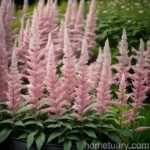
The ‘Irrlicht’ variety is particularly noted for its striking white flower plumes, adding a touch of elegance to any garden or landscape. The feathery plumes emerge above the dark green foliage, creating a mesmerizing contrast that captivates the eye and provides visual interest.
Astilbe Plant
Belonging to the Astilbe genus, this plant is renowned for its adaptability to shaded or partially shaded environments, making it an excellent choice for gardens with limited sunlight. The Astilbe family encompasses a wide array of species and hybrids that vary in height, flower color, and bloom time, catering to diverse gardening preferences.
Astilbe Flowers
The Astilbe x arendsii ‘Irrlicht’ displays profuse, glorious blooms composed of tiny, densely packed flowers that collectively create the characteristic plume-like appearance. These flowers typically emerge in early to mid-summer, adding a splash of brightness to the verdant surroundings.
Astilbe Care
Successful cultivation of Astilbe x arendsii ‘Irrlicht’ necessitates an understanding of its specific cultural requirements, including water, sunlight, fertilizer, soil, and pruning. By ensuring optimal conditions, gardeners can cherish an abundance of stunning white plumes and vibrant foliage, creating a picturesque and alluring landscape.
Now, let’s delve into the detailed cultural requirements for cultivating Astilbe x arendsii ‘Irrlicht’.
Culture
Cultural practices play a pivotal role in ensuring the robust growth and bountiful flowering of Astilbe x arendsii ‘Irrlicht.’ By meticulously adhering to its specific needs, gardeners can foster a thriving and visually striking plant.
Water
-
Optimal Moisture Levels: Astilbe x arendsii ‘Irrlicht’ thrives in consistently moist, well-draining soil. It is crucial to maintain a steady level of moisture, particularly during the active growing season. Adequate hydration is essential for supporting the development of lush foliage and the production of abundant flower plumes.
-
Mulching: Applying a layer of organic mulch around the base of the plant aids in retaining soil moisture, suppresses weed growth, and fosters a conducive environment for root development.
-
Irrigation: During prolonged dry spells or periods of insufficient rainfall, supplemental watering may be necessary to sustain optimal soil moisture levels. However, it is important to avoid overwatering, which can lead to waterlogged soil and impede root function.
Sunlight
-
Shade Preference: Astilbe x arendsii ‘Irrlicht’ is renowned for its preference for shaded or partially shaded environments. It flourishes in locations with filtered sunlight or dappled shade, making it an excellent choice for woodland gardens or shaded borders.
-
Morning Sun: While Astilbe x arendsii ‘Irrlicht’ thrives in shaded conditions, it benefits from receiving gentle morning sunlight, which supports the photosynthetic processes without exposing the plant to intense midday heat.
-
Protection from Harsh Sun: Prolonged exposure to direct sunlight can scorch the delicate foliage of Astilbe x arendsii ‘Irrlicht.’ As such, it is important to shield the plant from the harsh rays of the afternoon sun to prevent leaf damage.
Fertilizer
-
Nutrient Requirements: Astilbe x arendsii ‘Irrlicht’ benefits from a balanced, slow-release fertilizer formulated for flowering perennials. The application of a suitable fertilizer in spring promotes vigorous growth and enhances the abundance and quality of flower plumes.
-
Frequency of Fertilization: It is advisable to fertilize Astilbe x arendsii ‘Irrlicht’ in early spring when new growth emerges. An additional application in mid-summer can provide a nutrient boost to support blooming and overall vitality.
-
Avoid Overfeeding: Excessive fertilization can result in excessive foliage growth at the expense of flower production. It is crucial to follow the recommended dosage and application guidelines to prevent potential imbalances.
Soil
-
Acidic, Moist Soil: Astilbe x arendsii ‘Irrlicht’ prospers in humus-rich, slightly acidic soil with a pH range of 5.5 to 6.5. This type of soil composition facilitates the uptake of essential nutrients and sustains optimal growth and flowering.
-
Organic Matter: Incorporating organic matter such as compost or well-rotted manure into the soil enhances its structure, fertility, and water retention capacity. This amendment improves the overall health of the plant and contributes to its resilience.
-
Well-Draining Soil: While Astilbe x arendsii ‘Irrlicht’ favors consistent moisture, it is imperative to ensure that the soil is well-draining to prevent waterlogged conditions that can compromise the root system’s health.
Pruning
-
Post-Bloom Pruning: After the flowering period concludes, removing spent blooms and dead or decaying foliage maintains the plant’s visual appeal and promotes a tidy, well-groomed appearance.
-
Division: Periodic division of mature clumps rejuvenates the plant, stimulates new growth, and prevents overcrowding. Dividing every 3 to 4 years in early spring or late summer helps maintain the plant’s vigor and flowering capacity.
-
Stalk Trimming: Trimming the faded flower stalks to ground level in late autumn or early winter tidies up the plant and prevents the accumulation of decaying matter.
Uses
The versatile nature and captivating aesthetic appeal of Astilbe x arendsii ‘Irrlicht’ render it an esteemed choice for various landscape and gardening applications. Let’s explore some of the primary uses of this remarkable plant:
-
Landscape Planting: Astilbe x arendsii ‘Irrlicht’ serves as a striking focal point in shaded or partially shaded landscapes, contributing to the creation of enchanting woodland gardens, serene shade borders, and ethereal garden settings. Its graceful form and profuse blooms instill a sense of tranquility and elegance.
-
Container Gardening: Due to its preference for shaded environments, Astilbe x arendsii ‘Irrlicht’ is adept at embellishing shaded patios, balconies, and outdoor living spaces when cultivated in containers. Its compact size and ornamental value make it an ideal candidate for shaded container arrangements, adding vibrancy to overlooked corners.
Propagation
The propagation of Astilbe x arendsii ‘Irrlicht’ can be achieved through two primary methods: division and seed propagation.
Division
-
Spring or Late Summer: The division of mature Astilbe x arendsii ‘Irrlicht’ clumps is typically carried out in early spring as new growth emerges or in late summer as flowering concludes. The cooler temperatures during these periods minimize stress on the divided segments and promote successful establishment.
-
Segmenting Clumps: Carefully lifting the clump from the soil and gently segmenting it into smaller divisions with healthy roots and viable growing points facilitates the creation of new, self-sustaining plants.
-
Replanting: The divided segments are subsequently replanted in suitable locations, where they can readily acclimate to their new surroundings and initiate robust growth.
Seed Propagation
-
Harvesting Seeds: Collecting mature seeds from the spent flower plumes and allowing them to air-dry ensures the viability and readiness for sowing. This process involves gently crushing the dried flower heads to extract the tiny seeds.
-
Sowing Seeds: Sowing the collected seeds in a prepared seed starting mix or well-draining soil, maintaining consistent moisture, and providing indirect light fosters the germination of the seeds. This technique is a cost-effective means of propagating new Astilbe x arendsii ‘Irrlicht’ plants.
Popularity
Astilbe x arendsii ‘Irrlicht’ has garnered widespread popularity among gardening enthusiasts and landscaping professionals due to its inherent charm, versatility, and ease of cultivation. Its enduring appeal can be attributed to several key factors:
-
Shade Tolerance: The capacity of Astilbe x arendsii ‘Irrlicht’ to flourish in shaded or partially shaded environments offers gardeners the opportunity to introduce vibrant, long-lasting blooms to areas that are often considered challenging for plant growth.
-
Elegant Floral Plumes: The ethereal, feathery flower plumes of Astilbe x arendsii ‘Irrlicht’ serve as captivating focal points in the landscape, imparting a sense of refinement and grace to garden compositions.
-
Lush Foliage: In addition to its striking blooms, the dense, deeply-lobed foliage of Astilbe x arendsii ‘Irrlicht’ contributes to the plant’s visual allure, creating a lush and verdant backdrop for its flowers.
-
Low Maintenance: The relatively undemanding nature of Astilbe x arendsii ‘Irrlicht’ in terms of water, soil, and cultural requirements appeals to gardeners seeking resilient yet visually stunning additions to their landscapes.
Common Diseases
Although Astilbe x arendsii ‘Irrlicht’ is generally robust and resilient, it may be susceptible to certain diseases that can compromise its health and aesthetics. Understanding these common diseases is essential for implementing preventative measures and prompt interventions when necessary.
Disease Diagnosis
-
Powdery Mildew: The development of powdery, white fungal growth on the foliage indicates a powdery mildew infection. This disease can hinder photosynthesis, weaken the plant, and impart an unsightly appearance.
-
Leaf Spot: The appearance of dark, irregularly shaped spots on the leaves, often accompanied by yellowing or browning, signifies a leaf spot infection. This condition can lead to leaf discoloration and premature defoliation.
Disease Management
-
Cultural Practices: Ensuring proper spacing between plants, providing adequate air circulation, and avoiding overhead watering minimizes the risk of fungal diseases such as powdery mildew and leaf spot.
-
Pruning: Prompt removal and disposal of infected plant material, as well as post-bloom pruning to eliminate spent foliage, reduce the presence of disease agents and limit their spread.
-
Fungicidal Treatments: In cases of severe or recurrent fungal infections, the application of suitable fungicidal treatments according to the manufacturer’s recommendations can help mitigate the impact of diseases and protect the plant.
Common Pests
While Astilbe x arendsii ‘Irrlicht’ is resilient to many pests, it may encounter occasional infestations that necessitate vigilance and appropriate control measures to uphold the plant’s health and vigor.
Pest Identification
-
Japanese Beetles: The presence of Japanese beetles, characterized by metallic green bodies and coppery wings, may result in the defoliation and aesthetic degradation of the plant.
-
Slugs: Slugs can inflict damage on the foliage, leaving behind irregularly shaped holes and slimy trails. These pests are particularly active during moist, cool conditions.
Pest Management
-
Manual Removal: Handpicking Japanese beetles and slugs from the plant, particularly during the early morning or evening hours when they are most active, serves as an effective means of pest control.
-
Natural Predators: Encouraging the presence of natural predators such as birds, toads, and predatory insects in the garden can help regulate pest populations and mitigate pest-related issues.
-
Barriers and Traps: Implementing physical barriers, such as row covers, and deploying slug traps, can prevent pests from accessing the plant and aid in their containment.
Now that we have explored the common diseases and pests that may impact Astilbe x arendsii ‘Irrlicht’, let’s delve into essential botanist’s tips and captivating fun facts that can enhance our understanding and appreciation of this magnificent plant.
Botanist’s Tips
-
Consistent Moisture: Adequate hydration is vital for the optimal growth and blooming of Astilbe x arendsii ‘Irrlicht.’ Regular monitoring of soil moisture levels and appropriate irrigation practices are fundamental for its well-being.
-
Shaded Environments: Placing Astilbe x arendsii ‘Irrlicht’ in shaded or partially shaded areas that receive gentle morning sunlight facilitates its flourishing, contributing to an abundance of enchanting blooms.
-
Mulching: Applying a layer of organic mulch around the base of the plant serves as a moisture-retentive and weed-suppressing measure that supports the development of healthy roots and foliage.
-
Pruning Techniques: Employing proper pruning practices, including post-bloom pruning and division, maintains the plant’s vigor, manages its size, and ensures a tidy and visually appealing appearance.
-
Fertilization Schedule: Adhering to a balanced fertilization regimen, particularly in spring and mid-summer, offers the necessary nutrients for robust growth, abundant flowering, and overall plant health.
Fun Facts
-
Historical Significance: Astilbe derives its name from the Greek words ‘a’ and ‘stilbe’, collectively meaning ‘without brilliance,’ which alludes to the lack of a reflective surface on its plumed seeds.
-
Victorian Era Symbolism: In the language of flowers popular during the Victorian era, Astilbe symbolized dedication and sincerity, signifying devotion and heartfelt emotions.
-
Botanical Variety: The Astilbe genus encompasses over 18 species, featuring a diverse array of sizes, flower colors, and blooming periods that cater to a broad spectrum of garden preferences.
-
Habitat Adaptability: While Astilbe x arendsii ‘Irrlicht’ excels in shaded environments, it is also responsive to soil moisture and fertility, demonstrating adaptability to various growing conditions.
-
Pollinator Attraction: The delicate flowers of Astilbe x arendsii ‘Irrlicht’ attract pollinators such as butterflies and bees, fostering ecological diversity and contributing to the garden’s vibrancy.
-
Cultural and Artistic Significance: Astilbe has been celebrated in horticultural and botanical art, serving as subject matter for exquisite paintings, illustrations, and ornamental displays.
Links to External Resources
For further exploration and enrichment of your knowledge regarding Astilbe x arendsii ‘Irrlicht’ and its captivating world, I recommend delving into the following authoritative resources:
- American Public Gardens Association
- Royal Horticultural Society
- University Extension Services (Select your state for relevant information)
These reputable sources provide a wealth of valuable insights, practical guidance, and botanical expertise to enhance your understanding and appreciation of Astilbe x arendsii ‘Irrlicht.’
In conclusion, Astilbe x arendsii ‘Irrlicht’ stands as a testament to the captivating beauty and understated grace of the plant kingdom. Its ethereal blooms, lush foliage, and adaptability to shaded environments make it an exceptional addition to gardens, landscapes, and container arrangements, enriching outdoor spaces with its visual allure and ecological contributions.
As you embark on your journey of cultivating and nurturing Astilbe x arendsii ‘Irrlicht,’ may these botanical insights serve as your trusted companions, fostering the flourishing of this remarkable plant and elevating your gardening experiences to new heights of delight and admiration.