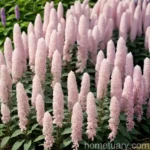
Astilbe ‘Look at Me’ (Arendsii Hybrid): A Comprehensive Guide
What is the Astilbe ‘Look at Me’ (Arendsii Hybrid)?
Astilbe ‘Look at Me’ (Arendsii Hybrid) is a beautiful perennial plant known for its feathery plumes of flowers and attractive foliage. Belonging to the Saxifragaceae family, this plant is prized for its stunning ornamental value and is a popular choice for shaded gardens, borders, and woodland settings.
The Arendsii Hybrid variety of Astilbe ‘Look at Me’ is particularly favored for its vibrant pink flower clusters and elegant appearance. With its striking blooms, this plant adds a touch of color and texture to any landscape. Understanding the cultivation, care, and utilization of this charming plant is essential for any enthusiast or gardener.
Key Takeaways – Astilbe ‘Look at Me’ (Arendsii Hybrid)
Before delving into the details of Astilbe ‘Look at Me’ (Arendsii Hybrid), let’s overview the key takeaways to provide a comprehensive understanding of this plant’s characteristics, requirements, and applications.
Astilbe ‘Look at Me’ (Arendsii Hybrid) Summary
- Plant Type: Perennial
- Family: Saxifragaceae
- Common Name: Astilbe ‘Look at Me’
- Variety: Arendsii Hybrid
- Flower Color: Bright Pink
- Foliage: Deep Green
- Sunlight: Shade to Partial Shade
- Height: 18-24 inches
- Spread: 18-24 inches
- USDA Hardiness Zones: 4-8
Key Characteristics
- Vibrant pink feathery plumes
- Lush, finely divided foliage
- Clump-forming habit
- Shade-loving
- Low maintenance
Ideal Uses
- Shade gardens
- Border plantings
- Woodland gardens
- Containers
- Understory plantings
Now, let’s delve into the detailed aspects of cultivating and caring for Astilbe ‘Look at Me’ (Arendsii Hybrid).
Culture
Water
Astilbe ‘Look at Me’ thrives in consistently moist soil and is well-suited to boggy or waterside plantings. Adequate water is crucial during the plant’s active growth and flowering period. It is advisable to maintain moist, but not waterlogged, conditions to prevent the plant from drying out.
Sunlight
Astilbe ‘Look at Me’ prefers shaded to partially shaded environments and is not tolerant of direct sunlight. It is essential to provide the plant with dappled light or shaded conditions. In regions with intense summer heat, protection from the afternoon sun is particularly important.
Fertilizer
Fertilizing Astilbe ‘Look at Me’ can significantly enhance its growth and flowering. A balanced, soluble fertilizer can be applied in spring as new growth emerges. It is recommended to use a slow-release fertilizer to provide a steady supply of nutrients throughout the growing season.
Soil
Well-draining, humus-rich soil is ideal for Astilbe ‘Look at Me’. It thrives in slightly acidic to neutral soil with a pH range of 5.5 to 6.5. Amending the soil with organic matter, such as compost or peat moss, can improve its texture and nutrient content, creating a favorable environment for the plant to flourish.
Pruning
Pruning is an essential aspect of Astilbe ‘Look at Me’ maintenance. Deadheading spent flowers can prolong the blooming period and prevent the plant from expending energy on seed production. Additionally, removing faded foliage and stems in late fall or early spring helps maintain the plant’s vigor and aesthetic appeal.
Propagation
Astilbe ‘Look at Me’ can be propagated through division, making it an excellent option for expanding its presence in the garden or sharing with fellow enthusiasts. Division is best carried out in early spring before new growth emerges or in the fall after the plant has finished flowering. Divisions should possess healthy roots and several growing points for successful establishment.
Container Popularity
Astilbe ‘Look at Me’ is a popular choice for container gardening, particularly in shaded or semi-shaded patios, balconies, and outdoor living spaces. When grown in containers, it is essential to provide adequate moisture and choose a container with sufficient drainage to prevent waterlogging.
Common Diseases
While Astilbe ‘Look at Me’ is relatively resilient, it is susceptible to certain diseases that can impact its health and vitality. Being aware of these common diseases and their management is essential for ensuring the plant’s well-being.
Disease Diagnosis
1. Powdery Mildew (Microsphaera alni)
- Identifying Signs: White powdery patches on leaves and stems.
- Management: Improve air circulation, avoid overhead watering, and apply fungicidal sprays if necessary.
2. Leaf Blight (Kabatiella tulasnei)
- Identifying Signs: Dark spots or lesions on leaves, which may lead to wilting or browning.
- Management: Remove and dispose of infected plant material, and consider fungicidal treatments if the problem persists.
3. Crown Rot (Various fungal pathogens)
- Identifying Signs: Soft, discolored, or decaying crown tissue, often accompanied by wilting or stunted growth.
- Management: Ensure proper drainage, avoid overwatering, and remove affected portions of the plant carefully.
Common Pests
Botanist’s Tips
- Regularly inspect the plant for signs of pests such as aphids, spider mites, and caterpillars.
- Implementing preventive measures, such as applying insecticidal soap or neem oil, can help deter common pests from infesting the plant.
Fun Facts
- The name “Astilbe” is derived from the Greek words “a” (not) and “stilbe” (to shine), referring to the plant’s preference for shaded conditions.
- Astilbe ‘Look at Me’ can attract butterflies and other pollinators with its nectar-rich flowers.
By understanding and implementing these tips and guidelines, enthusiasts can foster the optimal growth and health of Astilbe ‘Look at Me’ in their gardens and landscapes.
Links to External Resources
For further exploration of Astilbe ‘Look at Me’ (Arendsii Hybrid) and related topics, the following external resources offer valuable insights and in-depth information:
- The American Horticultural Society: Plant Propagation
- Royal Horticultural Society: Understanding Powdery Mildew
- University of Minnesota Extension: Astilbe Growing Guide
Ensuring that the plant is provided with optimal growing conditions and care can result in a stunning display of vibrant blooms and lush foliage, adding beauty and allure to any garden or landscape.
In conclusion, Astilbe ‘Look at Me’ (Arendsii Hybrid) stands as a captivating ornamental plant, beloved for its distinct beauty and adaptability to shaded environments. By integrating the outlined cultural practices and maintenance guidelines, gardening enthusiasts can foster the flourishing growth of this charming perennial, creating captivating landscapes and gardens adorned with its delightful presence.