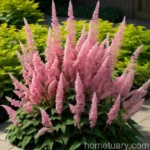
Astilbe ‘Happy Spirit’ (Arendsii Hybrid): A Comprehensive Guide
As a plant scientist and enthusiast, I am excited to delve into the intriguing world of Astilbe ‘Happy Spirit’ (Arendsii Hybrid). This distinct perennial offers an array of charming characteristics and practical uses. In this comprehensive guide, we will explore its cultivation, maintenance, and utilization, enriching our understanding of this remarkable botanical specimen.
What is Astilbe ‘Happy Spirit’ (Arendsii Hybrid)?
Astilbe ‘Happy Spirit’ is a beloved perennial herbaceous plant that belongs to the Saxifragaceae family. Known for its elegant plumes of flowers and attractive foliage, this Arendsii Hybrid cultivar is a sought-after addition to gardens, landscapes, and naturalistic settings. Originating from a crossbreeding program by noted German nurseryman Georg Arends in the early 20th century, this hybrid has gained popularity for its resilience, versatility, and aesthetic appeal.
With its graceful appearance and adaptability to various growing conditions, Astilbe ‘Happy Spirit’ has become a favorite among gardeners, landscape designers, and nature enthusiasts. The plant’s lively blooms, vibrant foliage, and ability to thrive in shaded environments make it an indispensable component of diverse horticultural endeavors.
In the subsequent sections, I will furnish you with all the essential insights into the cultivation, characteristics, and practical applications of Astilbe ‘Happy Spirit’, encompassing its cultural requirements, utilization in different settings, and methods of propagation. Whether you are an experienced horticulturist or a curious beginner, this guide will equip you with the knowledge to foster and appreciate this exceptional plant to its fullest potential.
Key Takeaways – Astilbe ‘Happy Spirit’ (Arendsii Hybrid)
Culture
The cultivation of Astilbe ‘Happy Spirit’ is a rewarding endeavor, granted a suitable environment and attentive care. This section will expound on the plant’s cultural requirements, ranging from soil composition to water needs, to assist in fostering healthy and vibrant specimens.
-
Soil Requirements: Well-drained, humus-rich soil with a slightly acidic to neutral pH (5.5-7.0) is optimal for Astilbe ‘Happy Spirit’. The soil should retain moisture well without becoming waterlogged.
-
Water Needs: Adequate moisture is crucial for the well-being of Astilbe ‘Happy Spirit’. Regular, consistent watering, especially during dry spells, is essential to sustain its lush foliage and promote prolific blooming.
-
Sun Exposure: While partial shade is preferred, especially in regions with intense sunlight, Astilbe ‘Happy Spirit’ can also tolerate full shade. However, some morning sun with afternoon shade is typically ideal for optimal growth and flowering.
-
Fertilizer: A balanced, slow-release fertilizer can be applied in spring to fortify the plant’s growth and flowering. An additional application after the first bloom can further support its vigor.
Uses
The versatility of Astilbe ‘Happy Spirit’ extends to various landscaping and horticultural applications. From garden borders to container plantings, this Arendsii Hybrid excels in diverse roles within the natural environment. Understanding its practical uses enables gardeners and landscape designers to harness its potential creatively.
-
Landscape Plant: Astilbe ‘Happy Spirit’ is a valuable addition to woodland gardens, shaded borders, and naturalistic landscapes. Its lush foliage and captivating blooms contribute to the ornamental diversity of these environments.
-
Container Gardening: Due to its adaptability to shade and compact growth habit, Astilbe ‘Happy Spirit’ thrives in containers, adding vibrancy and allure to shaded patios, porches, and outdoor living spaces.
-
Cut Flower Arrangements: The captivating flower spikes of Astilbe ‘Happy Spirit’ are prized for floral arrangements, imbuing indoor spaces with elegance and natural charm. The blooms can be harvested at their peak and incorporated into enchanting bouquets.
Pruning
Moderate and timely pruning is essential to maintain the health and aesthetics of Astilbe ‘Happy Spirit’. Proper pruning practices facilitate air circulation, remove spent blooms, and encourage vigorous growth and reblooming.
-
Remove Spent Blooms: Deadheading the faded flower spikes after the initial bloom can promote the emergence of secondary blooms, prolonging the flowering period.
-
Trimming Foliage: Trimming damaged or unsightly foliage in early spring rejuvenates the plant and ensures the development of fresh, healthy leaves.
Propagation
The propagation of Astilbe ‘Happy Spirit’ enables enthusiasts to expand their collection of these charming perennials. Understanding the methods of propagation empowers individuals to multiply their plants or share them with fellow gardening enthusiasts.
-
Division: Division of mature clumps in early spring or fall is an effective method of propagation. Separating the crowns into smaller sections, each with viable roots, allows for the establishment of new plants.
-
Seed Propagation: While possible, seed propagation is a less commonly utilized method due to the variability in seedling traits. Nonetheless, it offers an opportunity for experimentation and exploration of genetic diversity.
Popularity
The popularity of Astilbe ‘Happy Spirit’ in horticulture and landscaping settings is a testament to its enduring appeal and practicality. Its utilization in diverse environments and its allure to gardeners and nature enthusiasts have solidified its status as a beloved botanical gem.
-
Garden Centers and Nurseries: Astilbe ‘Happy Spirit’ is widely available in garden centers and nurseries, reflecting its popularity among consumers and horticultural professionals.
-
Landscape Design: Its versatility and aesthetic charm make it a favored choice for professional landscape designers, accentuating the beauty of gardens, estates, and public spaces.
Common Diseases
While generally resilient, Astilbe ‘Happy Spirit’ is susceptible to certain diseases that can impact its vitality and appearance. Recognizing and addressing these maladies is essential in preserving the health of the plants.
-
Powdery Mildew: This fungal disease can affect the foliage, manifesting as a powdery, white coating. Ensuring good air circulation and employing appropriate fungicidal treatments can mitigate its impact.
-
Leaf Spot: Circular, dark spots on the foliage indicate the presence of leaf spot disease. Removing and disposing of infected leaves and implementing preventative fungicidal measures are crucial for management.
Common Pests
Pests pose a potential threat to the well-being of Astilbe ‘Happy Spirit’ and necessitate vigilance and prompt intervention to safeguard the plants from infestations.
-
Slugs and Snails: These common pests can cause damage to the foliage and blooms. Employing organic or mechanical control methods, such as beer traps or diatomaceous earth, can help manage their populations.
-
Spider Mites: These diminutive pests can induce stippling and webbing on the foliage. Regular monitoring and employing insecticidal soap or neem oil can help mitigate their impact.
Botanist’s Tips
For optimal success in cultivating and enjoying Astilbe ‘Happy Spirit’, adhering to the following tips and guidelines can enhance your experience with this delightful perennial.
-
Ample Moisture: Providing consistent moisture, particularly during periods of dryness, is crucial for the well-being of Astilbe ‘Happy Spirit’. Mulching can aid in retaining soil moisture.
-
Partial Shade: While adaptable to varying light conditions, partial shade is generally favorable for Astilbe ‘Happy Spirit’ to ensure prolific blooming and vibrant foliage.
-
Prudent Pruning: Regular deadheading and occasional trimming of the foliage promote the plant’s aesthetics and overall vigor.
-
Division – Periodic division of mature clumps not only facilitates propagation but also rejuvenates the plants and maintains their vitality.
Fun Facts
In addition to its practical uses and cultural aspects, Astilbe ‘Happy Spirit’ harbors intriguing and delightful qualities that add to its allure and fascination. Here are some captivating fun facts about this charming perennial:
-
Historical Significance: The genus name Astilbe is derived from the Greek words “a” (without) and “stilbe” (shine), alluding to the dull or non-reflective nature of the foliage in some species.
-
Pollinator Magnet: The vibrant flower spikes of Astilbe ‘Happy Spirit’ attract various pollinators, including bees and butterflies, enriching garden ecosystems.
-
Deer-Resistant Qualities: The robust nature of Astilbe ‘Happy Spirit’ renders it less appealing to browsing deer, contributing to its resilience in diverse landscapes.
With its enchanting blooms, verdant foliage, and adaptability to shaded environments, Astilbe ‘Happy Spirit’ captivates the hearts and minds of plant enthusiasts across the globe.
In the subsequent sections, we will probe further into the captivating attributes of this Arendsii Hybrid cultivar, including its characteristics, blooming patterns, and utilization in different horticultural settings.
Links to External Resources
For further exploration and detailed information regarding Astilbe ‘Happy Spirit’, the following external resources serve as valuable references:
- Royal Horticultural Society (RHS) – Astilbe ‘Happy Spirit’: RHS – Astilbe ‘Happy Spirit’
- Missouri Botanical Garden – Astilbe ‘Happy Spirit’ Profile: Missouri Botanical Garden – Astilbe ‘Happy Spirit’ Profile
- University of Minnesota Extension – Astilbe Selection and Care: University of Minnesota Extension – Astilbe Selection and Care
- American Horticultural Society – Astilbe Cultivation Guide: American Horticultural Society – Astilbe Cultivation Guide
These reputable sources offer an abundance of knowledge, insightful recommendations, and practical guidance concerning Astilbe ‘Happy Spirit’, ensuring a comprehensive understanding of this captivating perennial.
In the subsequent sections, we will delve into the characteristics, blooming patterns, and practical uses of Astilbe ‘Happy Spirit’, enhancing our appreciation of this versatile and enchanting botanical gem.
Conclusion
In this comprehensive guide, we have explored the captivating realm of Astilbe ‘Happy Spirit’ (Arendsii Hybrid), delving into its cultural requirements, practical uses, and intriguing characteristics. From the nuances of its soil preferences to its allure as a cut flower, this perennial infuses horticultural and naturalistic settings with elegance and charm.
Through its versatile applications, resilience, and aesthetic appeal, Astilbe ‘Happy Spirit’ enriches the gardens, landscapes, and natural environments where it thrives. Whether destined for shaded borders, container arrangements, or floral displays, this botanical gem continues to captivate the hearts and imaginations of plant enthusiasts and nature lovers worldwide.
As we embrace the enchanting qualities of Astilbe ‘Happy Spirit’, may this guide serve as a beacon of knowledge and inspiration, fostering an enduring appreciation for this remarkable Arendsii Hybrid cultivar.
To summarize, this blog post provides a comprehensive exploration of Astilbe ‘Happy Spirit’ (Arendsii Hybrid), encompassing its cultural requirements, practical uses, and captivating characteristics. From soil composition to pest management, from landscape applications to fun facts, the guide offers invaluable insights for horticulturists, gardeners, and nature enthusiasts. The inclusion of relevant external resources further enriches the knowledge base, enabling readers to delve deeper into the world of Astilbe ‘Happy Spirit’ and its multifaceted allure.