Albizia Julibrissin F. Rosea (Pink Silk Tree)
Albizia julibrissin f. rosea, commonly known as the Pink Silk Tree, is a stunning flowering tree that belongs to the Fabaceae family. This tree is native.
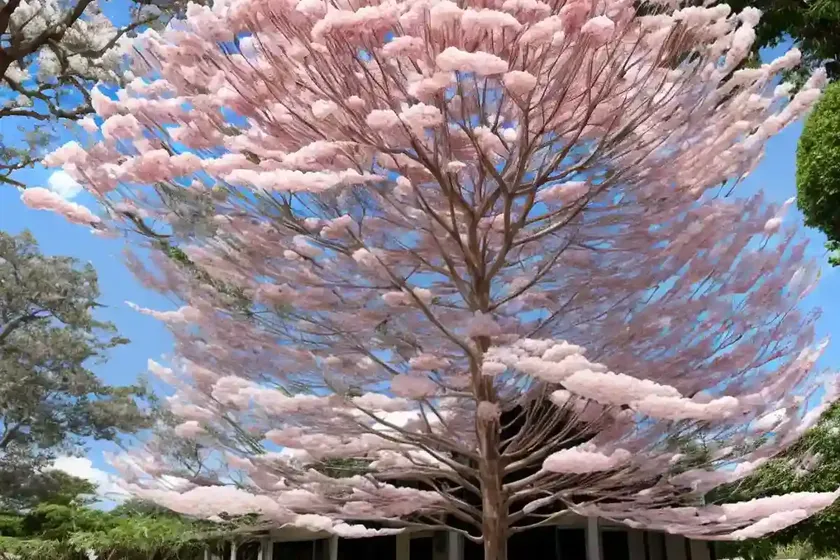
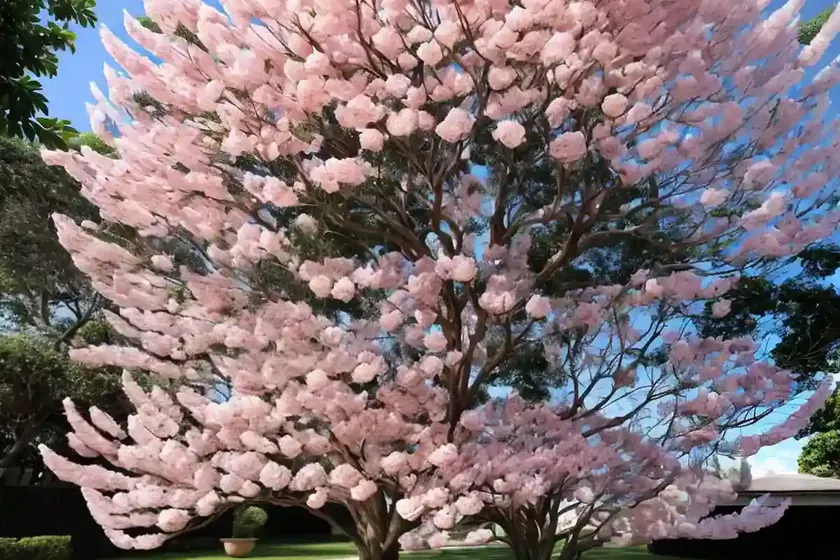

Albizia julibrissin f. rosea, commonly known as the Pink Silk Tree, is a stunning flowering tree that belongs to the Fabaceae family. This tree is native to Asia and the Middle East and is renowned for its delicate, pink, powder puff-like flowers that bloom abundantly during the summer months. It is a highly valued ornamental tree due to its attractive foliage and eye-catching blossoms. In this comprehensive guide, we will explore the culture, uses, care requirements, and interesting facts about the Albizia julibrissin f. rosea.
What is Albizia julibrissin f. rosea (Pink Silk Tree)?
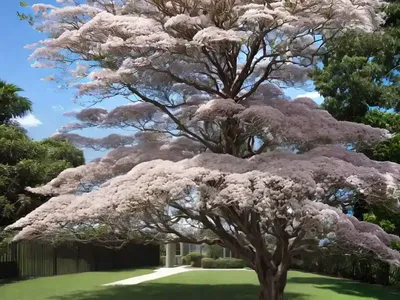
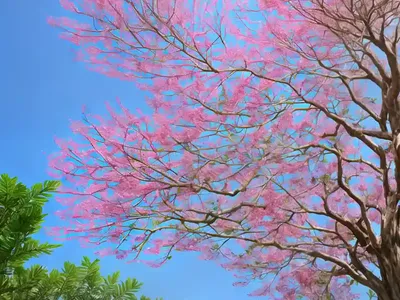
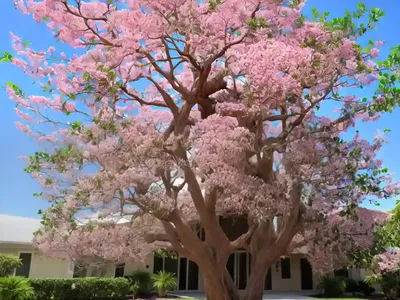
Albizia julibrissin f. rosea, also known as the Pink Silk Tree, is a deciduous tree species that can grow to a height of 20 to 40 feet and spread outwards to form a wide, umbrella-shaped canopy. Its leaves are bipinnately compound, giving the tree a delicate and feathery appearance. The most striking feature of the Pink Silk Tree is its flowers, which are fluffy, dome-shaped clusters of tiny, pink blooms. These blossoms create a picturesque spectacle and give the tree its common name, “Pink Silk Tree.”
Key Takeaways – Albizia julibrissin f. rosea (Pink Silk Tree)
- Scientific Name: Albizia julibrissin f. rosea
- Common Names: Pink Silk Tree, Mimosa Tree, Persian Silk Tree
- Family: Fabaceae
- Height: 20 to 40 feet
- Foliage: Bipinnately compound leaves
- Flowers: Fluffy, dome-shaped clusters of tiny pink blooms
Culture
Understanding the cultural requirements of Albizia julibrissin f. rosea is essential for ensuring its healthy growth and development. Here are the key cultural considerations for this beautiful tree:
Uses
The Pink Silk Tree is primarily cultivated for its ornamental value. Its stunning pink flowers and graceful foliage make it a popular choice for landscaping in parks, gardens, and urban spaces. Additionally, the wood of the Albizia julibrissin f. rosea has been used in cabinetry and woodworking due to its durability and attractive grain.
Water
Albizia julibrissin f. rosea thrives in well-draining soil and prefers moderate watering. It is important to avoid overwatering as this can lead to root rot and other moisture-related issues. During hot and dry periods, it is advisable to provide supplemental watering to the tree, especially for younger specimens.
Sunlight
The Pink Silk Tree flourishes in full sunlight and requires at least six to eight hours of direct sunlight daily to thrive and produce an abundance of flowers. It is essential to plant Albizia julibrissin f. rosea in a location with ample sunlight exposure for optimal growth and flowering.
Fertilizer
Regular fertilization is beneficial for promoting healthy growth and flowering in Albizia julibrissin f. rosea. A balanced, slow-release fertilizer formulated for trees and shrubs can be applied in early spring before the start of the growing season. It is important to follow the manufacturer’s instructions regarding application rates and methods.
Soil
The Pink Silk Tree prefers slightly acidic to neutral soil with good drainage. Loamy, well-aerated soil is ideal for its root development. Prior to planting, it is recommended to amend the soil with organic matter to improve its texture and fertility.
Pruning
Pruning Albizia julibrissin f. rosea is primarily done to maintain its shape, remove damaged or crossing branches, and promote air circulation within the canopy. Pruning is best carried out during the tree’s dormant season to minimize stress and stimulate new growth. It is important to use sharp, clean pruning tools to make precise cuts and minimize the risk of disease transmission.
Propagation
Albizia julibrissin f. rosea can be propagated through various methods, including seed propagation, hardwood cuttings, and air layering. Here are some common propagation techniques for the Pink Silk Tree:
-
Seed Propagation: Harvest mature seeds from the tree and plant them in a well-draining potting mix. Keep the soil consistently moist and provide warm temperatures for germination. Seeds can take several weeks to germinate, and successful seedlings can be transplanted once they have developed strong roots.
-
Hardwood Cuttings: Take 6 to 8-inch cuttings from the previous season’s growth and remove the lower leaves. Dip the cut end in rooting hormone and plant the cutting in a container filled with a well-draining rooting medium. Maintain consistent moisture and warmth to encourage root development.
-
Air Layering: Select a healthy, low-hanging branch and wound the bark to encourage the formation of roots. Apply a rooting hormone to the wounded area and wrap it with a moist growing medium and plastic wrap. Once roots have developed, the rooted section can be severed from the parent tree and potted up.
Container Popularity
Albizia julibrissin f. rosea can be grown in containers and is a popular choice for individuals with limited garden space. When cultivated in containers, it is important to ensure that the tree receives adequate sunlight, water, and nutrients for healthy growth. Selecting a well-draining potting mix and providing regular fertilization are essential for container-grown Pink Silk Trees.
Common Diseases
While the Pink Silk Tree is generally resilient, it is susceptible to certain diseases and health issues. Understanding the common diseases that affect Albizia julibrissin f. rosea can help in their prevention and management.
Disease Diagnosis
-
Fusarium Wilt: Fusarium wilt is a fungal disease that can affect Albizia julibrissin f. rosea, leading to wilting, yellowing leaves, and eventual decline. It is important to monitor the tree for signs of wilting and implement proper watering and soil drainage to prevent the development of Fusarium wilt.
-
Powdery Mildew: Powdery mildew can present as a white, powdery coating on the foliage of the Pink Silk Tree. This fungal disease can affect the tree’s overall health and aesthetics. To manage powdery mildew, it is important to maintain good air circulation, avoid overhead watering, and, if necessary, apply fungicidal treatments.
-
Root Rot: Excessive soil moisture and poor drainage can lead to root rot in Albizia julibrissin f. rosea. Symptoms of root rot include wilting, yellowing leaves, and stunted growth. Addressing soil drainage issues and avoiding overwatering are crucial for preventing root rot in the Pink Silk Tree.
Common Pests
Albizia julibrissin f. rosea may also be susceptible to certain pests that can impact its health and vitality. Keeping a lookout for common pests and implementing appropriate pest management strategies is essential for maintaining the tree’s well-being.
-
Spider Mites: Spider mites are tiny arachnids that can infest the foliage of Albizia julibrissin f. rosea, causing stippling, discoloration, and webbing on the leaves. Regularly inspecting the tree for spider mite activity and using insecticidal soaps or horticultural oils can help control their population.
-
Scale Insects: Scale insects may appear as small, waxy bumps on the branches and stems of the Pink Silk Tree. These pests can weaken the tree by feeding on its sap. Pruning and removing heavily infested branches, along with applying horticultural oils, can aid in managing scale insect populations.
-
Caterpillars: Certain caterpillar species may feed on the foliage of Albizia julibrissin f. rosea, leading to defoliation and aesthetic damage. Handpicking caterpillars and using biological controls such as Bacillus thuringiensis (Bt) can help protect the tree from caterpillar infestations.
Botanist’s Tips
As a plant scientist specializing in trees and ornamental plants, here are some valuable tips for cultivating and caring for Albizia julibrissin f. rosea:
-
Selecting a Planting Site: When choosing a location for planting the Pink Silk Tree, opt for a spot with well-draining soil, ample sunlight, and sufficient space for the tree to mature.
-
Monitoring Watering: Regularly monitor soil moisture and adjust watering practices based on the tree’s needs and the prevailing environmental conditions. Avoid waterlogged soil and ensure that the root zone receives adequate hydration.
-
Mulching: Applying a layer of organic mulch around the base of the tree helps conserve soil moisture, regulate soil temperature, and suppress weed growth. Maintain a mulch-free space around the trunk to prevent moisture-related issues.
-
Seasonal Pruning: Schedule pruning activities during the tree’s dormant season to minimize stress and promote healthy regrowth. Remove dead or diseased branches, as well as any crossing or crowded growth within the canopy.
-
Integrated Pest Management: Implement an integrated approach to pest control, incorporating cultural, mechanical, and biological strategies to manage pests and minimize the need for chemical interventions.
Fun Facts
Explore some fascinating and intriguing facts about Albizia julibrissin f. rosea:
- The fluffy, pink flowers of the Pink Silk Tree resemble powder puffs, giving it a distinctive and charming appearance.
- In certain cultures, the flowers of Albizia julibrissin f. rosea are used in traditional medicine for their purported therapeutic properties.
- The species name “julibrissin” is derived from the Persian word “gul-i abrisham,” which translates to “silk flower,” alluding to the tree’s silky and attractive blooms.
Links to External Resources
To expand your knowledge about Albizia julibrissin f. rosea and related topics, consider exploring the following external resources:
- Albizia julibrissin f. rosea – Plant Finder
- Growing Mimosa Trees – The Tree Center
- Albizia julibrissin – Missouri Botanical Garden
- Suitable Planting Sites for Ornamental Trees – University of Florida Extension
In conclusion, Albizia julibrissin f. rosea, or the Pink Silk Tree, is a captivating and graceful ornamental tree that adds beauty and allure to gardens and landscapes. By understanding its cultural needs, propagation techniques, and pest and disease management, enthusiasts can successfully cultivate and appreciate the charm of this remarkable tree.
Remember to tailor your care practices to meet the specific requirements of Albizia julibrissin f. rosea, and indulge in the natural splendor of its fluffy, pink blossoms and elegant foliage. Whether planted as a focal point or incorporated into a diverse garden setting, the Pink Silk Tree is sure to captivate and delight with its radiant beauty.
Now, it’s time to embark on a botanical journey and explore the exquisite allure of Albizia julibrissin f. rosea!
- Missouri Botanical Garden. “Albizia julibrissin.” Missouri Botanical Garden – Plant Finder, http://www.missouribotanicalgarden.org/PlantFinder/PlantFinderDetails.aspx?kempercode=f440.
- Monrovia. “Albizia julibrissin F. rosea – Pink Silk Tree.” Monrovia – Plant Catalog, https://www.monrovia.com/plant-catalog/plants/1761/pink-silk-tree/.
- The Tree Center. “Growing Mimosa Trees.” The Tree Center, https://www.thetreecenter.com/growing-mimosa-trees/.
- University of Florida IFAS Extension. “Selecting Plants for Florida: Suitable Planting Sites for Ornamental Trees.” University of Florida IFAS Extension – EDIS, https://edis.ifas.ufl.edu/publication/FR061.
Markdown file ends here.