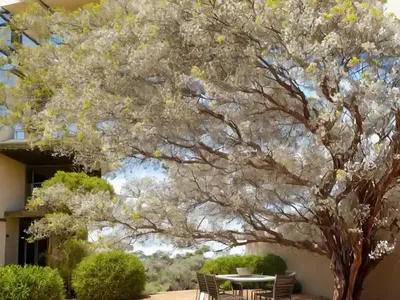
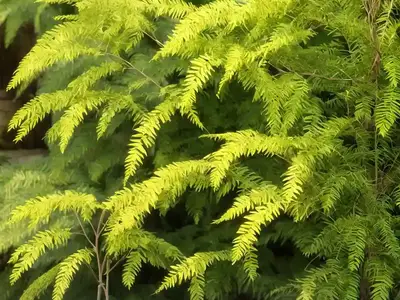
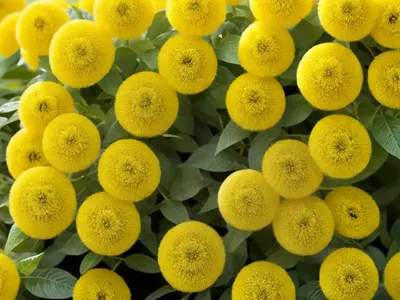
Senegalia Greggii (Catclaw Acacia)
Plants are an integral part of our ecosystem, providing beauty, oxygen, and various resources essential for life. When it comes to landscaping, plants not.
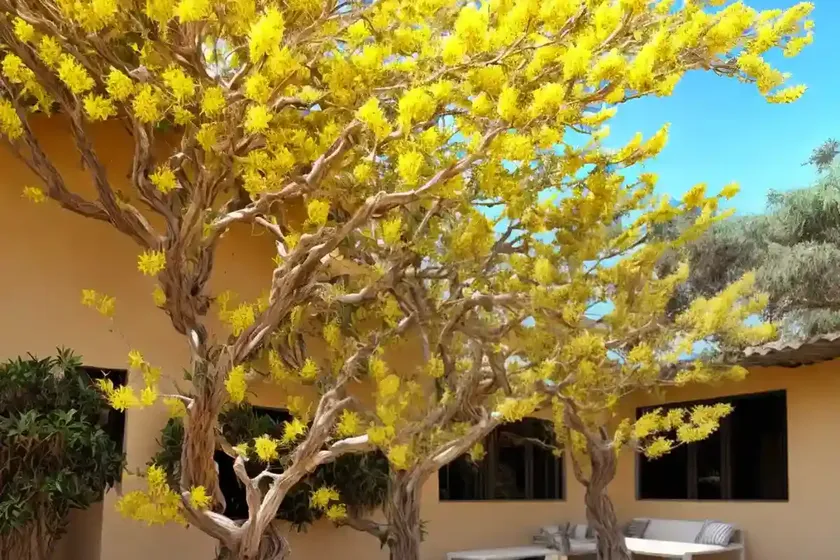
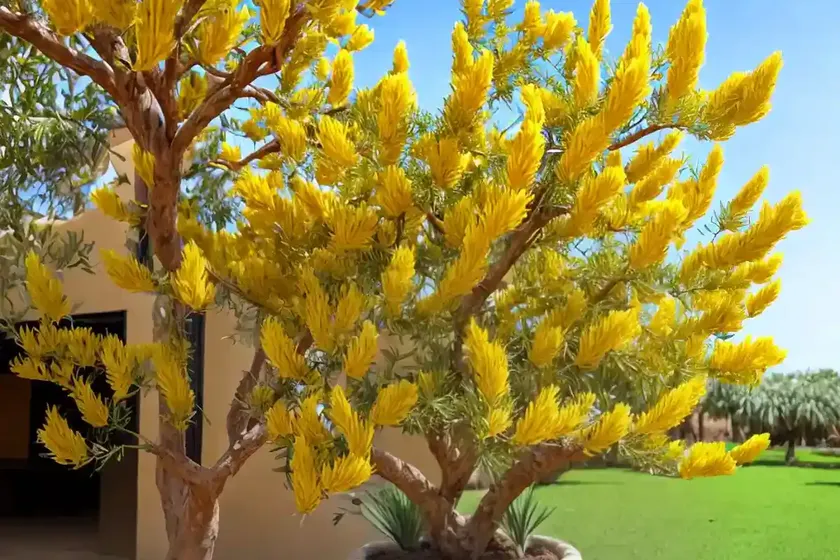
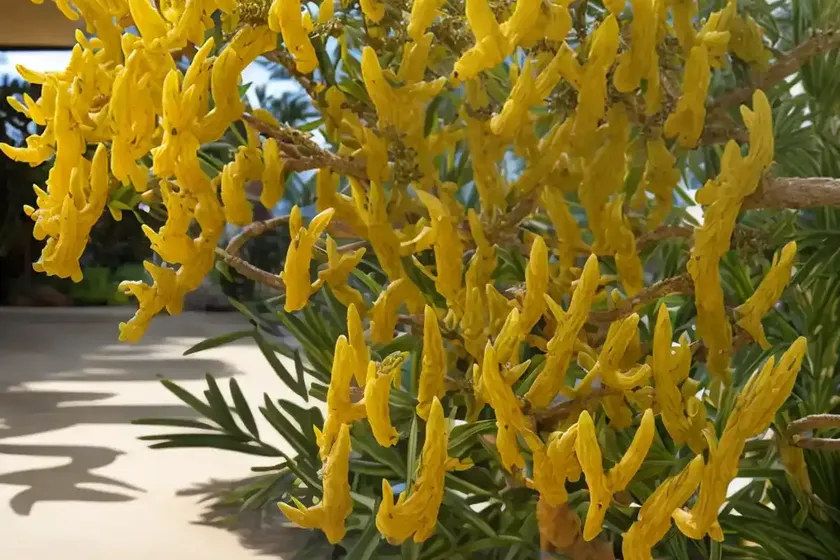
Plants are an integral part of our ecosystem, providing beauty, oxygen, and various resources essential for life. When it comes to landscaping, plants not only enhance the aesthetics but also contribute to the ecological balance. In this comprehensive guide, we will delve into the world of Senegalia greggii, commonly known as Catclaw Acacia. This lovely plant has much to offer in terms of culture, uses, care, and much more.
What is Senegalia greggii (Catclaw Acacia)?
Senegalia greggii, previously known as Acacia greggii, is a species of leguminous shrub in the pea family, Fabaceae. This plant is native to the arid regions of the southwestern United States and northern Mexico. It is commonly found in the Sonoran and Chihuahuan Deserts, thriving in the harsh and dry conditions of these regions.
Key Takeaways – Senegalia greggii (Catclaw Acacia)
Before we dive into the specifics of cultivating and caring for Catclaw Acacia, let’s briefly explore its key characteristics and benefits. Here are some of the essential insights about Senegalia greggii:
- Botanical Name: Senegalia greggii (formerly Acacia greggii)
- Common Name: Catclaw Acacia
- Family: Fabaceae
- Native Habitat: Arid regions of the southwestern United States and northern Mexico
- Growth Habit: Deciduous, thorny shrub
- Flower Color: Yellow to cream
- Drought Tolerance: High
- Wildlife Interactions: Attracts pollinators and provides habitat for wildlife
- Medicinal Uses: Traditional medicinal applications
- Landscape Uses: Suitable for xeriscaping and arid landscaping
Now, let’s explore the specific aspects of cultivating and caring for this remarkable plant.
Culture
Understanding the cultural preferences and requirements of Catclaw Acacia is crucial for successful cultivation. Proper knowledge about its preferred environmental conditions and cultural practices can significantly impact the plant’s health and overall growth.
Uses
Catclaw Acacia is a versatile plant with various uses, making it highly valuable in different settings. Some of its common uses include:
- Landscaping: Adds visual interest to arid landscapes
- Wildlife Habitat: Provides food and shelter for native wildlife
- Medicinal Purposes: Traditional medicinal applications
- Erosion Control: Helps stabilize soil in arid environments
- Firewood and Timber: Used as a source of fuelwood and small-sized timber
Care Guide
Proper care is essential for the well-being of any plant, and Senegalia greggii is no exception. Let’s explore the specific care requirements for this remarkable plant, including considerations for water, sunlight, fertilizer, soil, pruning, propagation, and container gardening.
Water
Understanding the water requirements of Catclaw Acacia is crucial for maintaining its health and vigor. Despite being a drought-tolerant plant, proper irrigation is necessary, especially during its establishment phase.
Water Requirements:
- Establishment Phase: Regular watering to aid in root establishment
- Mature Plants: Moderate to low water requirements once established
- Drought Tolerance: Exceptional drought tolerance once established
- Irrigation Frequency: Intermittent deep watering is preferable over frequent shallow watering
Sunlight
Sunlight plays a vital role in the growth and flowering of Catclaw Acacia. Understanding its sunlight preferences enables optimal positioning within the landscape.
Sunlight Preferences:
- Exposure: Full sun to partial shade
- Flowering: Enhanced flowering in full sun conditions
- Shade Tolerance: Moderate tolerance to partial shade
Fertilizer
Providing essential nutrients through fertilization is crucial for the overall health and growth of Catclaw Acacia. Understanding its fertilizer requirements ensures robust and vigorous plant development.
Fertilizer Recommendations:
- Balanced Fertilizer: Apply a balanced, slow-release fertilizer in spring
- Nitrogen: Moderate nitrogen needs, especially in nutrient-poor soils
- Phosphorus and Potassium: Supplementary additions may be beneficial in deficient soils
- Organic Amendments: Composted organic matter can enhance soil fertility and structure
Soil
The soil composition and structure significantly impact the growth, health, and overall performance of Catclaw Acacia. Understanding its soil preferences enables the provision of suitable growing conditions.
Soil Preferences:
- Well-Draining Soil: Thrives in sandy, loamy, or gravelly well-draining soils
- pH Range: Tolerant of a wide pH range, but slightly acidic to neutral soil is preferred
- Soil Amendments: Organic matter additions can improve soil structure and fertility
- Soil Compaction: Intolerant of waterlogged or compacted soils
Pruning
Pruning is an essential horticultural practice that can enhance the aesthetics and health of Catclaw Acacia. Understanding the principles and techniques of pruning is crucial for effective plant management.
Pruning Guidelines:
- Timing: Prune in late winter to early spring before new growth emerges
- Objectives: Remove dead, diseased, or damaged wood; shaping and size control
- Pruning Tools: Clean, sharp tools for precise and smooth cuts
- Caution: Mindful of thorns during pruning activities
Propagation
Propagating Catclaw Acacia allows for the expansion of its presence and utilization in diverse landscapes. Understanding the propagation methods and techniques is essential for successful reproduction.
Propagation Methods:
- Seed Propagation: Collect and sow mature seeds in suitable growing medium
- Cutting Propagation: Semi-hardwood cuttings with rooting hormone application
- Layering: Air layering or ground layering for selected branches
Container Gardening
For enthusiasts of container gardening or those with limited outdoor space, Catclaw Acacia can thrive in containers with proper care and considerations.
Container Considerations:
- Container Size: Choose a spacious container to accommodate root development
- Drainage: Ensure adequate drainage holes in the container to prevent waterlogging
- Soil Mix: Well-draining potting mix suitable for arid plants
- Outdoor Placement: Position in full sun or provide adequate sunlight exposure
Popularity
The exceptional hardiness, unique foliage, and ecological contributions of Catclaw Acacia contribute to its popularity in various landscaping and conservation endeavours. Its versatile nature and ability to thrive in arid environments further enhance its appeal.
Common Diseases
Despite its resilience, Catclaw Acacia is susceptible to certain diseases and disorders. Understanding the common diseases and their management is crucial for maintaining plant health.
Disease Diagnosis:
- Gummosis: Formation of gummy exudates from stems or trunks
- Root Rot: Symptoms of wilting, yellowing, and decay of roots
- Leaf Spot: Circular lesions or spots on leaves
- Canker Diseases: Sunken lesions on stems or branches
Common Pests
Various pests can potentially affect the health and vigor of Catclaw Acacia. Vigilance, early detection, and appropriate pest management strategies are essential to mitigate potential damage.
Common Pests:
- Aphids: Small, sap-feeding insects found on tender shoots and foliage
- Caterpillars: Larval stages of various Lepidoptera species feeding on foliage
- Spider Mites: Microscopic pests causing stippling and webbing on leaves
- Scale Insects: Immobile pests colonizing stems and causing plant stress
Botanist’s Tips
Here are some expert tips and recommendations for cultivating and caring for Catclaw Acacia based on botanical insights and horticultural expertise:
- Soil Conditioning: Incorporate organic matter to improve soil structure and fertility
- Watering Practices: Deep, infrequent watering for established plants
- Thorn Management: Exercise caution when working around the plant’s thorny branches
- Wildlife Promotion: Encourage native wildlife interactions through sustainable landscaping
Fun Facts
- The name “Catclaw” originates from the distinctive hooked thorns resembling a cat’s claw.
- Catclaw Acacia is a nitrogen-fixing plant, contributing to soil fertility in arid environments.
- Indigenous tribes historically used parts of Catclaw Acacia for various medicinal purposes.
Links to External Resources
For further information and resources on Senegalia greggii and related topics, consider exploring the following links:
- Native Plants of the Sonoran Desert – Arizona-Sonora Desert Museum
- Xeriscaping: Creative Landscaping for the Desert Southwest
- Plant Propagation Techniques – University of California Agriculture and Natural Resources
In conclusion, Senegalia greggii or Catclaw Acacia is a remarkable plant with diverse cultural, ecological, and horticultural significance. By understanding its care requirements and harnessing its versatile nature, individuals and landscaping professionals can leverage its unique traits and benefits for sustainable landscaping and conservation efforts.
In the world of plants, the Catclaw Acacia stands as a testament to the resilience and adaptability of arid-adapted species, contributing to the beauty and ecological harmony of its native habitats.
So, whether you’re looking to enhance your arid landscape, promote wildlife interactions, or explore the unique qualities of native plants, Catclaw Acacia is a botanical gem worth considering.
Remember, every plant has a story to tell, and the Catclaw Acacia’s story is one of strength, adaptability, and natural beauty.
Happy gardening, and may the Catclaw Acacia inspire your botanical adventures!
References
- Le Houérou, H.N. (1996). Climate change, drought and desertification. Journal of Arid Environments, 34(2), 133-185.
- McGinnies, W.G., & Goldman, H.H. (1953). Seeding practices for range reseeding in Arizona. Circular (University of Arizona, Agricultural Extension Service), 249, 1-31.
- Elias, T.S., & Barbour, M.G. (1994). Patterns of water use and the hydraulic-architecture of plants in the Sonoran Desert. Revista chilena de historia natural, 67, 475-491.