Astilbe Chinensis Var. Taquetii ‘Superba’ (Chinese Astilbe)
As a plant scientist and enthusiast, I find great joy in exploring the diverse world of flora. In this blog post, I will delve into the captivating realm.
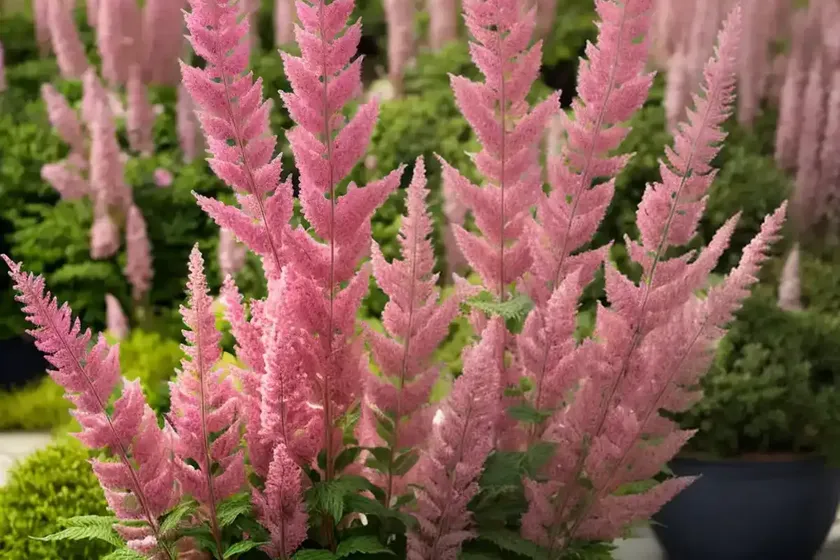
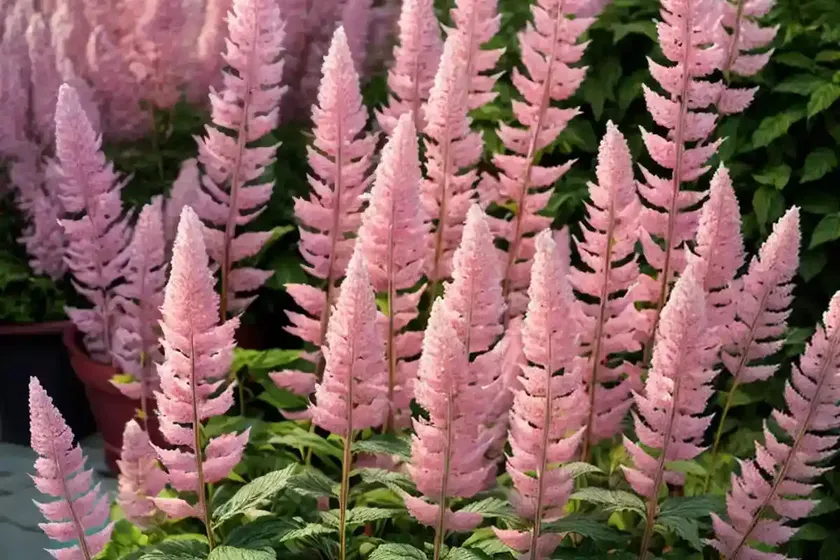
As a plant scientist and enthusiast, I find great joy in exploring the diverse world of flora. In this blog post, I will delve into the captivating realm of Astilbe chinensis var. taquetii ‘Superba’, commonly known as Chinese Astilbe. I will detail its cultural requirements, uses, propagation methods, and essential tips for fostering this enchanting plant. Through this comprehensive guide, I aim to provide invaluable insights into the care and appreciation of this exquisite botanical gem.
What is Astilbe chinensis var. taquetii ‘Superba’?
Astilbe chinensis var. taquetii ‘Superba’ is a perennial flowering plant that belongs to the Saxifragaceae family. Hailing from the woodlands and mountain ravines of East Asia, particularly China and Japan, this species adds a touch of elegance to shaded garden spots with its feathery plumes of colorful flowers.
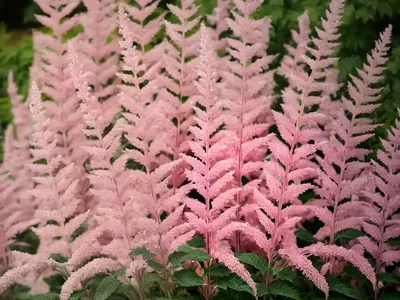
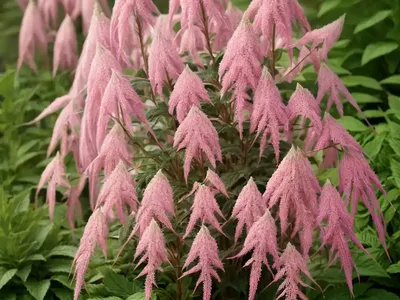
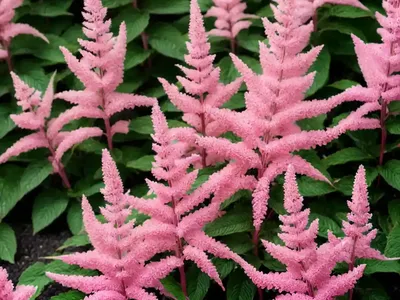
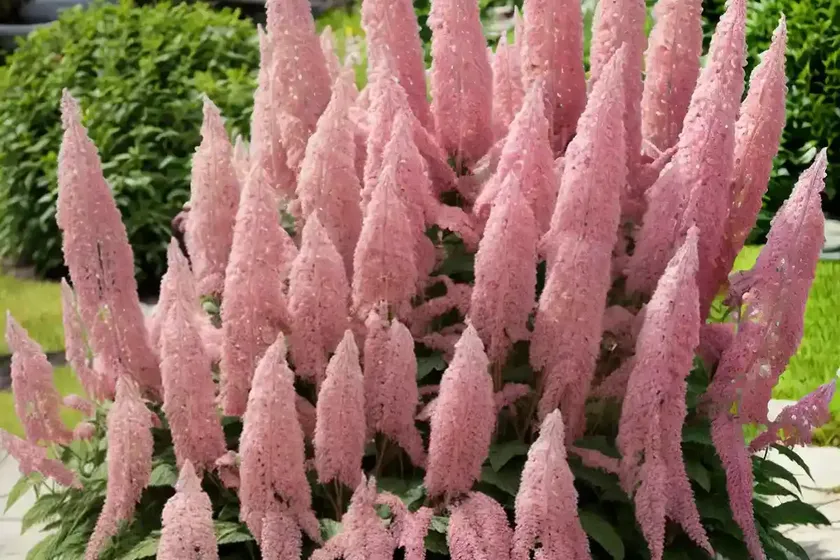
Chinese Astilbe is cherished for its ornamental value, as it produces stunning, fluffy blooms in shades of pink, lavender, and white. Furthermore, its finely divided, lustrous green foliage enhances its visual appeal, making it a popular choice for gardeners seeking to introduce a touch of ethereal beauty to their landscapes.
Key Takeaways – Astilbe chinensis var. taquetii ‘Superba’ (Chinese Astilbe)
Before delving into the specifics of cultivating Astilbe chinensis var. taquetii ‘Superba’, let’s highlight some essential key takeaways about this bewitching plant:
-
Botanical Name: Astilbe chinensis var. taquetii ‘Superba’
-
Common Name: Chinese Astilbe
-
Characteristics: Feathery plumes of colorful flowers in shades of pink, lavender, and white, accompanied by finely divided, lustrous green foliage.
-
Cultural Requirements: Partial shade, moist and well-drained soil, and regular watering.
-
Growth Habit: Clump-forming perennial with a moderate growth rate.
-
Uses: Ideal for shaded garden beds, borders, and woodland landscapes. Also suitable for container gardening.
The allure of Astilbe chinensis var. taquetii ‘Superba’ lies not only in its striking visual charm but also in its adaptability to various garden settings and its relatively low maintenance requirements.
Now, let’s embark on a comprehensive journey through the culture, uses, propagation, and management of Chinese Astilbe.
Culture
Water
Astilbe chinensis var. taquetii ‘Superba’ thrives in consistently moist soil, making adequate watering a crucial aspect of its care. It is essential to ensure that the soil remains evenly moist, especially during the hot summer months. However, while it appreciates moisture, it is crucial to avoid waterlogged conditions, as excessively soggy soil can lead to root rot and other detrimental consequences.
- Recommendation: Regularly monitor the moisture levels of the soil and water accordingly, aiming for consistent but not waterlogged conditions.
Sunlight
In its native habitat, Chinese Astilbe flourishes in partially shaded environments, where it is sheltered from the intense midday sun. When cultivating Astilbe chinensis var. taquetii ‘Superba’ in gardens or landscapes, it is imperative to provide it with similar conditions to ensure optimal growth and prolific flowering.
- Recommendation: Plant Chinese Astilbe in locations that receive dappled sunlight or partial shade, avoiding prolonged exposure to direct sunlight, particularly during the hottest hours of the day.
Uses
Chinese Astilbe is a versatile plant that lends itself to various horticultural applications, enriching outdoor spaces with its enchanting presence. Here are some common uses of Astilbe chinensis var. taquetii ‘Superba’:
-
Shaded Garden Beds: Chinese Astilbe is an excellent choice for adorning shaded garden beds, where its vibrant blooms and lush foliage bring vibrancy and elegance to these often overlooked spaces.
-
Borders and Edges: Its moderate height and dense growth habit make Chinese Astilbe a wonderful candidate for borders and edges, serving as a graceful transition between different plantings.
-
Woodland Landscapes: Given its natural habitat, Chinese Astilbe seamlessly integrates into woodland landscapes, adding a touch of allure amidst native and shade-loving species.
-
Container Gardening: For individuals with limited garden space, Astilbe chinensis var. taquetii ‘Superba’ is well-suited for container gardening, where its captivating appearance can be showcased on patios, balconies, and other outdoor areas.
The versatility of Chinese Astilbe makes it a cherished addition to diverse garden settings, enriching them with its distinct charm and visual appeal.
Fertilizer
While Chinese Astilbe is not overly demanding in terms of fertilization, providing it with a balanced, slow-release fertilizer during the growing season can promote healthy growth and abundant flowering. Opt for a fertilizer with a balanced NPK ratio to provide essential nutrients without promoting excessive foliage growth at the expense of flowers.
- Recommendation: Apply a balanced, slow-release fertilizer in spring, following the manufacturer’s instructions regarding dosage and application frequency.
Soil
The soil requirements of Astilbe chinensis var. taquetii ‘Superba’ are pivotal to its overall health and vitality. It thrives in well-draining, humus-rich soil that retains moisture without becoming waterlogged. Additionally, slightly acidic to neutral soil pH levels are conducive to its growth, ensuring that it can efficiently absorb essential nutrients from the soil.
- Recommendation: Prior to planting, amend the soil with organic matter such as compost or well-rotted manure to enhance its fertility and moisture-retaining capacity.
Pruning
Pruning plays a crucial role in shaping the growth and flowering of Chinese Astilbe, ensuring that it remains vigorous and visually appealing. Here are some essential pruning guidelines for Astilbe chinensis var. taquetii ‘Superba’:
-
Deadheading: Regular deadheading of spent blooms can prolong the flowering period and encourage the development of new flowers.
-
Spring Pruning: In late winter to early spring, remove any dead or damaged foliage and old flower stalks to facilitate the emergence of new growth.
-
Division: Every 3-4 years, consider dividing mature clumps of Astilbe chinensis var. taquetii ‘Superba’ to maintain its vigor and prevent overcrowding.
By adhering to these pruning practices, you can ensure that Chinese Astilbe remains in peak condition, radiating its allure throughout the growing season.
Propagation
The propagation of Astilbe chinensis var. taquetii ‘Superba’ can be achieved through various methods, allowing you to expand your collection or share its beauty with fellow gardening enthusiasts. Here are some effective propagation techniques for Chinese Astilbe:
-
Division: In early spring or late summer, carefully divide established clumps of Chinese Astilbe, ensuring that each division retains sufficient roots and shoots for successful establishment.
-
Seed Propagation: While Chinese Astilbe can be propagated from seed, it is important to note that this method may result in some variability in flower color and other characteristics. If pursuing seed propagation, sow fresh seeds in a well-prepared seedbed and provide the appropriate conditions for germination.
By propagating Astilbe chinensis var. taquetii ‘Superba’, you can expand its presence in your garden or share its beauty with others, further enhancing the appreciation for this captivating plant.
Container Popularity
The versatility and visual charm of Astilbe chinensis var. taquetii ‘Superba’ make it a popular choice for container gardening. Whether placed on shaded patios, balconies, or within garden landscapes, Chinese Astilbe flourishes in containers, adding a touch of elegance to these confined spaces.
-
Container Selection: Choose spacious containers that provide ample room for root development and stability. Additionally, ensure that containers have adequate drainage holes to prevent waterlogging.
-
Potting Mix: Utilize a high-quality, well-draining potting mix that retains moisture without becoming overly compact, providing Chinese Astilbe with the ideal growing medium for container cultivation.
-
Watering: Monitor the moisture levels of the potting mix regularly and water the containerized Astilbe as needed to maintain consistent soil moisture.
By embracing container gardening, you can fully appreciate the allure of Chinese Astilbe within confined outdoor spaces, elevating the aesthetic appeal of your garden and living areas.
Common Diseases
While Chinese Astilbe is relatively resilient, it is susceptible to certain diseases that can impact its vitality and appearance. Understanding these potential ailments and their management is essential for ensuring the long-term health of Astilbe chinensis var. taquetii ‘Superba’.
Disease Diagnosis
-
Powdery Mildew: A common fungal disease that presents as powdery, white spots on the leaf surfaces, often caused by poor air circulation and high humidity. To prevent powdery mildew, promoting good air movement and maintaining appropriate humidity levels is essential.
-
Leaf Spot: Characterized by dark, irregular spots on the leaves, typically caused by excessive moisture or poor air circulation. Enhancing air circulation and avoiding overhead watering can help prevent leaf spot.
-
Crown Rot: This fungal disease affects the crown of the plant, leading to the deterioration of the central growing point. To prevent crown rot, ensure that the soil is well-draining and avoid waterlogged conditions.
By actively monitoring the health of Chinese Astilbe and promptly addressing any signs of disease, you can mitigate the impact of these ailments and preserve the plant’s vigor.
Common Pests
Aphids, spider mites, and nematodes are among the pests that can potentially afflict Astilbe chinensis var. taquetii ‘Superba’, albeit infrequently. Vigilance and prompt intervention are key to managing these pests and preserving the plant’s health and visual appeal.
-
Aphids: These small, pear-shaped insects may congregate on the undersides of leaves, sucking sap and causing leaf distortion. Regularly inspect Chinese Astilbe for aphid infestations and employ appropriate control measures if necessary.
-
Spider Mites: These minuscule pests can cause stippling on the leaves and fine webbing in severe infestations. Maintaining adequate humidity and applying insecticidal soap can help manage spider mite populations.
-
Nematodes: While less common, nematodes can affect the roots of Chinese Astilbe, leading to stunted growth and poor overall health. Implementing soil solarization and crop rotation can help mitigate nematode infestations.
By remaining attentive to the presence of pests and promptly addressing any issues, you can safeguard the vitality of Astilbe chinensis var. taquetii ‘Superba’ and uphold its allure within your garden.
Botanist’s Tips
As a plant scientist with a profound appreciation for Astilbe chinensis var. taquetii ‘Superba’ and botanical diversity, I offer the following tips to help you maximize the potential of this captivating plant:
-
Invest in Quality Plant Stock: When acquiring Chinese Astilbe for your garden, opt for healthy, robust specimens from reputable nurseries or garden centers to ensure their vigor and resilience.
-
Mulch for Moisture Retention: Apply a layer of organic mulch around the base of Chinese Astilbe to conserve soil moisture, suppress weed growth, and protect the roots during fluctuating weather conditions.
-
Monitor Soil Moisture: Regularly assess the moisture levels of the soil, especially during hot and dry periods, and adjust your watering practices to ensure that Chinese Astilbe receives adequate hydration.
-
Grouping and Companion Planting: Consider planting Astilbe chinensis var. taquetii ‘Superba’ alongside other shade-loving perennials and ferns to create a harmonious, visually engaging garden composition.
-
Seasonal Maintenance: Undertake periodic assessments and maintenance tasks throughout the growing season, ensuring that Chinese Astilbe remains vibrant and healthy, free from disease and pest infestations.
Fun Facts
Here are some intriguing and delightful facts about Astilbe chinensis var. taquetii ‘Superba’ to deepen your appreciation for this enchanting plant:
-
Historical Significance: Astilbe derives its name from the Greek words “a” (without) and “stilbe” (brilliance), alluding to the absence of luster in its roots when dried, and is also known as “false goat’s beard.”
-
Symbolism: In the language of flowers, Astilbe is often associated with gratitude, forgiveness, and patience, making it a meaningful choice for bouquets and floral arrangements.
-
Ecological Importance: The feathery blooms of Chinese Astilbe are a valuable source of nectar for pollinators, attracting butterflies, bees, and other beneficial insects to the garden.
-
Cultural Significance: Astilbe has been cultivated in gardens for over two centuries, captivating gardeners with its elegant appearance and enchanting floral displays.
These fascinating insights offer a deeper understanding of the cultural, ecological, and historical significance of Astilbe chinensis var. taquetii ‘Superba’, enriching the tapestry of its allure.
Links to External Resources
For further exploration of Chinese Astilbe and related horticultural topics, I recommend the following resources:
- The American Society of Plant Biologists
- Royal Horticultural Society
- The Plant List
- Missouri Botanical Garden
- University of Florida IFAS Extension
These resources provide valuable insights, research, and expert guidance on plant science and horticultural practices, complementing your journey as a discerning gardener and plant enthusiast.
As we conclude our comprehensive exploration of Astilbe chinensis var. taquetii ‘Superba’ (Chinese Astilbe), I trust that this guide has equipped you with invaluable knowledge and inspiration to foster, appreciate, and revel in the alluring charm of this captivating perennial. May your journey with Chinese Astilbe be filled with blooming beauty and boundless botanical delight!
The blog post provides an in-depth exploration of Astilbe chinensis var. taquetii ‘Superba’ (Chinese Astilbe), encompassing its cultural insights, uses, propagation techniques, and essential care guidelines. From fostering vibrant blooms to addressing potential diseases and pests, the blog post offers a comprehensive resource for both novice and seasoned gardeners. The inclusion of fun facts and botanist’s tips further enriches the reader’s experience while promoting a deeper appreciation for the allure of Chinese Astilbe. The external resource links invite readers to delve into additional horticultural insights and plant science research, fostering ongoing discovery and learning.