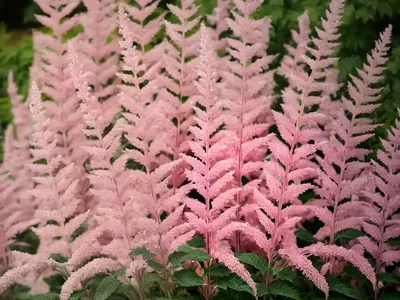
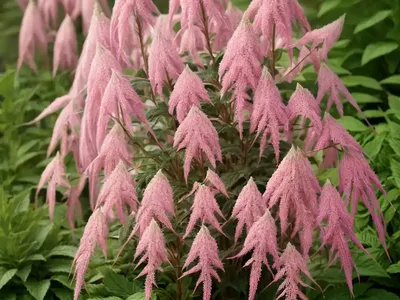
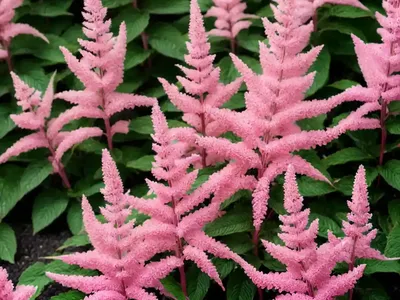
Astilbe Chinensis ‘Maggie Daley’)
Astilbe chinensis ‘Maggie Daley’ is a stunning perennial plant known for its feathery plumes of colorful flowers and attractive foliage. As a plant.
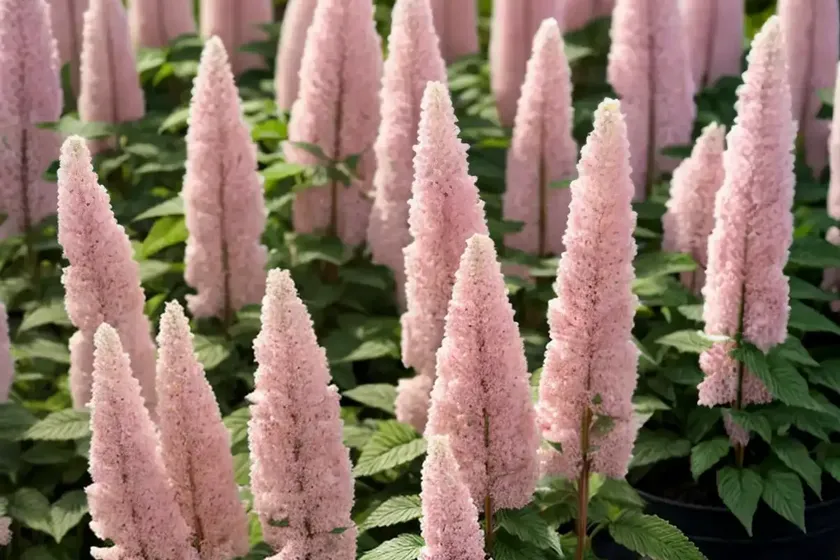
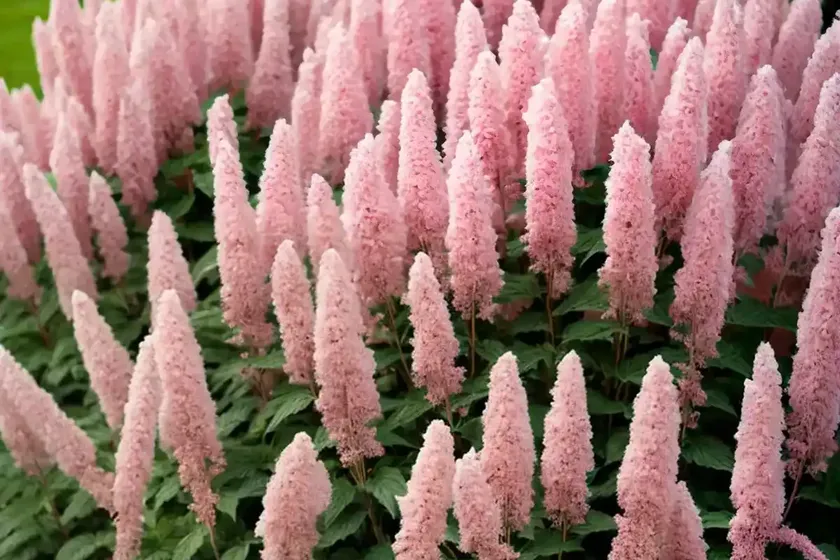
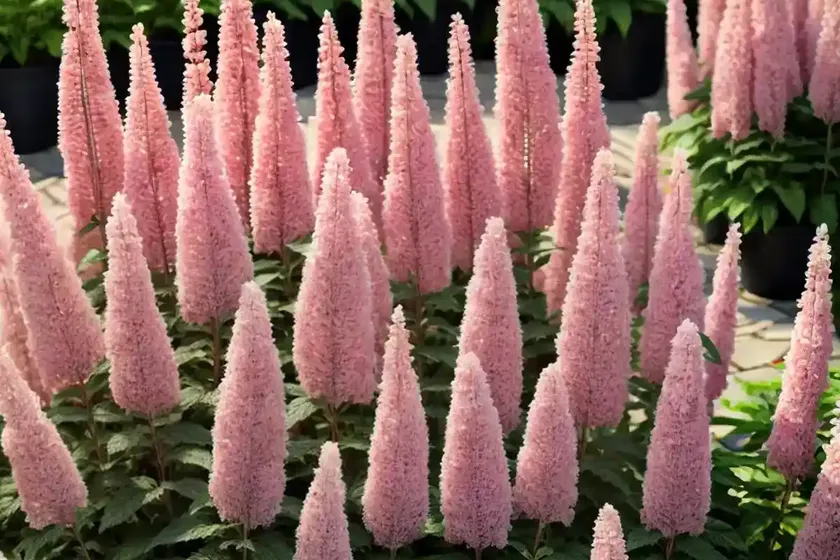
Astilbe chinensis ‘Maggie Daley’ is a stunning perennial plant known for its feathery plumes of colorful flowers and attractive foliage. As a plant scientist, I have researched and studied this species extensively, and in this comprehensive guide, I will provide valuable insights into its characteristics, cultivation, uses, maintenance, and much more. Whether you are a seasoned gardener, a landscaping enthusiast, or someone simply interested in the world of plants, this guide will equip you with the knowledge needed to understand and cultivate Astilbe chinensis ‘Maggie Daley’ successfully.
What is Astilbe chinensis ‘Maggie Daley’?
Astilbe chinensis ‘Maggie Daley’ is a cultivar of the Astilbe chinensis species, which belongs to the Saxifragaceae family. This herbaceous perennial is native to East Asia, particularly China and Korea, where it thrives in moist woodland areas. The plant is valued for its elegant, fern-like foliage and its striking, plume-like flowers that adorn its tall, slender stems.
Key Takeaways
Before delving into the specifics, let’s highlight the key takeaways about Astilbe chinensis ‘Maggie Daley’:
- Plant Name: Astilbe chinensis ‘Maggie Daley’
- Characteristics: Feathery plumes of colorful flowers, attractive foliage
- Cultivation: Well-drained, moist soil; partial to full shade
- Uses: Ornamental plant; ideal for shaded gardens, borders, and woodland areas
- Maintenance: Moderate water needs; requires regular watering to maintain soil moisture
- Propagation: Division of clumps during early spring or fall
- Common Diseases: Susceptible to powdery mildew, bacterial leaf spot, and anthracnose
- Common Pests: Prone to attacks from spider mites and nematodes
- Flowering Period: Late spring to early summer
- Height and Spread: Typically grows to a height of 24-36 inches with a spread of 18-24 inches
Now, let’s embark on a comprehensive journey to explore the various aspects of this exquisite plant, encompassing its culture, uses, maintenance, and more.
Culture of Astilbe chinensis ‘Maggie Daley’
Cultivating Astilbe chinensis ‘Maggie Daley’ requires an understanding of its cultural preferences, including water, sunlight, fertilizer, soil, and pruning requirements.
Water
This plant has moderate water needs and thrives in consistently moist soil. While it is essential to ensure that the soil remains moist, it is equally important to avoid waterlogged conditions that can lead to root rot. Consequently, regular watering, especially during dry periods, is crucial for the optimal growth and flowering of Astilbe chinensis ‘Maggie Daley’.
Sunlight
Astilbe chinensis ‘Maggie Daley’ prefers partial to full shade, making it an excellent choice for shaded gardens and woodland settings. When planted in full sun, the plant may struggle to thrive and can exhibit signs of stress, such as wilting and leaf scorch. Thus, it is advisable to select a location with dappled shade or filtered sunlight to ensure the best performance of this species.
Fertilizer
To support robust growth and prolific flowering, Astilbe chinensis ‘Maggie Daley’ benefits from a balanced, slow-release fertilizer applied in early spring. An organic, all-purpose fertilizer with a formulation of 10-10-10 or similar can provide the necessary nutrients for healthy foliage development and vibrant blooms.
Soil
The ideal soil for Astilbe chinensis ‘Maggie Daley’ is rich, moist, and well-drained. A loamy, humus-rich soil with a slightly acidic to neutral pH (around 5.5 to 6.5) provides an optimal growing medium for this plant. Additionally, incorporating organic matter, such as compost or well-rotted manure, into the soil can enhance its moisture retention and nutrient content, thereby promoting the vigorous growth of Astilbe chinensis ‘Maggie Daley’.
Pruning
Pruning plays a vital role in maintaining the health and appearance of Astilbe chinensis ‘Maggie Daley’. In late fall or early spring, the plant can be pruned to remove spent flower stalks and any damaged or yellowing foliage. This practice not only enhances the plant’s aesthetic appeal but also facilitates new growth and supports the overall vigor of the plant.
Uses of Astilbe chinensis ‘Maggie Daley’
The ornamental value of Astilbe chinensis ‘Maggie Daley’ makes it a versatile addition to various garden settings and landscape designs. Here are some common uses of this captivating plant:
Garden Borders
The feathery plumes of flowers and attractive foliage of Astilbe chinensis ‘Maggie Daley’ make it an ideal choice for border plantings. Its ability to thrive in shaded conditions allows for the creation of visually striking borders in areas that receive minimal direct sunlight.
Woodland Gardens
In woodland gardens or shaded landscapes, where sunlight may be limited, Astilbe chinensis ‘Maggie Daley’ can serve as a dynamic plant to add color and texture. Its adaptability to partial shade and moist soil makes it a valuable component in creating enchanting woodland displays.
Container Gardening
While Astilbe chinensis ‘Maggie Daley’ is commonly planted directly in the ground, it can also be grown in containers, allowing individuals with limited garden space to enjoy its beauty. When selecting containers, it is essential to choose ones that provide adequate drainage and are large enough to accommodate the plant’s root system.
Propagation of Astilbe chinensis ‘Maggie Daley’
Propagating Astilbe chinensis ‘Maggie Daley’ can be achieved through division, a common method used to proliferate this species and maintain its vitality. Here are some tips for successful propagation:
- Division: Divide clumps of Astilbe chinensis ‘Maggie Daley’ during the early spring or fall. Carefully lift the plant and separate the clumps into smaller sections, each containing a healthy portion of roots and foliage. Replant the divided sections in prepared soil, ensuring adequate moisture and protection from direct sunlight.
Popularity of Astilbe chinensis ‘Maggie Daley’
Astilbe chinensis ‘Maggie Daley’ is a popular choice among gardeners and landscapers for several compelling reasons:
- Alluring Flowers: The stunning, feathery flower plumes of Astilbe chinensis ‘Maggie Daley’ add a touch of elegance to any garden or landscape.
- Shade Tolerance: Its preference for partial to full shade makes it a valuable option for areas with limited sunlight, where other plants may struggle to thrive.
- Versatile Use: From garden borders to woodland settings, Astilbe chinensis ‘Maggie Daley’ offers versatility in its placement and can enhance various types of landscapes.
- Low Maintenance: Once established in suitable growing conditions, this species requires minimal maintenance, making it an attractive choice for busy gardeners seeking effortless beauty.
Common Diseases of Astilbe chinensis ‘Maggie Daley’
While Astilbe chinensis ‘Maggie Daley’ is generally robust, it is susceptible to certain diseases that can affect its health and appearance. Understanding these common diseases and adopting preventive measures is crucial for safeguarding the well-being of the plant.
Disease Diagnosis
Several common diseases that can affect Astilbe chinensis ‘Maggie Daley’ include:
- Powdery Mildew: This fungal disease often manifests as a powdery, white coating on the foliage of the plant, leading to leaf distortion and reduced vigor.
- Bacterial Leaf Spot: Characterized by the presence of dark, water-soaked spots on the leaves, this bacterial infection can cause significant damage if left untreated.
- Anthracnose: Anthracnose can cause dark, sunken lesions on the leaves and stems of the plant, potentially leading to defoliation and weakened growth.
Common Pests
In addition to diseases, Astilbe chinensis ‘Maggie Daley’ may also be vulnerable to attacks from certain pests, including:
- Spider Mites: These tiny arachnids can infest the plant, causing stippling and discoloration of the leaves as they feed on plant sap.
- Nematodes: Nematodes are microscopic roundworms that can inhabit the soil and feed on the roots of Astilbe chinensis ‘Maggie Daley’, potentially leading to stunted growth and decline.
Botanist’s Tips for Growing Astilbe chinensis ‘Maggie Daley’
As a plant scientist, I offer the following expert tips for successfully growing and caring for Astilbe chinensis ‘Maggie Daley’:
- Optimal Growing Conditions: Provide well-drained, moisture-retentive soil with adequate organic matter in a partially shaded location to create an ideal environment for the plant.
- Regular Watering: Maintain consistent soil moisture by watering regularly, especially during dry spells, while avoiding waterlogging.
- Appropriate Pruning: Prune the plant in late fall or early spring to remove spent flower stalks and any damaged foliage, promoting a tidy appearance and encouraging new growth.
Fun Facts About Astilbe chinensis ‘Maggie Daley’
To further appreciate the allure of Astilbe chinensis ‘Maggie Daley’, here are some intriguing and delightful fun facts about this captivating plant:
- The genus name “Astilbe” is derived from the Greek words “a-” (without) and “stilbe” (brightness), alluding to the fact that the plant’s roots were historically used to reduce the brightness or glare of gas lamps.
- Astilbe chinensis ‘Maggie Daley’ is a pollinator-friendly plant, attracting bees, butterflies, and other beneficial insects with its vibrant flowers.
- As an ornamental foliage plant, this species offers a captivating display of colors, with varieties featuring lush green, bronze, and reddish hues in their foliage.
Links to External Resources
For further information on Astilbe chinensis ‘Maggie Daley’ and related topics, I recommend exploring the following external resources:
- The Royal Horticultural Society (RHS) – Astilbe Cultivation Guide
- University of Maryland Extension – Selecting Perennials for Shady Areas
- The American Phytopathological Society – Plant Disease Information
In conclusion, Astilbe chinensis ‘Maggie Daley’ stands as a captivating and versatile plant, enriching gardens and landscapes with its graceful presence. By understanding its cultural needs, uses, and potential challenges, individuals can cultivate and appreciate this remarkable species to its fullest potential. Whether as a border plant, a woodland garden feature, or a container display, the allure of Astilbe chinensis ‘Maggie Daley’ is undeniable, offering a wealth of beauty and charm to any setting it embellishes.