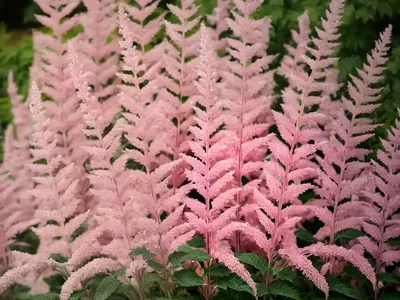
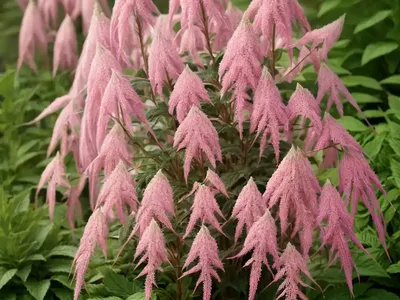
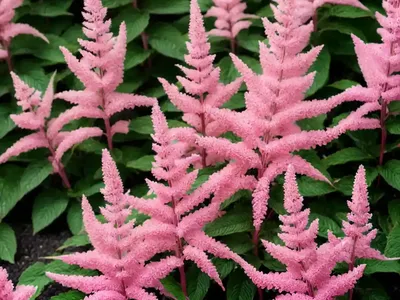
Astilbe Chinensis ‘Vision In White’ (Chinese Astilbe)
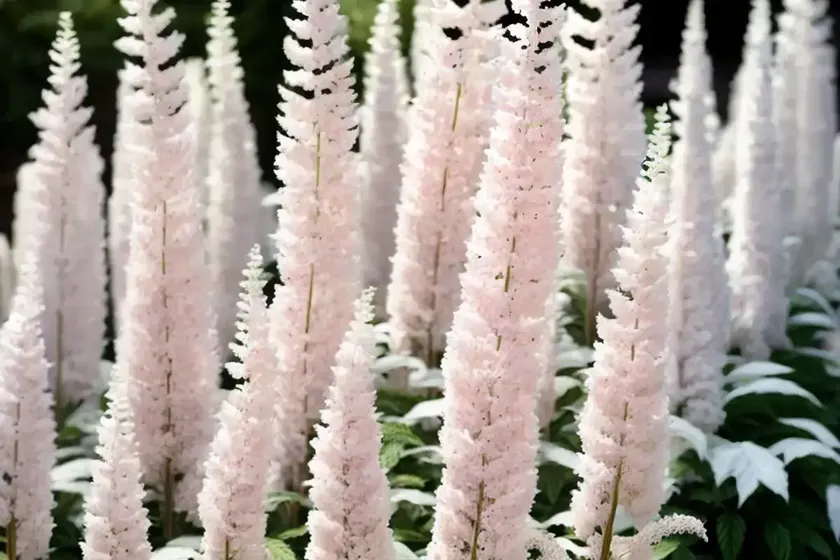
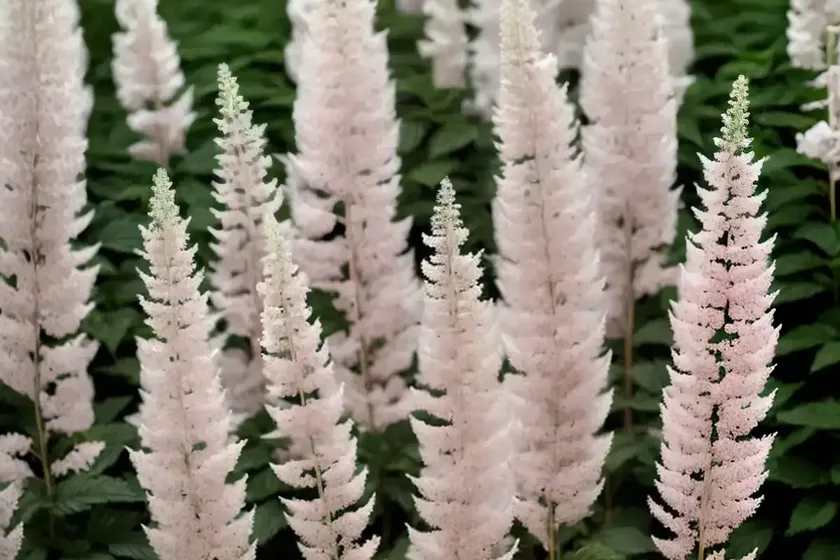
Astilbe chinensis ‘Vision in White’ is a beautiful and popular perennial plant known for its feathery plumes of delicate white flowers and attractive.
Introduction
Astilbe chinensis ‘Vision in White’ is a beautiful and popular perennial plant known for its feathery plumes of delicate white flowers and attractive foliage. This Chinese Astilbe variety is a beloved choice for shaded garden areas and has become a favorite among landscapers and gardening enthusiasts. In this comprehensive guide, we will delve into the various aspects of caring for Astilbe chinensis ‘Vision in White’, covering its cultural requirements, uses, maintenance tips, and much more. Whether you are already growing this plant in your garden or are considering adding it to your landscape, this guide will provide you with all the essential information to ensure successful cultivation and enjoyment of this stunning plant.
What is Astilbe Chinensis ‘Vision in White’?
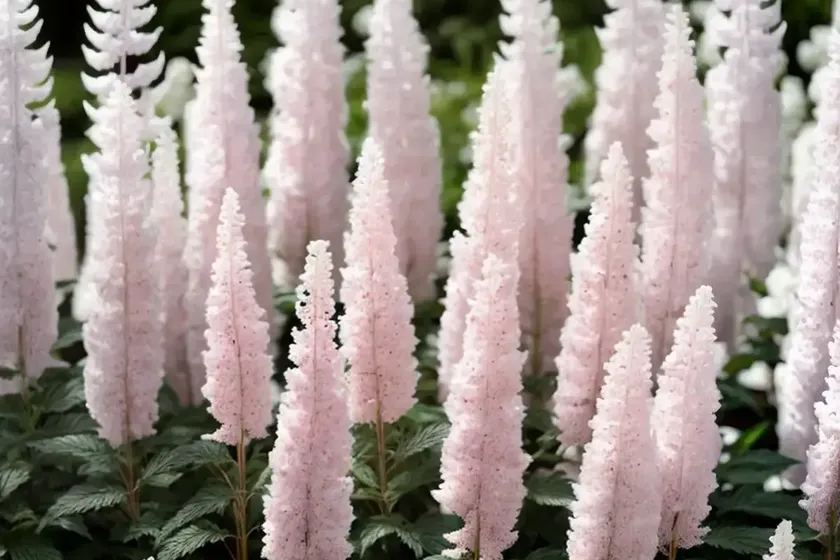
Astilbe chinensis, commonly known as Chinese Astilbe, belongs to the Saxifragaceae family and is native to Asia. Within the Astilbe genus, there are numerous species and cultivars, each offering unique attributes in terms of color, size, and bloom time. Astilbe chinensis ‘Vision in White’ is a specific variety valued for its elegant, upright plumes of creamy white flowers that rise above its attractive, deeply-lobed, and glossy green foliage. This plant typically reaches a height of 18-24 inches and spreads to form attractive clumps, making it an excellent choice for borders, woodland gardens, and shaded landscapes.
Key Takeaways – Astilbe chinensis ‘Vision in White’ (Chinese Astilbe)
Culture
- Hardiness Zones: Astilbe chinensis ‘Vision in White’ is well-suited for hardiness zones 4-8, thriving in cooler climates with mild summers.
- Growth Habit: Compact and clump-forming, with erect flower stems that provide a vertical element in the garden.
- Seasonality: The flowering season for Chinese Astilbe typically occurs in late spring to early summer, showcasing its stunning plumes of white blossoms.
- Foliage Color: The glossy green foliage of Astilbe chinensis ‘Vision in White’ adds to its appeal, providing a vibrant backdrop to its creamy white flowers.
Uses
- Landscape Borders: This variety is an excellent choice for creating defined borders and edging due to its compact growth habit and attractive flowers.
- Woodland Gardens: Due to its shade tolerance and elegant appearance, Chinese Astilbe is often incorporated into woodland and shade gardens, adding a touch of charm and grace.
- Container Gardening: While Chinese Astilbe is primarily known as a garden plant, it can also be grown in containers, making it a versatile option for balcony or patio gardens.
Water
- Watering Needs: Astilbe chinensis ‘Vision in White’ prefers consistently moist soil and will benefit from regular watering, especially during dry periods.
Sunlight
- Sunlight Preferences: This plant thrives in partial to full shade, making it an ideal choice for areas with limited direct sunlight.
Fertilizer
- Fertilization: Applying a balanced, slow-release fertilizer in spring will support the healthy growth and abundant flowering of Chinese Astilbe.
Soil
- Soil Requirements: Well-drained, humus-rich soil is essential for the successful cultivation of Astilbe chinensis ‘Vision in White’, and adding organic matter can further enhance soil quality.
Pruning
- Pruning Tips: Deadheading spent blooms and removing any damaged or unsightly foliage can help maintain the plant’s appearance and encourage continued flowering.
Propagation
- Propagation Methods: Division is the primary method of propagating Astilbe chinensis ‘Vision in White’, and this is best carried out in spring or fall.
Container Popularity
- Container Gardening: While Chinese Astilbe is primarily known as a garden plant, it can also be grown in containers, providing opportunities for creative and versatile gardening displays.
Common Diseases
- Disease Susceptibility: While generally resilient, Astilbe chinensis ‘Vision in White’ may be susceptible to certain diseases and pests if grown in unfavorable conditions.
Disease Diagnosis
- Identifying Issues: Understanding common diseases and their symptoms is essential for effectively diagnosing and addressing any potential issues that may arise when growing Chinese Astilbe.
Common Pests
- Pest Vulnerability: Various pests, such as aphids and spider mites, can pose a threat to Chinese Astilbe, and being vigilant is key to preventing infestations.
Botanist’s Tips
- Expert Recommendations: Insights and recommendations from botanists and horticultural experts can provide valuable guidance for optimizing the growth and care of Astilbe chinensis ‘Vision in White’.
Fun Facts
- Intriguing Tidbits: Exploring the unique and interesting aspects of Chinese Astilbe, from its natural habitat to its cultural significance, can deepen one’s appreciation for this captivating plant.
Now that we have covered the key takeaways, let’s delve deeper into each of these aspects to provide a comprehensive understanding of caring for Astilbe chinensis ‘Vision in White’.
Culture of Astilbe Chinensis ‘Vision in White’
Hardiness Zones and Climate
Astilbe chinensis ‘Vision in White’ thrives in cool or mild climates and is best suited for hardiness zones 4-8. This makes it an excellent choice for gardens in regions with relatively cooler summers, where it can flourish without being adversely affected by excessive heat.
Growth Habit and Size
The growth habit of Chinese Astilbe is characterized by its compact and clump-forming nature. It typically reaches a height of 18-24 inches, with a slightly smaller spread. The upright and elegant flower stems provide a vertical accent in the garden, making it an eye-catching addition to borders and landscape beds.
Seasonality and Flowering
The flowering season for Astilbe chinensis ‘Vision in White’ usually occurs in late spring to early summer. During this time, the plant produces magnificent plumes of creamy white flowers, creating a striking visual display that adds a touch of elegance to the garden. The contrast between the delicate blooms and the deep green foliage further enhances the plant’s appeal.
Foliage Color and Texture
The glossy green foliage of Chinese Astilbe serves as an attractive backdrop to the stunning white flowers. The deeply lobed leaves add texture and vibrancy to the plant, contributing to its overall aesthetic appeal. During the non-flowering periods, the foliage remains visually appealing, ensuring that the plant maintains its charm throughout the growing season.
Uses of Astilbe Chinensis ‘Vision in White’
Landscape Borders and Edging
The compact growth habit and striking flowers of Astilbe chinensis ‘Vision in White’ make it an excellent choice for creating defined borders and edging in the garden. Whether used as a standalone border plant or combined with other perennials, this variety adds a touch of sophistication and visual interest to garden beds and pathways.
Woodland and Shade Gardens
One of the standout features of Chinese Astilbe is its shade tolerance, which makes it a sought-after plant for woodland and shade gardens. Its ability to thrive in dappled or partial shade positions it as a valuable addition to areas where many other plants struggle. The delicate beauty of its flowers and foliage lends a sense of grace and charm to shaded landscapes.
Container Gardening
While Chinese Astilbe is predominantly known for its role in traditional garden settings, it also has considerable potential as a container plant. This versatility opens up opportunities for creative displays on patios, balconies, and other outdoor areas, allowing gardening enthusiasts to appreciate its beauty in various settings.
Watering Needs of Astilbe Chinensis ‘Vision in White’
Moisture Requirements
Astilbe chinensis ‘Vision in White’ requires consistently moist soil to thrive, making regular watering an essential aspect of its care. In particular, during dry periods or prolonged periods of low rainfall, it is important to ensure that the plant’s moisture needs are met to support healthy growth and flowering.
Soil Moisture Management
To maintain optimal soil moisture levels, regular monitoring of the soil’s moisture content is advised. This can be achieved by conducting manual checks or by using moisture meters to assess the moisture levels within the root zone. Adjusting the frequency and intensity of watering based on the specific needs of the plant and existing environmental conditions is crucial for sustaining its vigor.
Sunlight Preferences for Astilbe Chinensis ‘Vision in White’
Shade Tolerance
Chinese Astilbe exhibits a preference for partial to full shade, distinguishing it as a shade-loving plant that excels in environments where direct sunlight is limited. This characteristic makes it an attractive choice for shaded and woodland settings, contributing to the diversity of plant species that can thrive in such conditions.
Sunlight Exposure Considerations
When selecting planting sites for Astilbe chinensis ‘Vision in White’, it is important to consider the sunlight exposure and ensure that it aligns with the plant’s shade preferences. By providing the appropriate levels of shade, gardeners can create favorable conditions for the plant’s growth and flowering, maximizing its ornamental value within the landscape.
Fertilizer Application for Astilbe Chinensis ‘Vision in White’
Fertilization Timing
To support the healthy growth and abundant flowering of Chinese Astilbe, applying a balanced, slow-release fertilizer in spring is recommended. This timing aligns with the plant’s active growth phase and provides the necessary nutrients to facilitate robust development and the production of beautiful blooms.
Nutrient Requirements
The fertilizer used should ideally contain a balanced blend of essential nutrients, including nitrogen (N), phosphorus (P), and potassium (K), to address the specific nutritional needs of Astilbe chinensis ‘Vision in White’. By providing the appropriate nutrients in a readily available form, the plant can achieve optimal growth and flowering performance.
Soil Requirements for Astilbe Chinensis ‘Vision in White’
Soil Composition
Well-drained, humus-rich soil is essential for the successful cultivation of Astilbe chinensis ‘Vision in White’. This type of soil provides the necessary structure and moisture retention capabilities to support the plant’s root development and ensure overall soil health. The presence of organic matter contributes to soil fertility and enhances its texture and nutrient-holding capacity.
Organic Matter Enrichment
Incorporating organic matter, such as compost or well-rotted manure, into the soil can significantly improve its quality and create an environment conducive to the growth of Chinese Astilbe. This practice enhances soil fertility, promotes beneficial microbial activity, and enhances the soil’s ability to support plant growth.
Pruning Tips for Astilbe Chinensis ‘Vision in White’
Deadheading Spent Blooms
Regular deadheading of spent blooms can help maintain the appearance of Astilbe chinensis ‘Vision in White’ and encourage prolonged flowering. By removing faded flowers, the plant’s energy is directed towards producing new blooms, contributing to a continued display of its elegant plumes.
Foliage Maintenance
In addition to deadheading, removing any damaged, discolored, or unsightly foliage can enhance the overall aesthetics of the plant. This practice also helps promote air circulation around the foliage, reducing the risk of disease development and maintaining the plant’s vigor.
Propagation Methods for Astilbe Chinensis ‘Vision in White’
Division
Division is the primary method of propagating Astilbe chinensis ‘Vision in White’ and is typically carried out in spring or fall. This process involves separating established clumps of the plant into smaller sections, each containing roots and shoots, which can then be replanted to establish new plants.
Propagation Considerations
When dividing Chinese Astilbe, it is important to ensure that each propagated section has sufficient root mass and shoot growth to support its establishment as an independent plant. Additionally, providing appropriate growing conditions, such as adequate moisture and shade, is crucial for the successful rooting and growth of propagated divisions.
Container Popularity of Astilbe Chinensis ‘Vision in White’
Versatility in Container Gardening
While Chinese Astilbe is primarily recognized as a garden plant, it also offers considerable potential for container gardening. This versatility allows gardening enthusiasts to integrate the plant into various container displays, including mixed plantings and ornamental arrangements, showcasing its beauty in alternative settings.
Container Selection
When choosing containers for growing Astilbe chinensis ‘Vision in White’, it is important to select vessels that provide adequate space for root development and moisture retention. Containers with drainage holes are essential for preventing waterlogging and ensuring proper aeration of the root zone, thereby promoting healthy growth of the plant.
Common Diseases Affecting Astilbe Chinensis ‘Vision in White’
Disease Susceptibility
While generally resilient, Astilbe chinensis ‘Vision in White’ may be susceptible to certain diseases, especially when grown in unfavorable conditions. Recognizing common diseases and understanding their causes and symptoms is crucial for effectively managing and mitigating potential disease issues.
Disease Prevention and Management
Implementing preventive measures, such as providing proper cultural care, optimizing growing conditions, and selecting disease-resistant cultivars, contributes to reducing the likelihood of disease development in Chinese Astilbe. Additionally, early detection and prompt intervention are vital for effectively managing diseases and minimizing their impact on plant health.
Disease Diagnosis for Astilbe Chinensis ‘Vision in White’
Symptom Recognition
Recognizing the characteristic symptoms associated with common diseases affecting Astilbe chinensis ‘Vision in White’ is essential for accurately diagnosing potential issues. Symptoms may include leaf discoloration, wilting, spotting, and abnormal growth patterns, among others, and their presence can indicate specific disease problems.
Diagnostic Approaches
Utilizing appropriate diagnostic tools and techniques, such as visual inspections, symptom analysis, and laboratory tests, can aid in identifying the underlying causes of observed abnormalities in Chinese Astilbe. This proactive approach facilitates timely diagnosis and targeted management strategies for addressing identified diseases.
Common Pests Affecting Astilbe Chinensis ‘Vision in White’
Pest Vulnerability
Chinese Astilbe may be vulnerable to infestations by various pests, including aphids, spider mites, and slugs, among others. Monitoring the plant for signs of pest activity and intervening when necessary are essential for preventing pest-related damage and preserving the plant’s health and aesthetics.
Pest Identification and Monitoring
Acquiring knowledge of common pests affecting Astilbe chinensis ‘Vision in White and their distinguishing characteristics enables gardeners to effectively identify pest infestations and initiate appropriate control measures. Regular monitoring of the plant and its surroundings enhances early pest detection and intervention.
Botanist’s Tips for Caring for Astilbe Chinensis ‘Vision in White’
Expert Recommendations
Drawing on insights and recommendations from botanists, horticulturists, and plant care experts can provide valuable guidance for optimizing the growth and care of Astilbe chinensis ‘Vision in White’. Expert advice can encompass various aspects of plant care, including cultivation, maintenance, and troubleshooting, ensuring well-informed and effective plant management practices.
Horticultural Guidance
Skilled advice from botanists and horticultural specialists assists in addressing specific challenges and maximizing the ornamental potential and health of Astilbe chinensis ‘Vision in White’. By leveraging expert knowledge, gardeners and plant enthusiasts can enhance their understanding of the plant’s needs and cultivate it with greater success.
Fun Facts about Astilbe Chinensis ‘Vision in White’
Environmental Significance
Exploring the natural habitat and ecological role of Chinese Astilbe can provide intriguing insights into its native environment and the interactions between the plant and local wildlife. Understanding the plant’s place within its natural ecosystem contributes to a deeper appreciation of its ecological significance.
Culturally Significant Uses
Beyond its ornamental value, Astilbe chinensis ‘Vision in White’ may hold cultural significance, with historical and traditional uses that enrich its overall appeal. Discovering unique cultural connections and uses of the plant adds depth to its narrative and enhances its symbolic and historical relevance.
Now that we have explored the key aspects of caring for Astilbe chinensis ‘Vision in White’, from its cultural requirements to its uses and maintenance tips, let’s delve into additional details that further enrich our understanding of this captivating plant.
Astilbe Chinensis ‘Vision in White’: Plant Profile
Characteristics
- Botanical Name: Astilbe chinensis ‘Vision in White’
- Common Name: Chinese Astilbe
- Bloom Color: Creamy white
- Foliage Type: Deciduous
- Growth Habit: Compact, clump-forming
- Mature Height: 18-24 inches
- Sunlight: Partial to full shade preferred
- Water Needs: Consistently moist soil required
- Hardiness Zones: 4-8
Planting Tips for Astilbe Chinensis ‘Vision in White’
When planting Astilbe chinensis ‘Vision in White’, certain considerations can enhance the establishment and long-term growth of the plant.
Soil Requirements
- Prioritize well-drained, humus-rich soil for optimal growth and development.
- Incorporate organic matter into the soil to improve its structure and fertility.
Sunlight Preferences
- Select partial to full shade locations to accommodate the plant’s preference for limited direct sunlight.
Watering Needs
- Commit to maintaining consistently moist soil to support the plant’s moisture requirements.
Maintenance Tips for Astilbe Chinensis ‘Vision in White’
To sustain the health and ornamental appeal of Chinese Astilbe, implementing effective maintenance practices is essential.
Deadheading and Pruning
- Regularly remove spent blooms and damaged foliage to maintain the plant’s appearance and encourage ongoing flowering.
Fertilization
- Apply a balanced, slow-release fertilizer in spring to provide essential nutrients for robust growth and abundant flowering.
Pest and Disease Management
- Monitor for pest activity and signs of disease, intervening promptly to address potential issues and safeguard plant health.
Growing Astilbe Chinensis ‘Vision in White’
Cultivation Guide
To successfully grow Astilbe chinensis ‘Vision in White’, following a comprehensive cultivation guide can contribute to the plant’s overall health and aesthetic appeal.
Proper Planting Techniques
- Ensure proper planting depth and spacing to facilitate optimal growth and establishment of new Chinese Astilbe specimens.
Soil Preparation
- Preparing the soil with adequate organic matter and ensuring proper drainage is crucial to create favorable growing conditions for the plant.
Watering Schedule
- Implementing a consistent watering schedule to maintain soil moisture is essential for sustained growth and flowering.
Mulching Practices
- Applying a layer of organic mulch around the base of the plant aids in moisture retention and weed suppression, promoting overall plant health.
Chinese Astilbe Varieties and Comparative Analysis
Varietal Diversity
Within the Astilbe genus, there exists a diversity of species and cultivars, each offering unique characteristics and ornamental attributes.
Comparative Assessment
- Comparing the distinct features, such as bloom color, mature size, and growth habit, across different Astilbe varieties enhances the selection process for gardeners and landscapers.
Companion Planting Considerations
- Exploring combinations of various Astilbe cultivars and compatible companion plants presents opportunities for creating visually appealing and ecologically beneficial garden landscapes.
Chinese Astilbe Soil Requirements
Soil Management Strategies
Managing soil conditions to meet the specific requirements of Chinese Astilbe is essential for fostering a nurturing environment for the plant’s growth.
Optimal pH Range
- Maintaining a slightly acidic to neutral pH range in the soil supports the plant’s nutrient uptake and overall vitality.
Drainage Considerations
- Ensuring effective soil drainage prevents waterlogging and root rot,