Ming Fern (Asparagus Myriocladus)
As a plant scientist, I’m excited to share insights about a fascinating and versatile plant known as the Ming Fern (Asparagus Myriocladus). In this.
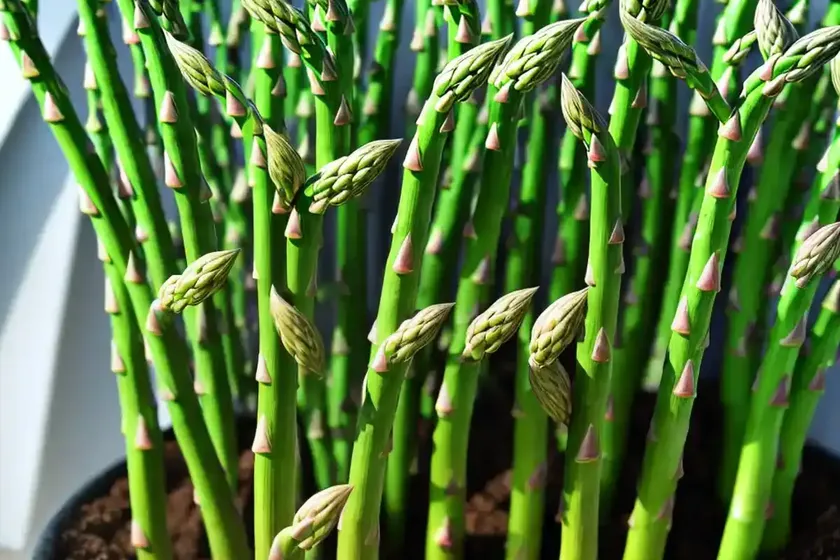
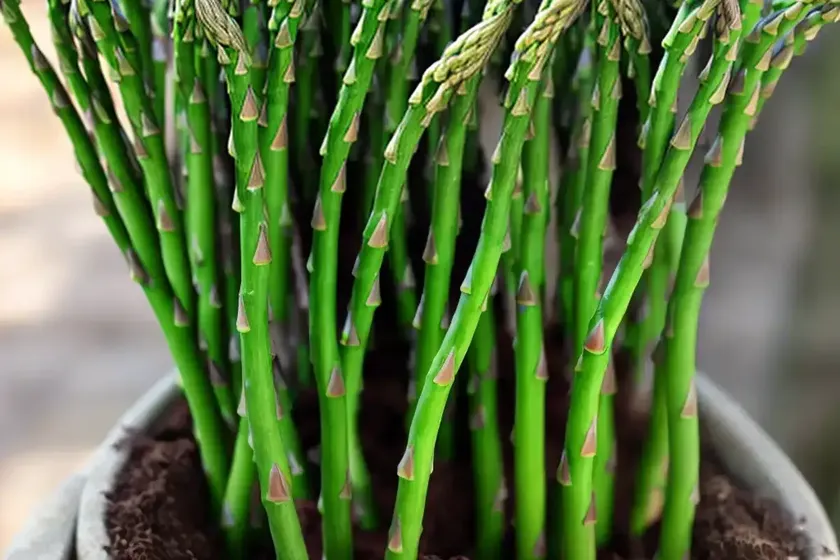
As a plant scientist, I’m excited to share insights about a fascinating and versatile plant known as the Ming Fern (Asparagus Myriocladus). In this comprehensive guide, we will explore the culture, uses, care tips, and much more about the Ming Fern. From its propagation to common diseases and pests, every aspect will be covered to help you understand and care for this remarkable plant.
What is the Ming Fern (Asparagus Myriocladus)?
The Ming Fern, scientifically referred to as Asparagus Myriocladus, is a species of asparagus fern native to South Africa. It is a visually appealing and versatile plant that has gained popularity for its elegant, feathery foliage and its adaptability to various growing conditions. The Ming Fern belongs to the family Asparagaceae and is known for its delicate appearance, making it a favorite for indoor and outdoor ornamental use.
Key Takeaways – Ming Fern (Asparagus Myriocladus)
Before we delve into the specifics of caring for the Ming Fern, let’s outline some key takeaways about this fascinating plant:
- Scientific Name: Asparagus Myriocladus
- Common Name: Ming Fern
- Genus: Asparagus
- Family: Asparagaceae
- Native Habitat: South Africa
- Uses: Ornamental, Decoration
- Attributes: Feathery Foliage, Air Purification Abilities
- Growth Rate: Moderate
- Cultural Requirements: Low maintenance, Adaptability to Indoor and Outdoor Conditions
Now that we have a basic understanding of the Ming Fern, let’s explore each aspect of its care and cultivation in detail.
Culture
Understanding the cultural requirements of the Ming Fern is essential for ensuring its healthy growth and development. This includes aspects such as water, sunlight, fertilizer, soil, pruning, and propagation.
Water
- Frequency: The Ming Fern prefers evenly moist soil, so it’s essential to water it whenever the top inch of the soil feels dry to the touch.
- Avoid Overwatering: While the plant appreciates consistent moisture, it’s important to prevent waterlogging, which can lead to root rot.
- Watering Technique: Water the plant thoroughly, allowing excess water to drain from the pot’s drainage holes. Empty the saucer to prevent the plant from sitting in standing water.
Sunlight
- Light Requirements: The Ming Fern thrives in bright, indirect light. It can also tolerate some morning sun, but it should be protected from harsh afternoon sunlight.
- Low Light Tolerance: This plant can adapt to lower light conditions, making it suitable for indoor environments with moderate light levels.
Fertilizer
- Fertilization Schedule: During the growing season (spring and summer), feed the Ming Fern with a balanced liquid fertilizer diluted to half the recommended strength every two to four weeks.
- Winter Fertilization: Reduce fertilization in the winter months when the plant’s growth slows down.
Soil
- Well-Draining Mix: Plant the Ming Fern in a well-draining potting mix to prevent waterlogging and promote healthy root development.
- Acidic Soil: The plant benefits from slightly acidic soil with a pH level ranging from 5.5 to 6.5.
Pruning
- Maintenance Pruning: Trim any yellow or brown fronds to maintain the plant’s appearance and encourage new growth.
- Rejuvenation Pruning: If the plant becomes leggy, consider cutting it back to promote denser foliage.
Propagation
- Division: The Ming Fern can be propagated through division, where the root ball is carefully separated into smaller sections, each containing several stems and roots.
- Propagation Medium: Place the divided sections in a well-draining potting mix and keep them consistently moist until new growth emerges.
Uses
The Ming Fern holds significant decorative and ornamental value, making it a popular choice for various uses both indoors and outdoors.
- Indoor Ornamental Plant: The delicate, feathery foliage of the Ming Fern adds a touch of elegance to indoor spaces. It is commonly used in homes, offices, and other interior settings to bring a refreshing green accent.
- Outdoor Ornamental Plant: In suitable climates, the Ming Fern can be grown outdoors in shaded or partially shaded areas, where it contributes to lush, green landscapes and garden beds.
Water
Understanding the specific water requirements of the Ming Fern is crucial for maintaining its health and vigor.
- Consistent Moisture: Ming Fern thrives in consistently moist soil, but it’s important to avoid waterlogging, which can lead to root rot.
- Watering Schedule: Check the top inch of the soil for dryness, and water the plant thoroughly when needed. Allow excess water to drain from the pot, and empty the saucer to prevent water accumulation.
Sunlight
Proper sunlight exposure is essential for the Ming Fern’s growth and overall well-being.
- Preference for Indirect Light: The Ming Fern thrives in bright, indirect light, making it suitable for locations with ample natural light but without direct sun exposure.
- Low Light Tolerance: It can adapt to lower light conditions, making it a versatile option for shaded areas indoors.
Fertilizer
Feeding the Ming Fern with the right nutrients is necessary for sustaining its growth and vitality.
- Balanced Fertilizer: Use a balanced liquid fertilizer diluted to half the recommended strength during the growing season (spring and summer) every two to four weeks.
- Winter Fertilization: Reduce fertilization during the plant’s dormant period in the winter months.
Soil
The right soil composition is essential for providing the Ming Fern with a conducive growing environment.
- Well-Draining Mix: Use a well-draining potting mix to prevent waterlogging and ensure proper aeration for the plant’s roots.
- Acidic Soil Preference: Ming Fern benefits from slightly acidic soil with a pH range of 5.5 to 6.5.
Pruning
Pruning the Ming Fern helps maintain its appearance and promotes healthy growth.
- Maintenance Pruning: Regularly remove any yellow or brown fronds to keep the plant looking neat and encourage new growth.
- Rejuvenation Pruning: If the plant becomes leggy, consider cutting it back to stimulate denser foliage and a more compact growth habit.
Propagation
Propagating the Ming Fern allows for the expansion of its presence in your indoor or outdoor spaces.
- Division: Divide the root ball of the Ming Fern into smaller sections, each containing several stems and roots, and plant them in separate containers or areas.
- Propagation Medium: Place the divided sections in a well-draining potting mix and ensure consistent moisture until new growth emerges.
Container Popularity
The Ming Fern’s adaptability to container growing makes it a popular choice for indoor and outdoor container gardening.
Indoor Containers
- Decorative Accent: When grown in containers, Ming Fern serves as a decorative accent for indoor settings, such as living rooms, offices, and lobbies.
- Hanging Baskets: Its gracefully arching foliage makes it an ideal candidate for hanging baskets, adding a touch of greenery to elevated spaces.
Outdoor Containers
- Patio and Balcony Use: In outdoor containers, Ming Fern can be displayed on patios, balconies, and terraces, contributing to a lush and inviting outdoor ambiance.
Common Diseases
Like any plant, the Ming Fern is susceptible to certain diseases that can impact its health and appearance.
Disease Diagnosis
- Root Rot: Overly wet conditions can lead to root rot, causing the plant’s roots to become mushy and discolored.
- Fungal Diseases: Inadequate air circulation and overly moist conditions can lead to fungal diseases, which manifest as spots or lesions on the foliage.
Disease Prevention
- Proper Watering: Maintain proper watering practices to prevent waterlogging and minimize the risk of root rot.
- Good Air Circulation: Ensure adequate ventilation and airflow around the plant to reduce the likelihood of fungal diseases.
Common Pests
Pest infestations can pose a threat to the Ming Fern’s well-being, requiring prompt attention and management.
- Spider Mites: These microscopic pests can cause stippling and webbing on the plant’s foliage, impacting its overall health.
- Scale Insects: Scale insects can appear as small, raised bumps on the stems and foliage, sapping the plant’s nutrients and causing damage.
Botanist’s Tips
Here are some expert care tips from botanists and experienced plant enthusiasts to help you successfully grow and care for the Ming Fern:
- Moderate Watering: Maintain consistently moist soil without overwatering to promote healthy growth.
- Optimal Light Levels: Place the Ming Fern in a location with bright, indirect light to support its foliage development.
- Fertilization Frequency: Feed the plant with a balanced fertilizer at half the recommended strength during the growing season, adjusting the frequency based on its overall growth and vitality.
- Regular Pruning: Prune the plant as needed to remove any damaged or discolored fronds and maintain its attractive appearance.
- Propagate with Care: When propagating Ming Fern through division, ensure that each new section has a sufficient root system to support its growth.
Fun Facts
- The Ming Fern is not a true fern but rather a member of the asparagus family, known for its fern-like foliage.
- It is often used in arrangements and floral displays due to its elegant appearance and long-lasting greenery.
- Ming Fern is known for its air-purifying properties, helping to improve indoor air quality by removing pollutants.
Links to External Resources
To further expand your knowledge about the Ming Fern, explore the following resources:
- The American Fern Society: A comprehensive source of information about ferns, including their diversity and cultivation.
- Royal Horticultural Society: Offers insights into plant care, propagation techniques, and gardening advice for various plant species.
- University of Florida IFAS Extension: Provides research-based information on plant care, pest management, and horticultural practices.
- Gardening Know How: A valuable resource for gardening enthusiasts, offering articles, guides, and expert advice on plant cultivation.
In conclusion, the Ming Fern (Asparagus Myriocladus) is a captivating plant with ornamental value and versatile uses. By understanding its cultural requirements, propagation methods, and management of potential issues, you can cultivate and enjoy this elegant plant in your indoor and outdoor spaces.
Whether you are a beginner plant enthusiast or an experienced gardener, the Ming Fern’s adaptability and decorative appeal make it a rewarding addition to any plant collection.
Remember to leverage the expert tips and resources available to enhance your knowledge and care for the Ming Fern, creating an environment where this graceful plant can thrive and flourish.
References
- ASPCA. Toxic and Non-toxic Plants: Asparagus Fern. (n.d.). https://www.aspca.org/pet-care/animal-poison-control/toxic-and-non-toxic-plants/asparagus-fern
- Florida-Friendly Landscaping. Asparagus Myriocladus. (n.d.). https://ffl.ifas.ufl.edu/plants/plant-guide/asparagus-fern/
- Missouri Botanical Garden. Asparagus Myriocladus. (n.d.). http://www.missouribotanicalgarden.org/PlantFinder/PlantFinderDetails.aspx?kempercode=a994
- The American Fern Society. (n.d.). https://www.amerfernsoc.org
- Royal Horticultural Society. (n.d.). https://www.rhs.org.uk