Foxtail Fern (Asparagus Densiflorus)
In the world of horticulture and gardening, the diverse and numerous plant species never fail to fascinate plant enthusiasts. One such intriguing plant is.
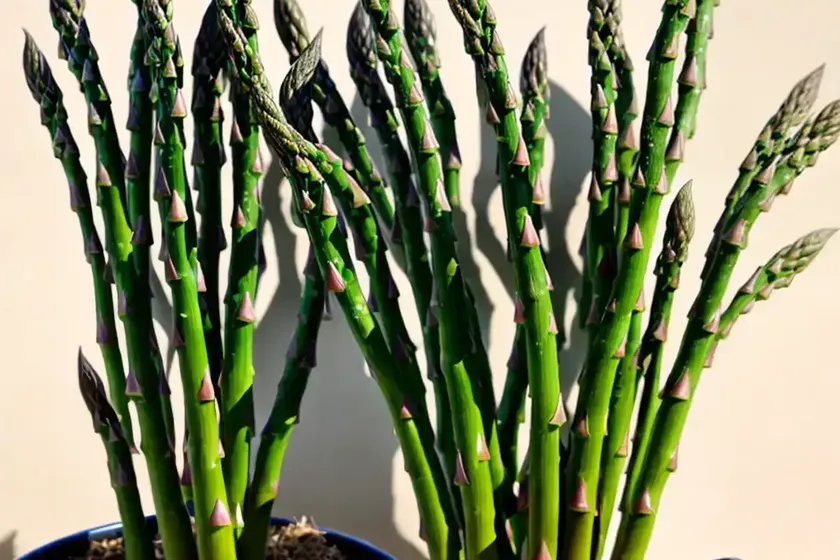
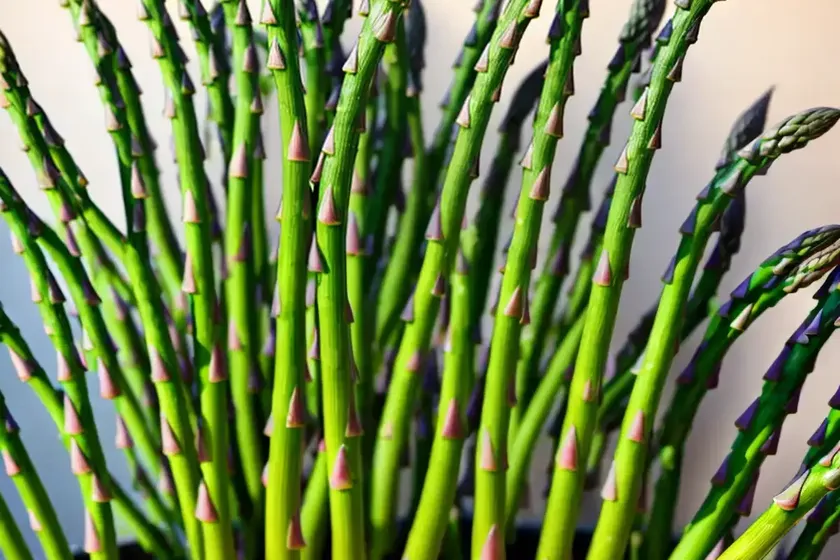
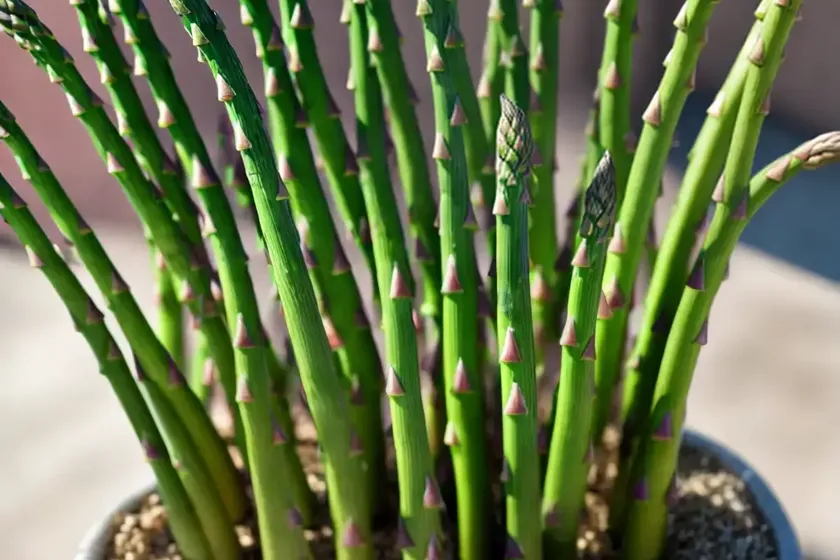
In the world of horticulture and gardening, the diverse and numerous plant species never fail to fascinate plant enthusiasts. One such intriguing plant is the Foxtail Fern, scientifically known as Asparagus densiflorus. This perennial plant has gained popularity due to its unique appearance and versatility, making it a sought-after addition to indoor and outdoor plant collections.
In this comprehensive guide, we will delve into all aspects of the Foxtail Fern, from its cultural requirements, uses, and preferred growing conditions to propagation methods, common diseases, and maintenance tips. Whether you are a novice plant enthusiast or an experienced gardener, this guide will provide valuable insights into the world of this captivating plant species.
What Is the Foxtail Fern (Asparagus densiflorus)?
The Foxtail Fern, also commonly referred to as Asparagus Fern, is a species of asparagus native to South Africa. Despite its name, it is not a true fern but rather a member of the asparagus family, Asparagaceae. Its unique appearance, with densely packed, upright fronds resembling a fluffy fox tail, has made it a popular choice for adding texture and greenery to indoor and outdoor spaces.
The botanical name “Asparagus densiflorus” is derived from the Greek words “asparagos” and “densiflorus,” which translate to “sparrow grass” and “densely flowered,” respectively. This nomenclature reflects the densely clustered flowers that emerge on the plant, adding an ornamental dimension to its overall appeal.
The Foxtail Fern is highly adaptable and can thrive in a variety of environments, making it a versatile addition to gardens, containers, and floral arrangements. Its feathery foliage and resilient nature have cemented its status as a beloved plant among gardening enthusiasts and landscapers worldwide.
Now, let’s explore the key aspects of caring for and cultivating the Foxtail Fern, including its cultural requirements, uses, and maintenance.
Key Takeaways – Foxtail Fern (Asparagus densiflorus)
The Foxtail Fern’s unique aesthetic and adaptability make it an appealing choice for both indoor and outdoor settings. Understanding its specific cultural requirements, uses, and maintenance guidelines is essential for successfully incorporating this distinctive plant into your garden or living space.
Culture
The cultural requirements of the Foxtail Fern encompass various factors, including its water, sunlight, fertilizer, soil, and pruning needs. By carefully tending to these aspects, you can promote optimal growth and vigor in your Foxtail Fern, ensuring it remains a captivating feature in your landscape or indoor setting.
Water
Proper watering is crucial for the health and vitality of the Foxtail Fern. As a general rule, it is important to maintain consistently moist soil for the plant, but it should never be waterlogged. The frequency of watering will depend on environmental factors such as temperature, humidity, and the specific moisture retention capabilities of the soil.
During the active growing season, typically spring and summer, monitor the soil moisture regularly and water the plant when the top inch of the soil becomes dry to the touch. In contrast, reduce watering during the plant’s dormant period in fall and winter, allowing the soil to partially dry out between waterings. Avoid overwatering, as this can lead to root rot and other moisture-related issues.
Sunlight
The Foxtail Fern thrives in bright, indirect light, making it well-suited for locations with dappled sunlight or partial shade. Indoor placement near a north-facing window or a spot with filtered light exposure is ideal for ensuring the plant receives adequate sunlight without being exposed to harsh, direct rays. Outdoors, it can be grown under the canopy of trees or in shaded garden areas, where it can benefit from the gentle filtering of sunlight.
While the Foxtail Fern tolerates low light conditions, prolonged deprivation of adequate sunlight can result in reduced growth and diminished foliage density. Understanding its light preferences and adjusting its placement accordingly will contribute to the plant’s overall health and appearance.
Fertilizer
To support the Foxtail Fern’s growth and development, regular fertilization is recommended during the active growing seasons. A balanced, water-soluble fertilizer formulated for indoor or outdoor foliage plants can be applied every 4-6 weeks from spring through summer. Dilute the fertilizer to half the recommended strength to avoid over-fertilization, which can lead to fertilizer burn and adverse effects on the plant’s vitality.
During fall and winter, when the plant’s growth rate slows down, reduce or suspend fertilization to align with its natural growth cycle. Proper fertilization will supply essential nutrients, promoting vibrant foliage and robust growth in the Foxtail Fern.
Soil
The choice of soil for the Foxtail Fern should prioritize good drainage while retaining adequate moisture. A well-draining potting mix, comprising components such as peat moss, perlite, and a small proportion of loam, provides the ideal growing medium for the plant. Additionally, incorporating organic matter into the soil mix enhances its water retention capacity, ensuring the plant’s roots have access to moisture without the risk of waterlogging.
When grown outdoors, the Foxtail Fern can thrive in well-drained garden beds or borders enriched with organic compost. Assessing and optimizing the soil conditions will contribute to the plant’s resilience and overall vigor, supporting its long-term health and vitality.
Pruning
Pruning the Foxtail Fern is a straightforward task that primarily involves the removal of dead or yellowing fronds to maintain its visual appeal and prevent the accumulation of decaying foliage. Using clean, sharp scissors or pruning shears, selectively trim back any discolored or spent fronds close to the base of the plant. Additionally, periodic grooming of the plant helps to shape its growth and promote new foliage production.
Regular inspection and maintenance of the plant’s foliage will enable you to identify and remove any damaged or unsightly fronds, contributing to a tidy and attractive appearance. By incorporating pruning into your plant care routine, you can foster a healthy and visually appealing Foxtail Fern.
Following these cultural guidelines will facilitate the successful care and maintenance of the Foxtail Fern, contributing to its overall health and aesthetic appeal in your chosen setting.
Uses
The Foxtail Fern boasts a wide range of practical and ornamental uses, making it a versatile addition to various gardening and design contexts. Whether utilized as a standalone specimen or incorporated into mixed plantings and floral arrangements, the plant offers numerous opportunities for enhancing indoor and outdoor spaces.
Indoor Usage
As an indoor plant, the Foxtail Fern is valued for its ability to thrive in low light conditions, making it an excellent choice for areas with limited natural light. Its compact size and upright growth habit render it well-suited for placement in containers, hanging baskets, and as a stand-alone decorative accent.
The feathery, emerald-green fronds lend a touch of natural elegance to interior spaces, serving as a captivating focal point when displayed on tabletops, shelves, or as part of a collection of potted plants. Additionally, its air-purifying properties contribute to improving indoor air quality, making it a beneficial addition to home and office environments.
Outdoor Usage
In outdoor settings, the Foxtail Fern can be incorporated into a diverse range of landscaping applications, from border plantings and ground cover to shaded garden beds and woodland gardens. Its adaptability to partial shade allows for versatile placement beneath trees, along walkways, or in areas with filtered sunlight, where it can thrive and contribute to the overall visual appeal of the landscape.
Furthermore, the plant’s resilience makes it well-suited for container gardening, where it can be featured as a standalone specimen or combined with other shade-tolerant plants to create visually striking compositions. Its versatility in both indoor and outdoor settings underscores its potential for enriching diverse gardening and design scenarios.
Understanding the various uses and applications of the Foxtail Fern allows for creative integration into your living spaces, whether indoors or outdoors, enhancing the visual appeal and natural ambiance of your surroundings.
Propagation
Propagating the Foxtail Fern enables you to expand your plant collection and share this captivating species with fellow gardening enthusiasts. While division and seed propagation are commonly practiced methods, division remains the most reliable and efficient approach for propagating the plant.
Division
Dividing the Foxtail Fern involves separating the plant’s rhizomes to produce new individual specimens. To initiate the division process, carefully remove the plant from its container or the ground, ensuring minimal disruption to the roots. Gently separate the rhizomes, making sure that each division has a healthy root system and multiple emerging fronds.
Once divided, plant each new portion in a suitable potting mix, water thoroughly, and provide the appropriate cultural conditions for optimal growth. Division presents an effective means of propagating the Foxtail Fern while maintaining the genetic integrity of the parent plant.
Employing these propagation techniques will enable you to propagate the Foxtail Fern successfully, nurturing new plants and expanding its presence within your garden or collection.
Container Popularity
The Foxtail Fern’s popularity as a container plant stems from its compact growth habit, attractive foliage, and adaptability to indoor environments. These characteristics make it an appealing choice for plant enthusiasts seeking to incorporate greenery into limited spaces such as apartments, offices, and balconies.
Whether displayed as a standalone feature or combined with other container plants, the Foxtail Fern adds a touch of botanical charm and natural vibrancy to its surroundings. Its resilience and low-maintenance requirements further contribute to its appeal as a favored container plant, accommodating the needs of novice and experienced gardeners alike.
Understanding its status as a popular container plant empowers you to explore creative ways of incorporating the Foxtail Fern into your indoor and outdoor container arrangements, harnessing its visual allure and ornamental value.
Common Diseases
Despite its resilience, the Foxtail Fern is susceptible to certain diseases and disorders that can affect its overall health and vigor. By familiarizing yourself with common diseases and their diagnosis, you can effectively identify and address potential issues, safeguarding the well-being of your plant.
Disease Diagnosis
The following are common diseases and issues that may affect the Foxtail Fern, along with their corresponding symptoms and diagnostic indicators:
- Root Rot: Symptoms include wilting, yellowing, and softening of the foliage, often accompanied by a foul odor emanating from the soil. Gently inspect the root system to check for mushy, discolored roots, indicative of root rot.
- Powdery Mildew: Manifests as a powdery, white coating on the foliage, accompanied by stunted growth and leaf distortion. The presence of white, powdery residue on the leaves signifies the presence of powdery mildew.
- Scale Infestation: Scale insects appear as small, raised bumps on the plant’s stems and foliage, often accompanied by the presence of sticky honeydew and black sooty mold on the plant’s surfaces.
- Fungal Leaf Spot: Exhibits as small, dark spots on the foliage, often surrounded by yellow halos. Inspection of the leaves will reveal the presence of circular lesions, characteristic of fungal leaf spot infections.
By recognizing these common diseases and their associated symptoms, you can promptly address any issues that arise, implementing targeted treatments and management strategies to restore your Foxtail Fern to optimal health.
Common Pests
In addition to diseases, the Foxtail Fern may encounter certain pests that can compromise its growth and vitality. Vigilant monitoring and preventive measures can help mitigate pest infestations and minimize their impact on the plant.
Pests
Below are some common pests that may affect the Foxtail Fern and their accompanying symptoms:
- Spider Mites: These tiny arachnids may produce visible webbing on the plant and cause stippling, yellowing, and wilting of the foliage.
- Mealybugs: Mealybug infestations are characterized by the presence of white, cottony clusters on the plant, particularly in leaf axils and stem joints.
- Aphids: Aphids can cause curling, distortion, and yellowing of the foliage, often clustering on tender, new growth and excreting sticky honeydew.
Regular monitoring and inspection of the plant’s foliage and stems will aid in early detection of pest issues, allowing for targeted treatment and intervention to mitigate their impact on the Foxtail Fern.
Botanist’s Tips
To further enrich your understanding and care of the Foxtail Fern, consider the following expert tips from experienced botanists and plant specialists:
- Humidity Considerations: In regions with low humidity, supplement the Foxtail Fern’s environmental moisture by employing a humidity tray or regularly misting the plant’s foliage with water. This helps maintain an optimal microclimate for the plant, mimicking its native habitat conditions.
- Temperature Sensitivity: Protect the Foxtail Fern from sudden temperature fluctuations, drafts, and extreme heat or cold, as these factors can stress the plant and affect its growth. Consistent, moderate temperatures promote the plant’s overall well-being and longevity.
- Overwintering Practices: When overwintering the Foxtail Fern indoors, ensure it receives adequate light and maintain reduced watering to align with its dormancy period. By replicating its natural seasonal dormancy, you can help the plant conserve energy and prepare for renewed growth in the coming season.
Incorporating these botanical insights into your care routine will contribute to the successful cultivation and maintenance of the Foxtail Fern, enhancing your ability to nurture this distinctive plant species.
Fun Facts
To deepen your appreciation for the Foxtail Fern, consider these intriguing and engaging fun facts about the plant:
- The Foxtail Fern is commonly mistaken for a true fern due to its feathery fronds, but it belongs to the asparagus family, Asparagaceae, and is not botanically classified as a fern.
- In its native habitat, the Foxtail Fern often grows as an understory plant in shaded woodlands and forest environments, adapting to low light conditions and sheltered settings.
- The plant’s botanical name, “Asparagus densiflorus,” alludes to its densely flowered appearance, showcasing clusters of small, white flowers that emerge intermittently during its active growing seasons.
These fun facts offer a glimpse into the unique characteristics and natural history of the Foxtail Fern, enriching your understanding of this captivating plant species.
Links to External Resources
For additional information, resources, and inspiration related to the Foxtail Fern, explore the following external links:
- Royal Horticultural Society – Asparagus densiflorus
- University of Florida IFAS Extension – Foxtail Fern Production Guide
- Missouri Botanical Garden – Asparagus densiflorus
- American Society for the Prevention of Cruelty to Animals – Foxtail Fern Toxicity
- Texas A&M Agrilife Extension – Asparagus Ferns in Texas Landscapes
These resources provide valuable insights, cultivation tips, and educational materials to support your journey of discovery and care for the Foxtail Fern.
Conclusion
The Foxtail Fern, with its distinctive foliage and adaptable nature, has captured the fascination of plant enthusiasts and gardeners seeking a visually captivating and versatile species. By delving into its cultural requirements, uses, maintenance guidelines, and intriguing attributes, we have gained a deeper understanding of this captivating plant and the strategies for fostering its health and beauty.
As you embark on your journey of caring for the Foxtail Fern, apply the knowledge and insights shared in this comprehensive guide to cultivate and celebrate this remarkable plant species. Whether gracing your indoor spaces with botanical elegance or enriching your garden landscapes with its natural charm, the Foxtail Fern is a testament to the enduring allure and resilience of plant life.
As a plant scientist and guardians of the natural world, we invite you to embark on this botanical journey, embracing the wonder and beauty of the Foxtail Fern as you nurture and appreciate its presence in your living spaces.
Remember to tend to your plants with care, curiosity, and reverence for the intricate ecosystems they embody. Through our cultivation and guardianship, we sustain the legacy of these remarkable plant species, honoring their enduring contributions to our lives and the planet at large.
Happy gardening and may the beauty of the Foxtail Fern continue to inspire and enrich your botanical adventures!
As a botanist, I have endeavored to encapsulate the captivating essence of the Foxtail Fern and provide comprehensive insights into its care and cultivation. I trust that this extensive guide will catalyze your exploration and appreciation of this remarkable plant species, fostering a deeper connection to the natural world and the bountiful diversity it entails.
References
- “Asparagus densiflorus.” Royal Horticultural Society. Link
- “Foxtail Fern Production Guide.” University of Florida IFAS Extension. Link
- “Asparagus densiflorus.” Missouri Botanical Garden. Link
- “Foxtail Fern Toxicity.” American Society for the Prevention of Cruelty to Animals. Link
- “Asparagus Ferns in Texas Landscapes.” Texas A&M Agrilife Extension. Link