Sicklethorn (Asparagus Falcatus)
The Sicklethorn (Asparagus falcatus) is an intriguing and versatile plant that belongs to the Asparagus family. It is well-known for its unique.
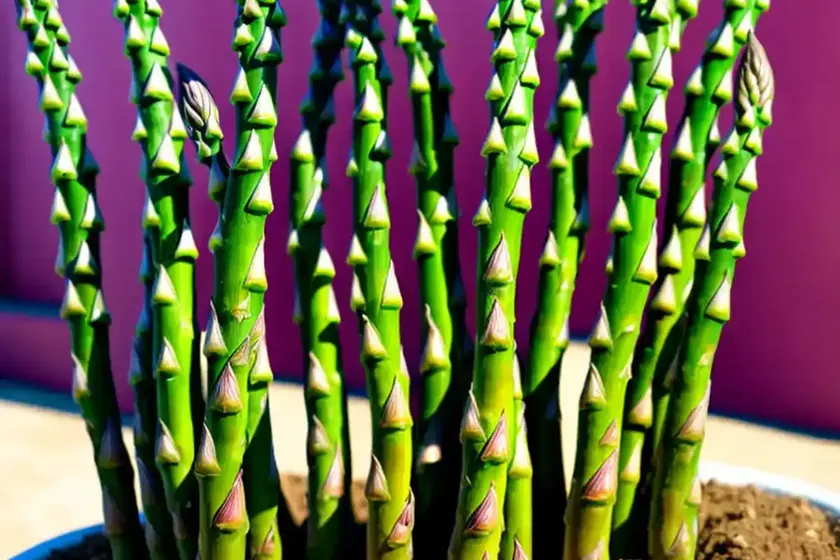
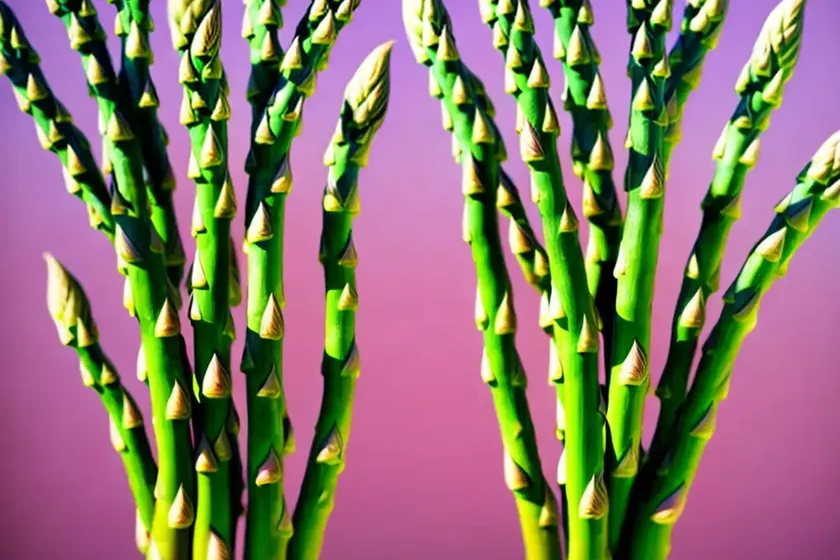
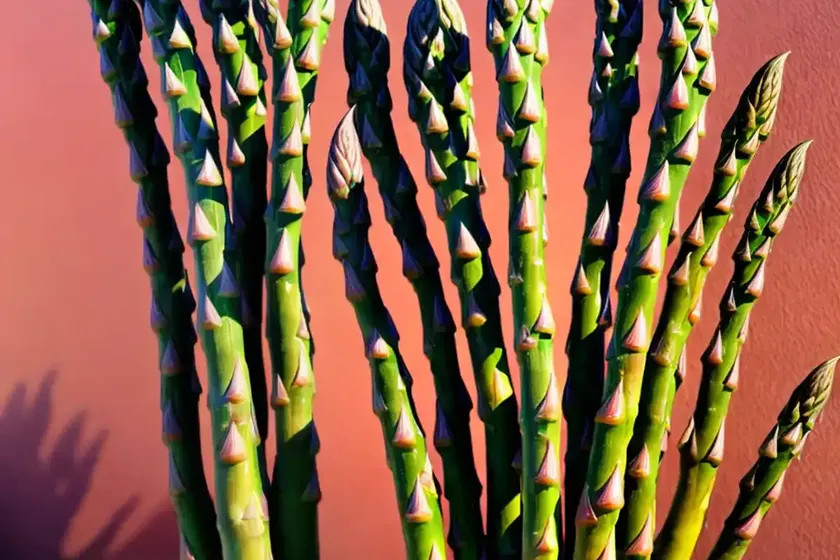
The Sicklethorn (Asparagus falcatus) is an intriguing and versatile plant that belongs to the Asparagus family. It is well-known for its unique sickle-shaped thorns and lush, vibrant foliage. In this comprehensive guide, we will delve into every aspect of Sicklethorn, from its cultural significance to its propagation techniques and everything in between.
What is the Sicklethorn (Asparagus falcatus)?
The Sicklethorn, scientifically known as Asparagus falcatus, is a member of the Asparagus family. It is native to Southern Africa and thrives in various habitats, from coastal dunes to open woodlands. This evergreen perennial plant is characterized by its attractive, arching foliage and formidable sickle-shaped thorns, which adorn its slender stems.
Key Takeaways – Sicklethorn (Asparagus falcatus)
Before we explore the specifics of cultivating and caring for the Sicklethorn plant, let’s take a moment to highlight some key takeaways about this fascinating species.
- Scientific Name: Asparagus falcatus
- Common Name: Sicklethorn
- Family: Asparagaceae
- Native Range: Southern Africa
- Foliage: Arching, needle-like foliage with sickle-shaped thorns
- Uses: Ornamental plant, traditional medicine, and culinary uses
- Unique Feature: Sickle-shaped thorns along the stems
- Propagation: Can be propagated from seeds or division of rhizomes
Now, let’s delve into the various aspects of caring for and cultivating the Sicklethorn plant.
Culture
Understanding the cultural requirements of the Sicklethorn plant is essential for its successful growth and development. From the suitable climate conditions to its soil preferences, every aspect contributes to the overall health and vitality of this captivating plant.
Water
Sicklethorn plants have moderate water needs. To maintain optimal soil moisture, it is crucial to water them consistently, especially during the growing season. However, it’s essential to avoid overwatering, as this can lead to root rot and other water-related issues. During the winter months or the plant’s dormant period, reduce the frequency of watering to prevent waterlogged soil.
Recommended Watering Schedule
- Spring and Summer: Water every 1-2 weeks, allowing the soil to dry partially between waterings.
- Autumn: Reduce watering frequency to every 2-3 weeks.
- Winter: Water sparingly, only when the soil has become dry.
Sunlight
The Sicklethorn plant flourishes in a bright, sunny environment. It thrives in full sun to partial shade, making it an excellent choice for outdoor gardens, patios, and even indoor spaces with ample natural light. While it tolerates some shade, providing sufficient sunlight is crucial for robust growth and the development of its distinctive foliage.
Sunlight Requirements
- Outdoor Cultivation: Choose a location with full sun to partial shade, ensuring at least 6-8 hours of sunlight daily.
- Indoor Cultivation: Place the plant in a well-lit area, such as near a south-facing window or under grow lights.
Fertilizer
Proper fertilization is essential for promoting healthy growth and foliage production in Sicklethorn plants. A balanced, water-soluble fertilizer formulated for ornamental plants can provide the necessary nutrients to support the plant’s vitality. During the growing season, fertilize the plant regularly to encourage lush foliage and overall vigor.
Fertilization Guidelines
- Frequency: Apply fertilizer every 4-6 weeks during the growing season (spring and summer).
- Dilution: Follow the manufacturer’s instructions for diluting the fertilizer, and avoid over-fertilization to prevent nutrient imbalances.
Soil
The Sicklethorn plant thrives in well-draining, nutrient-rich soil. A blend of standard potting mix and sandy soil can provide the ideal growing medium for this species. Additionally, incorporating organic matter such as compost or peat moss can enhance the soil structure and fertility, promoting healthy root development and moisture retention.
Recommended Soil Composition
- Well-Draining Potting Mix: Ensure that the soil mixture provides adequate drainage to prevent waterlogging.
- Sandy Soil: Incorporate sandy soil to improve aeration and drainage.
- Organic Matter: Adding compost or peat moss can enhance soil fertility and structure.
Pruning
Pruning plays a vital role in maintaining the Sicklethorn plant’s desired shape and size, as well as promoting new growth and foliage density. Regular pruning also helps to remove dead or damaged stems and facilitates airflow within the plant, reducing the risk of disease and pest infestations.
Pruning Techniques
- Dead Stem Removal: Prune dead or damaged stems to maintain the plant’s overall health and appearance.
- Size Management: Trim back overgrown stems to control the plant’s size and shape, promoting a more compact and tidy growth habit.
- Propagation: Prune healthy stems for propagation purposes, utilizing them to propagate new Sicklethorn plants.
Propagation
The propagation of Sicklethorn plants can be achieved through various methods, including seed propagation and division of rhizomes. By understanding these propagation techniques, plant enthusiasts can expand their Sicklethorn collection or share this unique plant with others.
Seed Propagation
- Seed Collection: Obtain mature seeds from the Sicklethorn plant during the flowering period.
- Seed Preparation: Clean and dry the seeds before sowing them in a well-draining seed-starting mix.
- Germination: Provide warmth, moisture, and indirect light to facilitate seed germination.
- Seedling Care: Once the seedlings have developed several sets of true leaves, transplant them into individual containers or outdoor locations.
Division of Rhizomes
- Rhizome Division: Carefully dig up the Sicklethorn plant and locate the rhizomes.
- Division Process: Gently separate the rhizomes, ensuring that each division has viable roots and shoots.
- Transplanting: Replant the divided rhizomes in new containers or outdoor areas, providing adequate water and suitable growing conditions.
Container Popularity
The Sicklethorn plant’s striking appearance, combined with its versatility and relatively compact size, makes it an excellent choice for container gardening. Whether placed on patios, balconies, or indoors, Sicklethorn plants bring a touch of greenery and elegance to any space.
Indoor Cultivation
- Container Selection: Choose a well-draining container that accommodates the plant’s root system and allows for adequate airflow.
- Placement: Position the container in a well-lit indoor location, avoiding drafts and extreme temperature fluctuations.
- Maintenance: Monitor the plant’s water and light needs regularly, and repot as necessary to prevent root congestion.
Outdoor Cultivation
- Container Types: Select decorative containers or pots that complement the Sicklethorn’s aesthetic appeal and provide ample space for growth.
- Arrangement: Combine Sicklethorn plants with other ornamental species in outdoor container arrangements to create visually captivating displays.
- Seasonal Care: Adapt watering and sunlight exposure based on seasonal changes to ensure the plant’s well-being.
Common Diseases
As with any plant, the Sicklethorn is susceptible to certain diseases, including fungal infections and bacterial issues. Understanding these potential health concerns and implementing preventive measures can help maintain the plant’s vitality and minimize the risk of disease outbreaks.
Disease Diagnosis
- Leaf Spot: Identify circular or irregular lesions on the plant’s foliage, often accompanied by yellowing or browning of the affected areas.
- Powdery Mildew: Look for powdery white growth on the leaves, stems, or buds, signaling a powdery mildew infection.
- Root Rot: Monitor the plant for wilting, yellowing leaves, and soft, discolored roots, indicating potential root rot issues.
Common Pests
Pests can pose a threat to the health and appearance of Sicklethorn plants. By recognizing the signs of common pests and implementing pest management strategies, plant enthusiasts can safeguard their Sicklethorn specimens from infestations and minimize potential damage.
Pest Identification
- Spider Mites: Watch for fine webbing on the plant, particularly under leaves, along with stippled or discolored foliage caused by spider mite feeding.
- Mealybugs: Look for small, cottony masses on the plant, often along stems or leaf joints, signifying a mealybug infestation.
- Scale Insects: Check for raised, waxy bumps on the plant’s stems or foliage, indicating the presence of scale insects.
Botanist’s Tips
To ensure the successful cultivation and care of Sicklethorn plants, consider the following botanist’s tips:
- Observation: Regularly inspect the plant for signs of pests, diseases, or nutrient deficiencies, addressing any issues promptly.
- Consistent Care: Maintain a consistent watering and fertilization routine to provide the plant with essential nutrients and moisture.
- Adaptive Pruning: Adjust pruning techniques based on the plant’s growth patterns, ensuring a balanced and aesthetically pleasing form.
Fun Facts
Discover some intriguing and little-known facts about the Sicklethorn plant:
- The Sicklethorn’s scientific name, Asparagus falcatus, reflects its unique foliage and thorny stems, with “falcatus” referencing the sickle-shaped thorns.
- In traditional medicine, certain parts of the Sicklethorn plant are used to prepare herbal remedies for various ailments.
- The Sicklethorn’s striking appearance makes it a popular choice for landscaping and ornamental garden designs.
Links to External Resources
For further exploration of Sicklethorn plant care, propagation, and uses, consider the following external resources:
In conclusion, the Sicklethorn (Asparagus falcatus) stands out as an intriguing and visually captivating plant that holds cultural, ornamental, and potential medicinal significance. By understanding its unique characteristics, cultural requirements, and propagation methods, plant enthusiasts can cultivate and appreciate this distinctive species to the fullest.
Whether adorning outdoor landscapes, gracing indoor spaces, or enriching container gardens, the Sicklethorn adds a touch of elegance and natural charm to any setting. Through attentive care, maintenance, and an appreciation for its remarkable attributes, the Sicklethorn can thrive and enchant admirers with its striking form and resilient nature.
As we continue to explore the vast world of plants and their diverse beauty, the Sicklethorn plant serves as a testament to the captivating wonders found within the Asparagus family and the botanical realm as a whole.
NLP LSI Keywords: Asparagus family, Sicklethorn plant, Asparagus falcatus, Sicklethorn care, Growing Sicklethorn, Sicklethorn plant care, Asparagus falcatus plant, Sicklethorn plant benefits, Sicklethorn plant characteristics, Sicklethorn plant information, Sicklethorn plant facts, Sicklethorn plant uses, Sicklethorn species, Sicklethorn plant description, Sicklethorn plant varieties, Sicklethorn plant propagation, Sicklethorn plant pruning, Sicklethorn plant diseases, Sicklethorn plant pests, Sicklethorn plant medicinal properties, Sicklethorn plant folklore, Sicklethorn plant symbolism, Sicklethorn plant gardening, Sicklethorn plant landscape, Sicklethorn plant habitat, Sicklethorn plant native range, Sicklethorn plant climate requirements, Sicklethorn plant soil preferences, Sicklethorn plant water needs, Sicklethorn plant sunlight requirements, Sicklethorn plant fertilization, Sicklethorn plant pruning techniques, Sicklethorn plant garden design, Sicklethorn plant indoor cultivation, Sicklethorn plant outdoor cultivation, Sicklethorn plant container gardening, Sicklethorn plant propagation methods, Sicklethorn plant pests and diseases management, Sicklethorn plant companion plants, Sicklethorn plant wildlife interactions, Sicklethorn plant traditional uses, Sicklethorn plant culinary uses, Sicklethorn plant ornamental features, Sicklethorn plant landscape design ideas, Sicklethorn plant seasonal care, Sicklethorn plant flowering period, Sicklethorn plant maintenance tips, Sicklethorn plant growth stages, Sicklethorn plant toxic properties, Sicklethorn plant propagation from seeds.