Bridal-creeper (Asparagus Asparagoides)
Plants have an incredible diversity of species, and each brings its own unique characteristics and significance. In this comprehensive guide, we will delve.
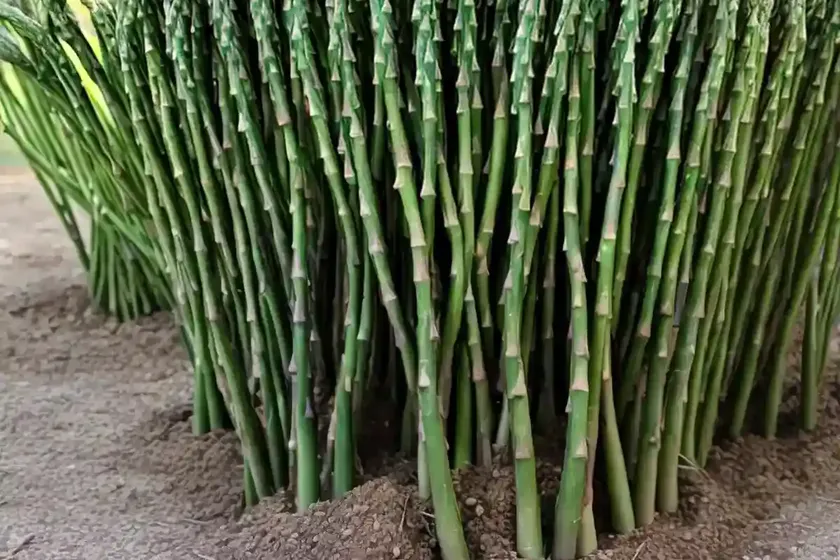
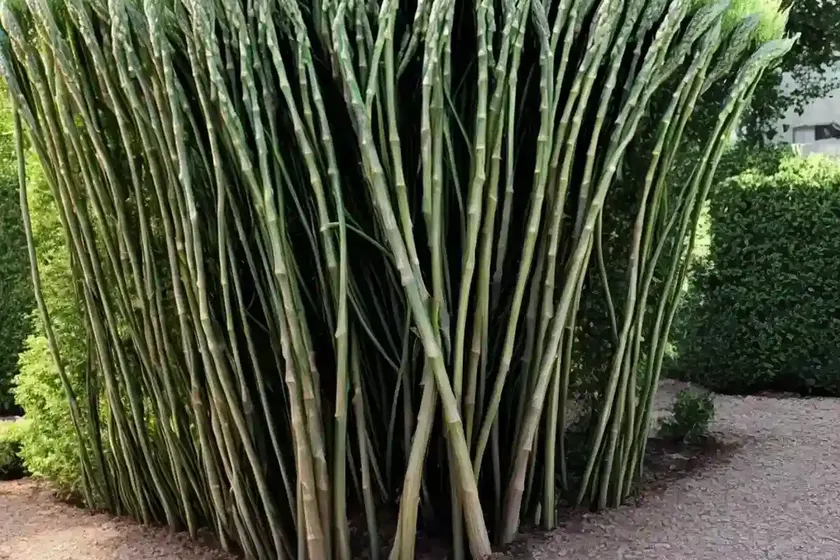
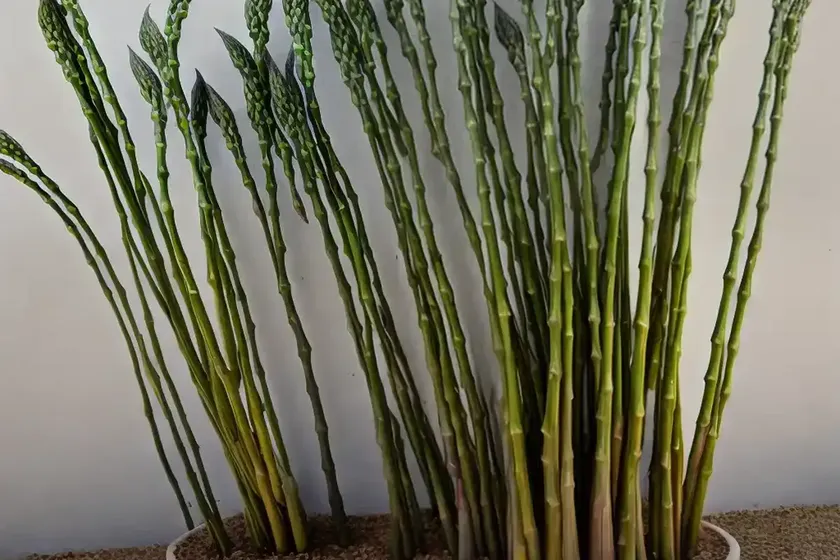
Plants have an incredible diversity of species, and each brings its own unique characteristics and significance. In this comprehensive guide, we will delve into the world of the Bridal-Creeper (Asparagus asparagoides). We will explore its cultural uses, habitat requirements, propagation, care tips, and its ecological impact. This guide aims to provide plant enthusiasts, gardeners, botanists, and researchers with an extensive understanding of this fascinating plant species.
What is Bridal-Creeper (Asparagus asparagoides)?
Bridal-Creeper, scientifically known as Asparagus asparagoides, is a perennial vine that belongs to the family Asparagaceae. It is native to South Africa and has been introduced to several other regions around the world. The plant is known for its vigorous growth and its ability to form dense mats that can smother native vegetation.
Plant Description
- Scientific Name: Asparagus asparagoides
- Common Name: Bridal-Creeper
- Family: Asparagaceae
- Native Range: South Africa
To better understand the Bridal-Creeper, we will delve into its key characteristics, growth habits, and important considerations for its cultivation and management.
Key Takeaways – Bridal-Creeper (Asparagus asparagoides)
Here are the key takeaways we will discuss in detail throughout this guide:
- Culture
- Uses
- Water
- Sunlight
- Fertilizer
- Soil
- Pruning
- Propagation
- Container Popularity
- Container Common Diseases
- Disease Diagnosis
- Common Pests
- Botanist’s Tips
- Fun Facts
- Links to External Resources
Now, let’s explore each of these aspects in detail to gain a comprehensive understanding of this intriguing plant species.
Culture
Bridal-Creeper as a Decorative Plant
Bridal-Creeper is often cultivated as an ornamental plant due to its attractive and delicate foliage. Its cascading growth habit makes it a popular choice for hanging baskets and as a trailing plant in garden landscapes.
Bridal-Creeper in Landscaping
The plant’s ability to form dense, green mats makes it an ideal choice for ground cover in landscaping. It can create visually appealing patterns and bring an element of lushness to outdoor spaces.
Uses
Bridal-Creeper as a Weaving Material
In some cultures, the vines of Bridal-Creeper are used for weaving. They are crafted into baskets, mats, and other decorative items, showcasing the plant’s versatility in traditional crafts.
Bridal-Creeper as an Edible Plant
While not commonly consumed, some parts of the Bridal-Creeper plant are edible. The young shoots are occasionally used in culinary applications, adding a unique touch to traditional dishes.
Water
Bridal-Creeper has moderate water needs and thrives in well-draining soil. It is crucial to avoid overwatering, as excessive moisture can lead to root rot and other issues. Providing consistent and moderate moisture levels is key to supporting healthy growth.
Sunlight
The plant thrives in partial to full sunlight. It is important to provide adequate light for optimal growth and to promote its decorative foliage. However, it can also tolerate some shade, making it adaptable to a range of light conditions.
Fertilizer
When it comes to feeding Bridal-Creeper, a balanced, all-purpose fertilizer can be applied during the growing season to support its vigor and promote lush foliage. It is essential to follow the recommended application rates to prevent any potential nutrient imbalances.
Soil
Bridal-Creeper prefers well-drained, fertile soil. A loamy or sandy soil type that retains some moisture without becoming waterlogged is ideal for its cultivation. Prior to planting, amending the soil with organic matter can further enhance its growing environment.
Pruning
Regular pruning can help manage the growth of Bridal-Creeper, particularly in landscaping and garden settings. Trimming back excessive growth and maintaining its shape can contribute to a tidy and visually pleasing appearance.
Propagation
The plant can be propagated through various methods, including division of rhizomes and stem cuttings. These propagation techniques allow for the creation of new plants and can be valuable for expanding its presence in controlled environments.
Container Popularity
Bridal-Creeper is an attractive choice for container gardening, particularly in hanging baskets and decorative pots. Its cascading growth habit adds an elegant touch to any container arrangement, making it a popular selection for indoor and outdoor spaces.
Container Common Diseases
In container settings, Bridal-Creeper may be susceptible to certain diseases such as root rot and fungal infections. Monitoring the plant for any signs of disease and providing appropriate care can help maintain its health in container environments.
Disease Diagnosis
Signs of disease in Bridal-Creeper may include wilting, discoloration of foliage, and stunted growth. Identifying the specific symptoms and potential causes of disease is essential for implementing targeted management strategies.
Common Pests
Typical pests that may affect Bridal-Creeper include aphids, scale insects, and spider mites. Regular inspection and prompt intervention can help mitigate pest infestations and safeguard the plant’s overall well-being.
Botanist’s Tips
- Habitat Management: When present in natural habitats, invasive growth of Bridal-Creeper can have detrimental effects on indigenous flora. Implementing proper management strategies is crucial for preserving the ecological balance in affected areas.
- Cultural Significance: In some cultures, Bridal-Creeper holds historical and cultural significance, with uses extending beyond ornamental and utilitarian purposes.
- Adaptation Mechanisms: The plant exhibits adaptive traits that contribute to its invasive tendencies in non-native environments, emphasizing the importance of understanding its ecological impact.
Fun Facts
- Bridal-Creeper is known for producing small white flowers that add to its aesthetic appeal during the flowering season.
- In its native range, the plant forms an integral part of the local ecosystem, supporting various wildlife species and contributing to the biodiversity of the region.
Now that we have explored these key facets of Bridal-Creeper, let’s delve further into the plant’s ecological impact, invasive tendencies, and its native range.
Bridal-Creeper: An Invasive Plant
Bridal-Creeper is recognized as an invasive species in several regions outside of its native range. Its vigorous growth habits and ability to form dense mats have led to ecological disruptions and challenges in managing its spread. Understanding its invasive tendencies and ecological impact is crucial for implementing effective control methods and minimizing its detrimental effects on native ecosystems.
Bridal-Creeper Control Methods
Managing and controlling the spread of Bridal-Creeper often involves a combination of approaches, including manual removal, herbicidal applications, and targeted ecological restoration efforts. These methods aim to mitigate the impact of the plant on native flora and restore ecological balance in affected areas.
Bridal-Creeper Ecological Impact
The invasive nature of Bridal-Creeper can lead to significant ecological impact, including displacement of native vegetation, alteration of habitat structure, and disruption of natural ecosystems. These effects highlight the importance of addressing the spread of invasive species and restoring affected environments.
Bridal-Creeper Native Range
The plant is native to South Africa, where it forms a part of the indigenous vegetation and contributes to the ecological dynamics of its natural habitat. Understanding its native range provides valuable insights into its ecological relationships and growth patterns in its original environment.
Bridal-Creeper Distribution
Due to intentional introductions and accidental spread, Bridal-Creeper has established populations in various regions, including parts of Australia, New Zealand, and regions of the United States. Its distribution underscores the challenges posed by invasive species and the need for proactive management strategies.
Bridal-Creeper Habitat Requirements
To thrive and spread, Bridal-Creeper requires suitable habitat conditions, including access to light, moisture, and conducive soil properties. Understanding its habitat requirements is crucial for addressing its spread and preventing further ecological disruptions.
Bridal-Creeper Reproduction
The plant reproduces through seeds and vegetative means, contributing to its ability to colonize and establish in diverse environments. Its reproductive strategies play a significant role in its invasive tendencies and population growth.
Bridal-Creeper Identification
Identifying Bridal-Creeper is essential for effective management and control. Characteristics such as its twining vine habit, small white flowers, and delicate foliage aid in its recognition and differentiation from native plant species.
Bridal-Creeper Management Strategies
Effective management of Bridal-Creeper involves comprehensive strategies that encompass control, eradication, and restoration efforts. Such strategies aim to minimize its impact on native ecosystems and facilitate the recovery of affected areas.
Bridal-Creeper Control Techniques
Various control techniques, including manual removal, chemical treatments, and targeted biological interventions, are employed to address the spread of Bridal-Creeper and mitigate its impact on natural habitats. Integrated approaches are often necessary to achieve sustainable control outcomes.
Bridal-Creeper Eradication
In areas where Bridal-Creeper poses a significant ecological threat, eradication efforts may be undertaken to remove established populations and prevent further spread. These endeavors require coordinated and sustained actions to effectively address the invasive species.
Bridal-Creeper Invasive Tendencies
The invasive tendencies of Bridal-Creeper are attributed to its vigorous growth, ability to outcompete native vegetation, and capacity to form dense monocultures. Its aggressive behavior underscores the challenges associated with managing invasive plant species.
Bridal-Creeper Impact on Native Plants
The presence of Bridal-Creeper can result in displacement of native plant species and alteration of ecosystem dynamics, potentially leading to reduced biodiversity and ecological imbalances. Understanding its impact on native plants is essential for conservation efforts.
Bridal-Creeper and Biodiversity
The influence of Bridal-Creeper on biodiversity is a topic of concern, as its invasive nature can disrupt native flora and fauna interactions, leading to potential cascading effects on ecosystem health and resilience.
Bridal-Creeper Lifecycle
Understanding the lifecycle of Bridal-Creeper, including its germination, growth, and reproductive stages, provides valuable insights into its population dynamics and offers opportunities for targeted intervention and management.
Bridal-Creeper Adaptation Mechanisms
The plant possesses adaptation mechanisms that contribute to its success as an invasive species, including efficient resource utilization, rapid growth, and reproductive strategies. These mechanisms underscore the challenges of managing its spread in non-native environments.
Bridal-Creeper Medicinal Uses
In some traditional practices, parts of Bridal-Creeper have been used for medicinal purposes, including remedies for certain ailments and health conditions. This aspect highlights the diverse cultural relationships with plant species.
Bridal-Creeper Nutritional Value
While not a primary source of nutrition, certain parts of Bridal-Creeper may possess nutritional value and have been utilized in traditional contexts. Exploring its nutritional characteristics adds to the broader understanding of plant species as potential food sources.
Bridal-Creeper Toxicity
Some parts of Bridal-Creeper may contain compounds with toxic properties, necessitating caution and awareness of potential risks associated with its consumption or handling. Understanding its toxicity is vital for informed decision-making regarding its uses.
Bridal-Creeper and Wildlife
The presence of Bridal-Creeper can impact wildlife interactions and habitats, influencing the availability of food sources and habitats for native fauna. Assessing its effects on wildlife is important for understanding its broader ecological impact.
Bridal-Creeper and Soil Health
In areas where Bridal-Creeper establishes dense mats, its presence can influence soil properties and nutrient cycling, potentially altering the dynamics of soil health and microbial communities. Monitoring its impact on soil is essential for assessing ecosystem functions.
Bridal-Creeper as a Garden Plant
Despite its invasive tendencies, Bridal-Creeper is occasionally cultivated in garden settings for its ornamental qualities. In managed environments, it can serve as a decorative addition, although careful considerations are necessary to prevent unintentional spread.
Bridal-Creeper as a Landscaping Option
In landscaping, Bridal-Creeper is utilized for its ground cover abilities and its decorative foliage, adding visual interest to various outdoor spaces. However, its management and containment are critical to prevent unintended ecological impacts.
Bridal-Creeper Propagation Methods
The plant can be propagated through division, stem cuttings, and other vegetative means, providing opportunities for controlled propagation in garden and horticultural settings. Understanding its propagation methods is essential for responsible cultivation practices.
Bridal-Creeper Pruning Techniques
Pruning can help manage the growth of Bridal-Creeper in garden and landscaping contexts, controlling its spread and maintaining desired shapes and patterns. Utilizing proper pruning techniques is important for its effective management.
Bridal-Creeper Growth Rate
Bridal-Creeper exhibits a vigorous growth rate, allowing it to rapidly colonize and expand in suitable environments. Monitoring its growth patterns is crucial for detecting potential invasions and implementing timely management actions.
Bridal-Creeper Seasonal Changes
The plant undergoes seasonal variations in growth, flowering, and dormancy, necessitating awareness of its phenological changes for effective management and care.
Bridal-Creeper Climate Requirements
Bridal-Creeper thrives in various climatic conditions, although it may exhibit preferences for certain temperature ranges and moisture levels. Understanding its climate requirements is important for predicting its potential spread in new environments.
Bridal-Creeper Drought Tolerance
The plant demonstrates resilience to drought conditions, allowing it to persist in challenging environments and potentially contributing to its invasive success in semi-arid regions.
Bridal-Creeper Pest Management
In addition to controlling pests that affect the plant, implementing effective strategies for managing invasive tendencies and ecological impacts is essential for addressing its spread and mitigating its effects.
Bridal-Creeper Disease Prevention
Preventing the spread of disease in Bridal-Creeper involves proactive monitoring, targeted interventions, and appropriate cultural practices to support the plant’s health and minimize disease risks.
Bridal-Creeper Companion Plants
In garden and landscaping settings, selecting compatible companion plants can complement the growth habits and aesthetics of Bridal-Creeper, creating visually appealing combinations and enhancing overall landscape design.
Bridal-Creeper for Urban Gardens
In urban environments, Bridal-Creeper’s ornamental qualities and adaptability to container gardening make it a potential choice for green spaces. However, it is crucial to consider its invasive tendencies and implement appropriate containment measures.
Bridal-Creeper Benefits for Ecosystems
While its invasive nature presents challenges, understanding potential ecological benefits of Bridal-Creeper in controlled contexts can inform restoration and landscaping efforts, promoting sustainable ecosystem management.
Bridal-Creeper Environmental Impact
The environmental impact of Bridal-Creeper underscores the broader challenges associated with managing invasive plant species and mitigating their effects on natural ecosystems. Addressing its impact involves collaborative efforts and integrated strategies.
Bridal-Creeper Cultural Significance
In certain cultural contexts, Bridal-Creeper holds historical and symbolic significance, playing roles in traditional folklore, crafts, and practices. Understanding its cultural connections adds depth to its broader significance beyond ecological considerations.
Bridal-Creeper Folklore
The plant may feature in folklore and traditional narratives, reflecting its cultural presence and associations with local customs and beliefs that date back through generations.
Bridal-Creeper Historical Uses
Exploring the historical uses of Bridal-Creeper offers insights into its roles in traditional societies and its applications in various domains, from crafts to medicinal practices.
Bridal-Creeper as an Weaving Material
The plant’s vines have been used for weaving and crafting various items, demonstrating its utilitarian applications in traditional craftsmanship.
Bridal-Creeper as an Edible Plant
While not commonly utilized as a primary food source, some parts of Bridal-Creeper have been incorporated into traditional culinary practices, reflecting its diverse uses across different cultures.
Bridal-Creeper as a Decorative Plant
The plant’s decorative foliage and growth habits make it a sought-after choice for ornamental purposes, both in natural and cultivated environments.
Bridal-Creeper and Air Purification
Bridal-Creeper, like many plants, contributes to air purification through its capacity for photosynthetic activity and the removal of pollutants from the atmosphere.
Bridal-Creeper and Carbon Sequestration
As part of natural ecosystems, Bridal-Creeper may contribute to carbon sequestration, aiding in the absorption and storage of atmospheric carbon dioxide.
Bridal-Creeper and Landscape Design
In landscape design, the plant offers opportunities for creating visually appealing patterns and ground cover arrangements, contributing to the overall aesthetic qualities of outdoor spaces.
This extensive exploration provides a comprehensive overview of the Bridal-Creeper (Asparagus asparagoides), covering its ecological impact, cultural uses, propagation, care tips, and its diverse relationships with human societies and natural ecosystems.
References
- Botanical Society of South Africa. (n.d.). Asparagus asparagoides (L.). Retrieved from http://www.botanicalsociety.org.za/aaspa.html
- Gardener’s HQ. (2021). Asparagus asparagoides. Retrieved from https://www.gardenershq.com/Asparagus-asparagoides.php
- Invasive Species Compendium. (2021). Asparagus asparagoides. Retrieved from https://www.cabi.org/isc/datasheet/7576