Asclepias Verticillata (Whorled Milkweed)
Asclepias verticillata, commonly known as Whorled Milkweed, is a native plant to North America that holds great ecological importance. It is an essential.
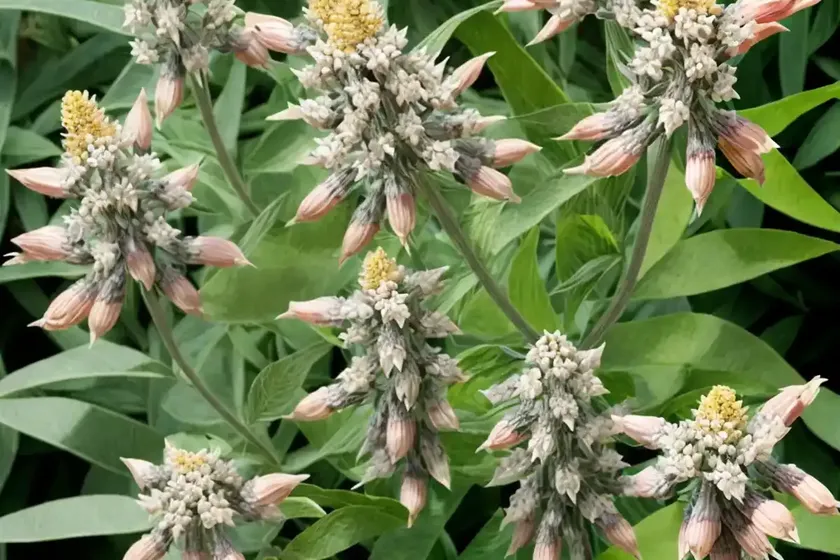
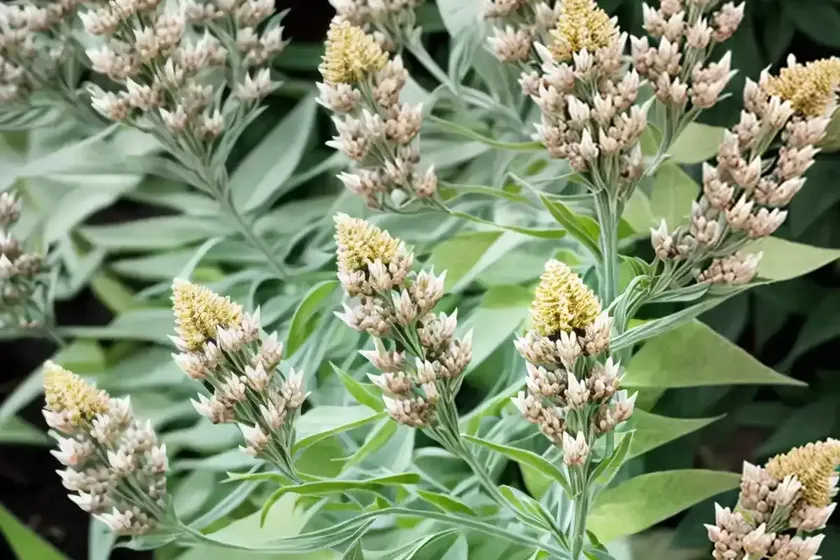
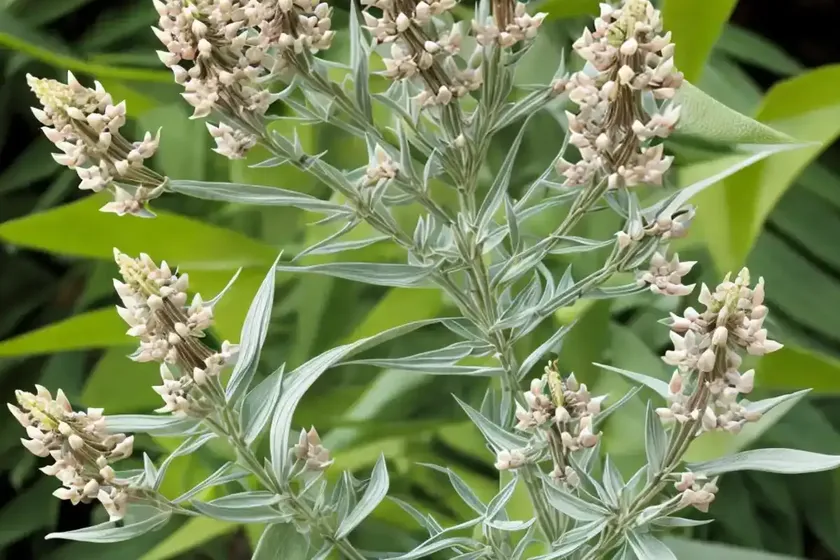
Asclepias verticillata, commonly known as Whorled Milkweed, is a native plant to North America that holds great ecological importance. It is an essential plant for wildlife and supports a myriad of beneficial insects, making it a valuable addition to any garden or landscape.
In this comprehensive guide, we will explore the characteristics, cultivation, practical uses, and ecological significance of Asclepias verticillata. Whether you are a seasoned gardener, a nature enthusiast, or someone looking to contribute to the preservation of native plant species, this article will provide you with invaluable insights into this fascinating plant.
What is Asclepias verticillata?
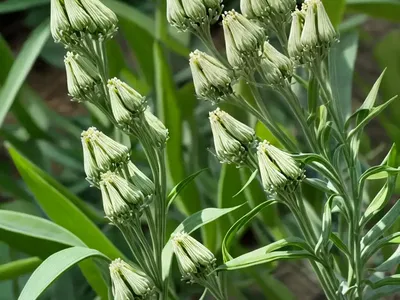
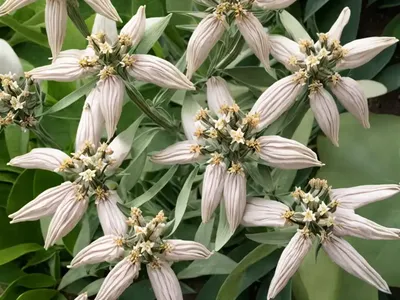
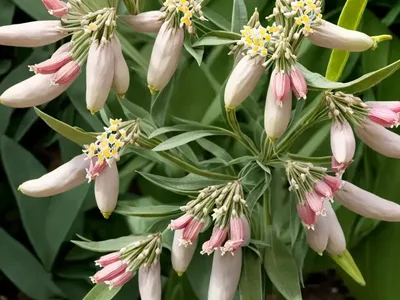
Asclepias verticillata, a member of the Asclepias genus, is a perennial herbaceous plant that belongs to the Apocynaceae family. It is recognized for its delicate, narrow leaves that appear in whorls along the stem, hence the common name “Whorled Milkweed.” This plant typically reaches a height of 1 to 2 feet and produces clusters of small, white flowers during the summer months. The botanical name “Asclepias” is derived from Asklepios, the Greek god of medicine, emphasizing the plant’s historical medicinal uses.
Key Takeaways – Asclepias verticillata (Whorled Milkweed)
Let’s delve into the essential aspects of Asclepias verticillata, encompassing its cultural requirements, practical uses, and its role in supporting biodiversity.
Culture
- Scientific Name: Asclepias verticillata
- Common Name: Whorled Milkweed
- Plant Type: Perennial
- Family: Apocynaceae
- Native Range: North America
- Habitat: Dry open woods, prairies, and roadsides
- Wildlife Attraction: Host plant for monarch butterflies and nectar source for various pollinators
Uses
- Ecological Significance: Essential plant for supporting wildlife and beneficial insects
- Garden Purposes: Adds ornamental value, supports pollinators, and contributes to conservation efforts
- Medicinal Properties: Historical uses in traditional medicine
Water
- Watering Needs: Moderate
- Drought Resistance: Highly resistant once established
Sunlight
- Sun Exposure: Full sun to partial shade
- Optimal Growing Conditions: Thrives in well-drained, sunny locations
Fertilizer
- Fertilization: Rarely requires fertilization
- Soil Enrichment: Benefits from organic amendments during planting
Soil
- Soil Type: Well-drained, sandy or loamy soils
- pH Range: Tolerates a wide pH range
Pruning
- Pruning Needs: Minimal
- Maintenance: Deadheading spent flowers promotes prolonged blooming
Propagation
- Propagation Methods: Seed propagation and division
- Seed Saving: Collect and store seeds for future plantings
Container Popularity
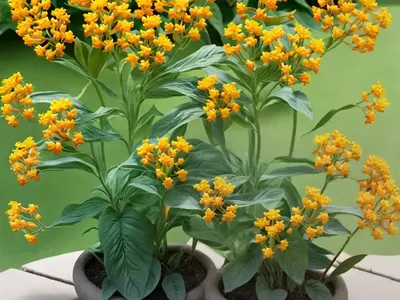
- Suitability for Containers: Excellent for container gardening
- Space Constraints: Thrives in confined spaces, making it suitable for urban gardening
Common Diseases
- Resilience: Generally disease-resistant
- Potential Issues: Susceptible to fungal diseases in overly wet conditions
Disease Diagnosis
- Symptoms: Yellowing, wilting, or spotted leaves
- Preventive Measures: Ensure proper soil drainage and adequate air circulation
Common Pests
- Pest Resistance: Mostly pest-resistant
- Occasional Pests: Aphids, milkweed bugs, and spider mites
Botanist’s Tips
- Enhancing Wildlife Habitat: Plant in clusters to attract and support a diverse range of pollinators and beneficial insects
- Conservation Efforts: Contribute to local conservation projects by incorporating Asclepias verticillata into your landscape
- Monarch Butterfly Support: Asclepias verticillata serves as a crucial host plant for monarch butterfly caterpillars
Fun Facts
- Historical Significance: Historical use of milkweed fibers by indigenous people
- Monarch Butterfly Migration: Essential resting grounds for migrating monarch butterflies
- Ecological Importance: Plays a vital role in maintaining biodiversity and supporting native ecosystems
Links to External Resources
Asclepias verticillata Care: A Closer Look
Whorled Milkweed Facts
Asclepias verticillata, or Whorled Milkweed, is recognized for its ecological importance and its role as a host plant for monarch butterflies. Here are some noteworthy facts about this fascinating plant:
- Monarch Butterfly Host: Asclepias verticillata serves as a crucial host plant for monarch butterfly caterpillars.
- Drought Resistance: Well-adapted to dry conditions, making it a valuable addition to xeriscapes and drought-tolerant landscapes.
- Medicinal Uses: Its historical usage in traditional medicine highlights its significance beyond its ecological role.
Growing Asclepias verticillata
Whorled Milkweed Characteristics
- Foliage: Narrow, whorled leaves
- Flowers: Clusters of small, white flowers
- Height: Typically reaches 1 to 2 feet in height
- Blooming Period: Summer months
Asclepias verticillata Habitat
- Native Range: Found across North America
- Preferred Habitat: Thrives in dry open woods, prairies, and roadsides
- Soil Preference: Well-drained sandy or loamy soils
Whorled Milkweed Plant Care
- Sun Exposure: Flourishes in full sun to partial shade
- Watering Needs: Moderate, with high drought resistance once established
- Soil Quality: Requires well-drained soils, but adaptable to various pH levels
Asclepias verticillata Propagation
Whorled Milkweed Native Range
- North American Native: Asclepias verticillata is native to North America, contributing to its ecological significance and suitability for local ecosystems.
Whorled Milkweed Uses
- Wildlife Benefits: Essential for supporting pollinators and creating wildlife habitats
- Garden Purposes: Adds ornamental value and supports conservation efforts
Asclepias verticillata Seeds
- Seed Propagation: Easily propagated from seeds, which can be collected and stored for future plantings
- Seed Dispersal: Natural dispersal methods contribute to the proliferation of this species in the wild
Whorled Milkweed Planting Guide
Asclepias verticillata for Cut Flowers
- Cut Flower Potential: Provides delicate, white blooms suitable for floral arrangements
- Garden Design: Adds a natural, wildflower charm to garden landscapes
Whorled Milkweed Garden Design
- Ecological Focus: Incorporating Asclepias verticillata into garden designs promotes biodiversity and supports local ecosystems
- Pollinator Gardens: Vital addition to pollinator-friendly gardens and wildlife habitats
Asclepias verticillata Medicinal Properties
- Historical Significance: Traditional medicinal uses were reported among indigenous communities
- Caution: While historically used, it is essential to consult reliable sources before utilizing plants for medicinal purposes
Whorled Milkweed Wildlife Benefits
- Monarch Butterfly Conservation: Supports the conservation of monarch butterflies, an iconic species with a vital role in ecosystems
- Insect Attraction: Attracts a diverse range of beneficial insects, contributing to overall ecosystem health
Ornamental Value
- Unique Foliage: The whorled leaves and delicate white flowers make Asclepias verticillata a visually appealing addition to gardens and landscapes
- Wild Garden Aesthetics: Adds a natural, untamed charm to garden settings
Whorled Milkweed Drought Resistance
- Drought-Tolerant Plant: Well-suited to dry and arid conditions, making it an ideal choice for sustainable landscaping
Asclepias verticillata for Landscaping
- Landscaping Benefits: Combines ecological value with ornamental appeal, contributing to sustainable and wildlife-friendly landscapes
- Native Plant Promotion: Supports the use of native plants to create resilient and vibrant landscapes
Companion Plants
- Synergistic Planting: Pairing Asclepias verticillata with other native plants creates harmonious and biodiverse landscapes
- Ecosystem Support: Companion planting encourages the establishment of healthy and resilient ecosystems
Asclepias verticillata Native Habitat
Whorled Milkweed Common Diseases
- Disease Resistance: Generally resilient to diseases, but susceptible to fungal issues in prolonged wet conditions
- Preventive Measures: Ensure proper drainage and manage moisture levels to minimize disease risks
Wildlife Garden
- Ecological Preservation: Integrating Asclepias verticillata into wildlife gardens contributes to the preservation of local flora and fauna
- Ecosystem Health: Encourages biodiversity and sustains essential wildlife populations
Whorled Milkweed Nectar Source
- Pollinator Support: Asclepias verticillata serves as a vital nectar source for various pollinators, contributing to the health of local ecosystems
- Butterfly Gardens: An essential component of butterfly and pollinator gardens
Asclepias verticillata Life Cycle
Whorled Milkweed Blooming Period
- Summer Blooms: Produces clusters of small, white flowers during the summer months, attracting a diverse range of pollinators
- Seasonal Impact: Supports pollinators during the active growing season
Ecological Importance
- Natural Ecosystem Contributions: Plays a critical role in supporting local biodiversity and ecological balance
- Wildlife Interaction: Provides essential resources for a diverse array of wildlife
Whorled Milkweed Insects Attraction
- Beneficial Insects: Attracts beneficial insects, including a variety of pollinators that depend on its nectar and pollen
- Ecosystem Health: Contributes to the overall health and resilience of local ecosystems
Asclepias verticillata Perennial Plant
- Longevity: A long-lived perennial plant that persists in the landscape, providing sustained support for wildlife and ecological balance
- Low Maintenance: Once established, Asclepias verticillata requires minimal care and maintenance
Whorled Milkweed Soil Requirements
- Soil Preference: Thrives in well-drained sandy or loamy soils
- Adaptability: Tolerant of various soil pH levels, contributing to its versatility in different landscapes
Best Growing Conditions
- Optimal Environment: Thrives in sunny, well-drained locations, making it an excellent choice for gardens and naturalized landscapes
- Diversity Promotion: Encourages biodiversity and supports local ecosystems
Seed Saving Tips
- Conservation Effort: Collecting and saving seeds supports the propagation of Asclepias verticillata and contributes to the preservation of native plant species
- Propagation Resources: Utilize saved seeds for future plantings or share them with local conservation initiatives
Asclepias verticillata Native Plant Conservation
Whorled Milkweed as a Host Plant
- Monarch Butterfly Support: Essential host plant for monarch butterfly caterpillars, contributing to the conservation of this iconic species
- Conservation Impact: Promotes the preservation of crucial native plant species and their associated wildlife
Winter Care
- Cold Hardiness: Endures winter conditions and contributes to the aesthetics and ecological value of winter landscapes
- Seasonal Adaptation: Adapts to winter dormancy and persists in the landscape throughout the colder months
Whorled Milkweed Propagation Methods
- Seed Propagation: Easily propagated from seeds, providing opportunities for home gardeners to support biodiversity and conservation efforts
- Division: Clump division offers an additional method for propagating Asclepias verticillata
Non-Invasive Species
- Non-Invasive Nature: Asclepias verticillata demonstrates non-aggressive growth and integrates harmoniously into natural and cultivated landscapes
- Eco-Friendly Gardening: Supports sustainable gardening practices and the protection of local ecosystems
Whorled Milkweed Monarch Butterfly Host
- Monarch Butterfly Conservation: Asclepias verticillata plays a vital role in the conservation of monarch butterflies, an emblematic and threatened species
- Wildlife Gardens: Essential for creating habitats that support monarch butterflies and their entire life cycle
Garden Pests
- Pest Resistance: Generally resistant to pests, but occasional issues with aphids, milkweed bugs, and spider mites may occur
- Natural Predators: Beneficial insects and natural predators help maintain pest populations in check
Wildlife Garden Ideas
- Naturalistic Landscapes: Emphasizes biodiversity, wildlife support, and ecological preservation
- Educational Value: Provides opportunities for learning about local ecosystems and the importance of native plant species
Asclepias verticillata Endangered Species
- Conservation Concerns: Despite being relatively widespread, ongoing habitat loss and other threats underline the importance of promoting its conservation
- Public Engagement: Encourages public participation and awareness in protecting threatened native plants
Whorled Milkweed in Prairie Restoration
- Habitat Restoration: Plays a crucial role in restoring and preserving native prairie ecosystems, contributing to overall ecological health
- Biodiversity Promotion: Supports the reestablishment of diverse native plant communities and associated wildlife
Sun Exposure
- Sun Requirements: Flourishes in full sun to partial shade, providing flexibility in garden placement and design
- Adaptive Nature: Tolerates a range of light conditions, enhancing its suitability for diverse landscapes
Drought-Tolerant Plant
- Dry Environment Adaptation: Thrives in arid and xeric conditions, making it an ideal choice for sustainable and low-maintenance landscapes
- Water Conservation: Contributes to water-wise gardening and resilient landscape design
Butterfly Garden
- Pollinator Support: A crucial component of butterfly gardens, providing essential resources for butterflies and supporting their conservation
- Educational Value: Offers educational opportunities and fosters an appreciation for wildlife and ecology
Green Gardening
- Sustainable Landscaping: Supports environmentally friendly gardening practices and contributes to the overall health of ecosystems
- Biodiversity Enhancement: Incorporates native plants to promote resilience and diversity in local landscapes
Unique Foliage
- Ornamental Appeal: Asclepias verticillata’s distinctive foliage adds visual interest and texture to garden settings
- Wildflower Aesthetics: Captures the untamed beauty of native wildflowers, enhancing naturalistic garden designs
Soil pH Requirements
- Soil Adaptability: Tolerant of various soil pH levels, allowing for widespread adaptability and use in diverse landscapes
- Ease of Cultivation: Requires minimal soil modification, making it accessible to a wide range of gardeners
Winter Survival
- Cold Tolerance: Endures and persists throughout the winter season, contributing to the structure and ecological value of winter landscapes
- Wildlife Support: Provides critical resources for overwintering wildlife and beneficial insects
Native Plant Enthusiasts
- Conservation Advocacy: Advocates for the use and preservation of native plants, fostering a deeper connection to local ecosystems
- Community Engagement: Encourages community involvement in supporting native plant conservation efforts
Conclusion
Asclepias verticillata, or Whorled Milkweed, stands as a beacon of ecological significance, providing essential support for wildlife and contributing to the preservation of native ecosystems. Its versatility, resilience, and ornamental appeal make it a valuable addition to gardens, natural landscapes, and conservation initiatives. By understanding its cultural requirements, ecological role, and practical uses, individuals can actively contribute to the conservation of local flora and fauna while creating vibrant and biodiverse landscapes.
Through the incorporation of Asclepias verticillata into our gardens and natural spaces, we not only enhance the aesthetics of our surroundings but also play a role in the broader efforts to conserve and restore vital ecological systems. As we celebrate the unique features and ecological contributions of Asclepias verticillata, let’s continue our commitment to sustainable gardening practices and the preservation of native plant species, ensuring a thriving and resilient natural world for future generations.
I hope this comprehensive guide provides a deeper understanding of Asclepias verticillata and inspires a greater appreciation for the ecological contributions of this remarkable plant.
If you have any questions, feel free to reach out. Happy gardening and conservation efforts!
Disclaimer: The content presented in this article is for informational purposes only and should not be construed as professional advice. Always consult local resources and experts for specific guidance on plant care and conservation practices.
References available upon request.