Asclepias Viridis (Green Milkweed)
Asclepias viridis, commonly known as Green Milkweed, is a perennial flowering plant native to the central United States. With its unique green flowers and.
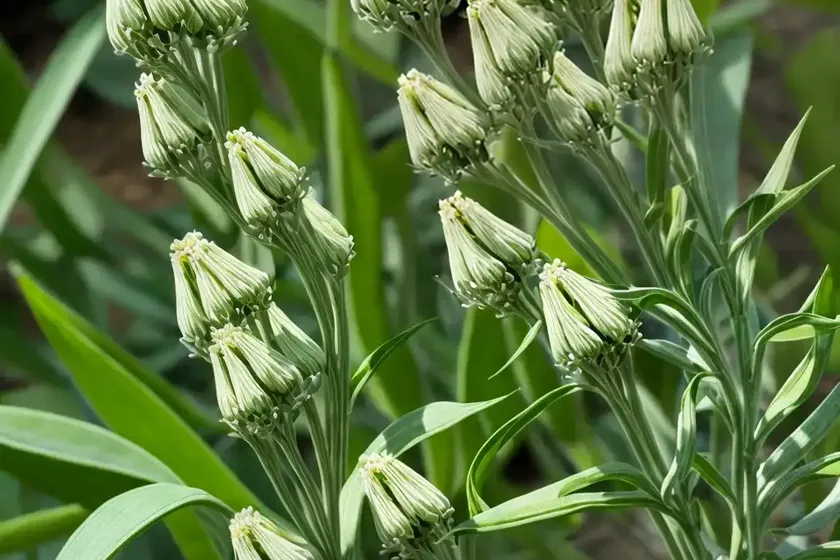
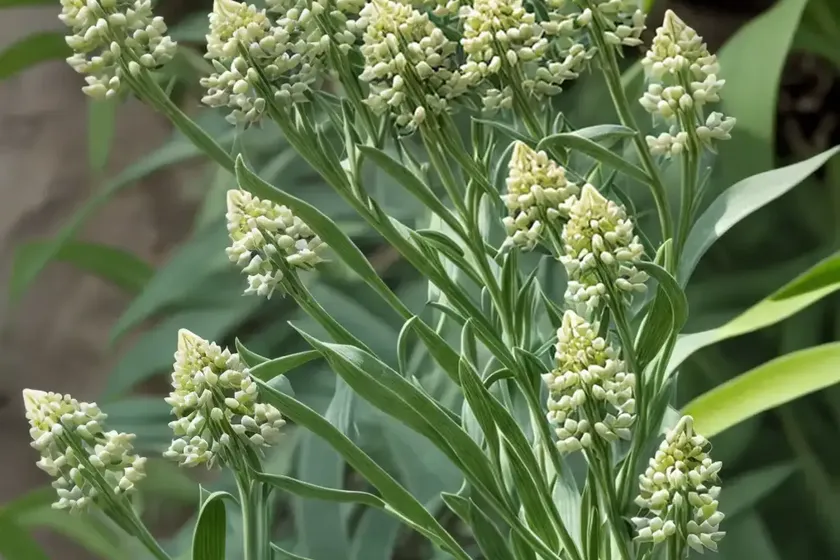
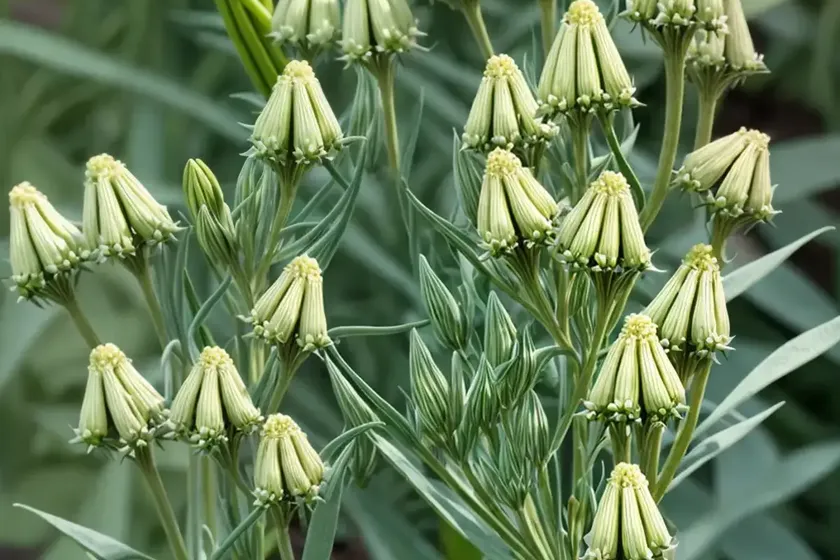
Asclepias viridis, commonly known as Green Milkweed, is a perennial flowering plant native to the central United States. With its unique green flowers and its significant role in supporting local ecosystems, Asclepias viridis has gained attention from gardeners, conservationists, and researchers alike. In this comprehensive guide, we will explore the culture, uses, and key facts about Asclepias viridis, as well as its conservation significance and the best practices for its cultivation.
What is Asclepias Viridis (Green Milkweed)?
Asclepias viridis belongs to the Apocynaceae family and is a prominent member of the Asclepias genus, which comprises over 100 species commonly known as milkweeds. These plants are known for their milky sap and their importance as host plants for monarch butterflies and other pollinators. Asclepias viridis is characterized by its distinct green flowers and lance-shaped leaves, making it an attractive addition to native plant gardens and natural landscapes.
The natural habitats of Asclepias viridis include prairies, open woodlands, and roadsides, where it thrives in well-drained soils under full sun exposure. This species plays a vital role in supporting pollinator populations and contributes to the biodiversity of its native regions.
Key Takeaways – Asclepias Viridis (Green Milkweed)
Culture
- Asclepias viridis is a resilient plant that flourishes in well-drained soils with full sun exposure.
- It is commonly found in prairies, open woodlands, and roadsides in the central United States.
- The plant’s unique green flowers make it a distinctive addition to gardens and landscapes.
Uses
- As a host plant for monarch butterflies, Asclepias viridis is essential for supporting their life cycle and migration.
- The plant has ecological importance in supporting various pollinator species and contributing to overall biodiversity.
Water
- Asclepias viridis thrives in dry to medium moisture levels and is well-suited to drought-prone regions.
- Once established, it demonstrates good tolerance to dry conditions and requires minimal supplemental watering.
Sunlight
- Full sun exposure is crucial for the healthy growth and blooming of Asclepias viridis.
- It is advisable to plant it in locations with at least six hours of direct sunlight per day.
Fertilizer
- Asclepias viridis generally thrives in nutrient-poor soils and does not require fertilization.
- Excessive fertilization can lead to vigorous vegetative growth at the expense of its role as a host plant for pollinators.
Soil
- Well-drained soils are essential for the successful cultivation of Asclepias viridis.
- Sandy or gravelly soils are suitable, and the plant is often found in prairies and rocky areas within its native habitats.
Pruning
- Minimal pruning is necessary for Asclepias viridis, primarily for the removal of dead foliage and spent flowers.
- Pruning should be carried out in late winter or early spring to promote healthy regrowth.
Propagation
- Asclepias viridis can be propagated from seeds, which are often dispersed naturally by the wind.
- Direct seeding in the garden or natural areas is a common method for propagation.
Container Popularity
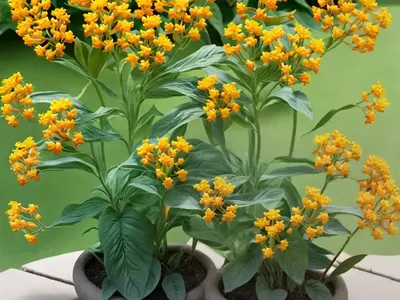
- Asclepias viridis can be grown in containers, making it a suitable choice for small gardens, balconies, and patios.
- Its attractive appearance and the potential to support pollinators make it a popular container plant.
Common Diseases
- Asclepias viridis is relatively resistant to diseases and pests.
- However, it may be susceptible to issues such as powdery mildew and aphid infestations under certain conditions.
Disease Diagnosis
- Symptoms of powdery mildew on Asclepias viridis include white, powdery patches on the foliage.
- Aphid infestations may cause deformation of the plant’s new growth and the presence of honeydew secretions.
Common Pests
- Aphids can infest Asclepias viridis, particularly in humid and crowded growing conditions.
- Regular monitoring and the use of organic pest control methods can effectively manage aphid populations.
Botanist’s Tips
- When cultivating Asclepias viridis, it is important to prioritize its role as a host plant for pollinators.
- Avoid the use of chemical pesticides, as they can harm the plant and the beneficial insects it supports.
Fun Facts
- The unique green flowers of Asclepias viridis make it a striking and memorable species in natural landscapes.
- Its role as a host plant for monarch butterflies underscores its ecological significance and conservation value.
Asclepias Viridis (Green Milkweed) in Conservation and Gardening
Asclepias viridis is a plant of ecological and conservation importance due to its role in supporting pollinators and contributing to the biodiversity of its native regions. With the decline of monarch butterfly populations and the loss of habitat for pollinators, the cultivation of native milkweed species, including Asclepias viridis, has gained recognition as a crucial conservation effort.
Attracting Pollinators with Asclepias Viridis
As a host plant for monarch butterflies, Asclepias viridis plays a vital role in attracting and supporting these iconic pollinators. By creating suitable habitats and planting native milkweed species, gardeners and conservationists can actively contribute to the conservation of monarch butterflies and other pollinator species.
Green Milkweed in Landscaping
In landscaping and garden design, Asclepias viridis serves both aesthetic and ecological purposes. Its unique green flowers and attractive foliage make it a desirable addition to naturalistic plantings, prairie gardens, and pollinator-friendly landscapes. When incorporated into sustainable landscaping practices, it provides valuable habitat and food sources for pollinators, contributing to the overall health of local ecosystems.
Importance of Protecting Green Milkweed
The conservation of Asclepias viridis and other native milkweed species is essential for the preservation of pollinators and the maintenance of healthy ecosystems. By safeguarding their natural habitats and promoting their cultivation in gardens and natural areas, individuals and organizations can actively contribute to the protection of these vital plant species and the wildlife they support.
Green Milkweed for Butterfly Gardens
Butterfly gardens, which are specifically designed to attract and support butterflies throughout their life cycles, benefit greatly from the inclusion of Asclepias viridis and other milkweed species. By providing suitable nectar sources and host plants, these dedicated spaces contribute to the conservation of butterfly populations and enhance the enjoyment of observing these beautiful insects.
Asclepias Viridis for Pollinator Conservation
In addition to its significance for monarch butterflies, Asclepias viridis supports a wide range of pollinator species, including bees, moths, and other butterflies. Its nectar-rich flowers and role as a host plant contribute to the overall health and diversity of pollinator communities, making it a valuable addition to pollinator conservation efforts.
Asclepias Viridis (Green Milkweed) – Best Practices for Cultivation
Growing Green Milkweed
Cultivating Asclepias viridis in home gardens, natural areas, and restoration projects follows specific guidelines to ensure its successful establishment and contribution to pollinator habitats. Consider the following best practices for growing Green Milkweed:
-
Best Soil for Growing Asclepias Viridis: Well-drained sandy or gravelly soils are ideal for Asclepias viridis. These soils resemble its natural habitats and support healthy growth.
-
Green Milkweed Propagation: Propagate Asclepias viridis from seeds by direct seeding in the garden or natural areas. The seeds often disperse naturally, and their germination can be enhanced by scarification.
-
Asclepias Viridis Plant Care: Once established, Asclepias viridis generally requires minimal maintenance, consisting of occasional pruning and the removal of spent flowers.
-
Green Milkweed Watering: While Asclepias viridis is well-adapted to dry to medium moisture levels, additional water may be necessary during prolonged drought periods, particularly for newly planted specimens.
-
Sunlight Requirements: Full sun exposure is essential for the healthy growth and blooming of Asclepias viridis. Plant it in locations with at least six hours of direct sunlight per day.
-
Asclepias Viridis and Monarch Butterflies: Recognize the vital role of Asclepias viridis as a host plant for monarch butterflies and prioritize its inclusion in habitat restoration projects targeting monarch conservation.
-
Companion Plants for Asclepias Viridis: When incorporating Asclepias viridis into gardens or natural areas, consider companion plants that complement its growth habits and contribute to pollinator-friendly habitats.
Asclepias Viridis in Different Regions
Asclepias viridis is naturally distributed in the central United States, thriving in regions that offer suitable growing conditions. When introducing this species to new regions, consider the following factors:
-
Green Milkweed Natural Habitat: Understand the natural habitats of Asclepias viridis and select locations that mimic its preferred growing conditions.
-
Green Milkweed Blooming Season: Coordinate planting times to align with the blooming season of Asclepias viridis, ensuring that it can support pollinators and contribute to local ecosystems.
-
Asclepias Viridis in Urban Environments: Explore the potential for introducing Asclepias viridis to urban landscapes, parks, and community gardens to enhance pollinator habitats and support biodiversity in urban settings.
Green Milkweed Habitat Restoration Strategies
Asclepias viridis is an excellent candidate for habitat restoration and conservation projects aimed at supporting native plant communities and pollinators. To maximize its impact in restoration efforts, consider the following strategies:
-
Asclepias Viridis for Native Plant Restoration: Integrate Asclepias viridis into restoration plans targeting native plant communities, restoring degraded habitats, and supporting pollinator diversity.
-
Green Milkweed Seeds for Sale: Utilize locally adapted seeds of Asclepias viridis to support restoration initiatives and make them available to individuals, organizations, and restoration practitioners.
-
Asclepias Viridis Seedling Care: Implement appropriate seedling care practices to ensure the successful establishment of Asclepias viridis in restoration sites and natural areas.
Identifying Asclepias Viridis
Asclepias viridis is distinguished by several key characteristics that aid in its identification. When identifying this species, consider the following features:
-
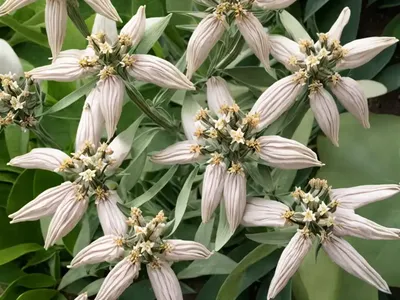
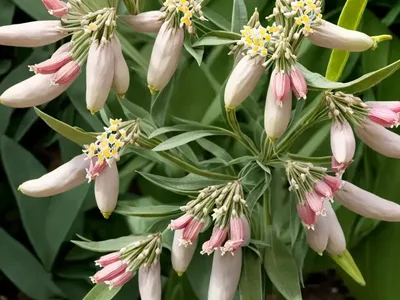
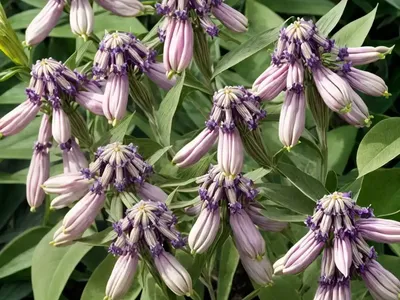
Asclepias Viridis Characteristics: Green Milkweed can be identified by its lance-shaped leaves, green flowers, and distinctive growth habits, which include upright stems and a clumping growth pattern.
-
Green Milkweed Life Cycle: Become familiar with the life cycle of Asclepias viridis, including its blooming season, growth patterns, and the development of seed pods.
-
Green Milkweed Seed Collection: Learn the appropriate timing and methods for collecting seeds from Asclepias viridis to support propagation and conservation efforts.
Asclepias Viridis – Links to External Resources
For further information on Asclepias viridis, its cultivation, and its significance in conservation and gardening, explore the following resources:
Conclusion
Asclepias viridis, known as Green Milkweed, encompasses ecological, conservation, and gardening significance as a native milkweed species. Its role as a host plant for monarch butterflies and its contribution to pollinator habitats underscore its importance in supporting biodiversity and promoting sustainable gardening practices. By understanding its culture, uses, and best practices for cultivation, individuals can actively engage in conservation efforts and create pollinator-friendly landscapes that benefit local ecosystems and wildlife populations. Through the collaborative conservation of native milkweed species like Asclepias viridis, we can contribute to the protection of pollinators and the preservation of diverse plant communities, fostering a harmonious and thriving natural environment.
Monarch Watch. “Native Milkweeds: Asclepias Viridis.” https://monarchwatch.org/bring-back-the-monarchs/milkweed/native-milkweeds/asclepias-viridis/.
Lady Bird Johnson Wildflower Center. “Asclepias Viridis.” https://www.wildflower.org/plants/result.php?id_plant=ASVI.
Xerces Society. “Monarch and Milkweed Resources.” https://xerces.org/monarchs/resources/.
The Pollinator Partnership. https://www.pollinator.org/.
USDA Plants Database. Asclepias Viridis. https://plants.usda.gov/core/profile?symbol=asvi.
North American Native Plant Society. “Asclepias Viridis.” https://nanps.org/asviri-green-milkweed/.