Milkweed (Asclepias Syriaca)
Milkweed, scientifically known as Asclepias syriaca, is a herbaceous plant that belongs to the family Apocynaceae. This perennial plant is native to North.
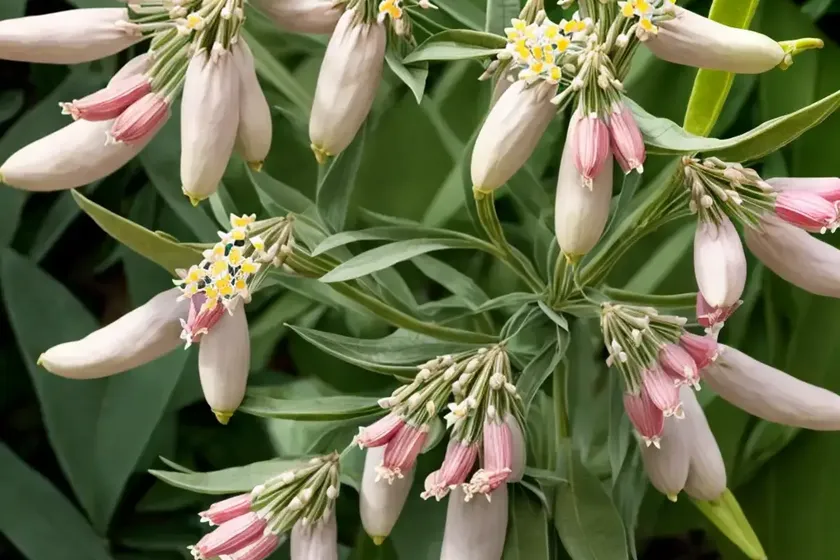
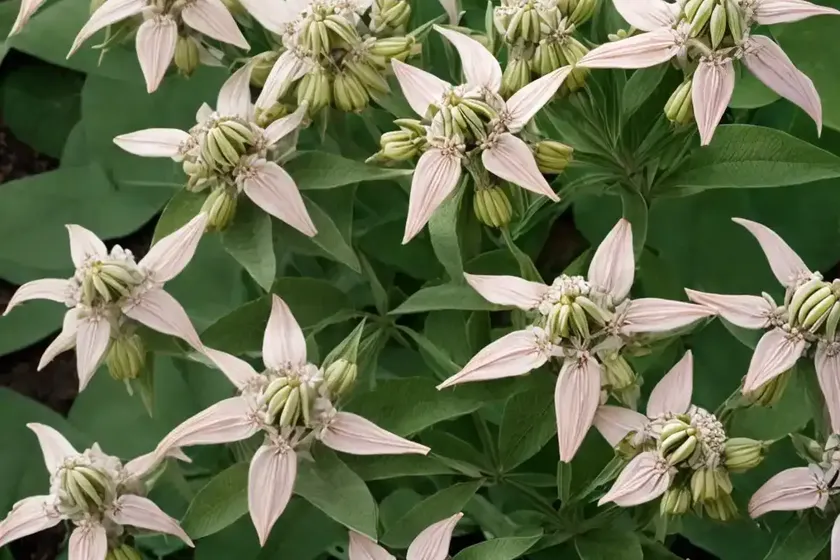
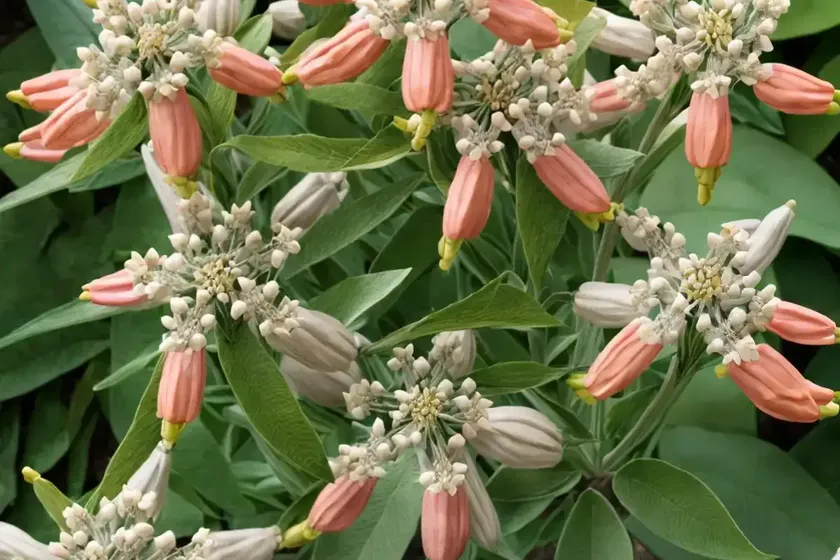
Milkweed, scientifically known as Asclepias syriaca, is a herbaceous plant that belongs to the family Apocynaceae. This perennial plant is native to North America and is widely recognized for its ecological importance, particularly as a crucial food source for the larvae of monarch butterflies. Milkweed plants are known for their distinctive clusters of pink or purplish flowers and their characteristic pods filled with seeds, which are carried by the wind with silky hairs. While Asclepias syriaca is the focus of this discussion, it’s important to note that there are over 100 species of milkweed, each with unique characteristics and uses.
Key Takeaways – Milkweed (Asclepias syriaca)
Before delving into the specifics of Milkweed care, let’s examine some key takeaways regarding this remarkable plant.
- Scientific Name: Asclepias syriaca
- Common Name: Common Milkweed
- Type: Herbaceous perennial
- Native Habitat: North America
- Ecological Importance: Essential for monarch butterfly larvae
- Distinctive Features: Clusters of pink or purplish flowers, pods with airborne seeds
- Uses: Wildlife habitat, ecological restoration, medicinal purposes, and more
Now that we have a basic understanding of Asclepias syriaca, it’s time to explore its care requirements, uses, and fascinating attributes in more detail.
Culture
Cultivating Asclepias syriaca can be a rewarding experience for gardeners, conservationists, and nature enthusiasts alike. However, to ensure its successful growth, it’s important to understand and cater to its specific cultural requirements.
Uses
The versatile Milkweed plant serves a range of purposes, making it a valuable addition to various landscapes and gardens. Here are some of its key uses:
- Wildlife Habitat: Asclepias syriaca attracts a diversity of pollinators, including bees and butterflies, making it an ideal choice for wildlife gardens.
- Ecological Restoration: Due to its ability to thrive in diverse habitats, Common Milkweed is often used in ecological restoration projects to enhance biodiversity and support native ecosystems.
- Medicinal Purposes: Several parts of the Milkweed plant have been traditionally used for medicinal purposes, and ongoing research is exploring its potential medicinal properties.
- Natural Dye: The plant’s milky sap has been utilized as a natural dye in various cultures, adding a sustainable and eco-friendly element to textile production.
- Landscape Design: With its attractive flowers and foliage, Asclepias syriaca brings aesthetic appeal to gardens and landscapes, especially those designed to support native flora and fauna.
Water
Understanding the water needs of Milkweed plants is crucial for their successful cultivation. While Asclepias syriaca possesses some drought tolerance, adequate moisture is essential, particularly during its initial establishment and periods of prolonged dryness.
- Initial Establishment: Newly planted Milkweed specimens require regular watering to support root establishment and early growth. Providing consistent moisture during this phase is critical for their long-term health and resilience.
- Prolonged Dry Spells: During dry periods, especially in regions with hot summers or infrequent rainfall, supplemental watering may be necessary to prevent stress and dehydration. However, it’s important to avoid waterlogging the soil, as this can lead to root rot and other issues.
Sunlight
Similar to many native plants, Asclepias syriaca thrives in full sun and benefits from ample sunlight exposure. When selecting a planting site or positioning Milkweed in a garden or landscape, consider the following sunlight-related aspects:
- Sun Requirements: Common Milkweed generally requires at least 6-8 hours of direct sunlight daily to flourish, making it an excellent choice for sunny borders, meadows, and open spaces.
- Shade Considerations: While Asclepias syriaca appreciates full sun, it can tolerate some light shade, particularly in hotter regions where partial shading during the hottest part of the day may be beneficial.
Fertilizer
Milkweed plants are known for their resilience and ability to thrive in diverse soil conditions, often requiring minimal fertilization when grown in suitable habitats. However, understanding the role of fertilizers can be beneficial in promoting healthy growth and blooming.
- Soil Nutrients: In nutrient-poor soils, the application of a balanced, slow-release fertilizer in spring can support the initial growth and development of Asclepias syriaca, particularly when establishing new plantings.
- Pollinator Considerations: When selecting fertilizers for Milkweed, opt for options that are low in phosphorus, as excess phosphorus can be detrimental to butterfly populations and other pollinators that rely on the plant.
Soil
The soil composition and texture play a significant role in the successful cultivation of Milkweed plants. Understanding the preferred soil conditions can help ensure optimal growth and blooming.
- Drainage: Well-draining soil is essential for preventing waterlogging and preventing root rot. Amending heavy clay soils with organic matter can enhance drainage and create a more hospitable environment for Asclepias syriaca.
- pH Level: Common Milkweed generally thrives in neutral to slightly acidic soils with a pH range of 6.5-7.5. Conducting a soil test can provide valuable insights into the pH and nutrient composition of the planting area.
- Soil Amendments: Incorporating organic matter such as compost or well-rotted manure into the soil can improve its structure, fertility, and moisture retention, creating an ideal growing medium for Milkweed.
Pruning
While Milkweed plants don’t require extensive pruning, several considerations can help maintain their health, appearance, and ecological benefits.
- Deadheading: Removing spent flowers can promote additional blooming and prevent the formation of excessive seeds, redirecting the plant’s energy into vegetative growth and nectar production for pollinators.
- Spring Clean-Up: In late winter or early spring, gently pruning back any dead or damaged stems from the previous growing season can help rejuvenate the plant for the upcoming spring and summer.
Propagation
Milkweed plants can be propagated through various methods, including seeds, cuttings, and division. Understanding the propagation techniques for Asclepias syriaca can enable gardeners to expand their Milkweed populations and contribute to monarch butterfly conservation efforts.
- Seed Propagation: Harvesting and sowing Milkweed seeds is a popular and effective method of propagation. However, it’s important to ensure that the seeds are sown at the appropriate depth and time of year to support successful germination and establishment.
- Cuttings: While less common, stem cuttings can be used to propagate certain Milkweed species, including Asclepias syriaca. Selecting healthy, non-flowering stems and providing them with the proper rooting environment can yield new plants.
- Division: Dividing mature Milkweed plants can help rejuvenate overgrown clumps, generate new plantings, and manage the size and spread of existing specimens.
Container Popularity
In addition to being planted in traditional garden beds and naturalized landscapes, Milkweed plants are well-suited for container cultivation. This container-friendly characteristic allows them to thrive in a range of settings, including urban environments, balconies, and small gardens. The following considerations are essential for successfully growing Asclepias syriaca in containers:
- Container Size: Selecting appropriately sized containers that provide ample room for root development and stability is crucial for the long-term health of Milkweed plants. Consider the mature size of the species being grown when choosing containers.
- Drainage: Ensuring adequate drainage is essential for preventing waterlogging and maintaining optimal soil moisture levels. Adding a layer of gravel or using containers with drainage holes can help promote healthy root conditions.
- Soil Quality: Using a well-draining, high-quality potting mix can support the growth and development of Milkweed plants in containers, providing essential nutrients and aeration for the roots.
Common Diseases
While Milkweed plants are typically resilient, they can be susceptible to certain diseases and issues, particularly in conditions of poor air circulation, excessive moisture, and nutrient imbalances. Recognizing common diseases and their symptoms is essential for prompt intervention and treatment.
Disease Diagnosis
- Powdery Mildew: This fungal disease presents as a powdery white coating on the leaves, often leading to leaf distortion and reduced photosynthetic capacity. Improving air circulation and applying fungicidal treatments can help manage powdery mildew.
- Root Rot: Excessive moisture and poorly draining soil can lead to root rot, causing wilting, yellowing, and eventual collapse of the plant. Adjusting watering practices and improving soil drainage are critical for preventing and managing root rot.
Common Pests
In addition to diseases, Milkweed plants can attract certain pests that may impact their growth and ecological function. Recognizing common pests and implementing effective pest management strategies is crucial for maintaining healthy populations of Asclepias syriaca.
- Aphids: These small, sap-feeding insects can cluster on the stems and undersides of leaves, causing wilting and stunted growth. Natural predators and insecticidal soaps can help control aphid populations on Milkweed plants.
- Milkweed Bugs: While they typically feed on the seeds of Milkweed, high populations of milkweed bugs can lead to seed damage and reduce the plant’s reproductive capacity. Hand-picking or shaking the insects into a container can help manage their numbers.
Botanist’s Tips
To support the successful cultivation of Asclepias syriaca and contribute to its ecological significance, consider the following expert tips:
- Native Plant Landscaping: Incorporating Milkweed and other native plants into landscaping projects can enhance biodiversity, support pollinators, and create resilient, low-maintenance ecosystems.
- Monarch Butterfly Conservation: By providing critical habitat through Milkweed plantings, individuals and organizations can contribute to the conservation of monarch butterflies and their remarkable migratory phenomenon.
Fun Facts
As you embark on your journey of exploring and growing Milkweed plants, consider these intriguing and inspiring fun facts:
- The silky hairs attached to Milkweed seeds assist in dispersal by catching the wind, enabling them to travel significant distances from the parent plant.
- Monarch butterflies lay their eggs exclusively on Milkweed plants, and the resulting caterpillars depend on the foliage as their sole source of food.
- Milkweed plants contain latex, a milky sap that can be toxic and irritating if in contact with the skin or ingested. This protective feature serves as a natural defense mechanism against herbivores.
Links to External Resources
For additional insights, guidance, and resources on Asclepias syriaca and Milkweed plant care, consider exploring the following reputable sources:
- Monarch Joint Venture
- The Xerces Society for Invertebrate Conservation
- Lady Bird Johnson Wildflower Center
- National Wildlife Federation
In conclusion, the cultivation and conservation of Milkweed plants, including Asclepias syriaca, can significantly impact ecosystem health, support pollinators, and contribute to the preservation of monarch butterflies. By understanding its cultural requirements, uses, and ecological importance, you can play a vital role in promoting the resilience and vitality of this iconic North American native plant.
By embracing native plant gardening, ecological restoration, and sustainable landscaping practices, we can create thriving environments that benefit wildlife, enhance biodiversity, and inspire a deeper connection to the natural world.
Keywords: Milkweed plant care, Asclepias syriaca plant, Milkweed plant information, Growing milkweed at home, Common milkweed species, Importance of milkweed plants, How to grow Asclepias syriaca, Milkweed for pollinators, Milkweed plant characteristics, Benefits of planting milkweed, Milkweed plant facts, Asclepias syriaca habitat, Milkweed plant identification, Milkweed plant varieties, Propagating milkweed plants, Milkweed plant lifecycle, Milkweed plant uses, Growing milkweed from seeds, Milkweed plant diseases, Pruning milkweed plants, Milkweed plant pests, Milkweed plant conservation, Milkweed plant adaptations, Milkweed planting tips, Milkweed plant native range, Milkweed plant for monarch butterflies, Milkweed plant for caterpillars, Milkweed plant for wildlife, Milkweed companion plants, Milkweed plant for natural dye, Milkweed plant for medicinal purposes, Milkweed plant in traditional medicine, Milkweed plant for gardening, Milkweed plant for landscape design, Monarch butterfly host plant, Attracting butterflies with milkweed, Native plants for pollinators, Milkweed plant for sustainable gardening, Milkweed plant for wildlife habitat, Milkweed plant for ecological restoration, Milkweed plant folklore, Milkweed plant symbolism, Milkweed plant in folklore and myth, Milkweed plant in literature, Milkweed plant as a natural repellent, Milkweed plant in organic gardening, Milkweed plant for a butterfly garden, Milkweed plant in permaculture, Milkweed plant as a bioindicator, Milkweed plant and climate change.