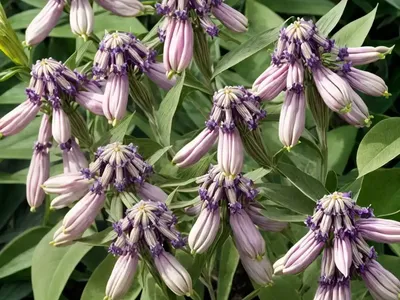
California Milkweed (Asclepias Californica)
As a plant scientist with a passion for exploring the marvels of the natural world, I am excited to delve into the fascinating realm of California Milkweed.
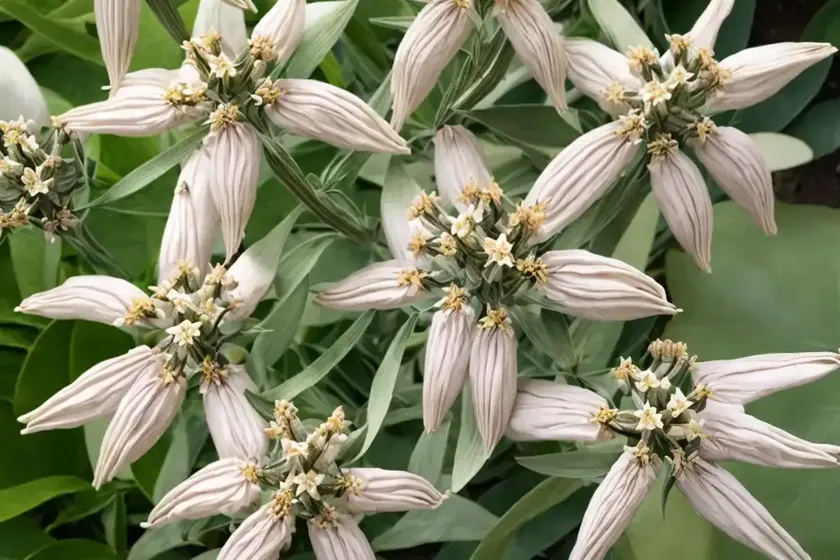
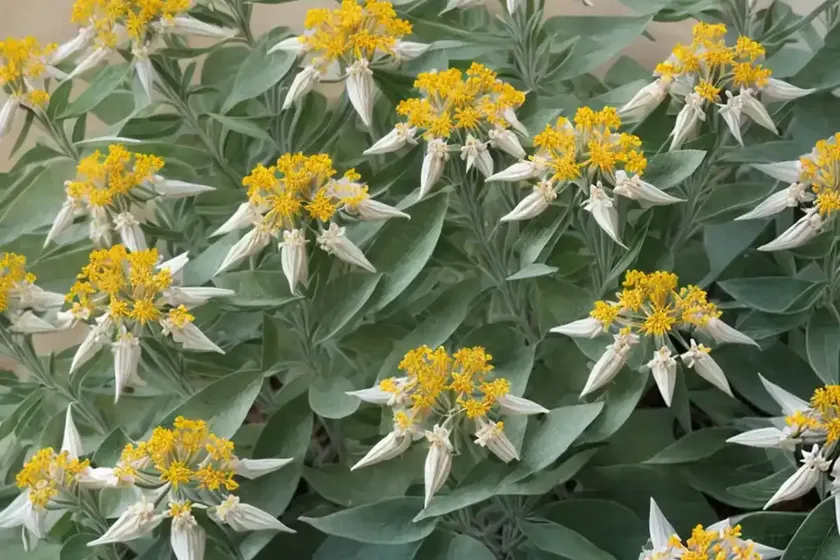
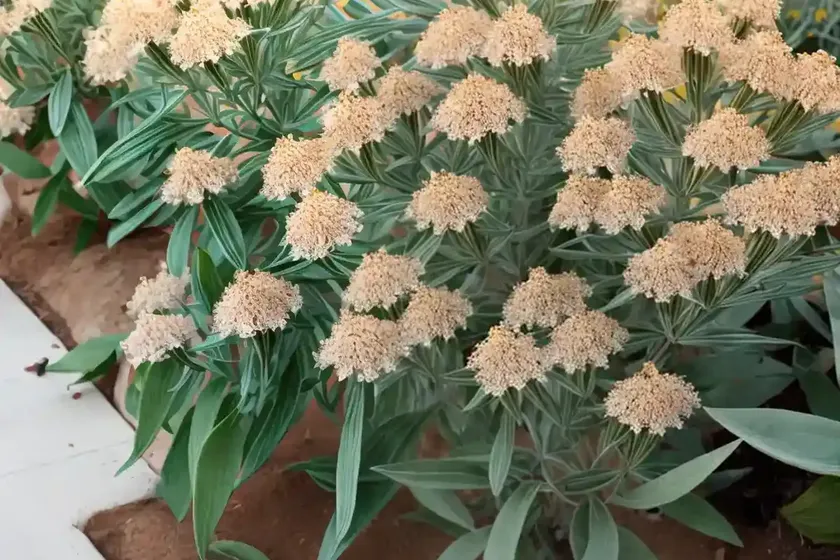
As a plant scientist with a passion for exploring the marvels of the natural world, I am excited to delve into the fascinating realm of California Milkweed (Asclepias Californica). In this comprehensive guide, we will uncover the key characteristics, cultural requirements, uses, and ecological significance of this remarkable plant. Join me on this educational journey as we unravel the wonders of California Milkweed and gain insights into its pivotal role in supporting biodiversity and ecological balance.
What is California Milkweed (Asclepias Californica)?
California Milkweed, scientifically known as Asclepias Californica, is a native perennial plant species that belongs to the family Apocynaceae. This captivating plant is renowned for its vibrant clusters of flowers, which attract a diverse array of pollinators, including butterflies and bees. Asclepias Californica is an integral component of various natural habitats in California, playing a crucial role in supporting the life cycles of monarch butterflies and other pollinators.
California Milkweed Facts
- The scientific name of California Milkweed is Asclepias Californica.
- It is a native perennial plant species in California.
- California Milkweed serves as a vital host and nectar plant for monarch butterflies and other pollinators.
- This plant is recognized for its vibrant, showy clusters of flowers, which vary in color from pale pink to deep rose.
Now that we have an initial understanding of California Milkweed, let’s delve deeper into its key characteristics, cultural requirements, and ecological significance.
Key Takeaways – California Milkweed (Asclepias Californica)
California Milkweed Characteristics
- Scientific Name: Asclepias Californica
- Family: Apocynaceae
- Plant Type: Perennial
- Native Range: California
Native California Milkweed
California Milkweed is indigenous to California, where it thrives in a variety of natural habitats, including coastal sage scrub, chaparral, and open woodlands. Its native status underscores its unique adaptation to the climatic and ecological conditions of the region.
Growing California Milkweed
Asclepias Californica can be cultivated in home gardens, native plant landscapes, and wildlife habitats. Understanding its cultural requirements is essential for successfully growing and sustaining this species.
California Milkweed Benefits
The ecological benefits of California Milkweed are vast and multifaceted. From supporting pollinators to contributing to the restoration of native habitats, this plant plays a pivotal role in ecological conservation efforts.
Asclepias Californica Habitat
The natural habitat of California Milkweed encompasses a range of ecosystems, including coastal regions, woodlands, and grasslands. Understanding its native habitat provides valuable insights into its cultural requirements.
California Milkweed Conservation
Given the vital role of California Milkweed in supporting pollinators and native ecosystems, conservation efforts are crucial to safeguarding its populations and ensuring its perpetuation in the wild.
California Milkweed Gardening Tips
For gardeners and conservation enthusiasts alike, understanding effective gardening practices for California Milkweed is paramount to successfully integrating this species into cultivated landscapes.
Asclepias Californica Care
Effective care practices, including watering, sunlight exposure, and soil management, are essential for nurturing healthy and resilient California Milkweed plants.
California Milkweed Varieties
While California Milkweed exhibits inherent variability in its natural populations, understanding variations and cultivars is integral to promoting genetic diversity and ecological resilience.
Attracting Pollinators with California Milkweed
Given its significance as a pollinator plant, California Milkweed can be leveraged to attract and support diverse pollinator species in home gardens and natural landscapes.
California Milkweed Medicinal Properties
The medicinal properties of California Milkweed, as well as its historical and contemporary applications, shed light on its broader cultural and ecological relevance.
Asclepias Californica for Monarch Butterflies
The pivotal role of California Milkweed as a host plant for monarch butterflies underscores its significance in supporting the life cycle of this iconic species.
California Milkweed Propagation
Understanding effective propagation techniques is crucial for expanding the presence of California Milkweed in gardens, landscapes, and restoration initiatives.
California Milkweed Seeds
The lifecycle and dispersal of California Milkweed seeds are important aspects to consider for seed collection, storage, and propagation efforts.
Asclepias Californica Planting Guide
A comprehensive planting guide for California Milkweed serves as a valuable resource for gardeners, conservationists, and restoration practitioners.
California Milkweed Perennial Plant
As a perennial species, California Milkweed offers enduring beauty and ecological value across multiple growing seasons.
California Milkweed Companion Plants
Selecting compatible companion plants can enhance the ecological functionality and aesthetic appeal of California Milkweed in garden settings.
Asclepias Californica in Gardens
Integrating California Milkweed into garden designs and horticultural settings offers an opportunity to elevate the ecological and aesthetic dimensions of cultivated landscapes.
California Milkweed in Landscaping
Incorporating California Milkweed into landscape designs enriches the ecological integrity and biodiversity of managed outdoor spaces.
California Milkweed for Wildlife Gardens
The inclusion of California Milkweed in wildlife gardens fosters vibrant and dynamic ecosystems that benefit a wide array of fauna and flora.
Asclepias Californica Butterfly Host Plant
As a crucial host plant for various butterfly species, including monarchs, California Milkweed plays a fundamental role in butterfly conservation and ecology.
California Milkweed in Drought-Tolerant Gardens
Its resilience and adaptability to arid conditions make California Milkweed a valuable addition to drought-tolerant and xeriscaped gardens.
California Milkweed for Native Plant Enthusiasts
Native plant enthusiasts are drawn to the intrinsic beauty and ecological significance of California Milkweed, embracing its cultural and environmental value.
Asclepias Californica in Natural Habitats
This plant’s presence in natural habitats contributes to the integrity and resilience of native ecosystems, supporting a myriad of wildlife and ecological processes.
California Milkweed and Pollination
The interactions between California Milkweed and pollinators epitomize the intricate ecological relationships that underpin the functioning of natural systems.
Asclepias Californica Life Cycle
Understanding the life cycle of California Milkweed sheds light on its phenology, reproductive strategies, and ecological associations.
California Milkweed for Wildlife Conservation
The incorporation of California Milkweed into conservation landscapes is pivotal for promoting wildlife diversity and ecological balance.
California Milkweed Bloom Time
Observing the bloom time of California Milkweed offers insight into seasonal dynamics and the timing of its ecological contributions.
Asclepias Californica Propagation Techniques
Proficiency in propagation techniques is essential for cultivating California Milkweed and expanding its presence in diverse settings.
California Milkweed for Sustainable Gardening
In the context of sustainable gardening, California Milkweed serves as a keystone species for fostering resilient and biodiverse landscapes.
California Milkweed and Monarch Butterfly Migration
The intertwining of California Milkweed and monarch butterfly migration underscores the profound ecological connectivity and conservation imperatives associated with this plant.
Asclepias Californica Pest Management
Managing pests and potential stressors is crucial for safeguarding the health and vigor of California Milkweed populations in cultivated and natural settings.
California Milkweed and Climate Change Adaptation
The resilience of California Milkweed to changing climatic conditions underscores its importance in promoting ecological resilience and adaptation.
California Milkweed as a Food Source for Pollinators
The provision of nectar and resources for pollinators illustrates the vital role of California Milkweed in supporting diverse insect communities.
Asclepias Californica Drought Resistance
Its ability to withstand drought conditions underscores the ecological robustness and adaptability of California Milkweed.
California Milkweed as a Landscape Focal Point
The visual allure and ecological magnetism of California Milkweed make it an ideal focal point in diverse landscape compositions.
California Milkweed and Native Plant Restoration
In the context of habitat restoration and ecological regeneration, California Milkweed is instrumental in reestablishing native plant communities.
Asclepias Californica Habitat Restoration Projects
Participation in habitat restoration projects highlights the proactive conservation efforts aimed at preserving and enhancing California Milkweed habitats.
California Milkweed in Naturalistic Gardens
The integration of California Milkweed into naturalistic gardens enriches the ecological authenticity and aesthetic appeal of designed landscapes.
California Milkweed and Threatened Species Conservation
Its relevance in supporting threatened and endangered species underscores the conservation significance of California Milkweed in broader ecological contexts.
Asclepias Californica and Ecosystem Services
Ecosystem services provided by California Milkweed encompass pollination, wildlife habitat provisioning, and ecological stability.
California Milkweed and Wildlife Corridors
The role of California Milkweed in supporting wildlife corridors demonstrates its utility in promoting ecological connectivity and species movement.
California Milkweed Bee-Friendly Plant
As a bee-friendly plant, California Milkweed contributes to the conservation and well-being of diverse pollinator species.
Asclepias Californica and the Importance of Native Plants
Emphasizing the importance of native plants, California Milkweed serves as a compelling example of the ecological benefits inherent to indigenous species.
California Milkweed and Monarch Butterfly Decline
Addressing the decline of monarch butterflies is intricately tied to the conservation and propagation of California Milkweed as a critical host plant.
California Milkweed and Ecological Gardening
Its integration into ecological gardening practices fosters sustainable and resilient landscapes that align with ecological principles.
Asclepias Californica and Urban Greening Initiatives
As an urban greening asset, California Milkweed contributes to the ecological vitality and biodiversity of urban environments.
California Milkweed as a Symbol of California’s Biodiversity
The prominence of California Milkweed in the ecological tapestry of the state symbolizes the intrinsic value of native biodiversity.
California Milkweed Landscape Design Tips
Landscape design tips tailored to the unique attributes of California Milkweed offer actionable guidance for integrating this species into diverse settings.
Now that we’ve covered an extensive array of facets related to California Milkweed, let’s proceed to explore each of these aspects in greater detail, shedding light on the cultural, ecological, and horticultural dimensions of this remarkable plant.
Culture
Uses
California Milkweed holds significant ecological and horticultural value, serving various purposes that contribute to the vitality of natural ecosystems and cultivated landscapes.
Water
In cultivating California Milkweed, appropriate watering practices are essential to support healthy growth and vigor, particularly in the context of water-wise gardening.
Sunlight
Understanding the sunlight requirements of California Milkweed is crucial for optimizing its growth and reproductive performance in diverse environmental settings.
Fertilizer
The judicious application of fertilizers can enhance the resilience and ecological functionality of California Milkweed in cultivated landscapes.
Soil
The selection of suitable soil types and the management of soil conditions are essential considerations for cultivating vigorous and resilient California Milkweed populations.
Pruning
Pruning practices for California Milkweed aim to maintain plant health, stimulate growth, and enhance its aesthetic and ecological contributions in garden settings.
Propagation
Container Propagation
Container propagation offers an accessible and practical approach to expanding the presence of California Milkweed in diverse horticultural and conservation settings.
Popularity
California Milkweed has witnessed growing popularity among gardeners, conservationists, and ecological enthusiasts due to its ecological significance and cultural appeal.
Common Diseases
Understanding common diseases and potential stressors is integral to ensuring the vitality and long-term survival of California Milkweed populations.
Disease Diagnosis
Early diagnosis and management strategies for common diseases safeguard the health and ecological functionality of California Milkweed in cultivated and natural settings.
Common Pests
Managing common pests is essential for promoting the resilience and ecological value of California Milkweed across diverse landscapes.
Botanist’s Tips
Insights from botanical perspectives offer valuable guidance for effectively managing, conserving, and appreciating the ecological and cultural significance of California Milkweed.
Fun Facts
Uncover intriguing and captivating fun facts about California Milkweed, shedding light on its rich ecological tapestry and cultural significance.
Links to External Resources
For further reading and exploration, consider delving into these reputable external resources for additional insights into California Milkweed:
- National Park Service – California Milkweed
- The Xerces Society – California Milkweed
- USDA Plants Database – Asclepias Californica
- California Native Plant Society – Asclepias Californica
- Monarch Joint Venture – California Milkweed Resources
In conclusion, California Milkweed (Asclepias Californica) stands as a botanical marvel with profound ecological and cultural relevance. Its pivotal role in supporting pollinators, native ecosystems, and conservation efforts underscores its enduring significance in the intricate tapestry of California’s biodiversity. As we embrace the multifaceted dimensions of California Milkweed, let us foster a deeper appreciation for its ecological contributions and actively engage in its conservation and propagation to ensure the perpetuation of its legacy for generations to come.